
Le Touquet at a glance
Sure, Paris doesn't have a beach. But city dwellers have long known that one of the true treasures of the Opal Coast is just a short trip away: Le Touquet-Paris-Plage. Developing into a premier seaside resort in the late 19th century, it remains a go-to spot for those seeking sun and nature once the weather turns.
A trip to the Roaring Twenties
Le Touquet-Paris-Plage built its reputation by hosting a steady stream of vacationers and high-society figures throughout the 19th and 20th centuries. This charming resort town sits in the Nord-Pas-de-Calais region, right at the mouth of the Canche river. Often called the "resort of elegance" or the "pearl of the Opal Coast," it is defined by its beautiful Anglo-Norman architecture. Walking through the streets, you will see rows of retro villas. In fact, twenty buildings are classified as historical monuments for their preserved facades and artistic significance. Most were built during the Roaring Twenties (1920s), giving the town a distinct period feel. The city has organized a historical trail with 31 stops to help you find the most representative sites, including the town hall, the covered market, and the Canche lighthouse. Art lovers should head to the Musée du Touquet-Paris-Plage, which pays tribute to the painters of the Etaples School.
Between beach, forest, and dunes
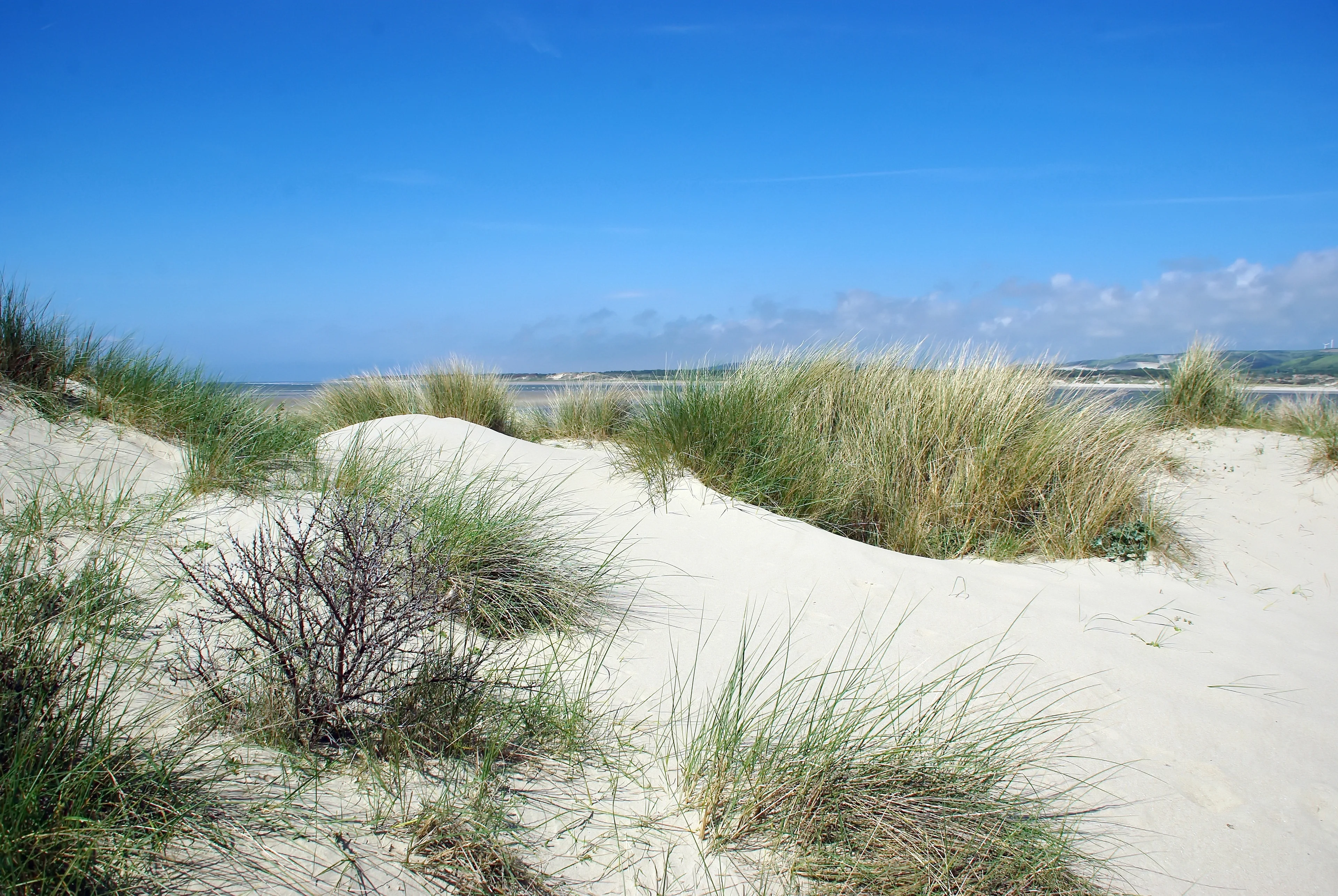
Le Touquet-Paris-Plage wouldn't be the same without its seven-mile stretch of fine sand. This ribbon of beach is fully serviced during the summer, drawing a mix of families and athletes. It is a hub for activities like sailing, sand yachting, and kitesurfing. The waterfront is lined with hotels, restaurants, and bars that offer reliable service, similar to a classic beach town vibe on the Jersey Shore.
Nature enthusiasts will want to swap the sand for the forest, which is filled with maritime pines, alders, and poplars. Hundreds of thousands of trees were planted in the heart of these dunes across nearly 2,000 acres back in the 19th century. Today, it is an ideal spot for hiking, horseback riding, or cycling. For a deeper look at the local ecosystem, head to one of the three marked trails in the Parc nature de la Baie de Canches. You get panoramic views of the estuary and can often spot colonies of seals resting on the sandbars. The park is a major draw for birdwatchers, as thousands of migratory birds stop here each year.
When to go
Most visitors aim for June through September to make the most of the beach. Spring and autumn are excellent for a quieter, more relaxed visit, though keep in mind that many hotels and restaurants operate on a seasonal schedule and may be closed outside of the summer months.
How to get there
Le Touquet-Paris-Plage is a 2.5-hour drive from Paris via the A16 motorway. You can also take a train from Paris Gare du Nord to the Etaples - Le Touquet station, which also takes about 2.5 hours. Expect to pay 20 to 30 EUR (about $22-33) for a ticket.
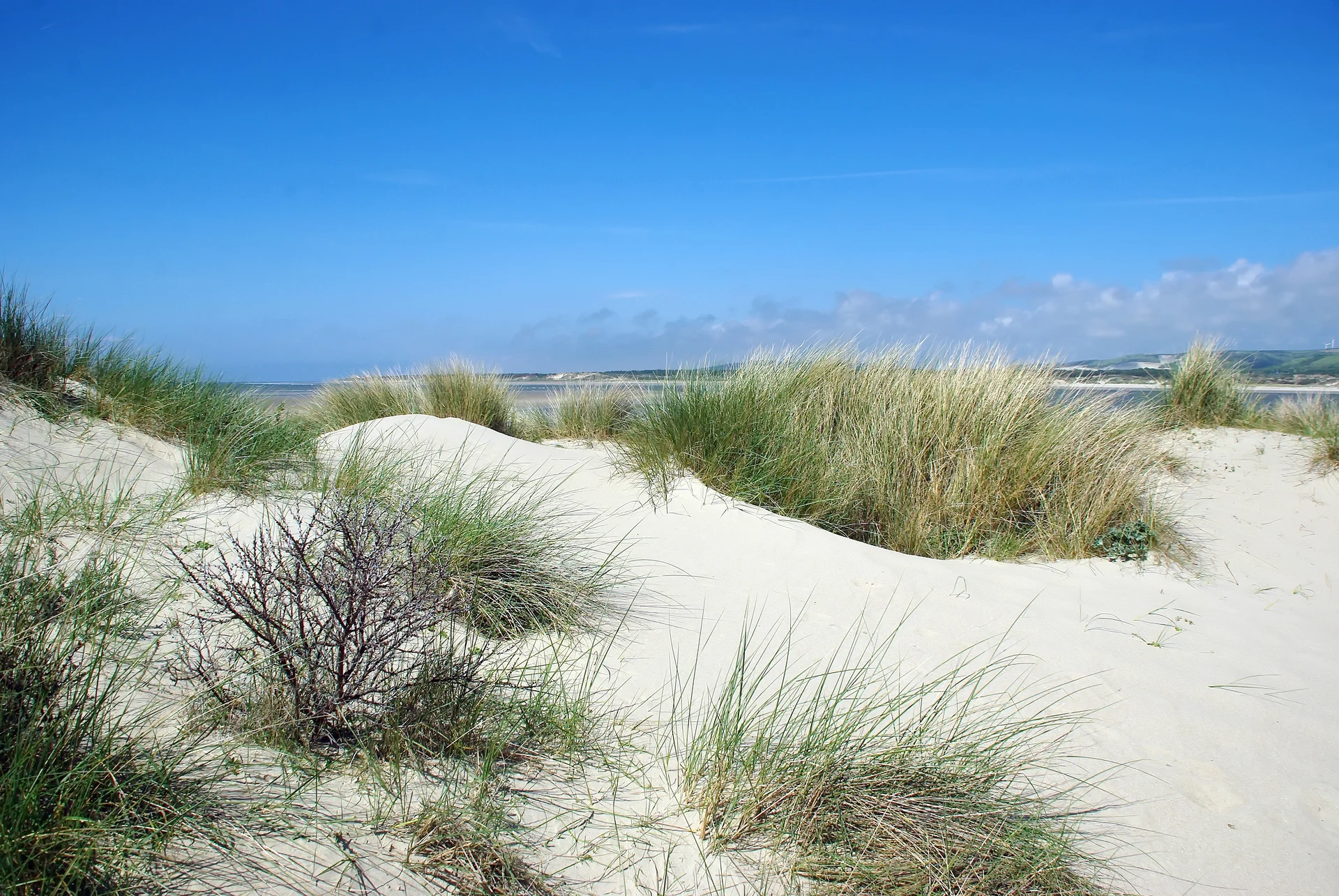
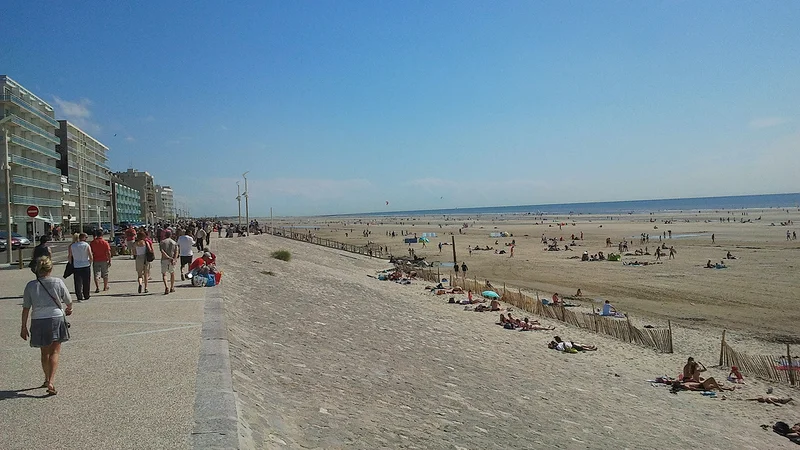
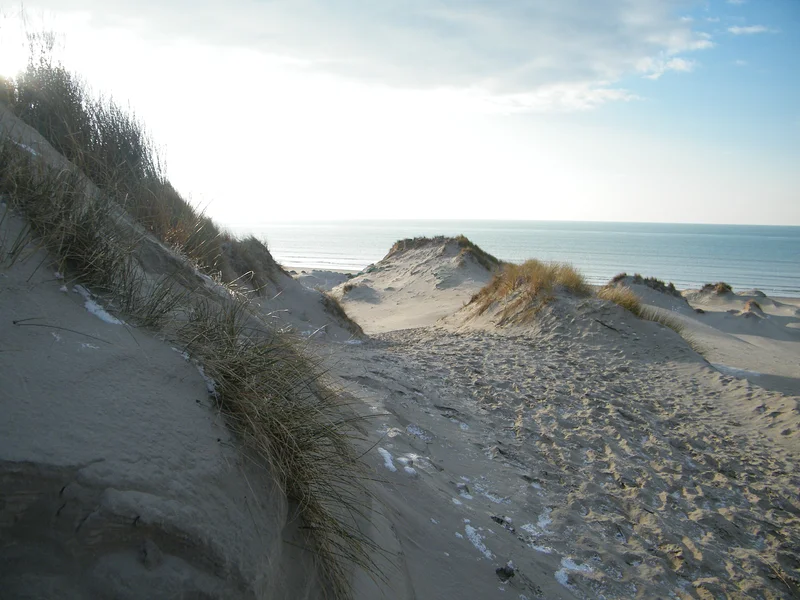
The scenery in Le Touquet-Paris-Plage is nice (vast beaches and dunes), but the prices are often a bit high. For a getaway from Paris, it is nice, if you do not want to have a big night out after your dinner. I really enjoyed the bike rides on the promenade and in the surrounding forests. But overall, it is very touristy, and not always up to par.