
Le Crotoy, Where the North Meets the South
It is 6:30 in the morning, the sand is still damp, and hundreds of birds take flight into a sky that hovers between pink and pearl gray. In the distance, a harbor seal pops its head out of the water with a curious look before diving back down for breakfast. That is Le Crotoy in a nutshell: a Picardy coastal town that has kept the soul of a working fishing village, where Jules Verne once wrote Twenty Thousand Leagues Under the Sea and Impressionist painters set up their easels to capture that specific coastal light.
A Destination for Pure Nature Lovers
If you are looking for cookie-cutter beach resorts with boardwalk amusements, keep moving. Le Crotoy is built for travelers who know how to appreciate the quiet of an empty tidal bay at low tide, the sight of harbor seals lounging on the sandbars, and long horizons set on fire at sunset. It holds the title of the only beach in northern France facing due south, which gives the microclimate a surprising warmth.
Families traveling with kids will find that the shallow shoreline extends out for hundreds of yards at low tide. Birdwatchers are in their element with over 300 recorded species. On the flip side, if you are dreaming of trendy designer boutiques or a high-energy nightlife scene, this is definitely not the spot.
Reasonable Pricing for the Region
Expect to pay between $90 and $169* a night for standard lodging, with local bed and breakfasts often delivering the best value. A seafood dinner at a harborfront spot runs around $29-$40* per person. Signature excursions, such as guided walking tours across the bay, cost roughly $17* per adult.
The Bay and Its Inhabitants: Seals, Birds, and Salt Marshes
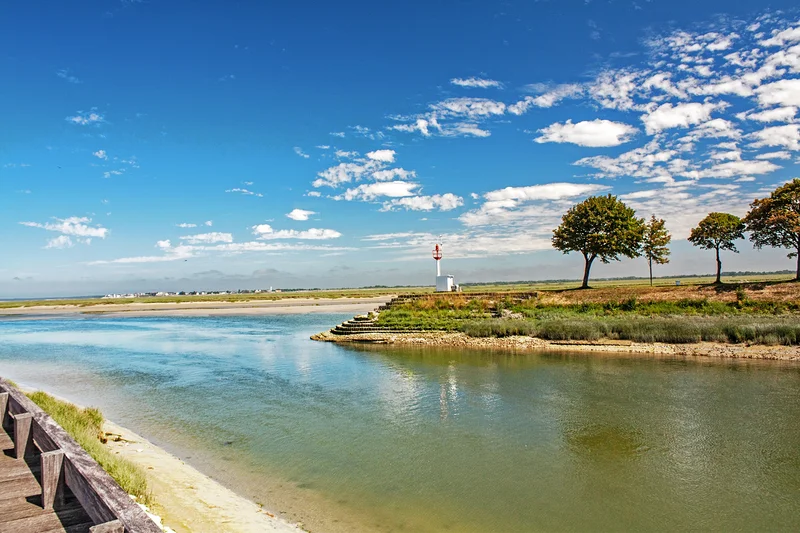
The Baie de Somme, recognized as a Grand Site de France, serves as the natural masterpiece framing Le Crotoy. When the tide goes out, the estuary turns into a massive, reflective mirror of sand and sky. This is the moment when seals haul out onto the newly exposed sandbars. Two species live here side by side: the harbor seal, which is smaller and stays year-round, and the gray seal, easily spotted by its elongated snout.
To watch them without causing a disturbance, book an outing in a dugout canoe or kayak right from the harbor. These quiet watercraft let you approach France's largest seal colony with respect. Booking a trip with a local naturalist guide is well worth the investment, as they know the best resting spots, tide schedules, and where to let you taste freshly picked glasswort.
Friendly tip: seals can be seen year-round, but females give birth in June and July. If you want to spot the pups, that is the window to aim for. Bring binoculars along because local regulations require keeping a minimum distance of 300 meters (330 yards).
The Village and Its Low-Key Heritage
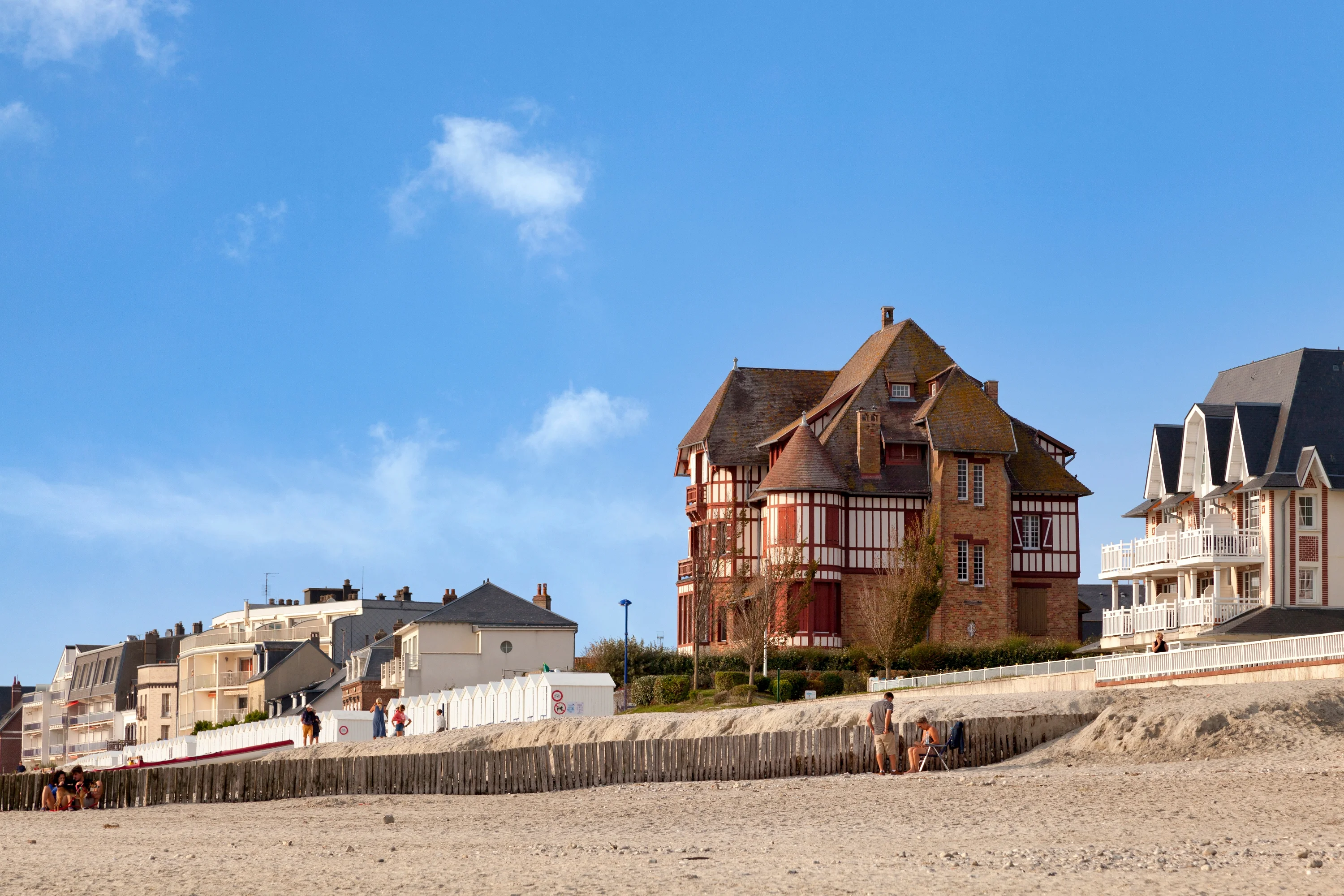
The narrow downtown streets mix colorful fisherman cottages with 19th-century bourgeois villas. Jacques Guerlain, the famous perfumer, played a major role in putting this coastal escape on the map for Parisians during the Belle Époque. His former villa and those of his artist friends still dot the seafront.
Down on quai Courbet, you will still spot a few traditional sauterelliers moored at the docks, the small wooden boats historically used for gray shrimp fishing. The street market, held on Tuesday and Friday mornings in summer, is the absolute best place to pick up fresh gray shrimp, cockles, and salt-marsh greens like sea purslane.
From Steam Trains to Bay Hikes
The Chemin de Fer de la Baie de Somme connects Le Crotoy to Saint-Valery-sur-Somme in century-old passenger cars pulled by a chugging steam locomotive. The route cuts right through the mollières, the salt marshes where estuarine sheep graze, offering wide-open views across the water. Parking near the station costs just $2.30* for the whole day.
Walking straight across the bay is the most memorable experience in the area. With a certified guide leading the way, you will hike for 3 to 4 hours across a mix of sand, mudflats, and tidal channels all the way from Le Crotoy to Saint-Valery. Note of caution: attempting this trek without professional guidance is genuinely dangerous because the tide rushes back in as fast as a galloping horse.
Friendly tip: book your bay crossing several days ahead during the peak summer season. Guides such as Découvrons la Baie de Somme run seasonal themed tours ranging from birding excursions to introductory shore-fishing sessions.
Board Sports and Water Activities
The flat, expansive beach and steady coastal winds make it a paradise for kitesurfers and sand yachting enthusiasts. Several local schools offer introductory lessons starting at age eight. For a slower pace, horseback rides across the sand at sunset are organized by local stables, often featuring Henson horses, a hardy breed originally developed right here in the Baie de Somme.
Where to Eat and Drink in Le Crotoy
The local food scene revolves around what the bay produces. L'Auberge de la Marine serves inventive cooking built on regional ingredients, featuring a single fixed-price menu at $39* that changes frequently. Chef Pascal Lefebvre works magic with pan-seared oysters, marinated red mullet, and the undisputed local star: salt marsh lamb, which develops an incredible flavor from the saline herbs the sheep graze on.
Le Bistrot de la Baie keeps things casual with hearty pots of mussels prepared every which way, paired with a crisp white Gascony wine. Expect to pay $20* for a generous portion. For a quick bite on the go, the food stalls along rue Saint-Firmin sell ultra-fresh fish and gray shrimp to eat on a bench with buttered bread.
At Carré Gourmand, chef Philippe Carré highlights juliettes, small local potatoes, along with sandy soil carrots, and dishes up a sea bream tartare with seaweed that commands attention. Reservations are essential.
Where to Stay in Le Crotoy and Surroundings
The town center concentrates boutique hotels like Les Tourelles, easily spotted by its signature red-and-white turrets overlooking the harbor. Rooms start at $146*, with bay views carrying an upgrade fee. The Hôtel de la Baie de Somme offers simpler rooms right across from the port, starting at $102*.
Bed and breakfasts provide a cozier and often more budget-friendly alternative. Heading toward Noyelles-sur-Mer or Rue just a few miles away, you will find converted Picardy farmhouses packed with character. For tighter budgets, Camping La Prairie maintains tidy campsites just a short walk from the shoreline.
How to Get to and Around Le Crotoy
From Paris-Gare du Nord, the train ride to Noyelles-sur-Mer takes about two hours, followed by a quick connection via bus or heritage train. Tickets start at $23* when booked in advance. Driving from Paris, the A16 autoroute gets you there in roughly two hours and fifteen minutes via Beauvais and Abbeville.
From Lille, plan for an hour and a half on the road. Brussels is three hours away, and Rouen is an hour and a half. Parking in peak summer gets hectic: arrive early or use the peripheral lots outside the center. Once you arrive, everything is easily handled on foot or by bike. A well-marked network of bike paths lets you cruise easily to Saint-Valery, the Marquenterre Park, or Fort-Mahon-Plage.
When to go
May through October offers the best balance of pleasant weather and open attractions. Spring and autumn are particularly great for spotting migratory birds and dodging the heavy summer crowds. July and August form the high season with predictable trade-offs: long sunny days paired with parking headaches and packed restaurants.
Winter brings dramatic light and rare solitude, though the coastal winds can cut right through you. Skip planning a bay crossing during those months unless you have proper gear. In June, the annual Transbaie draws thousands of runners for a massive footrace straight across the estuary mud.
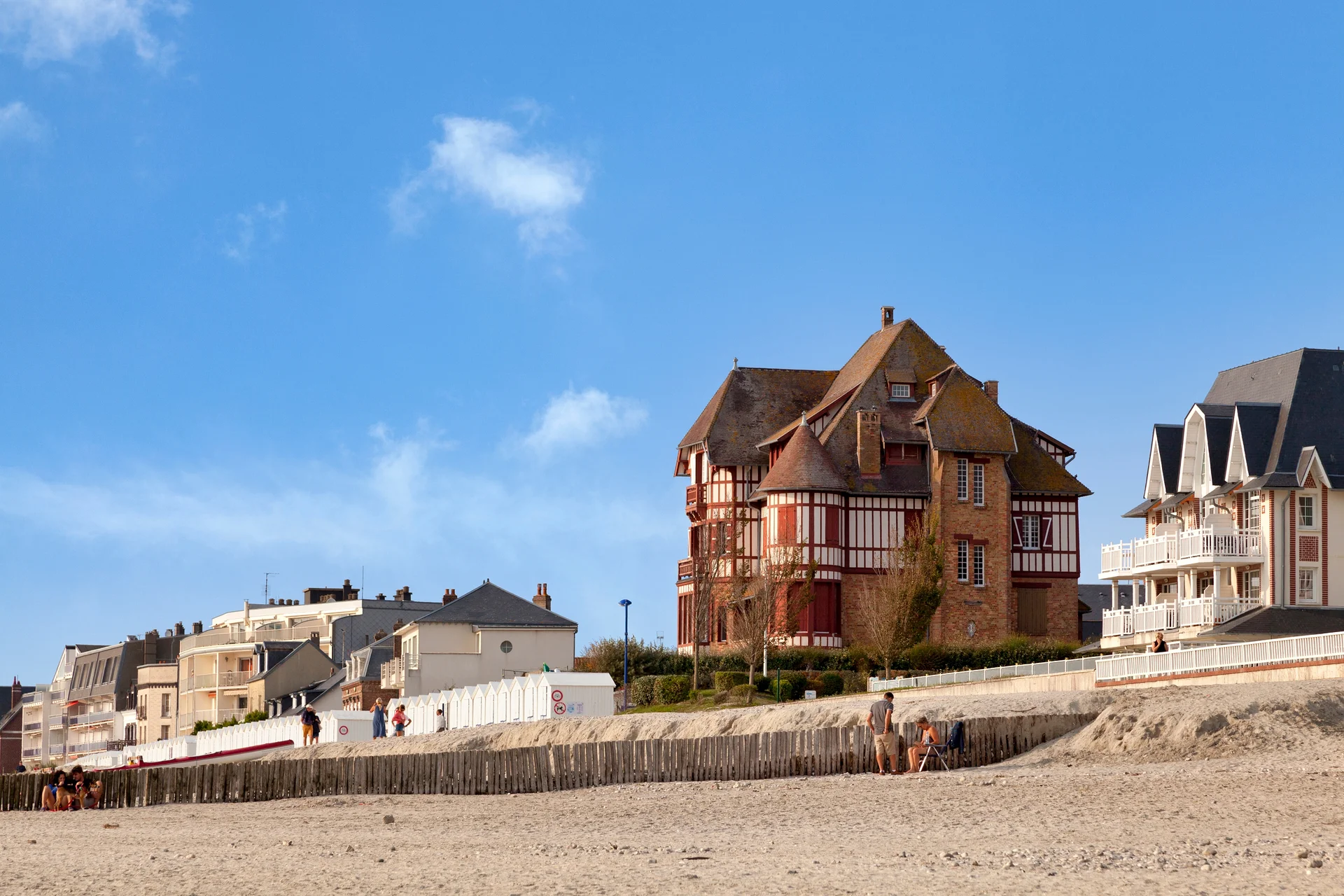
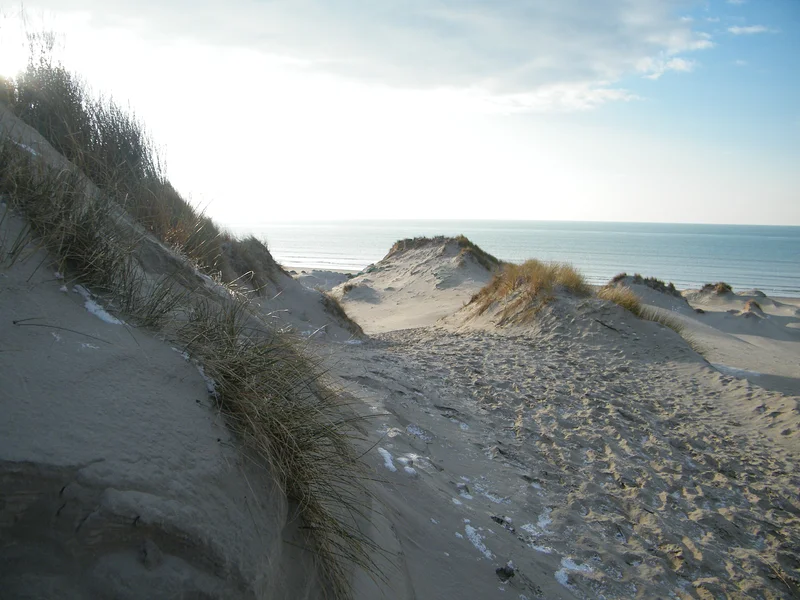
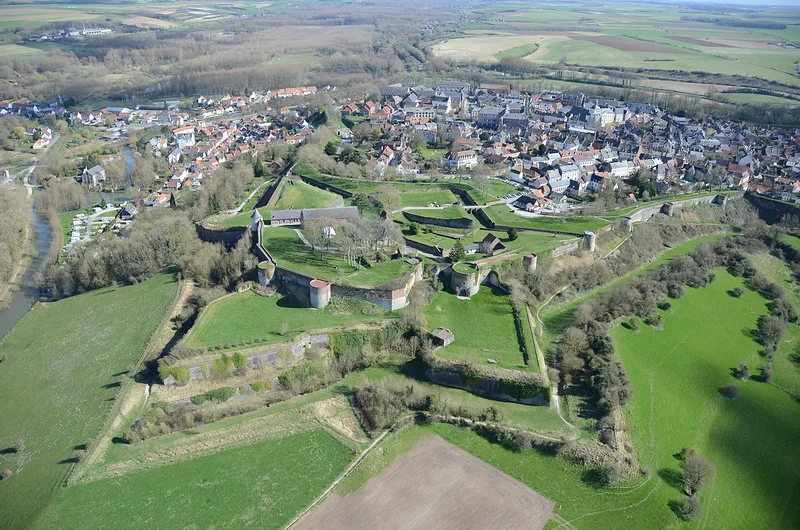
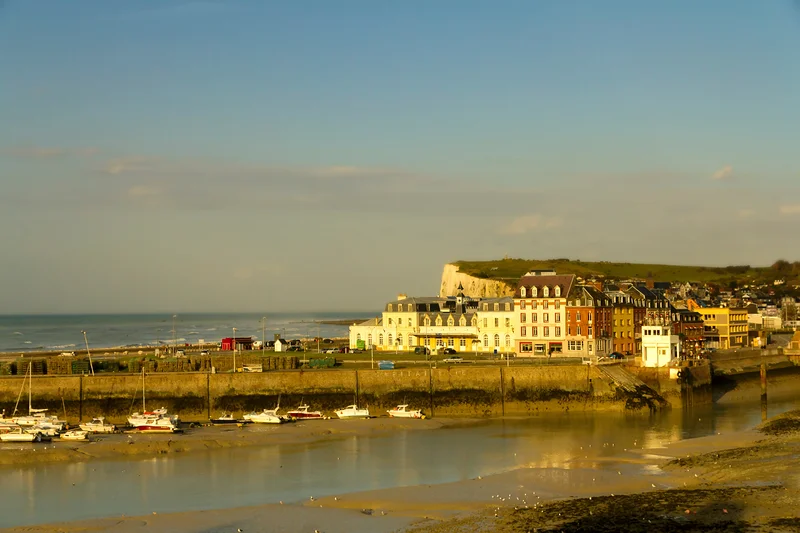
For my part, I found the small town of Le Crotoy very pretty. You can get there using a little steam train between Saint Valery and Le Crotoy, which is a great activity to do with the family. The center is well preserved with typical seaside buildings in the Belle Epoque style.