
#1 Chantilly
Designated as an official Town of Art and History in France, Chantilly sits about 40 kilometres from Paris and 10 kilometres from Senlis.
A Princely Estate
The main draw here is the Château of Chantilly. Built in the sixteenth century for Anne de Montmorency, the property later belonged to the noble House of Condé, then passed in 1830 to Henri d'Orléans, Duke of Aumale, son of the last king Louis-Philippe. The estate remains exceptionally well preserved. History and architecture enthusiasts will find plenty to inspect, as successive noble families each left their architectural mark. Visitors can tour the Petit Château, furnished in period style, and the Château Neuf, a nineteenth-century reconstruction. The Condé Museum's painting collection spanning the seventeenth to nineteenth centuries, alongside the impressive Book Cabinet housing 19,000 volumes, warrant a thorough visit.
Gardens and Stables
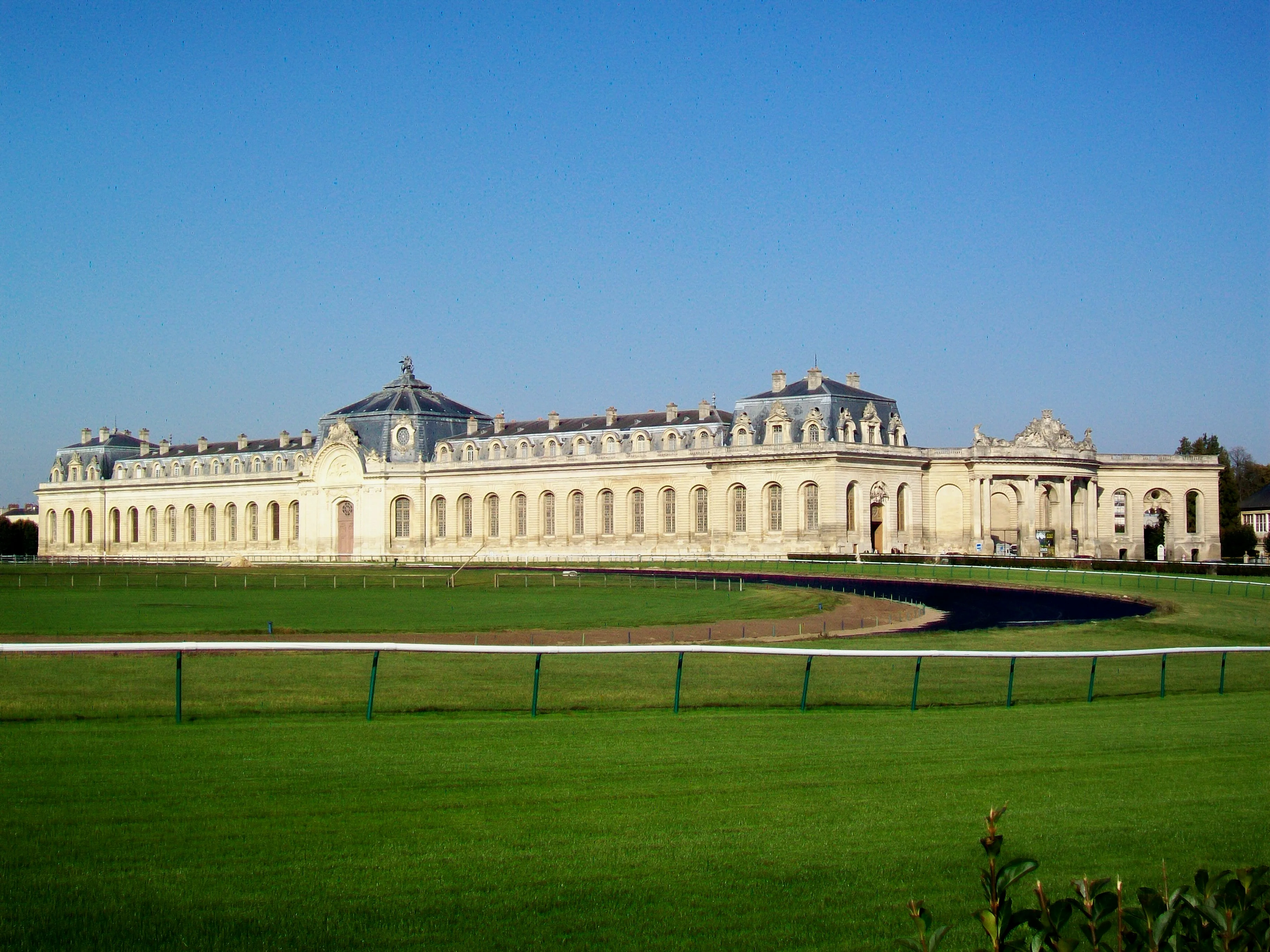
Exploring the wider estate reveals a classic French formal garden featuring the Temple of Love complete with statues of Venus and Eros, alongside surrounding woods, lakes, and ponds. The Grandes Écuries, or Great Stables, rank among the town's highlights regardless of your equine interest. Constructed in the eighteenth century, this building houses the Living Horse Museum, tracing the history of the domestication of the horse. Real horses occupy the historic stalls. Visitors can watch dressage demonstrations and equestrian shows combining theater, acrobatics, and horsemanship.
Town and Forest Trails
Away from the main estate, the town offers additional stops. The racecourse ranks among the largest in France and still hosts active horse racing events. The Potager des Princes provides a family-friendly walk past birds and flowerbeds. Historic buildings dot the town center, including the sixteenth-century Hôtel de Beauvais, the Notre-Dame de l'Assomption Church, and the Pavillon de Manse, also known as the Prince's Mill. For outdoor enthusiasts, the Chantilly forest covers more than 6300 hectares of trails.
When to go
Northern France weather is notoriously variable, making the warmer months the ideal time for a visit. April through September or October offers the most favorable conditions. Note that the château and stables close to the public for most of January.
How to get there
Taking the train is the simplest way to reach Chantilly. The estate offers a combined train and admission ticket for $29*. Take the RER D commuter train from Paris to the Chantilly-Gouvieux station, which takes 45 minutes. Driving from central Paris takes about one hour.