Visiting Laon
Laon serves as the prefecture for the Aisne department in northern France. The city is defined by its hilltop setting crowned by the Cathédrale Notre-Dame, which earned it the nickname of the crowned mountain. Numerous paths and narrow staircases known as grimpettes connect the upper and lower towns. A funicular once linked the train station district to city hall before budget cuts shut it down in 2016. Laon has preserved a wealth of historic architecture, starting with defensive ramparts stretching over 7 kilometers!
A Major Medieval Stronghold
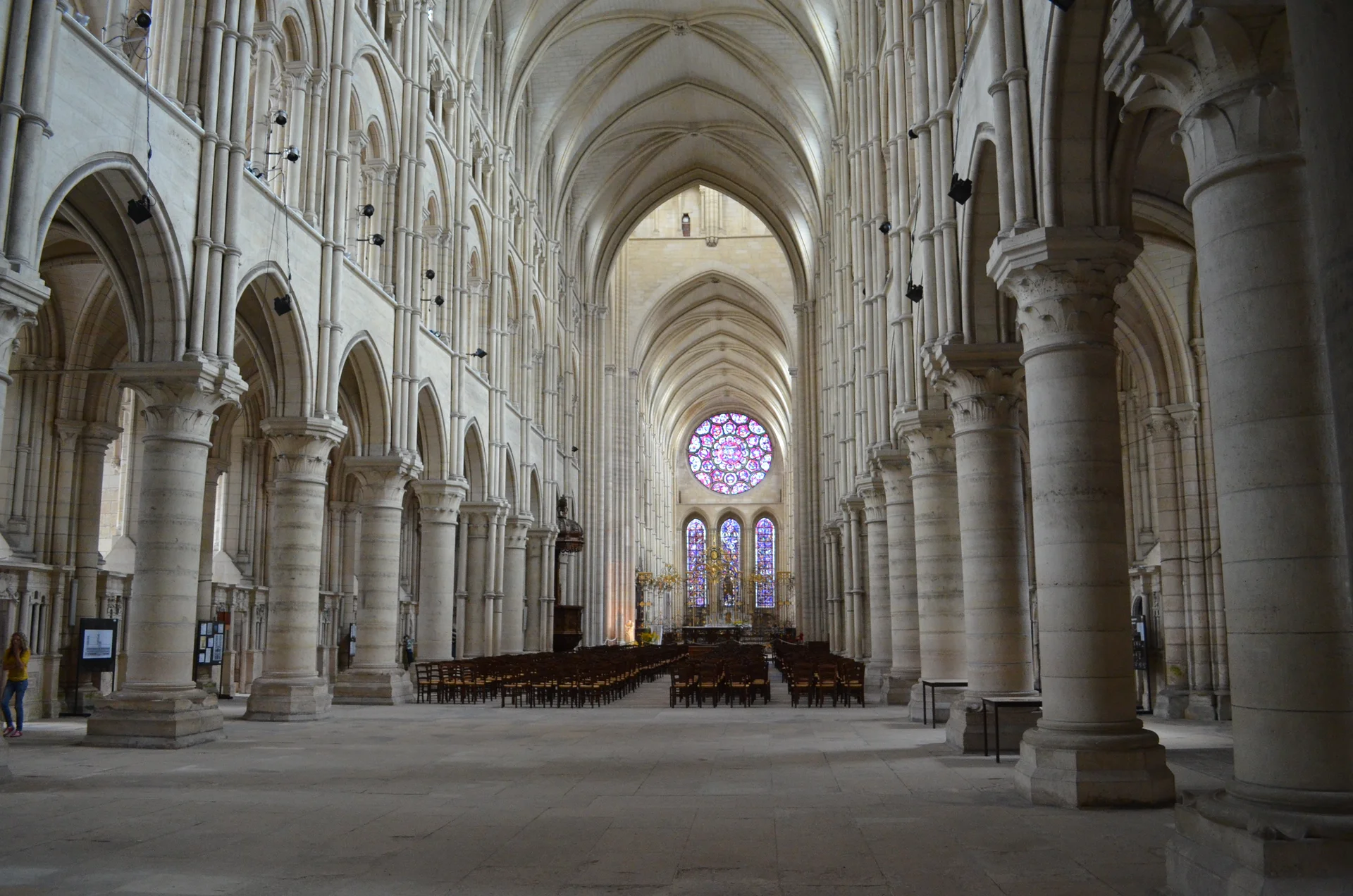
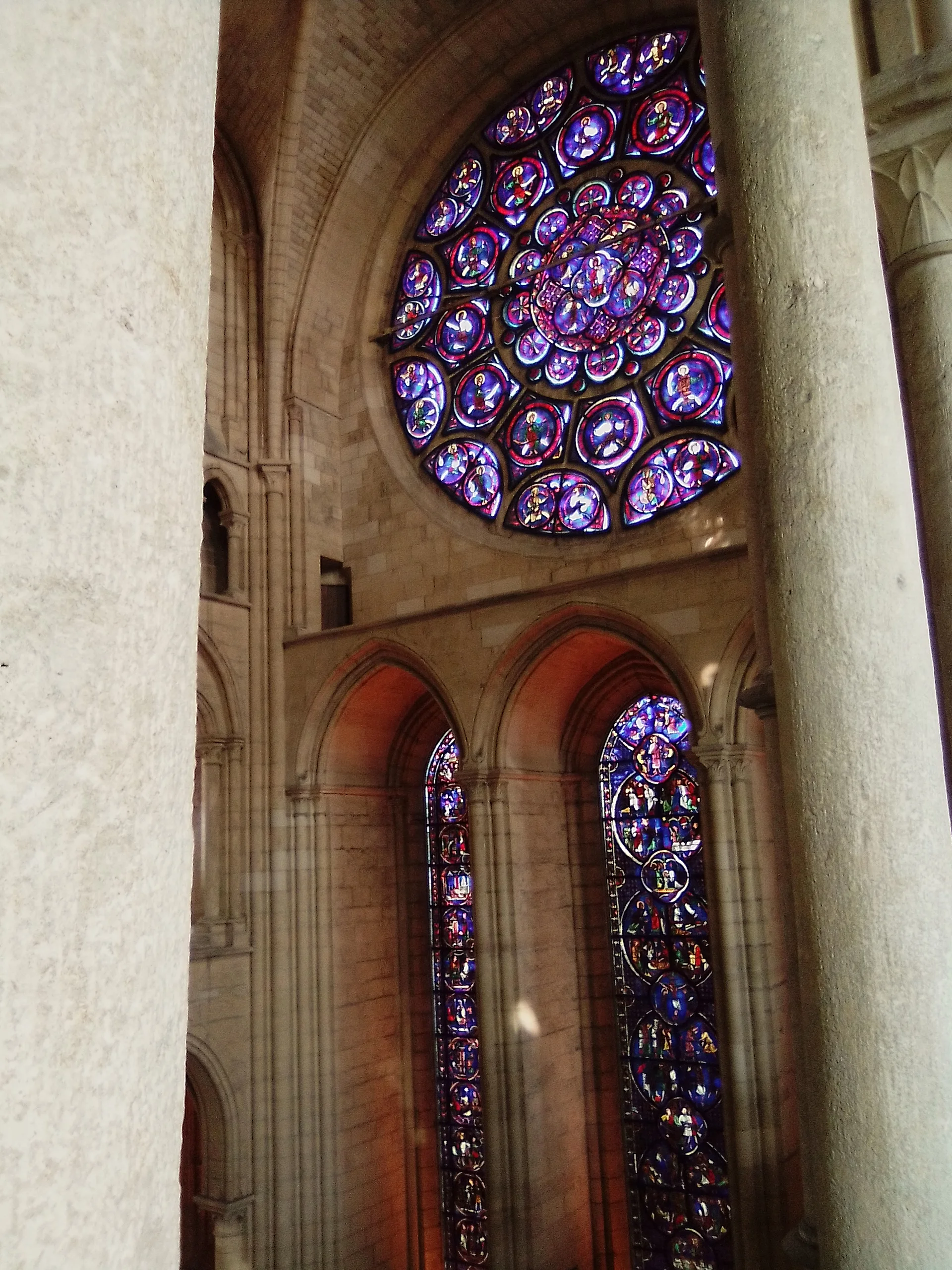
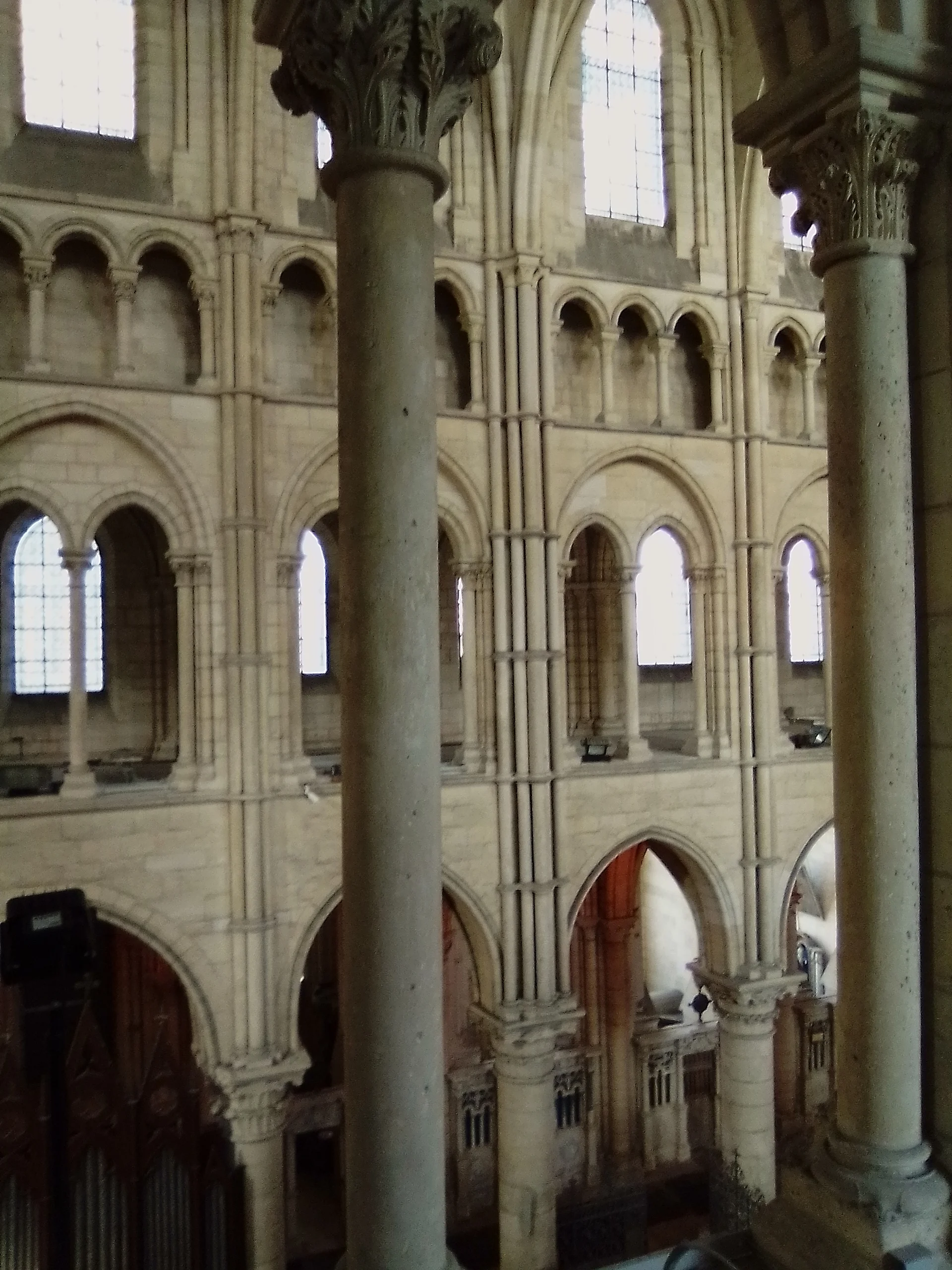
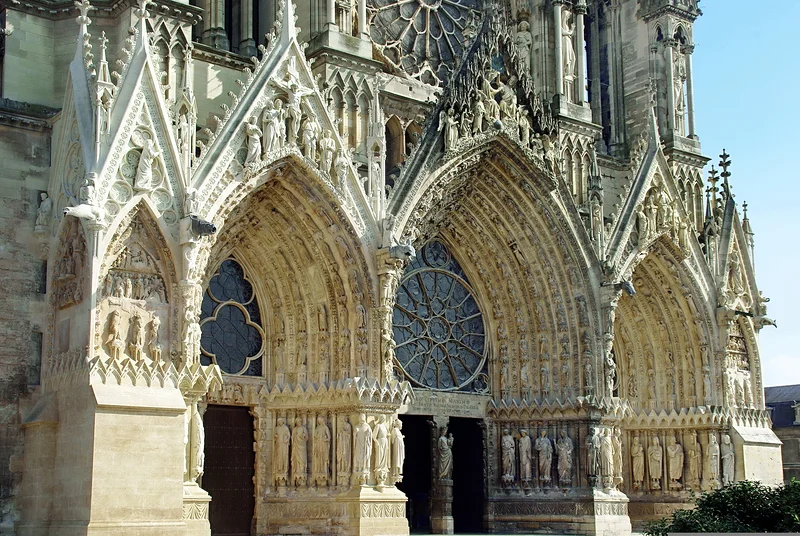
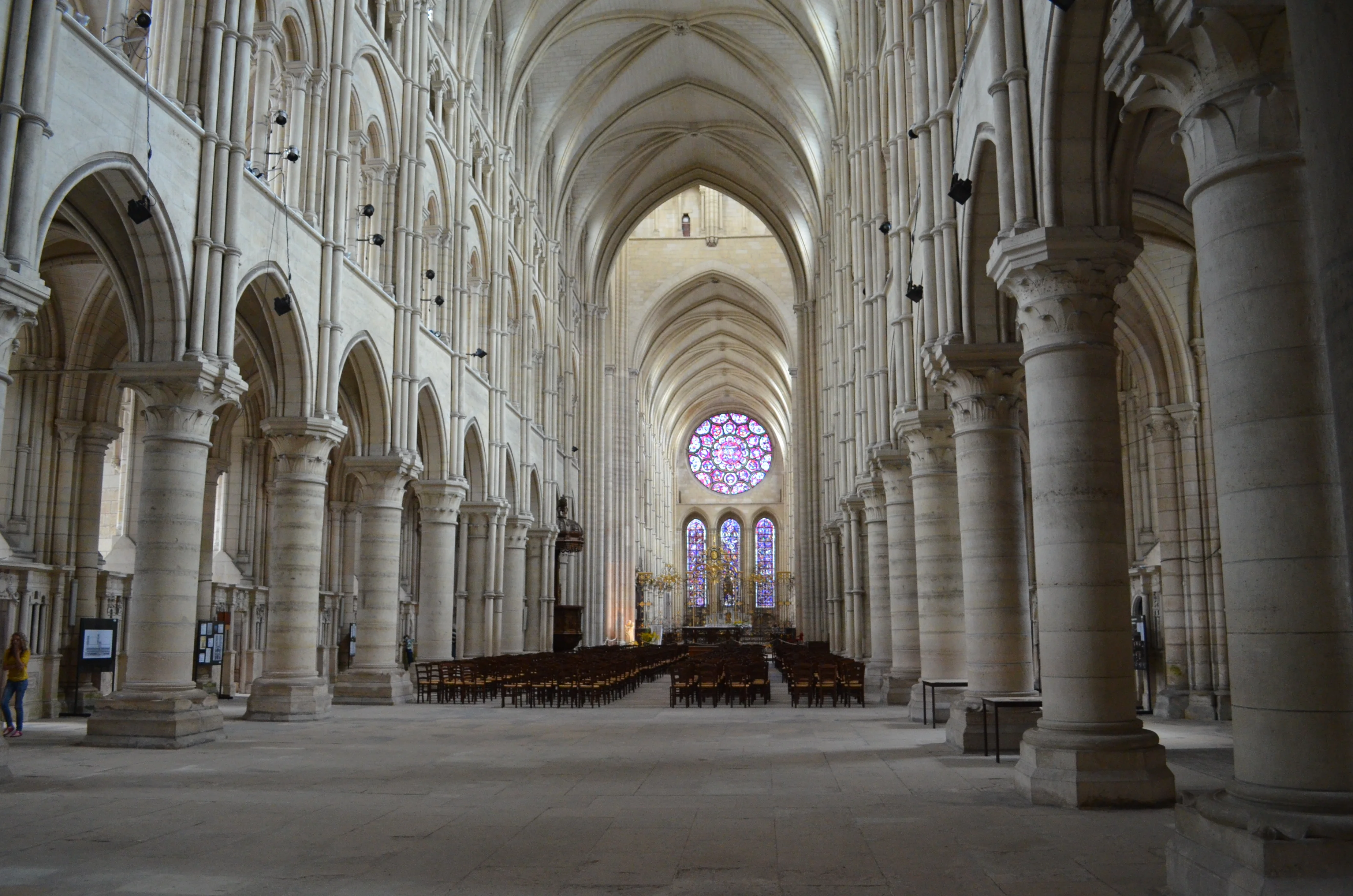
Entering the old town means passing through remarkably preserved medieval gates like the porte d'Ardan and the porte de Soissons. Laon flourished during the Middle Ages, housing an episcopal palace that now functions as the local courthouse. It also served as a prestigious royal residence under the Carolingians. Built in the twelfth century, the Cathédrale Notre-Dame stands as a prime example of early Gothic architecture that later influenced Notre-Dame de Paris. The Saint-Martin abbey complex dates back to the early twelfth century. Aside from its charming cloister transformed into gardens, the building remains closed to the public.
To dive deeper into local history, head to the Musée archéologique showcasing regional and Mediterranean artifacts alongside a fine arts wing featuring a watercolor by Delacroix. Right next door stands the chapelle des Templiers, a testament to the city's historical prominence. Wandering the alleyways of the medieval core reveals numerous frescoes and trompe-l'œil murals decorating the ancient stone walls!
A City of Surprises
Beneath the surface lies an extensive network of underground galleries carved into the soft limestone plateau that once served as stone quarries. Exploring these subterranean passages reveals fossilized seashells, former shooting ranges, and traces of troglodytic dwellings.
Near the porte des Chenizelles, taking the panorama staircase leads straight to the Cuve Saint-Vincent, a downtown green space where nature meets urban life. Once dominated by vineyards, this leafy basin now offers quiet walking paths.
History enthusiasts will find deep connections to the First World War around Laon. The Chemin des Dames, site of some of the conflict's heaviest fighting, sits about fifteen kilometers south of the city, complete with a viewing platform for panoramic views. Nearby, the caverne du Dragon opens up the hidden underground world of the Great War, functioning as a subterranean barracks that bears witness to the daily lives of both French and German soldiers.
When to go
Spring and summer offer the best weather for visiting Laon. The city hosts its medieval festival every year in early September, providing a lively atmosphere for exploring the historic streets.
How to get there
Driving to Laon is straightforward via the N2 or the A26 autoroute. Direct rail connections link the city to Paris, Amiens, Reims, and Hirson in the northern Aisne.