
Saint-Valery-sur-Somme: Where William the Conqueror Changed History
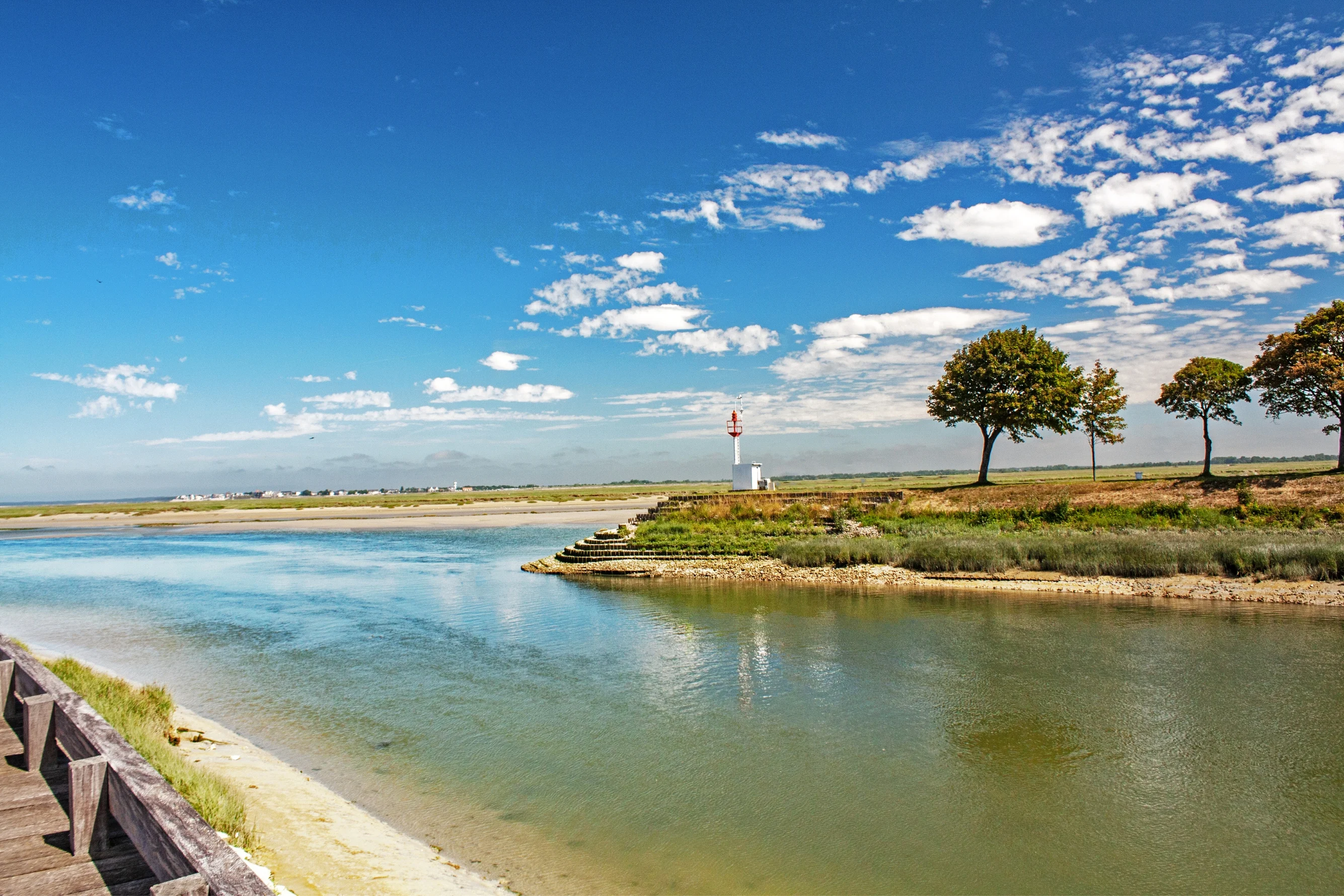
The scent of salt air mixes with hollyhocks spilling over the cobblestone alleys. On the quay, a fisherman mends his nets while out on the bay's sandbanks, rounded shapes lounge in the sun. The seals are out. It was right here in 1066 that a fleet of nearly 700 ships set sail for England to conquer a kingdom. William of Normandy waited for the right wind. He found it.
A Village Built for Slowing Down
Recognized among France's most charming detours and placing second in the 2017 Favorite Village of the French contest, this medieval town of 2,400 residents draws heritage lovers and photographers chasing shifting light. The Bay of Somme stands out as one of Europe's top spots for watching migratory birds and wild seals.
Travelers looking for vibrant nightlife or classic sandy beaches will want to adjust their expectations. The tide regularly pulls the water back out by several miles, and evenings stay quiet. Having a car is practically essential for exploring the surrounding countryside.
Reasonable Pricing for Northern France
Expect to pay between $79 and $169* a night for a guesthouse or boutique hotel, and roughly $17 to $29* for a restaurant meal. Guided bay crossings run around $12 to $17* per adult, while the steam train costs about $17* one way.
The Medieval Quarter: Climbing for the Best Views
The upper town overlooks the bay from its limestone promontory. The Guillaume Towers serve as the main gateway into the fortified city. This is precisely where William the Conqueror waited before heading across the Channel. Joan of Arc also passed through these walls as a prisoner in 1430 before being taken to Rouen.
From the belvedere, the view stretches across the vast expanse of the bay. The sandbanks change color with the light, and flocks of salt-marsh lambs graze on the mollières, the local meadows flooded by high tides. The Saint-Martin Collegiate Church stands out with its checkerboard facade of black and white flint, unchanged for five centuries.
Friendly tip: Check out the Herbarium des Remparts, a secret botanical garden tucked against the stone ramparts. Maintained by dedicated volunteers, it grows medicinal, dye-producing, and even toxic plants in a charmingly chaotic layout. Admission runs around $5.70*.
Le Courtgain: The Soul of the Local Sailors
This neighborhood of brightly colored facades used to belong to the local fishermen. Small red and blue brick houses cling to the cliffside. The narrow alleys wind up to the Calvaire des Marins, offering a striking viewpoint over the entire bay. On Sunday mornings, the quayside market draws locals and visitors alike for fresh seafood and produce from the Picardy market gardeners.
The Bay of Somme: On Foot, by Train, or by Kayak
Walking across the bay remains the definitive local experience. Accompanied by a mandatory nature guide, you spend three hours hiking through shifting sands and salt marshes, sometimes with water up to your calves. Departures leave right from the quay, often paired with the historic steam train connecting Saint-Valery to Le Crotoy.
This century-old narrow-gauge train chugs across the bay on an embankment, opening up panoramic views you cannot get any other way. The ride takes about an hour. You can even bring your bike on board and ride the bike path back.
Friendly tip: For a close look at the seals, book a rigid inflatable boat tour or a sea kayaking trip instead of walking. The guides know the exact sandbanks where harbor seals rest at low tide. Plan on about $34* per person for a ninety-minute excursion.
The Surroundings: Cap Hornu and Pointe du Hourdel
The Sailors Chapel, perched on the hill above the former abbey, offers sweeping views toward Cap Hornu. From there, you can bike or walk to Pointe du Hourdel, a fishing hamlet where seals are easily watched from the pebble beach. The resident colony numbers around 800, making it the largest in France.
The Marquenterre Park, twenty minutes away by car, features observation blinds for photographing cranes, spoonbills, and storks. The Picarvie Museum reconstructs an early 20th-century Picardy village complete with forty traditional trades.
Where to Eat and Drink in Saint-Valery-sur-Somme
The signature local dish is salt-marsh lamb, raised in the local meadows where the animals graze on wild samphire. The meat carries a distinct, lightly saline flavor. Ficelle picarde, a baked savory crepe stuffed with ham and mushrooms under a blanket of cream, appears on almost every menu.
Restaurant Baie on rue de la Ferté serves hyper-local cuisine in an intimate 14-seat dining room. Reservations are a must. Le Schorre, housed in the historic former Salt Warehouse, works with Picardy produce with great finesse. For a more casual vibe, Rivat operates as a natural wine bar with small plates, oysters, and occasional live music nights.
Where to Stay in and Around Saint-Valery-sur-Somme
Downtown concentrates several guesthouses and boutique inns. Hôtel Les Pilotes sits right on the waterfront and delivers solid value. Relais Guillaume de Normandy occupies a Belle Époque mansion and features a terrace overlooking the estuary. Campings and rural gîtes in the neighboring villages help keep lodging costs down.
Getting There and Getting Around
Driving from Paris takes a little over two hours up the A16 highway, taking exit 23 for Baie de Somme. The closest SNCF train station sits in Noyelles-sur-Mer, on the Paris-Nord to Boulogne line. Street parking downtown is paid. The Somme Valley bike route allows you to pedal all the way in from Abbeville or Amiens.
From North America, fly into Paris and drive up the A16: the nearest airports are Beauvais, about 90 km away, and Lille, about 130 km. Travellers coming from Belgium or the UK reach the bay via Calais or the Channel Tunnel.
When to go
From April to June, the alleys fill with blooming flowers and the migratory birds return. September and October bring exceptional light across the bay that draws landscape photographers. Summer stays lively without ever feeling packed. In winter, many shops close up, but the bay reveals a raw, untamed beauty.
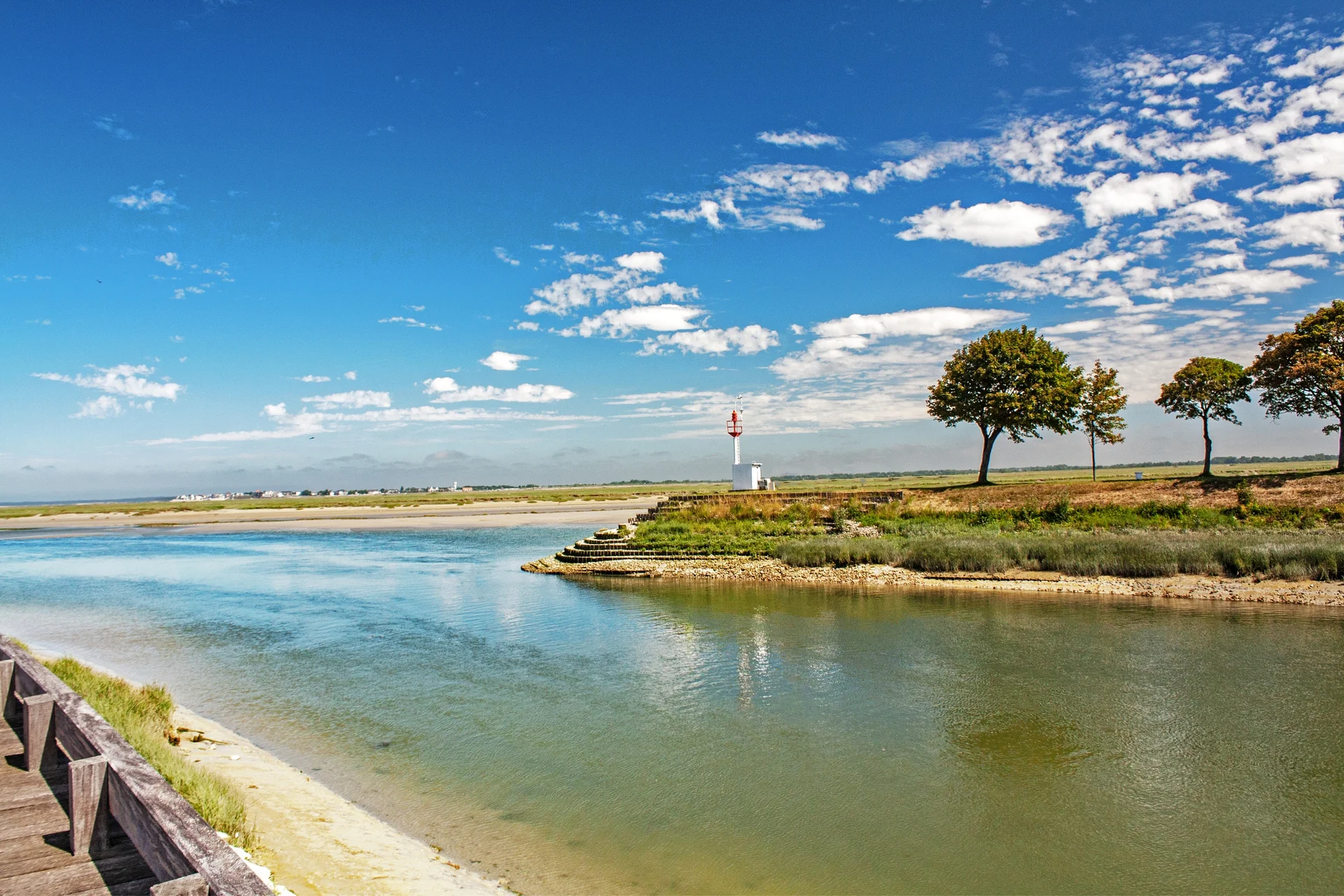
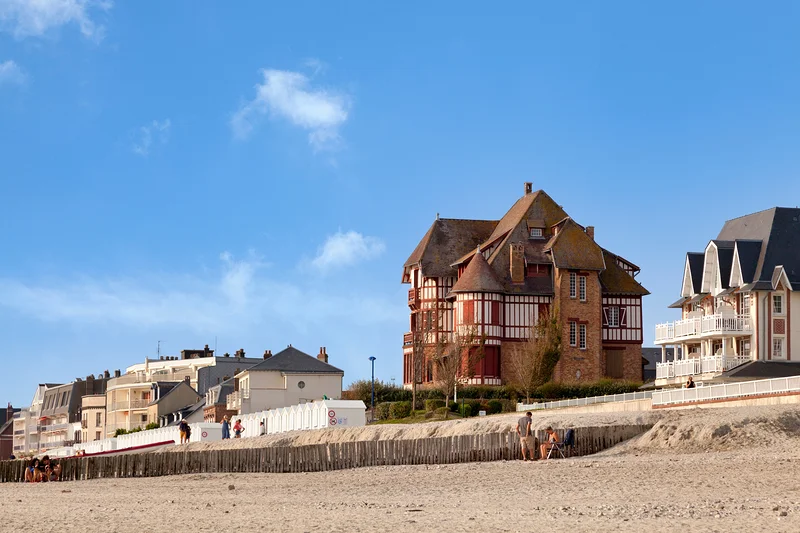
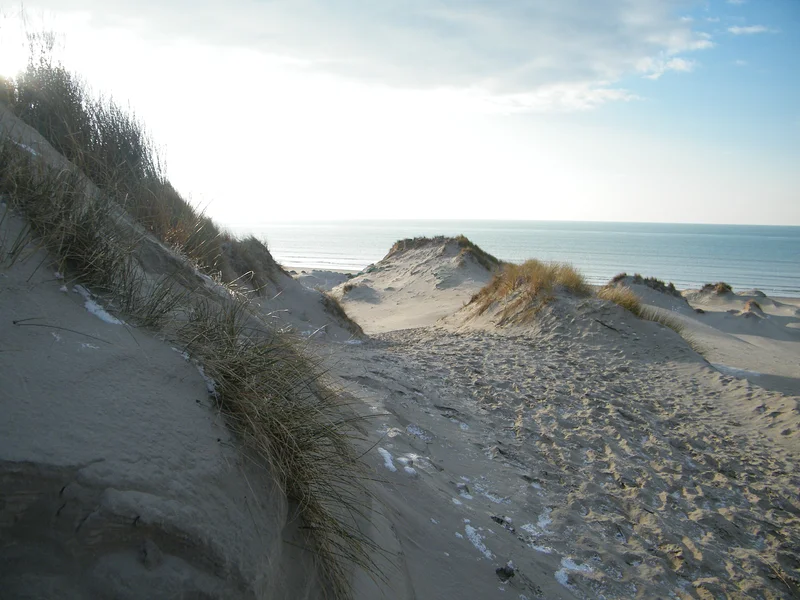
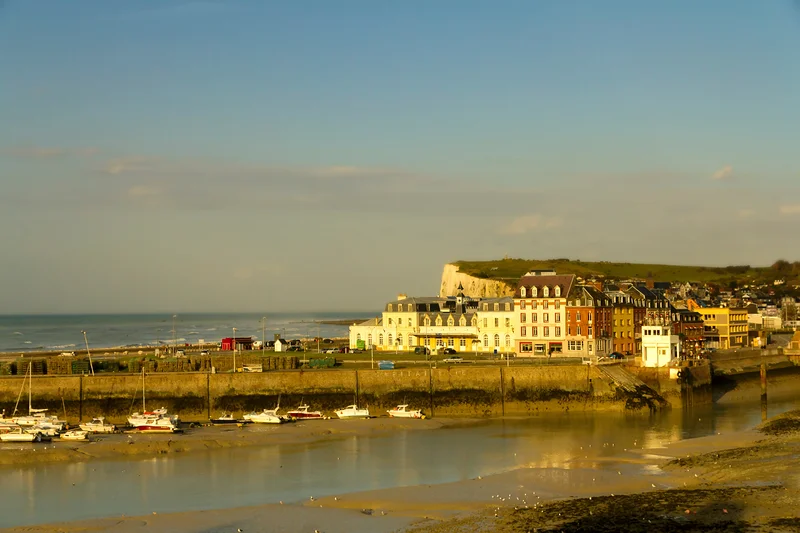
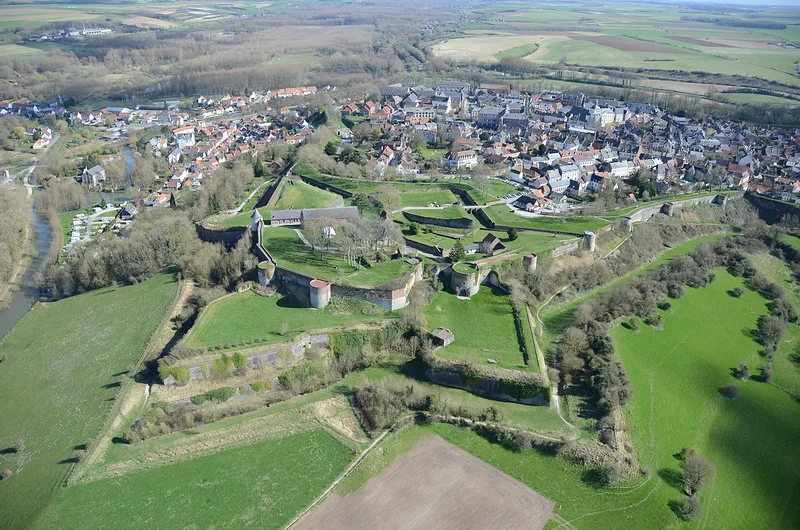
Saint-Valery is a must-visit in the Baie de Somme. The town is very pretty and pleasant, and you just feel good there. You can walk around the center and discover the different neighborhoods. Parts of the walls still remain in the upper town. During the nice season, the town is very lively.