Visiting the Cinque Terre
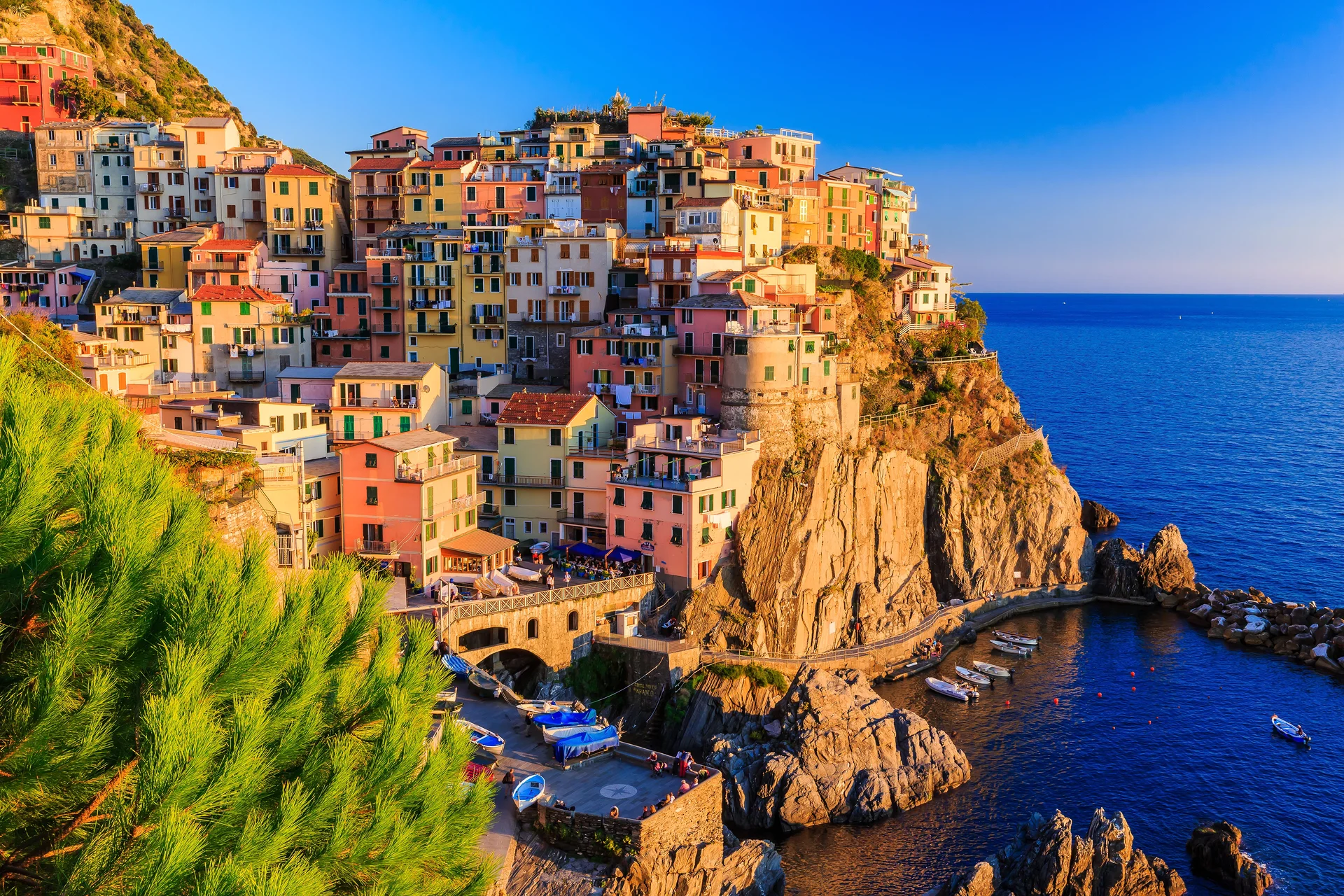
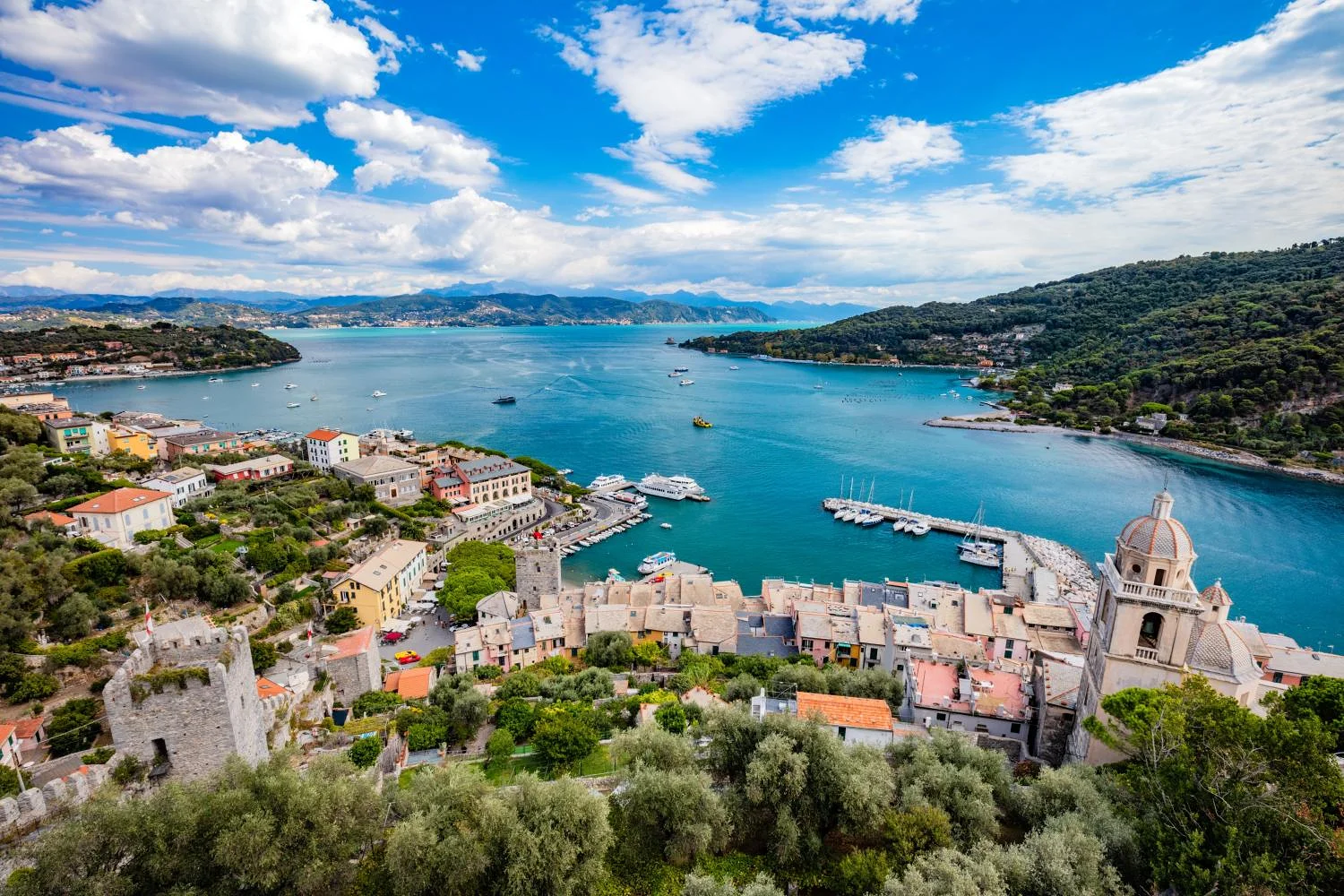
Eighteen kilometers of Ligurian coast, between Levanto and La Spezia, where the mountains drop straight into the sea. Five villages sit in the few hollows of the rock: Monterosso al Mare and its beach, Vernazza around its little harbor, Corniglia perched on its headland, Manarola and its ochre façades above the rocks, Riomaggiore tumbling down to a cove. Further south, Portovenere guards the entrance to the gulf.
Above the rooftops, thousands of dry-stone walls hold up the vines. A path runs from village to village, the train slips through the tunnels, the boats follow the coast. You come here to walk, for the view from the water and for a glass of white wine at sunset. Not for the beach.
You'll love it if
- You like to walk: a path links the five villages, high above the sea
- You'd rather go without a car: the train and the boat are all you need
- You love fishing villages, stepped alleys and colorful houses
Skip it if
- You want big sandy beaches: only Monterosso has one
- You hate crowds: from May to September, trains and alleys are packed
- Stairs wear you out: it's up and down everywhere, starting with Corniglia
The must-sees
-
1 The Blue Trail Hiking
The historic path links the five villages over about twelve kilometers, between the sea and the vines. The finest stretch runs from Monterosso to Vernazza: two hours of stone steps uphill, then the harbor of Vernazza appearing below you. Set off before nine, bring water, and the Cinque Terre Card, which gives access to the path in season.
-
2 The Via dell'Amore Walk
Between Riomaggiore and Manarola, a path carved into the cliff, almost flat, above the waves. Closed for years after a landslide, it has reopened, but by reservation only, in half-hour slots. Book before you go, especially for sunset.
-
3 Vernazza harbor +8 recs
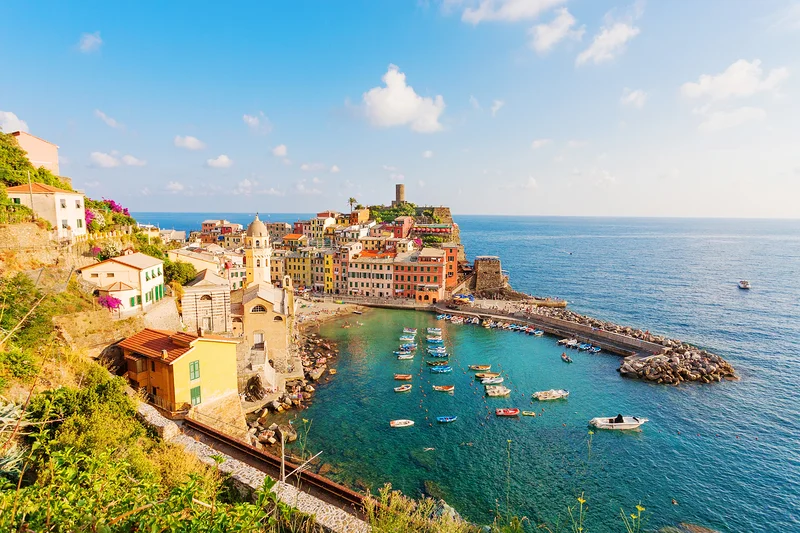
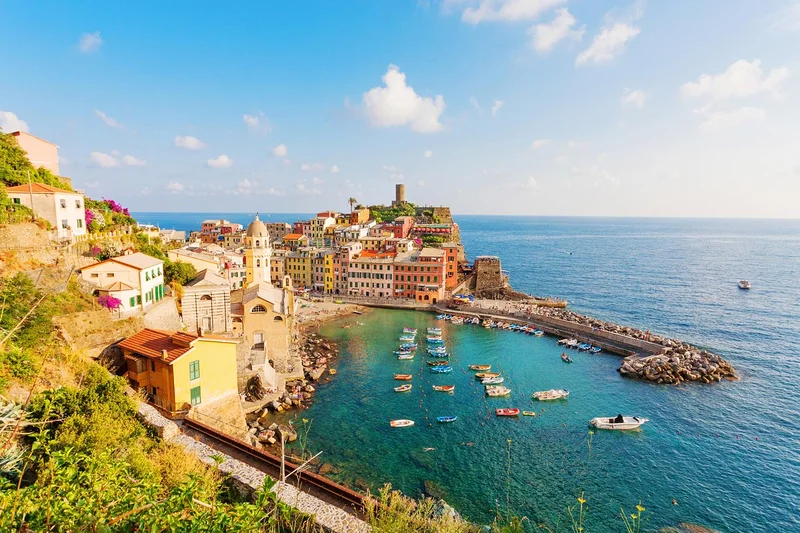
A small square opening onto a cove, boats pulled up on the slipway, a church set at the water's edge and the Doria tower above. Climb the tower in the late afternoon: the village and the coast as far as Monterosso spread out below. In the evening, once the trains empty, the square belongs to the locals again.
-
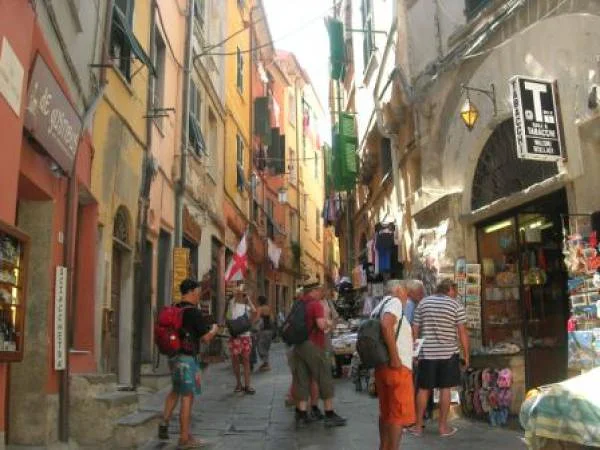 Photo posted by Anne
4 The church of San Pietro in Portovenere +7 recs
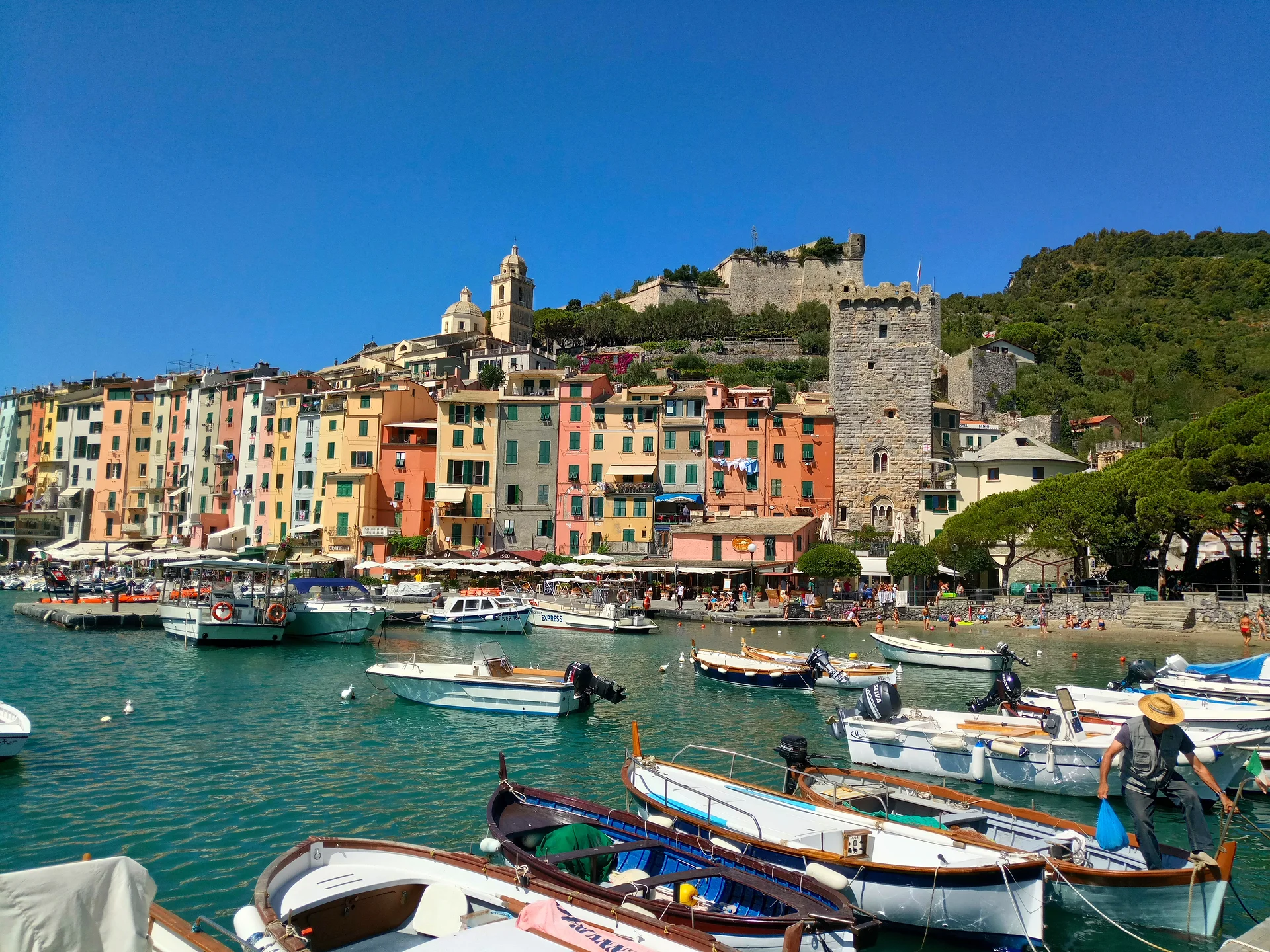
A small church striped in black and white stone, at the tip of a windswept headland. On one side the gulf, on the other the cliff and Byron's Grotto. Come at sunset, then wander back down through the alleys to the harbor and its narrow façades.
-
5 The three islands by boat +8 recs
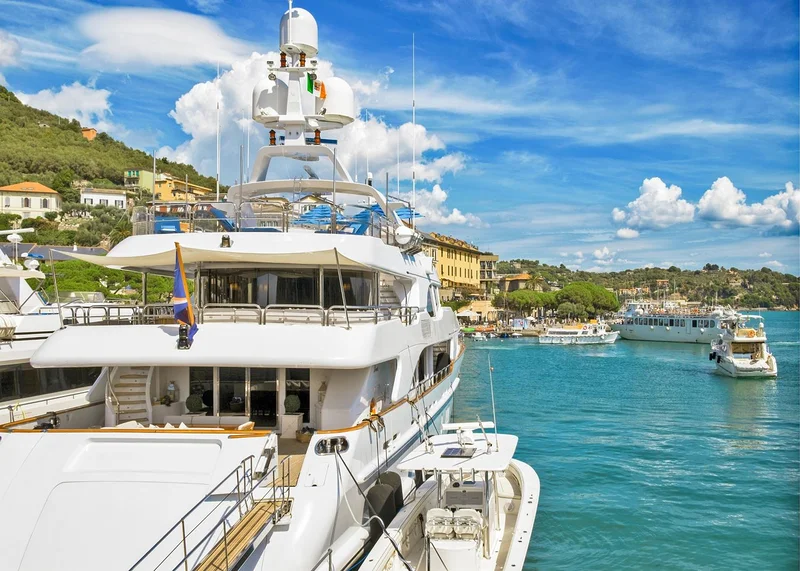
From Portovenere, boats circle Palmaria, Tino and Tinetto, three islands of pine trees and cliffs. The tour takes about an hour and skims past the sea caves. Bring your mask: some trips stop for a swim.
The classic mistake
Trying to see all five villages in one day, from Florence or on a cruise stop. You'll spend the day on crowded station platforms, and see every village at its busiest hour. Stay overnight: early in the morning and in the evening, the villages are yours.
Our itineraries in the Cinque Terre
| Length | Itinerary | What you'll see |
|---|---|---|
| 2 days | Monterosso › Vernazza on foot › Manarola › Riomaggiore | The beach, the finest stretch of the trail, sunset in Manarola |
| 4 days | The five villages › Via dell'Amore › Portovenere | Every village, on foot and by boat, and the Gulf of Poets |
| 1 week | Levanto › the five villages › Portovenere › the islands › Lerici | The whole coast, the high trails and a day at sea |
Start in Monterosso al Mare and walk to Vernazza on the first morning. The rest you can do by train, by boat or on foot, as you like. Keep one evening for Manarola at sunset, and one day for Portovenere and its islands. With a week, add the high trails between the sanctuaries and the vineyards, where you'll meet few people.
When to visit the Cinque Terre
| Rating | Season | Temperatures | Highlight | Crowds and prices |
|---|---|---|---|---|
| WinterNov. to March | 7 to 14 °C | Empty villages, but closed trails and no boats | Low | |
| SpringApril to June | 12 to 25 °C | Walking, flowers on the walls, the sea warming up | Medium | |
| SummerJuly and August | 21 to 30 °C | Swimming, but heat on the trail and crowds | High | |
| AutumnSept. and Oct. | 15 to 26 °C | The grape harvest on the terraces and a still-warm sea | Medium |
Our advice
Come in May, June or September. The boats are running, the trail is open, the sea is warm enough. In August, walking between noon and four is an ordeal, and the trains overflow. From November to March, some rooms close and the autumn rains sometimes cut the trails.
Getting to the Cinque Terre
-
Fly to Pisa or Genoa The fastest
Pisa is the closest major airport, with direct flights from London, Dublin and much of Europe; from North America, connect through a European hub. From Pisa or Genoa, allow about an hour and a half by train to La Spezia or Levanto, with one change.
-
By train Without flying
If you're already in Italy, trains run from Florence, Milan and Rome to La Spezia, in two to four hours. From there, regional trains stop in each of the five villages.
-
By car The most freedom
The A12 motorway follows the coast between Genoa and La Spezia. Leave the car in La Spezia or Levanto: the villages are closed to traffic and the few car parks are expensive.
The gateway is the station. Whether you arrive by plane or by car, finish by train: it serves the five villages in a few minutes, which no road does.
Getting around the Cinque Terre
The regional train links Levanto, the five villages and La Spezia, every fifteen to thirty minutes in season: two to five minutes from one village to the next. Boats make the same trip by sea, from April to October, and stop everywhere except Corniglia, which has no harbor. Everything else is on foot, along the trails and up the stairs.
Good to know
The Cinque Terre Card gives access to the paid trails, and the version with train also covers journeys between Levanto and La Spezia. For Corniglia, the station sits at the foot of the headland: nearly four hundred steps lead up to the village, and a shuttle bus runs when your legs say no.
What to eat in the Cinque Terre
- Trofie al pesto: small twisted pasta with basil, pine nut and pecorino pesto. Liguria invented it.
- Monterosso anchovies: caught offshore, served fried, marinated in lemon or preserved in salt.
- Focaccia: thick, oily, salty, bought warm in the morning from a bakery.
- Farinata: a thin chickpea-flour flatbread baked in a wood oven, a La Spezia classic.
- Stuffed mussels: the gulf's muscoli ripieni, filled with breadcrumbs, herbs and mortadella, in tomato sauce.
- Sciacchetrà: a sweet wine made from grapes dried in the shade, rare and pricey, served at the end of a meal.
Eat on the go at lunchtime, like the Ligurians: a slice of focaccia or a paper cone of fried anchovies, on a bench facing the harbor. Save dinner for a terrace, with a glass of Cinque Terre white, dry and mineral, from the vines you walked past during the day.
Where to stay in the Cinque Terre
| Area | What for | Good to know |
|---|---|---|
| Monterosso al Mare | The beach, the restaurants, an easy base | The largest, flattest village |
| Vernazza and Corniglia | The harbor, quiet evenings | Few rooms, often without a lift |
| Manarola and Riomaggiore | Sunsets, the Via dell'Amore | Steep alleys, pricey rooms |
| Levanto | A real beach, gentler prices | Just north, four minutes by train |
| La Spezia | The cheapest, near the station | A city, without the villages' charm |
| Portovenere | The gulf, the islands, the boats | No station: bus or boat |
How much does a trip in the Cinque Terre cost?
| Trip | Length | Budget per person |
|---|---|---|
| Budget (hostel in La Spezia or Levanto, focaccia, picnics) | 4 days | €250 to €400 |
| Comfort (room in a village, restaurants, card with train) | 4 days | €600 to €1,000 |
| Luxury (hotel with a view, private boat, fine dining) | 4 days | €1,500 and up |
- Your room: the biggest expense. A room in a village often costs twice as much as the same one in La Spezia.
- The Cinque Terre Card: essential for the trail in season; take the version with train if you move around a lot.
- Boats: a day ticket works out cheaper than several single trips.
- The Via dell'Amore: paid on top of the card, by reservation.
- Eating: focaccia and fried anchovies at lunch cost next to nothing; a sea-view terrace in the evening does not.
Traditions and way of life in the Cinque Terre
For centuries, these villages could only be reached by sea or by mule tracks. Against Saracen pirates they fortified themselves: watchtowers, Genoese castles, houses packed tight like ramparts. The railway, at the end of the 19th century, ended their isolation; the road only came much later. The poet Eugenio Montale, a Nobel laureate, spent the summers of his childhood in Monterosso, and his first poems still hold its rocks and its light.
The dry-stone walls that hold up the vines add up to thousands of kilometers, built by hand. When they are no longer maintained, the slope gives way: in October 2011, a flood buried the streets of Vernazza and Monterosso in mud. On the trails, stay on the path, don't cut across the terraces, and don't hike in flip-flops: you can be fined.