
Rome, 28 centuries of history and an espresso on every corner
Every morning around 6:30, a blank cannon shot rings out from the Janiculum Hill. The sound echoes across the entire city. This daily tradition, maintained since 1847, was originally used to synchronize the bells of Roman churches. It summarizes the spirit of the Italian capital well: an ancient gesture that remains alive, even if most tourists completely ignore it.
A city that goes far beyond the postcards
Rome is not an open-air museum. It is first and foremost a living capital of nearly three million people, noisy, chaotic, and occasionally exhausting. Ancient ruins sit right next to double-parked scooters. Cafe terraces spill onto the sidewalks. The charm works precisely because of this contrast between the grandeur of the past and the messy energy of the present.
Best for:
- History and architecture buffs, from Antiquity to the Baroque era
- Italian food lovers, from carbonara to supplì
- Couples looking for romance and long walks at dusk
- Solo travelers: the city is safe, well-connected, and easy to navigate
Not for:
- Those who hate crowds: major sites are packed from April to October
- Travelers with limited mobility: uneven cobblestones, few ramps, and subway stations often lacking elevators
- Strict budgets: central lodging is expensive, especially in 2025-2026 due to the Jubilee
A budget that depends on your choices
Rome remains more accessible than Paris or London, but prices have risen noticeably in recent years. Here are some benchmarks per person, per day:
| Expense | Range |
|---|---|
| Hostel or 2-star hotel | €40 to €70 (about $45-$75) |
| Well-located 3-4 star hotel | €100 to €180 (about $110-$195) |
| Quick meal (pizza al taglio, supplì) | €5 to €10 (about $5-$11) |
| Sit-down meal in a trattoria | €15 to €25 (about $16-$27) |
| Transit + 1 major attraction | €20 to €35 (about $22-$38) |
| Total daily backpacker | €80 to €120 (about $85-$130) |
| Total daily comfortable | €160 to €250 (about $175-$270) |
Preparing for the reality on the ground
The city center is easy to walk, but distances can be deceptive. Expect a solid 25-minute walk between the Colosseum and the fontaine de Trevi (Trevi Fountain) on sometimes uneven cobblestones. In summer, temperatures regularly exceed 95 °F, making outdoor sightseeing draining between noon and 4 PM. Regarding safety, pickpockets remain the primary risk, concentrated in the subway and around tourist sites. Keep your belongings in front of you, and you will be fine.
The language barrier is virtually non-existent in tourist areas. However, local schedules often surprise visitors: many shops close between 1 PM and 4 PM, and restaurants rarely open for dinner before 7:30 PM.
The ancient center: where it all began
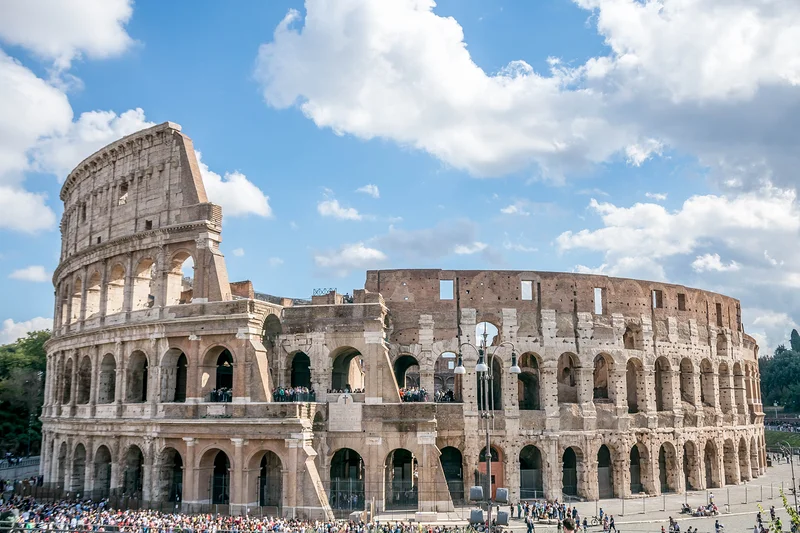
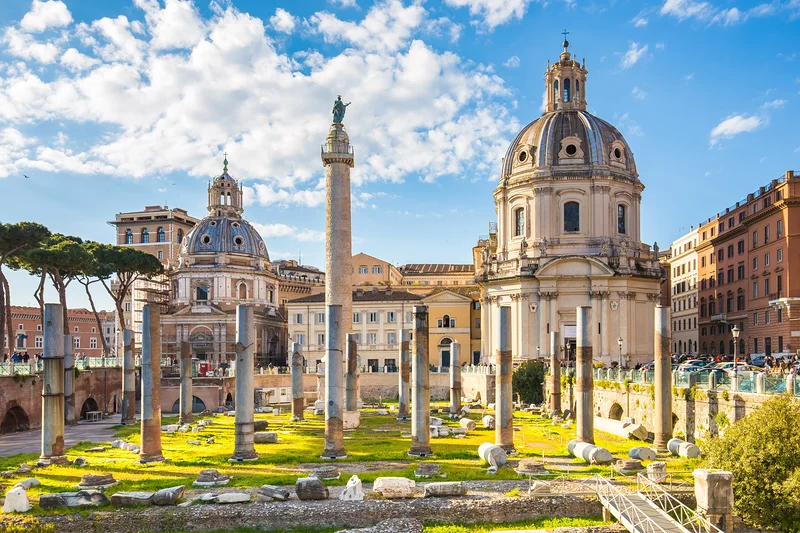
The Colosseum is just as imposing in person as it is in photos. Its 50,000 seats, labyrinthine corridors, and traces of its pulley systems hint at the sheer scale of the spectacles that took place there. Right next door, the Forum romain (Roman Forum) displays the ruins of what was once the political heart of the Empire. A combined ticket covers both sites plus the Palatin (Palatine Hill) and is valid for 24 hours.
Friend's tip: Reserve your tickets online, it is mandatory, and choose a slot before 9 AM or after 3 PM. Lines easily exceed an hour in the middle of the day. The first Sunday of the month, entry is free for state museums, but the crowds are even worse.
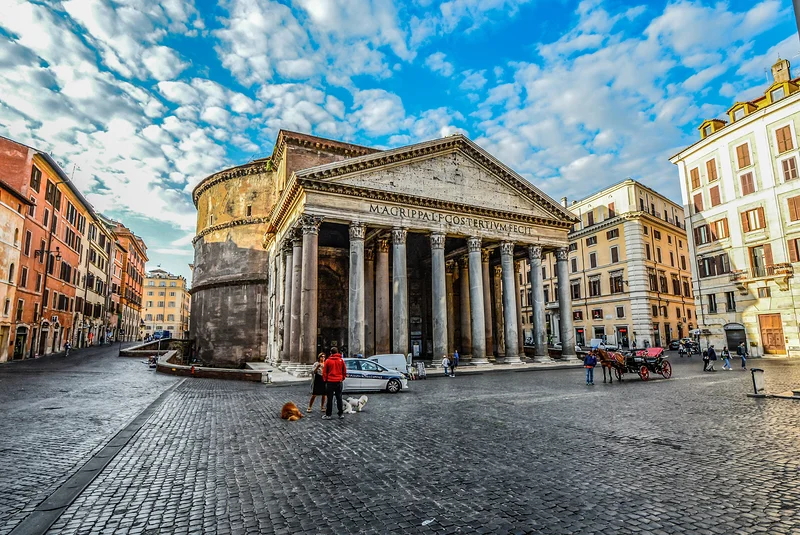
The Panthéon (Pantheon), a ten-minute walk away, remains one of the best-preserved ancient buildings in the world. Its dome, 43 meters in diameter and pierced by a 9-meter oculus, lets in a shaft of natural light that sweeps across the interior throughout the day. Entry has cost €5 (about $5.50) since 2023. It is a small price to pay for the experience.
Trastevere, Monti, Testaccio: three neighborhoods, three vibes
Trastevere, across the Tiber, is the neighborhood every guidebook recommends for its village atmosphere. A caveat: at night, the narrow streets around Piazza di Santa Maria are swamped. To find some peace, head south toward Via di San Francesco a Ripa. The trattorias there are cheaper and the terraces less crowded.
The Monti neighborhood, once a working-class stronghold that has become a hub for designers and wine bars, offers a completely different look. Via del Boschetto is packed with independent boutiques and cafes where locals actually hang out. It is also the ideal base for walking to the Colosseum or Termini station.
Testaccio is the neighborhood for people who take eating seriously. The former slaughterhouse district now houses the Mercato Testaccio, an indoor market where you can find some of the best carbonara and cacio e pepe in the city, served at Formica counters for reasonable prices.
Surprises the guidebooks miss
The Coppedè neighborhood, tucked between Via Tagliamento and Piazza Buenos Aires, feels like a fantasy movie set. The buildings blend Art Nouveau, Gothic influences, and medieval motifs into a completely unique aesthetic. We think it is one of the most photogenic corners of the city, yet it remains nearly deserted.
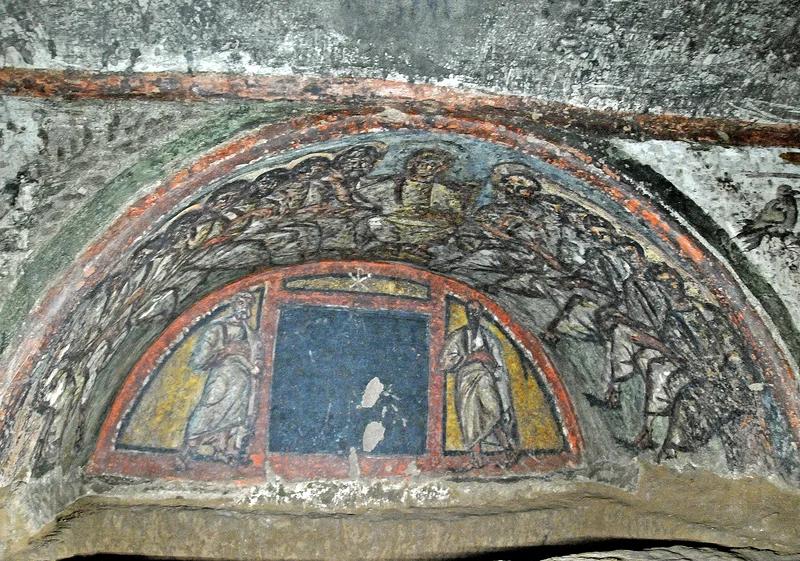
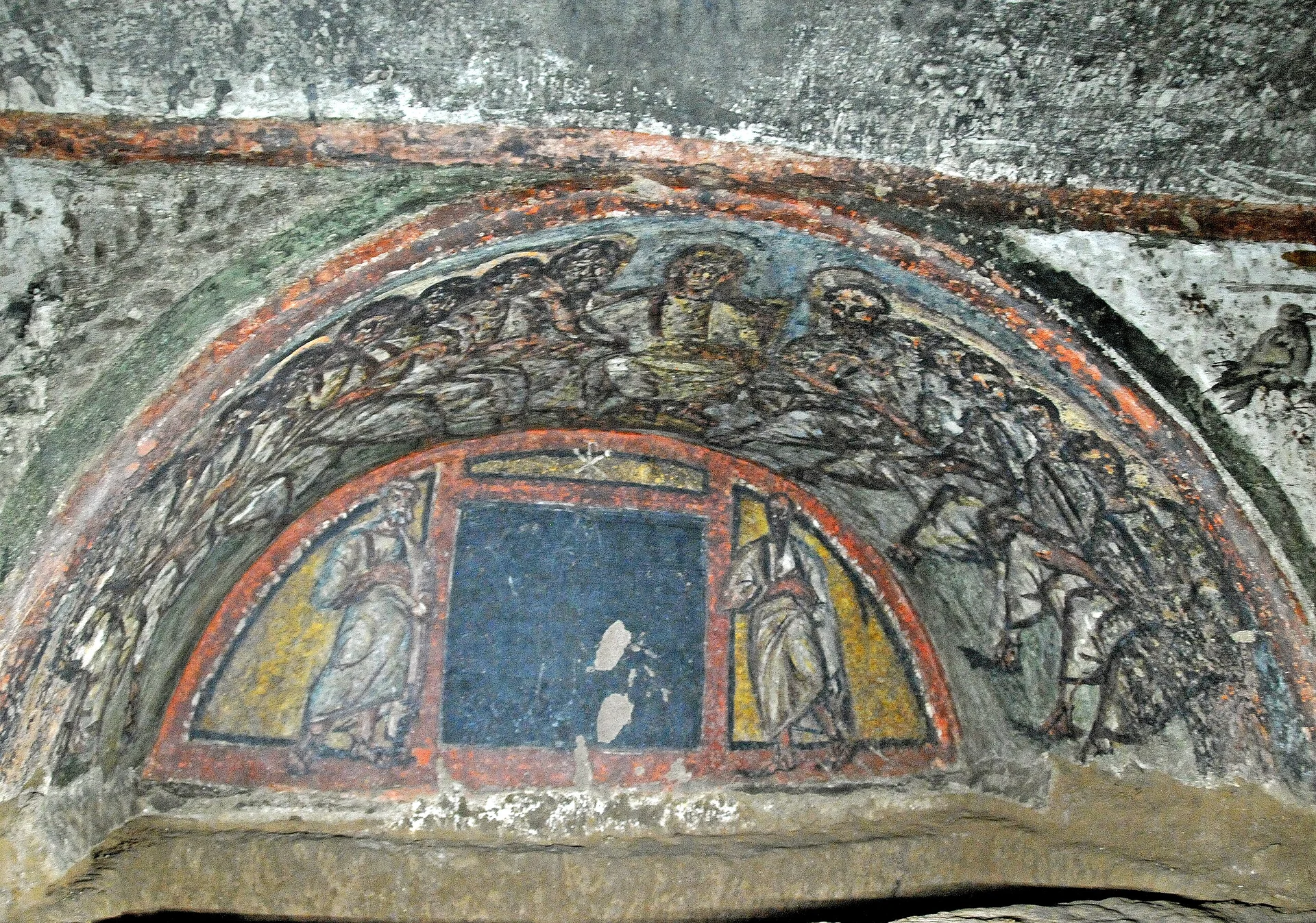
On the Aventin (Aventine Hill), the famous Knights of Malta keyhole perfectly frames the dome of Saint-Pierre (St. Peter's Basilica) through a hedge of cypresses. Just nearby, the Giardino degli Aranci (Orange Garden) offers a panoramic view of the city that is perfect at sunset. For something underground, the Basilique San Clemente (Basilica of San Clemente) descends three levels, from a medieval church down to a 2nd-century Mithraic temple.
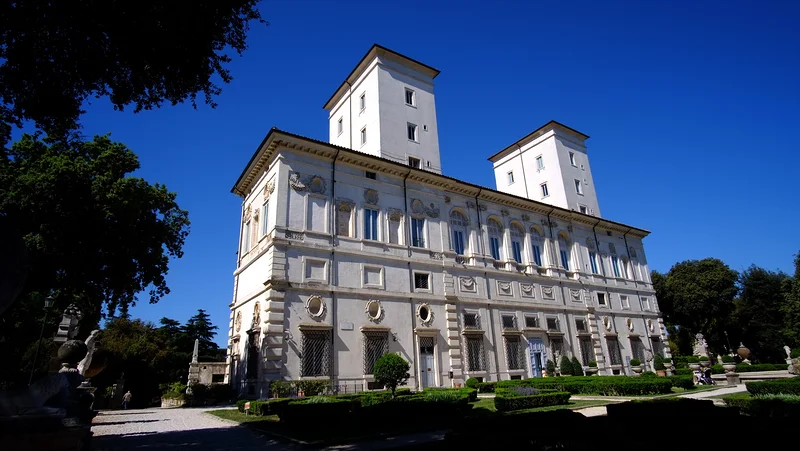
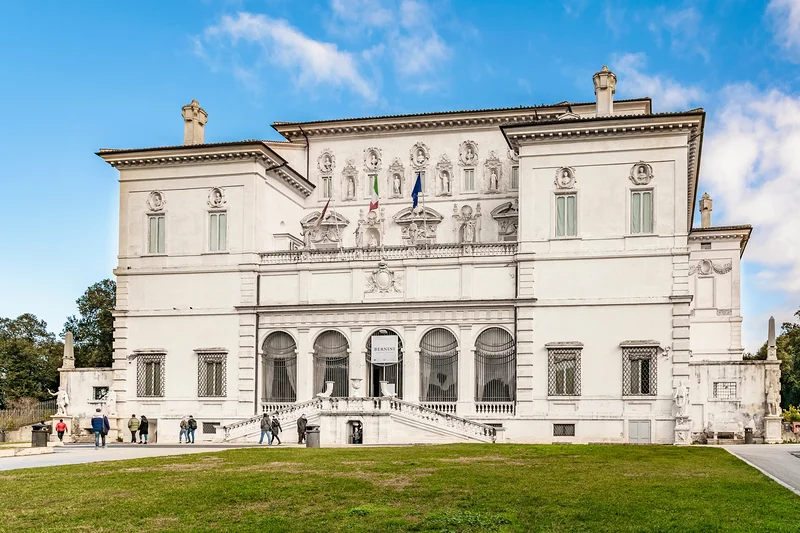
The Villa Borghèse (Villa Borghese), a vast park north of the center, houses one of the most remarkable museums in Italy. The Galleria Borghese (Borghese Gallery) displays works by Bernini, Caravaggio, and Raphael in an intimate setting. Reservations are mandatory for two-hour time slots.
Fountains, squares, and sunset strolls
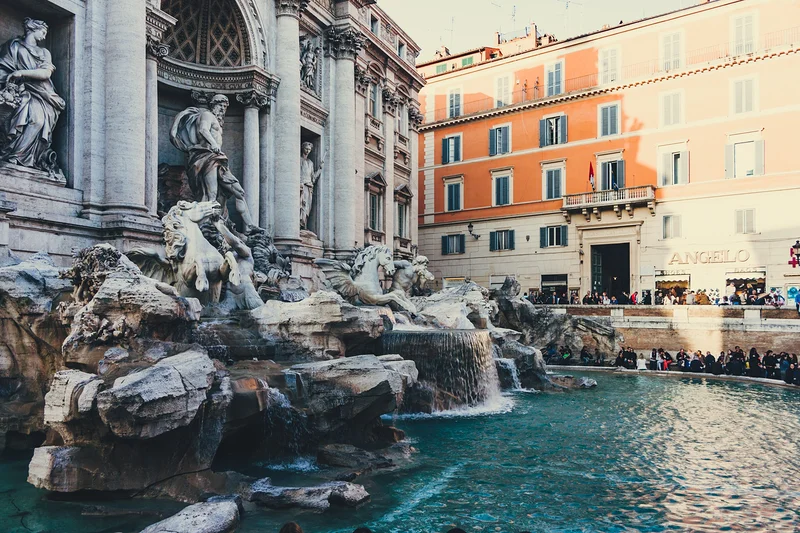
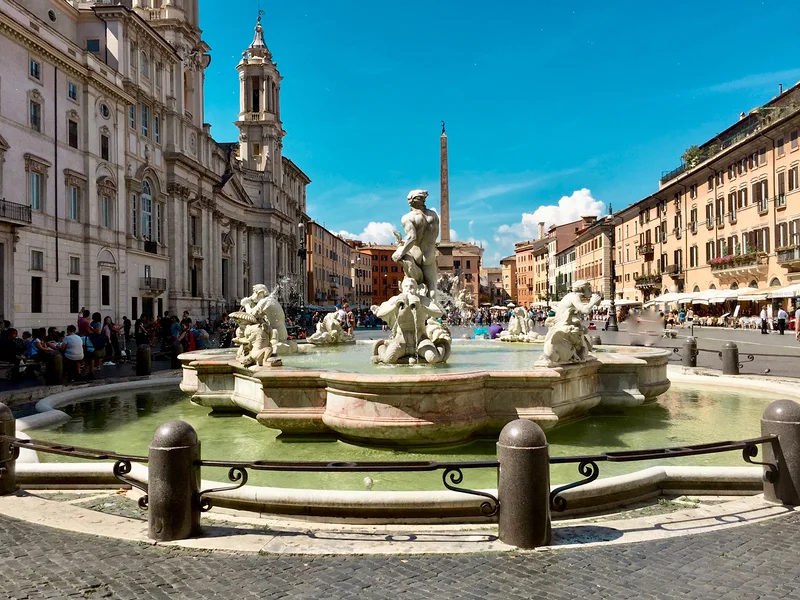
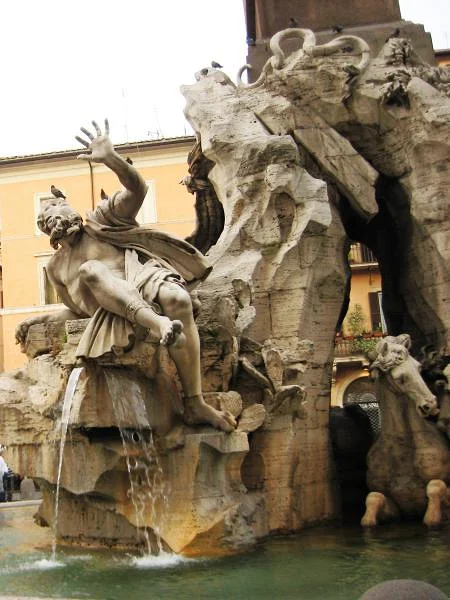
The fontaine de Trevi (Trevi Fountain) is spectacular, but the experience is ruined during the day by a dense crowd. Come after 10 PM: night lighting turns the marble to gold, and the plaza finally clears out. Piazza Navona, with its Bernini fountains and Baroque facades, is more pleasant in the late afternoon when the low light stretches shadows across the cobblestones.
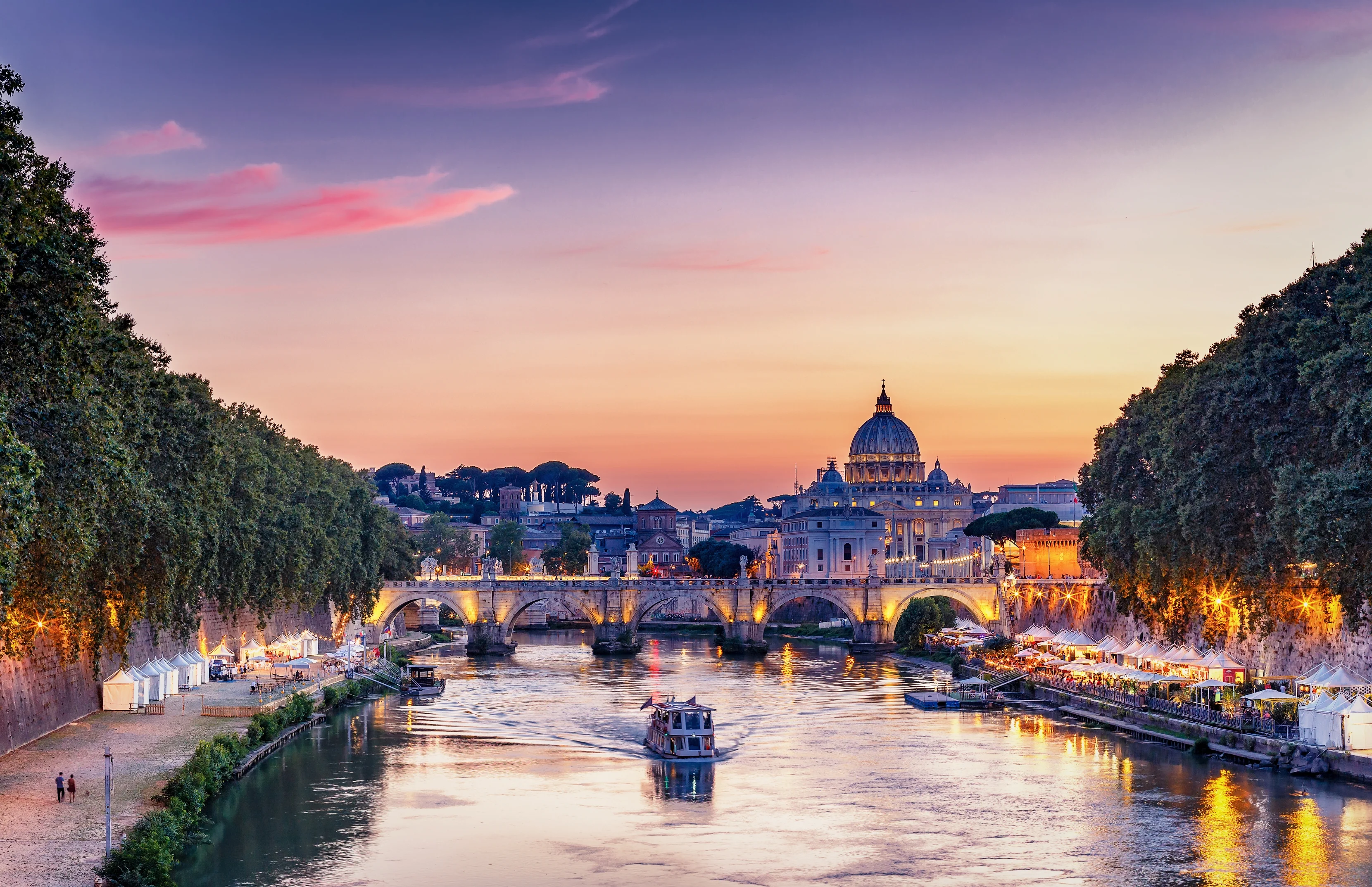
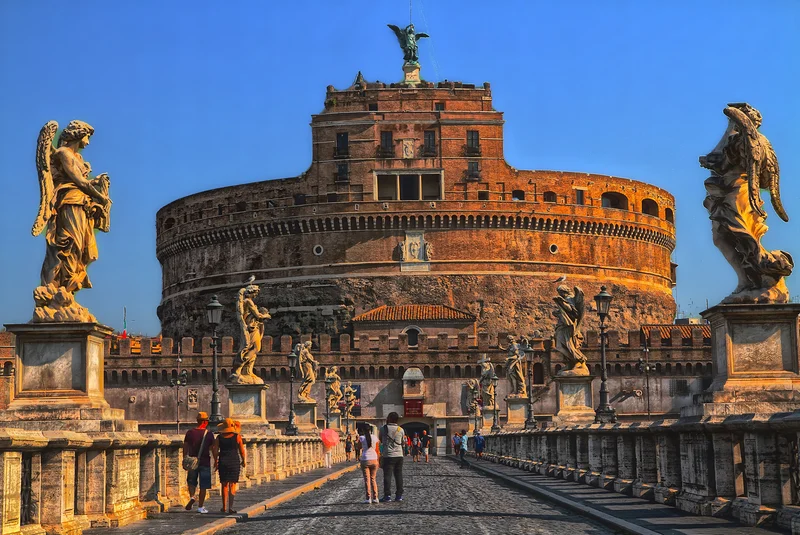
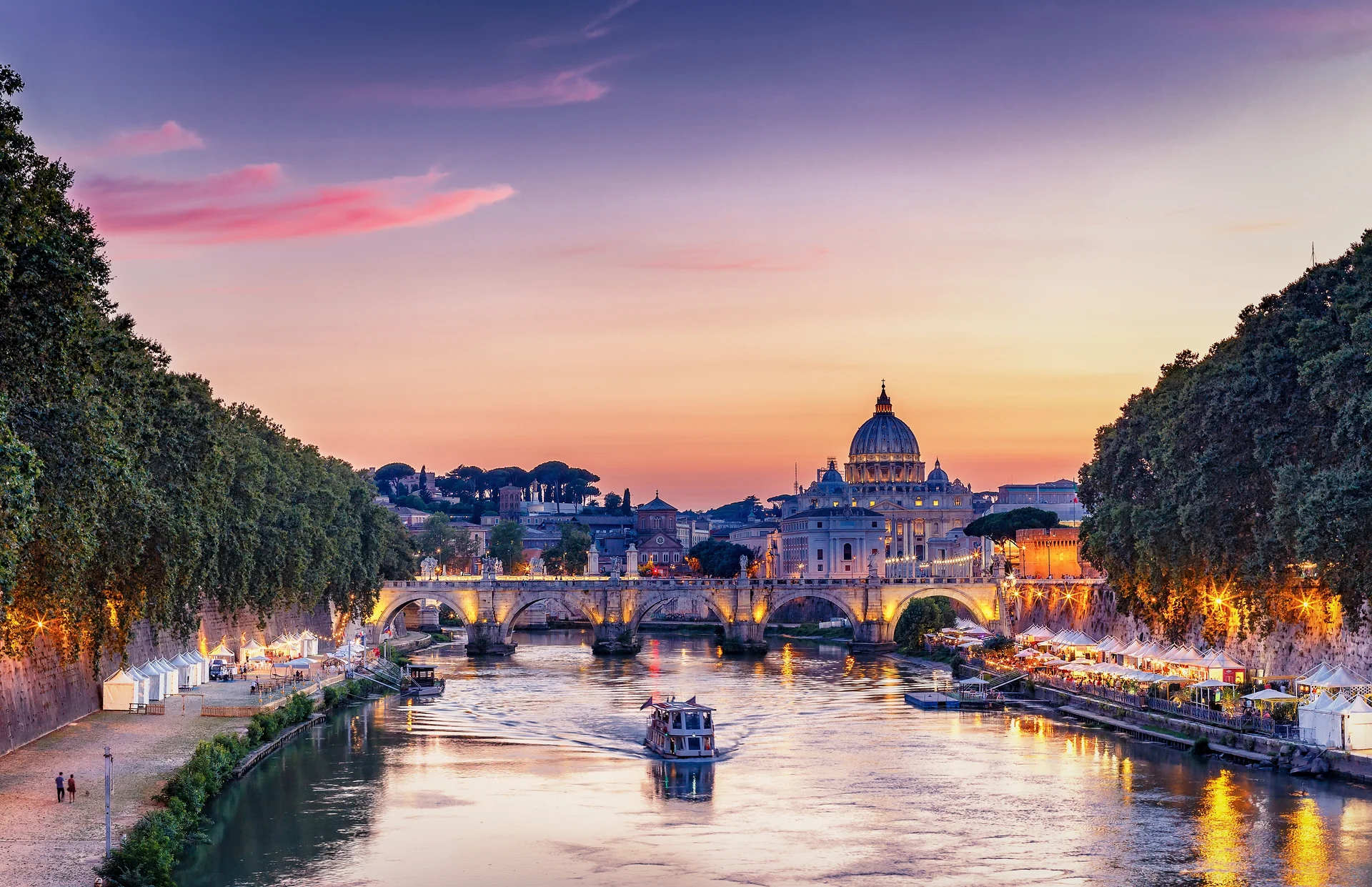
Piazza di Spagna (Spanish Steps) and its monumental staircase leading up to the Trinità dei Monti church remain a must-see. For a less typical walk, head along the Tiber at dusk from the Ponte Sant'Angelo to the Ponte Sisto. The golden light on the ochre facades is worth more than any monument.
Where to eat and drink in Rome?
Roman cuisine relies on a few pillars: carbonara made with guanciale and pecorino romano, cacio e pepe of deceptive simplicity, and amatriciana spiced with tomato and chili. The supplì, a rice croquette stuffed with gooey mozzarella, is the king of street food. For something sweet, the maritozzo, a split brioche filled with a mountain of whipped cream, is the perfect companion to a morning coffee.
Friend's tip: Order your coffee standing at the counter, like the locals. The price jumps from €1.20 (about $1.30) to €3 or €4 (about $3.25-$4.35) as soon as you sit on a terrace. And if a basket of bread arrives without you asking, know that it will be charged: say "no pane" to avoid the surprise.
Some reliable spots: Roscioli in the historic center for its pasta and wine cellar, Da Enzo al 29 in Trastevere for no-frills Roman cooking, Pizzarium near the Vatican for the best pizza al taglio in town, and Trattoria Pennestri in Testaccio for a refined take on classics. Avoid restaurants that display photos of their dishes on the storefront: it is a reliable red flag.
Where to stay in Rome?
The Centro Storico offers the best proximity to the sights, but prices climb quickly. The Monti neighborhood is an excellent compromise: central, well-connected, and filled with local life. Trastevere is tempting for its nightlife, but the noise can be an issue. For better rates, look toward San Giovanni, Pigneto, or Ostiense, all well-connected by subway and bus.
In high season and during the Jubilee, booking 2 to 3 months in advance is not overkill. Apartment rentals are often more cost-effective than hotels for stays longer than 3 nights, especially for families.
How to get to Rome?
Fiumicino airport, the main hub, is connected to the center by the Leonardo Express, a direct train that reaches Termini station in 32 minutes for €14 (about $15). Departures run every 15 minutes. A more budget-friendly option is the FL1 regional train, which stops at Trastevere, Ostiense, and Tiburtina for about €8 (about $9). From Ciampino, the low-cost airport, shuttle buses reach Termini in 40 minutes for €5 to €7 (about $5.50-$7.50).
By rail, the Frecciarossa high-speed line connects Rome to Florence in 1h30, Naples in 1h10, and Milan in under 3 hours.
How to get around Rome?
The historic center is easily explored on foot. For longer distances, the ATAC network combines subway, bus, and tram. A single ticket costs €1.50 (about $1.65) and is valid for 100 minutes. The Roma Pass 72h for €52 (about $57) includes unlimited transport and free entry to two museums: a good deal if you are visiting the Colosseum and the Galleria Borghese.
Official taxis are white and bear the SPQR logo. A trip within the city center costs between €8 and €15 (about $9-$16). Uber operates in Rome, but only as Uber Black, which is more expensive than a standard taxi. Do not drive in the center: the ZTL (limited traffic zones) are monitored by cameras and generate hefty fines for non-residents.
When to go?
The best times are April-May and September-October: pleasant temperatures between 65 and 77 °F, ideal light, and manageable crowds. Summer is sweltering, crowded, and partially paralyzed around August 15 when locals leave the city and many restaurants close. Winter offers low prices and empty sites, but rain is frequent and the days are short.
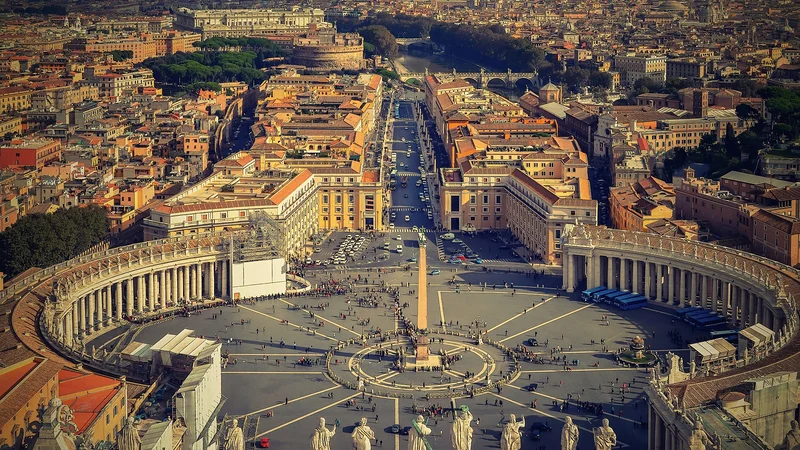
I loved wandering through the streets of Rome, even though the crowds are everywhere. In May, the weather is perfect, with sunshine and beautiful light, even if it is starting to get a little hot. You can walk for hours without getting tired of it, but it is impossible to see everything because the city is just packed with treasures. The monuments are impressive. I especially loved the Trevi Fountain and the Colosseum. The lively atmosphere in the squares and the Italian gelato really added to the charm of the trip. You would need to stay at least a week to see everything and visit a few museums.