
Where to stay in Normandy: the 7 areas to know in 2026
In Normandy the address matters less than the hour. Coaches drop their passengers at Mont-Saint-Michel, at Étretat and at Giverny in mid-morning and collect them before evening. What is left, daybreak and late afternoon, belongs to those who slept on the spot.
That is what twelve of our members say about the Mont alone: book your slot, come before the shops open, cross at low tide. Seven areas below, from the Cotentin to the Seine valley, each with the hour that changes everything. Off-season a decent room runs around $137*; in July the coast doubles the bill.
Compare hotel prices in Normandy
In a hurry? Find the best accommodation deals in 3 clicks.
Compare live deals from Booking, Expedia, Agoda and other partners.
Since the place is very touristy, you need to remember to book a time slot for your visit. I also recommend going early in the morning, as the experience without the crowds is on a completely different level.
One base or several?
Normandy stretches nearly two hundred miles, from Le Tréport to the Cotentin. A single base never covers both ends: here is how we split it up.
- A long weekend: One base, and you pick your theme: the Mont, the D-Day beaches, or the Seine valley. Wanting all three in three days means spending the trip in the car.
- One week: Two bases: Bayeux for the west (beaches and the Mont), then Rouen or the Côte Fleurie for the east. Two hours of driving between them, once only.
- Ten days: Three bases, west to east: the Cotentin or the Mont, then Bayeux, then Étretat or Rouen. Every leg stays under two hours.
- Two weeks: Four bases, slipping Suisse Normande in between west and east. It is the only length that lets you add the interior without cutting into the coast.
How much driving between two bases?
By car, outside July and August, and outside long holiday weekends on the Alabaster Coast, where our members report up to an hour of queuing to get near Étretat.
| Route | Driving time | Good to know |
|---|---|---|
| Bayeux → Le Mont-Saint-Michel | 1 hr 20 | 75 miles, no motorway on the last stretch |
| Bayeux → Omaha Beach | 20 min | The beach closest to town |
| Bayeux → Utah Beach | 45 min | The far end of the area |
| Bayeux → Caen | 30 min | Or 20 min by train, every hour |
| Caen → Deauville | 45 min | Via the A13 |
| Deauville → Honfleur | 20 min | 10 miles: the two go together |
| Honfleur → Etretat | 50 min | Over the Pont de Normandie and through Le Havre |
| Rouen → Giverny | 50 min | 45 miles along the Seine |
| Rouen → Etretat | 1 hr 20 | Via the A150, then the coast |
| Caen → Clécy | 40 min | The gateway to Suisse Normande |
| Bayeux → Barneville-Carteret | 1 hr 30 | Across the Cotentin peninsula |
At a glance: our picks by traveller type
Pick the profile that fits you and go straight to the recommended area.
Map of the areas in Normandy
See how the areas sit relative to one another before choosing your base. Click a name to jump to its description.
Mont-Saint-Michel and its bay The rock and the sands
to have the rock to yourself between the last coach and the first
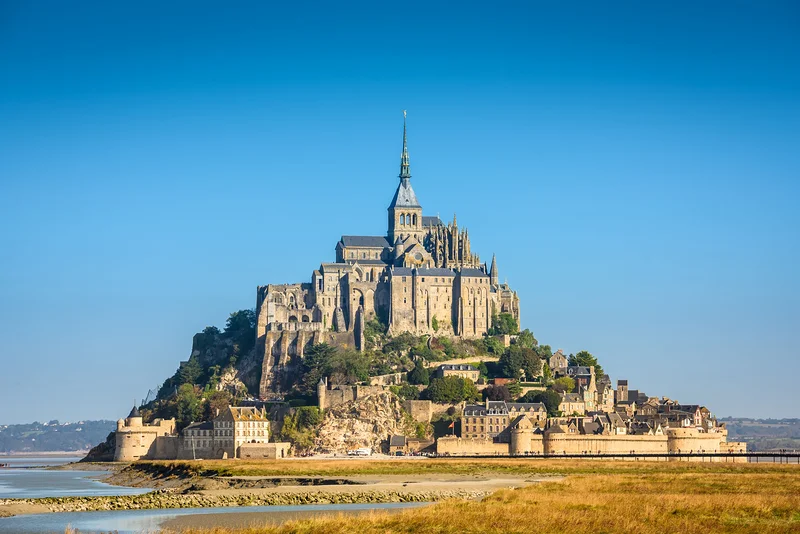
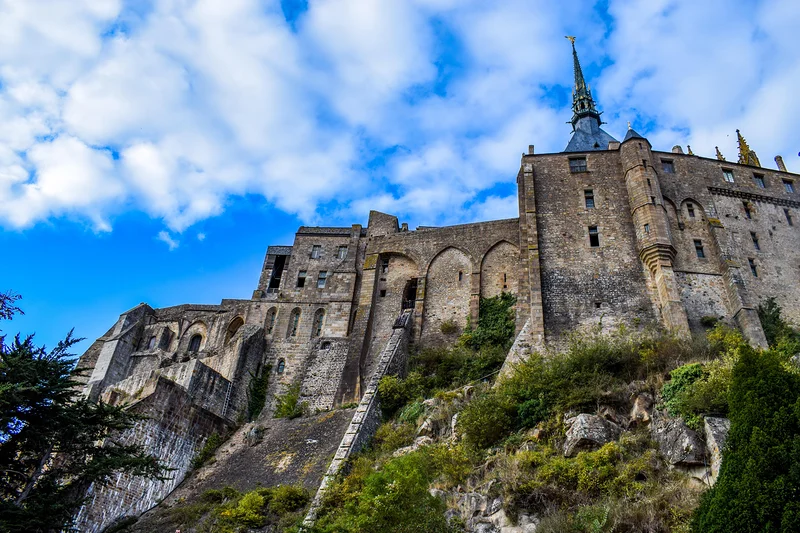
Two and a half million visitors a year climb the Grande Rue between ten in the morning and five in the afternoon. Sleeping inside the walls or at La Caserne buys you the two moments when it is empty: daybreak, when the shops are still shut, and the evening, when the abbey lights up above a deserted bay. The tide sets the rest of the programme: on spring tides the Mont becomes an island again, and the walk across the sands is done at low tide, with a guide. The trade-off is plain: about twenty rooms on the rock, and rates to match.
If you want to make the most of Mont Saint-Michel, I recommend renting a room in one of the nearby hotels. Stroll around late at night or early in the morning in the pleasant little streets of the Mont, when the shops are still closed.
The towns in this area
What to see and do in this area
Where to stay in this area
Hôtel La Mère Poulard Luxury
The historic address of the Mont, at the foot of the Grande Rue, with rooms looking onto the bay and the incoming tide. One of our members chose it to sleep there, and waking up facing the sands is what he remembers.
Le Mouton Blanc Mid-range
A fourteenth-century house halfway up the slope, below the abbey. You sleep inside the walls, which is the only way to be outside when the coaches have not yet arrived.
Hôtel Vert Budget
A mile away, at La Caserne, where the shuttles leave every few minutes. The compromise for sleeping close without paying for the rock.
Pros
- Empty lanes before nine in the morning and after six in the evening
- The abbey lit up, seen from the bay, at night
Cons
- Very few rooms on the rock, and prices that follow
- The lanes in the middle of the day, which our members compare to a rush-hour subway
Bayeux and the D-Day beaches The Bessin
to visit the beaches without driving two hours morning and evening
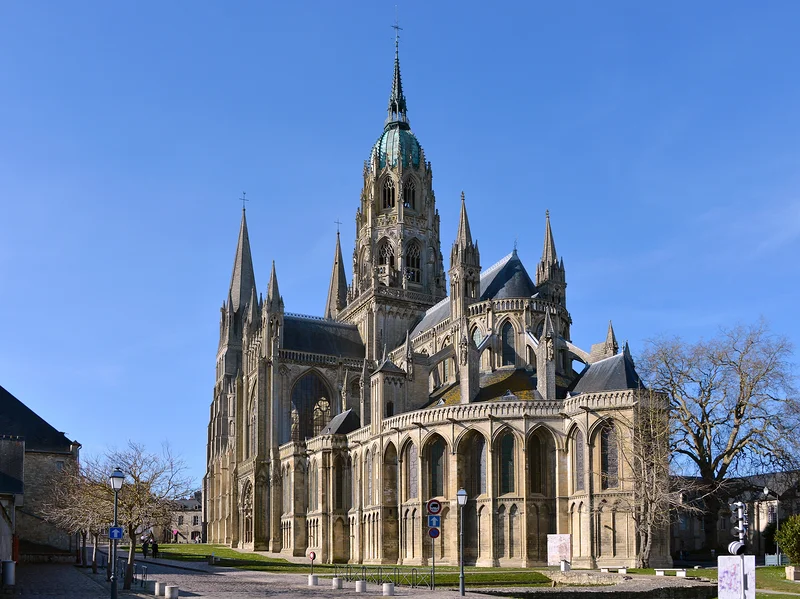
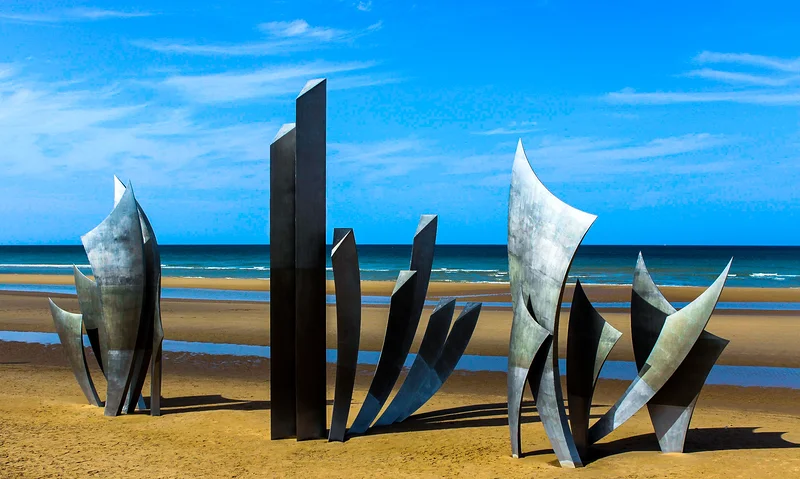
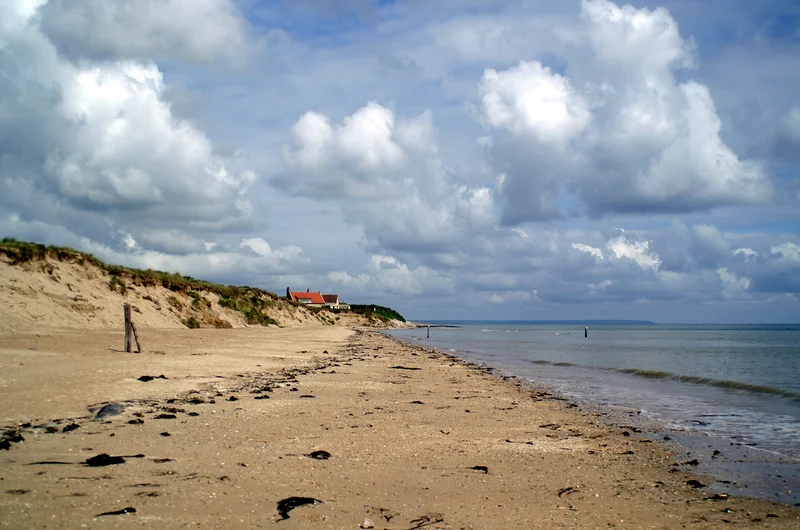
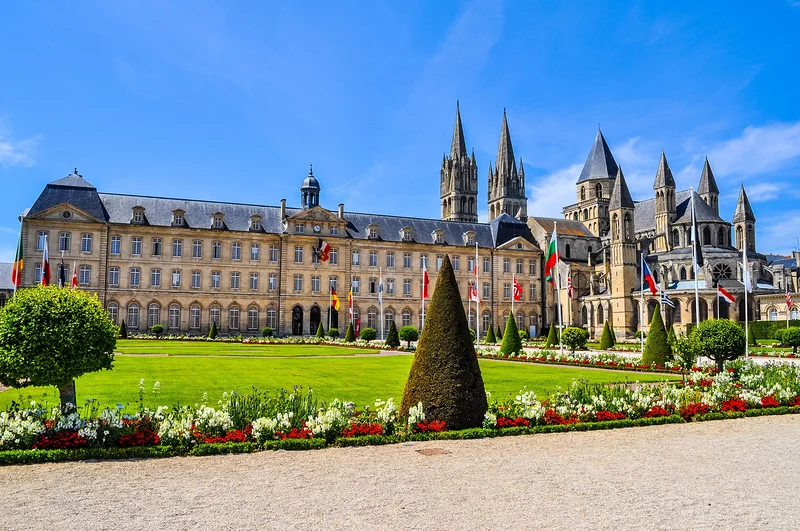
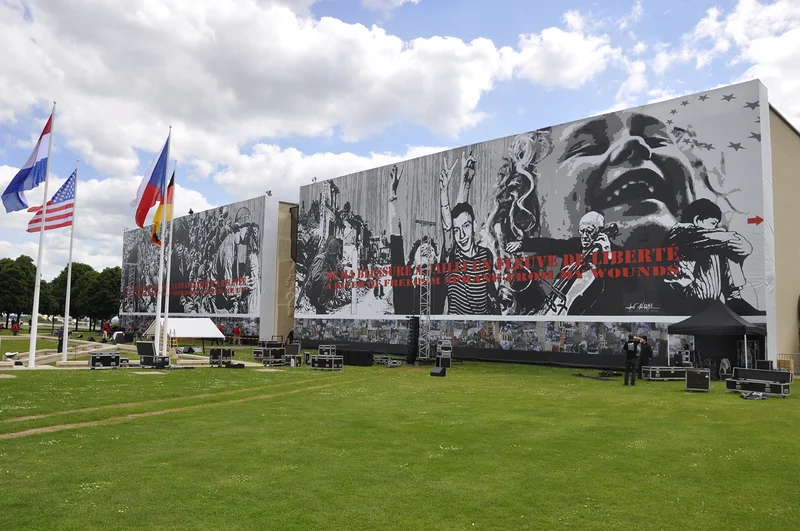
Bayeux is the only town in the area that escaped the bombings: its medieval center, its cathedral and its sixty-eight-metre tapestry are intact. It is also the best-placed base for the beaches, Omaha twenty minutes away and Utah forty-five. Caen, twenty miles off, carries the other half of the story with its Memorial. The drawback of the area lies in how much there is to see: the museums close early, and a day covers no more than three of them.
Unlike other cities of the same type, you will not find an old center here with a harmonious collection of ancient houses and picturesque narrow streets. The reason? The bombings from the D-Day landings.
The towns in this area
What to see and do in this area

Where to stay in this area
Villa Lara Luxury
Facing the eleventh-century cathedral, two minutes on foot from the tapestry. Twenty-eight rooms, a garden on the Aure, and the whole center below the windows.
Domaine de Bayeux Mid-range
An eighteenth-century house in the center of Bayeux, in a tree-planted park. Large rooms, parking on site, which counts when you leave early for the beaches.
Hôtel d'Argouges Mid-range
An eighteenth-century mansion with a cobbled courtyard and a walled garden, five minutes from the cathedral. Quiet despite the center, and breakfast served early enough to hit the road.
Pros
- An intact medieval center, rare on this coast
- Omaha twenty minutes away, Utah forty-five
- A station on the Paris to Cherbourg line
Cons
- The museums close early: three visits a day at most
- Few tables serving after nine in the evening off-season
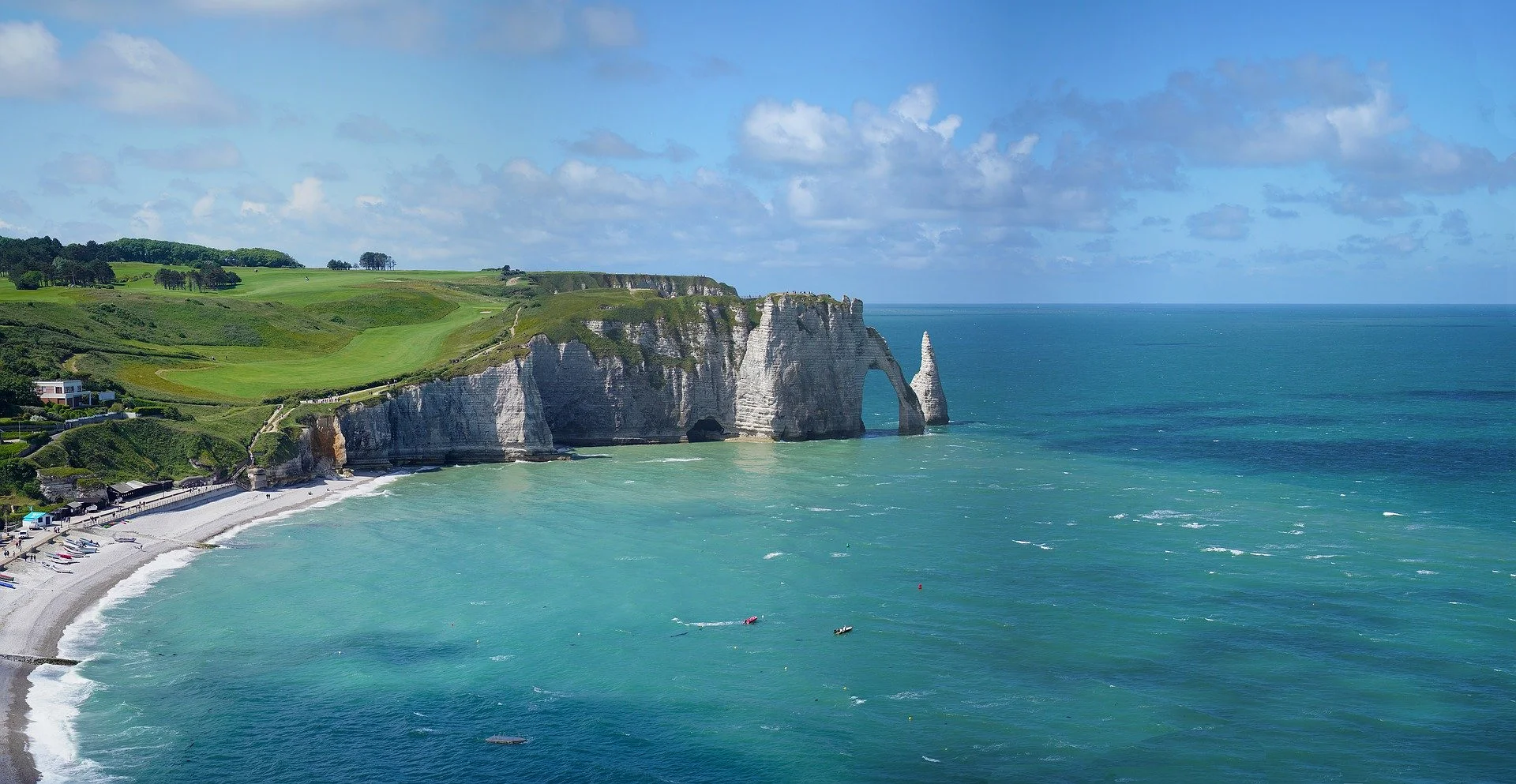
The Alabaster Coast Étretat, Le Havre, Le Tréport
for the cliffs at the hour when the parking lots are still empty
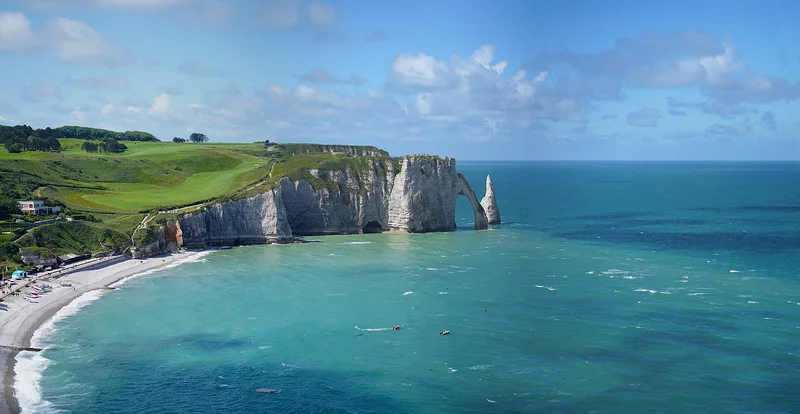
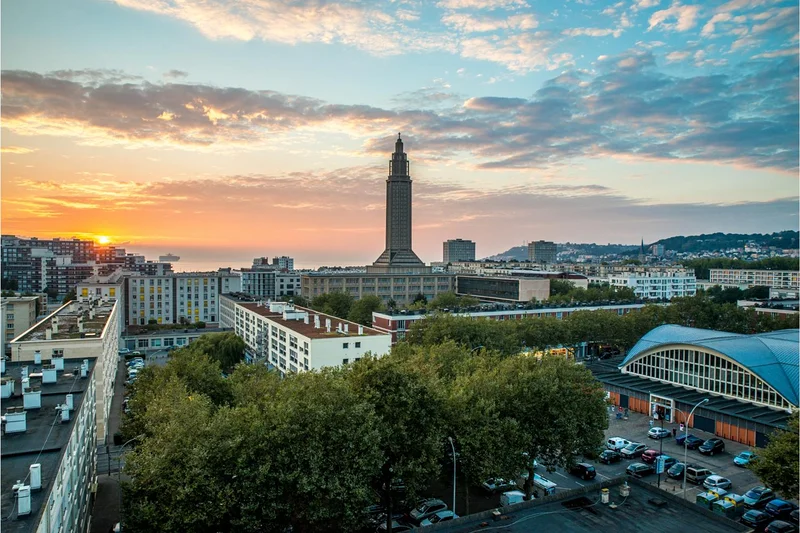
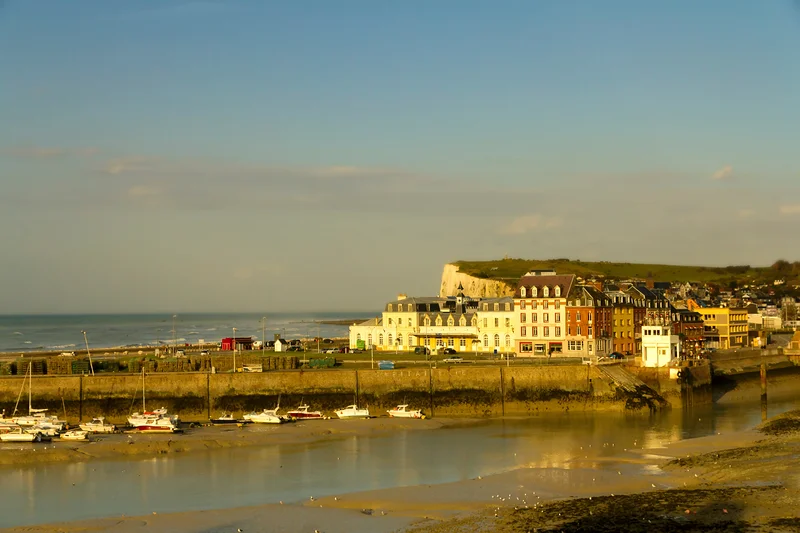
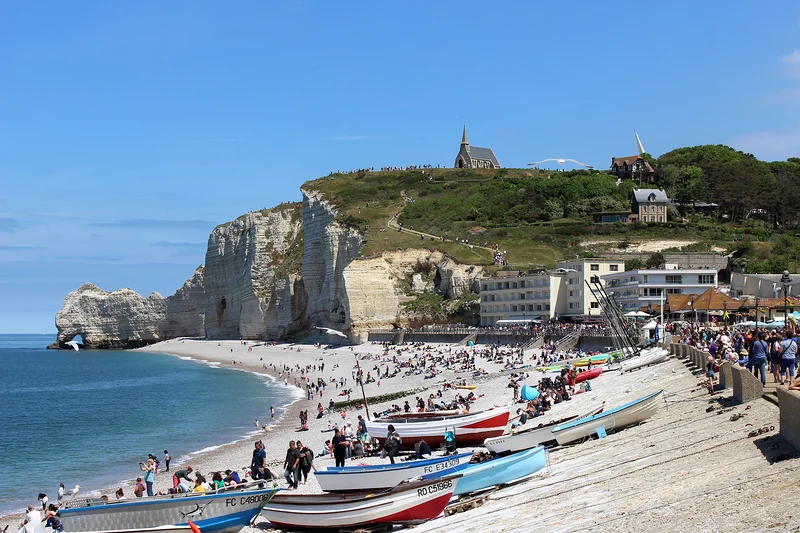
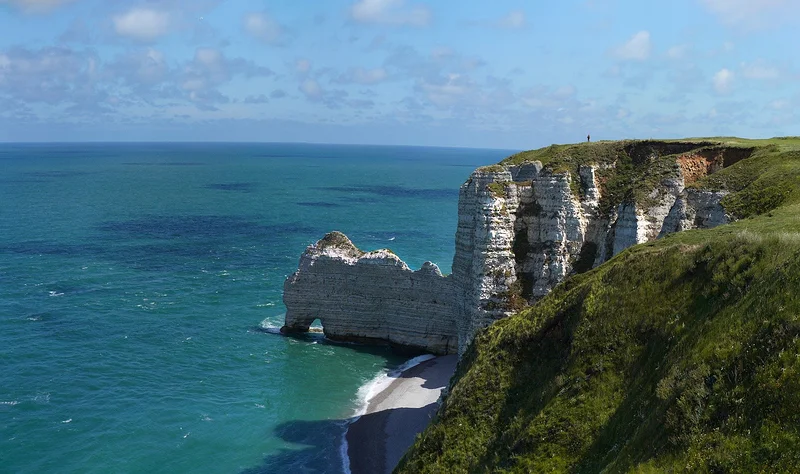
Eighty miles of white chalk falling into the Channel. Étretat is its most photographed point, and its most saturated: our members describe an hour of traffic on a long holiday weekend, and all of them advise weekdays and the off-season. The two cliffs, the Aval and the Amont, are climbed on foot from the village in twenty minutes. Further along, Le Havre and its listed post-war reconstruction, Le Tréport and its funicular, both far less busy. The wind is not negotiable: this coast is exposed all year round.
I made the mistake of driving there during a long holiday weekend. As a result, it took nearly an hour of sitting in traffic just to get near the center and park outside the town. The city severely lacks the infrastructure to handle constant flows of tourists, so you should really choose to visit during the week and off-season.
What to see and do in this area
Where to stay in this area
Le Rayon Vert Mid-range
On the seafront, in a nineteenth-century building, with rooms looking onto the beach and the cliffs. You step out of the lobby and you are at the foot of the Aval climb.
Hôtel d'Angleterre Etretat Budget
An 1850 house four minutes on foot from the cliffs, in the middle of the village. The sensible option for being on the spot at daybreak.
Villa Ancestor - Etretat Mid-range
Four minutes from the beach, with a garden, a terrace and above all private parking: the only way not to circle for an hour on busy days.
Pros
- Both cliffs on foot from the village
- Le Havre and Le Tréport, the same coast without the crowd
Cons
- Étretat saturated on long weekends and all summer
- Little to do in the village beyond the cliffs
Rouen and the Seine valley The Normandy of the painters
for a city of art an hour and a half from Paris by train
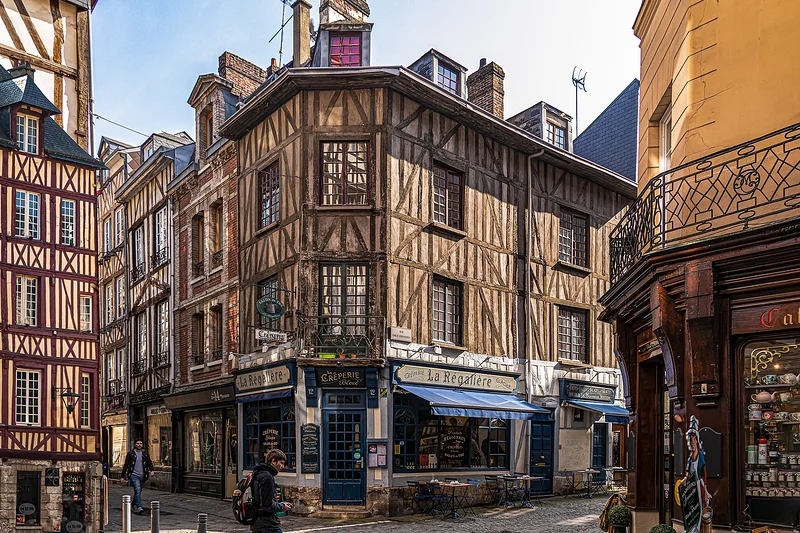
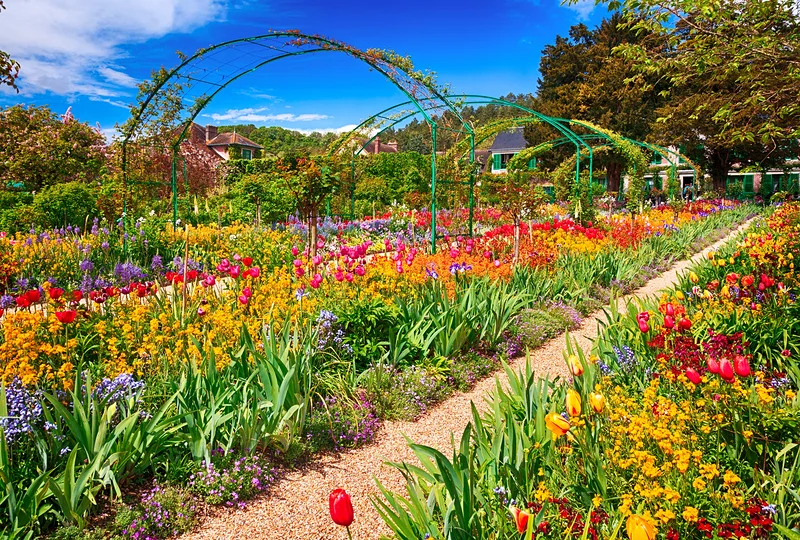
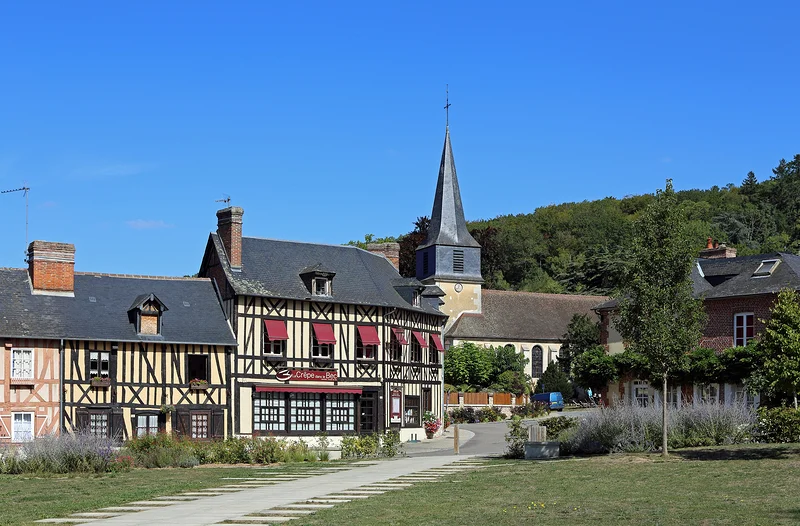
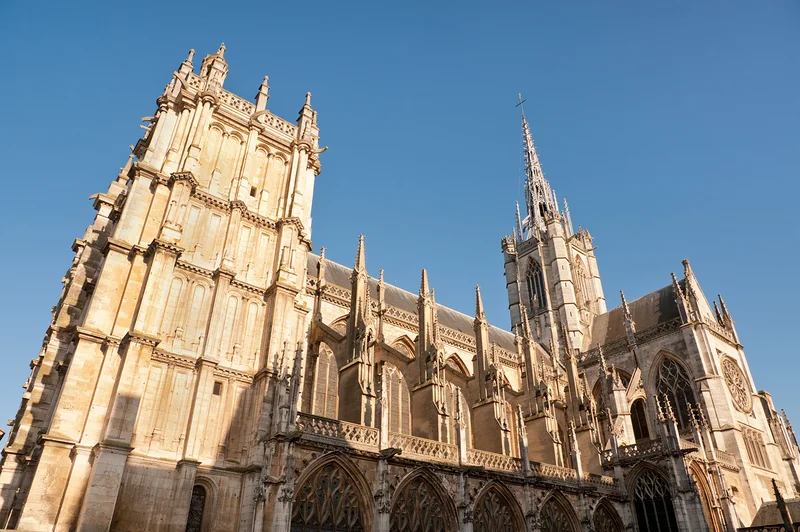
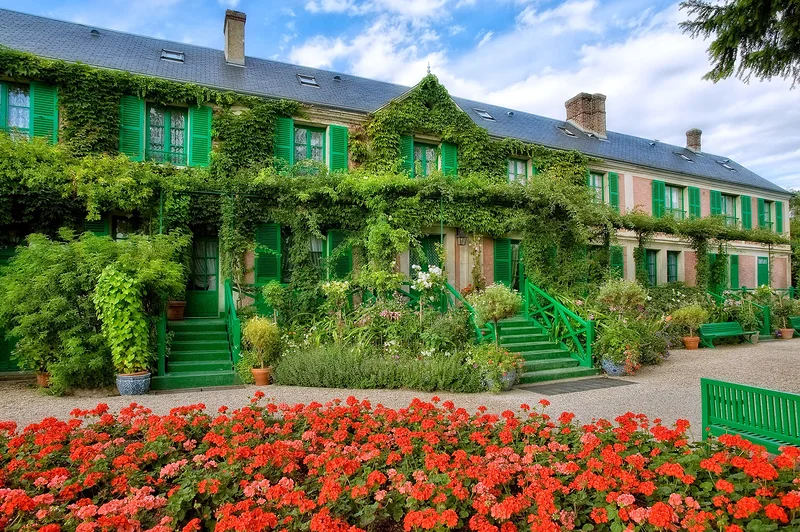
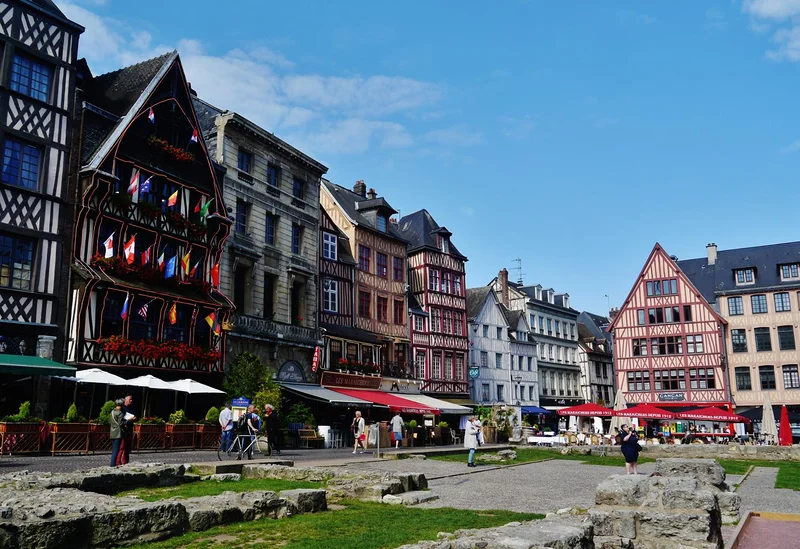
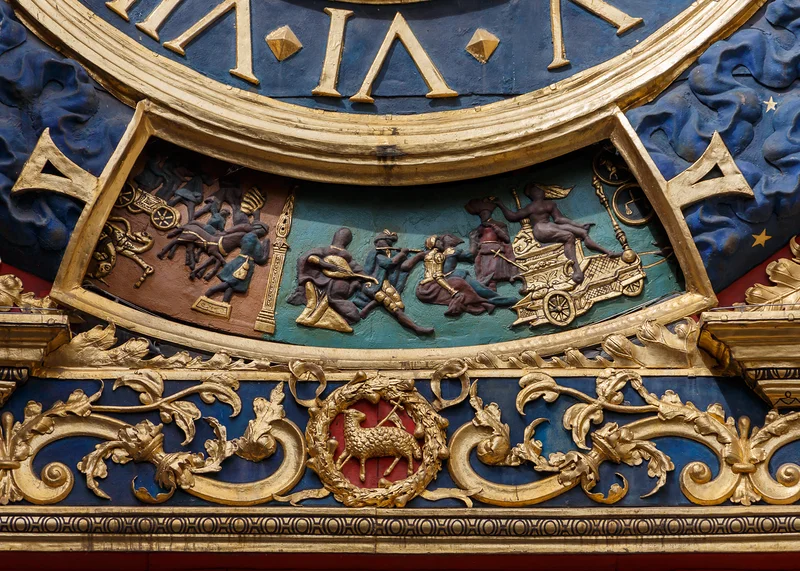
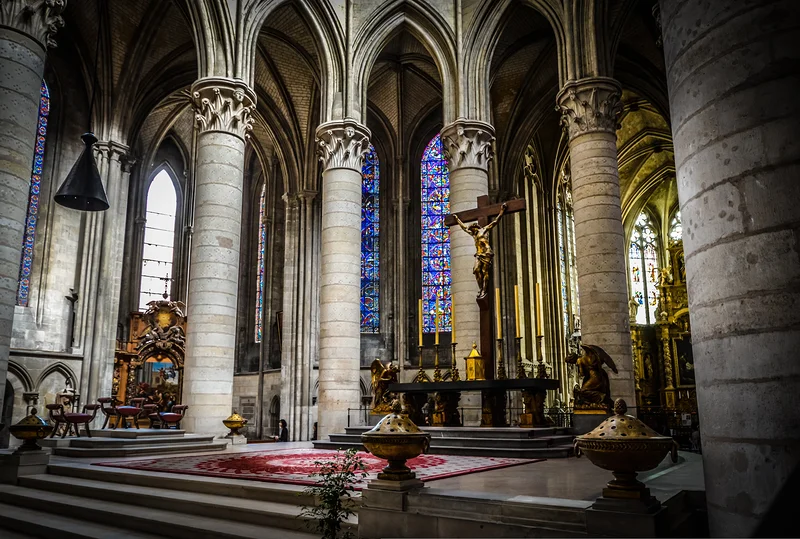
The cathedral Monet painted thirty times, the Gros-Horloge, the place du Vieux-Marché and close to two thousand half-timbered houses: Rouen is visited entirely on foot and reached by train. Downstream, Giverny and Monet's garden, where booking is compulsory and the coaches arrive at ten; upstream, the abbey of Le Bec-Hellouin and its timber-framed houses. Two reservations: Giverny closes from November to March, and its tables are expensive, which our members point out bluntly.
A city you hear very little about, yet the old center is full of charm, especially around the Gros Horloge square.
The towns in this area
What to see and do in this area
Where to stay in this area
Hôtel de Bourgtheroulde Luxury
A Renaissance mansion listed as a historic monument, on the place de la Pucelle, with seven hundred square metres of spa and an indoor pool. The Gros-Horloge is three minutes away on foot.
Mercure Rouen Centre Cathédrale Mid-range
A hundred and fifty metres from the cathedral, in the middle of the half-timbered houses. The practical choice for arriving by train and doing everything on foot.
Hôtel Restaurant La Musardière Mid-range
On rue Claude Monet, two hundred metres from the garden, in a nineteenth-century house. Sleeping in Giverny is the only way to be there at opening, before the ten o'clock coaches.
Pros
- All of old Rouen on foot, station included
- Restaurant prices our members find reasonable
- Giverny forty minutes away by road
Cons
- Giverny closed from November to March
- Expensive tables in Giverny itself
The Côte Fleurie Honfleur, Deauville, Trouville, Cabourg
for the boardwalk, the villas and the harbors, four resorts apart
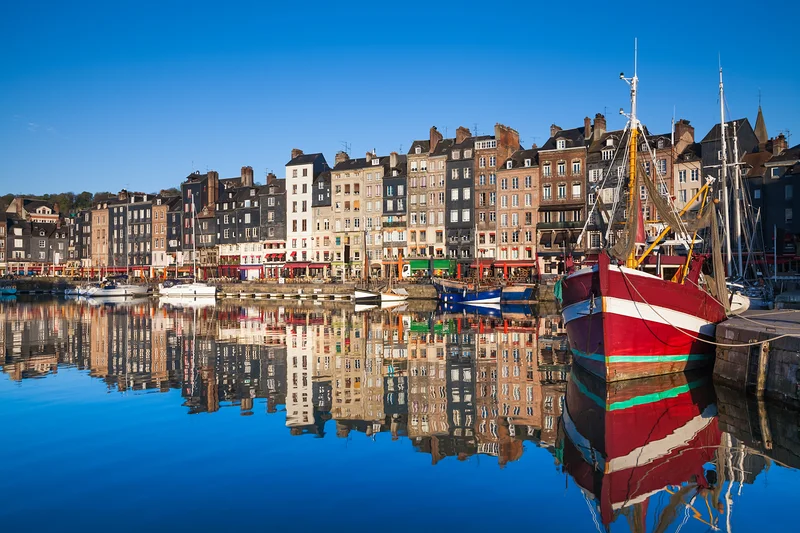
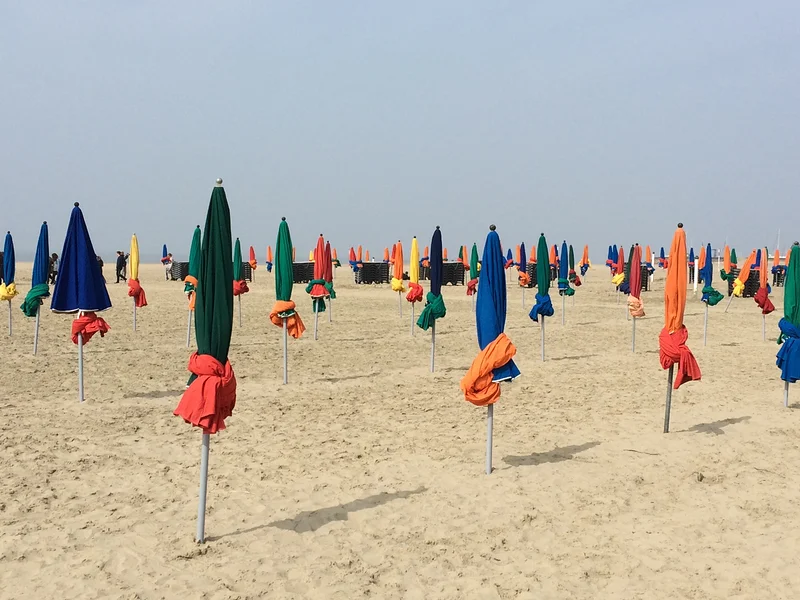
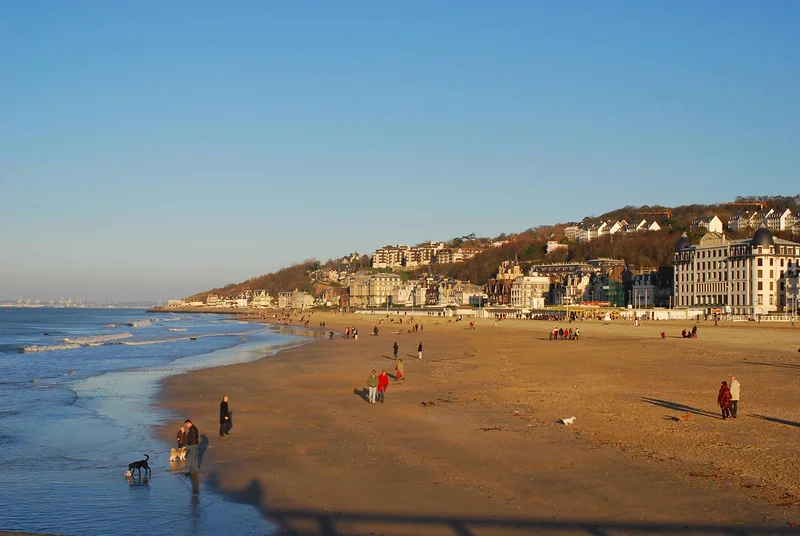
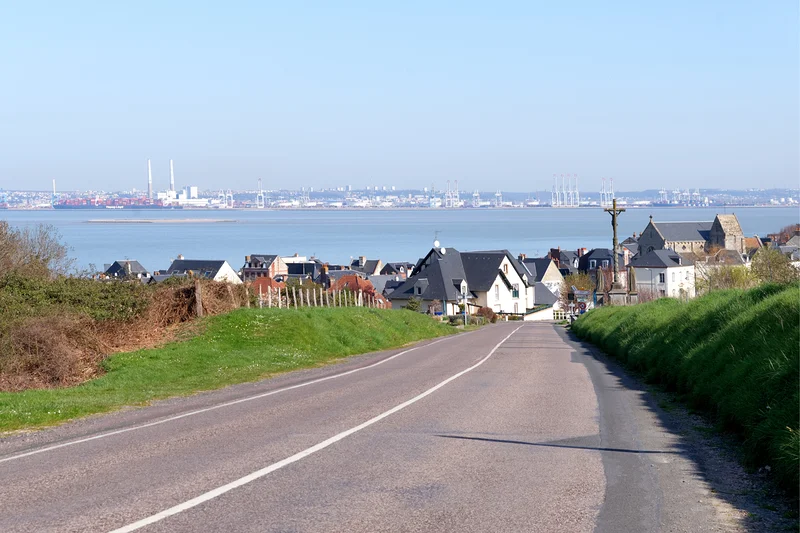
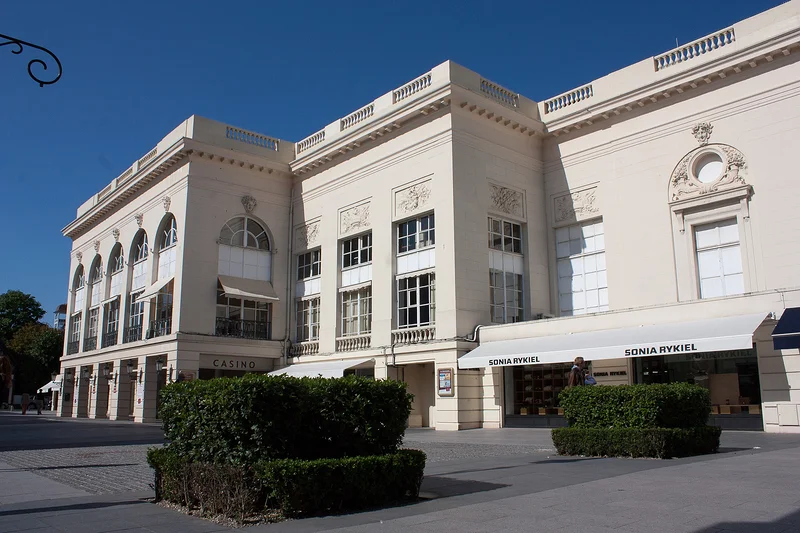
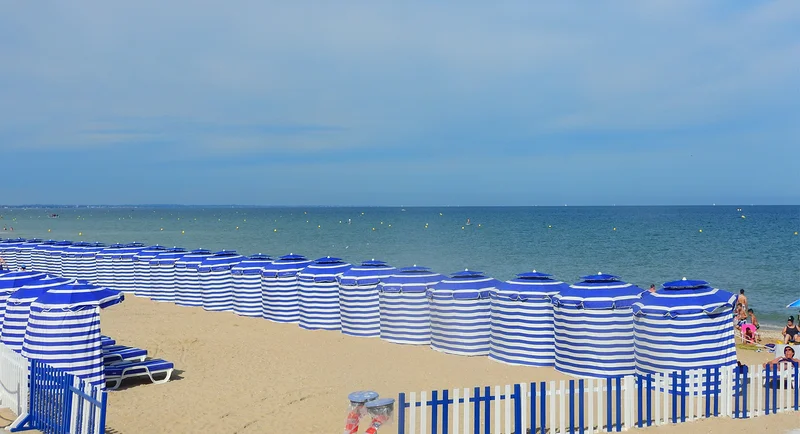
Four resorts within twelve miles, and four moods. Honfleur and its old dock ringed with slate-fronted houses, Deauville and its boardwalk, Trouville more down-to-earth on the other side of the Touques, Cabourg and its Belle Époque seafront. One of our members sums up the rhythm of the area: very busy in season, almost dead off-season, and it is precisely off-season that you get to see the villas. Worth knowing: Deauville's August rates bear no relation to its February ones.
Deauville is particularly busy in season, but almost dead during the off-season. For me, the treasures of this city are the sumptuous villas that you can discover in the residential neighborhood.
The towns in this area
What to see and do in this area
Where to stay in this area
La Maison de Lucie Luxury
An eighteenth-century house in the historic center of Honfleur, steps from the old dock. Twelve rooms, a vaulted cellar turned into a spa, and the harbor at the end of the street.
Le Trouville - Hotel de Charme Mid-range
In the center of Trouville, fifty metres from the beach and two minutes from the bridge to Deauville. You get both banks without paying the rates of the second.
ibis Honfleur Budget
Simple rooms, a reception open at night and free private parking, on the way out of Honfleur. The useful fallback in August, when the center is full.
Pros
- Four resorts less than twenty minutes from each other
- Two hours from Paris by train, no car needed
Cons
- August rates unrelated to the rest of the year
- A very quiet coast from November to March
The Cotentin The west coast, the havens
for a coast without crowds, even in August
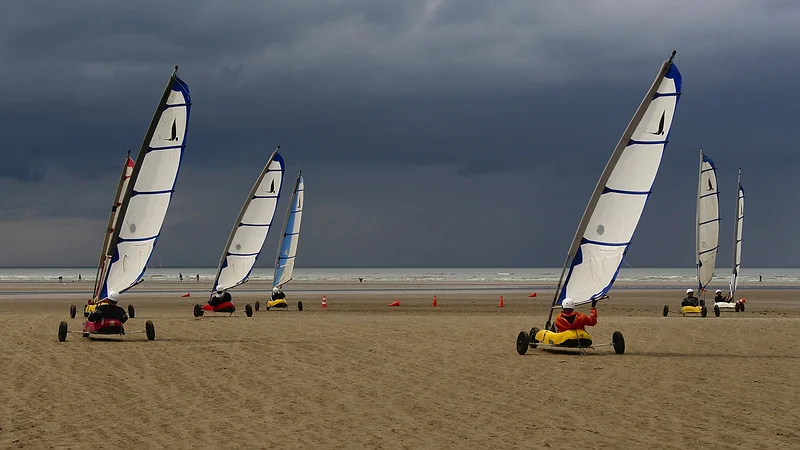
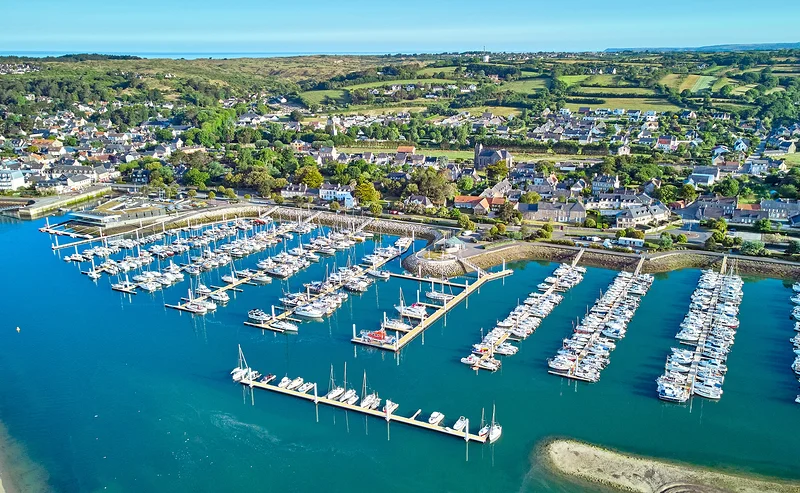
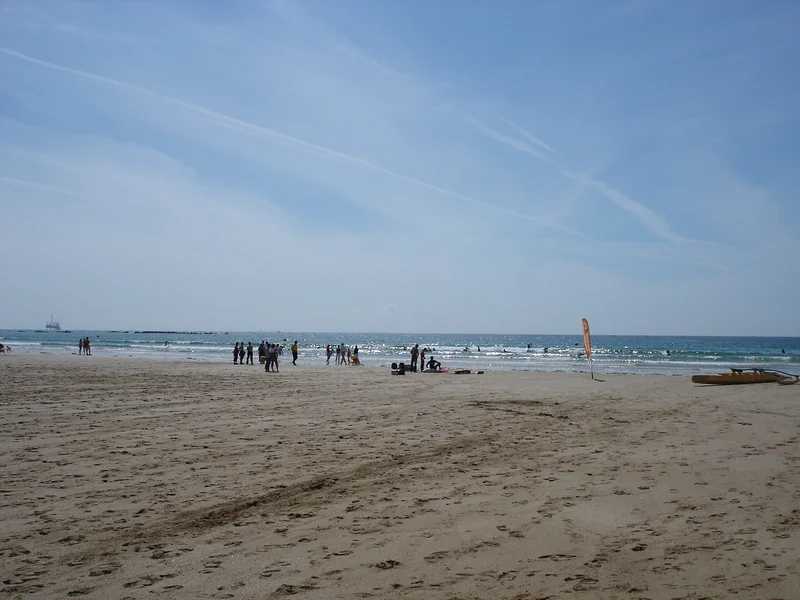
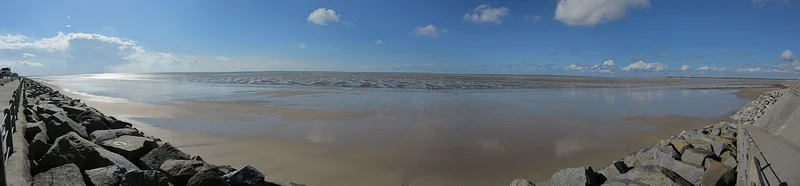
The peninsula turns its back on the rest of Normandy, and that is what saves it: sixty miles of dunes, tidal havens and headlands where you walk without meeting anyone. Barneville-Carteret is its central harbor, with its lighthouse and its moored boats; further south, the beaches of Siouville and Hauteville are the preserve of surfers and land yachts. Two things have to be accepted: the area has neither a palace hotel nor a hostel, and it is two hours from Bayeux as from Rennes.
This seaside resort, nestled in the heart of a harbor, offers everything a beach town can offer. Shops, restaurants, the beach.. everything is set up for relaxation and downtime.
The towns in this area
Where to stay in this area
Hôtel Les Ormes Mid-range
A nineteenth-century residence facing the marina at Carteret, twelve rooms, a flowered garden and a sea view from the terrace.
Hôtel des Isles Mid-range
A hundred metres from the beach, with a restaurant and a shared lounge. It is the best-rated address in the area among travelers.
Hôtel Le Cap Mid-range
Fifteen rooms facing the beach at Barneville-Carteret, with a panoramic sea view and a flowered terrace. You sleep above the sand, literally.
Pros
- Empty beaches, including in high summer
- The sailings to Jersey from Carteret
Cons
- Two hours of driving from the other areas
- A narrow supply of rooms: book early for July
Suisse Normande The gorges of the Orne
for outdoor activities, away from the sea
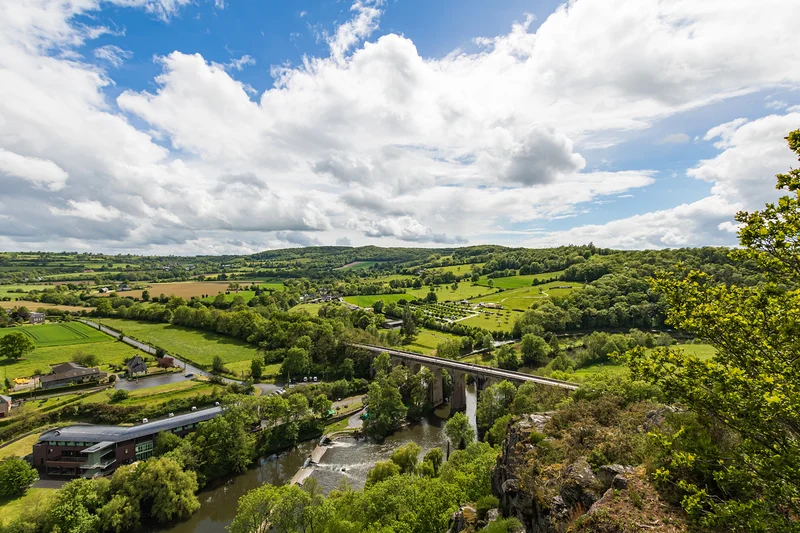
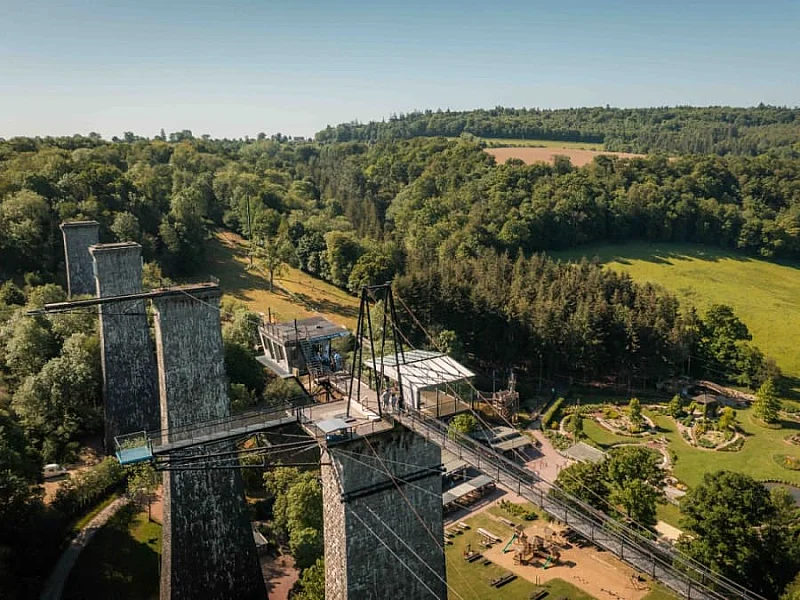
Cliffs three hundred feet above the Orne, hiking paths and a river you come down by canoe: this is the one Normandy that does not face the Channel. Clécy is its central village, with restaurants right on the water, and the Souleuvre viaduct, twenty minutes away, carries one of the oldest bungee jumps in Europe. A stay here does not replace the coast: it completes it, over two nights, and preferably between April and October.
Along the banks of the Orne, in Suisse Normande, Clécy is a charming little village that offers many outdoor sports and leisure activities. Greenery is everywhere around this village.
The towns in this area
What to see and do in this area
Where to stay in this area
Le Moulin du Vey Mid-range
A fifteenth-century timber-framed mill on the banks of the Orne, in a four-acre park, a mile from Clécy. Walled garden, private parking, and the river below the windows.
Logis Hôtel Au Site Normand Mid-range
In the village itself, with a spa, a restaurant and free parking. The address for anyone stringing together two days of activity who wants a sauna in the evening.
Pros
- Canoeing, hiking and climbing from the village itself
- The cheapest nights in the region
Cons
- The sea is an hour's drive away
- A short season: little to do from November to March
Our tips for booking the right place
- The morning slot is worth more than a good room: It is the lesson our members repeat most often, and it holds for the three busiest sites. At Mont-Saint-Michel, the abbey visit is booked ahead and the lanes are empty before nine. At Giverny, the coaches arrive at ten and booking is compulsory. At Étretat, the parking lots are full by mid-morning on busy days. Sleeping on the spot is what gives you access to those hours, and it is the only argument that counts when choosing where to spend the night.
- The tide sets the programme, not the other way round: In the bay of the Mont, the walk across the sands happens only at low tide and with a guide; on spring tides the rock becomes an island again and the causeway parking closes. On the Cotentin, the tidal havens empty at low tide and fill within hours. The tide table is consulted before booking, not after.
- The train serves the eastern half, not the western one: Rouen is an hour and a half from Paris, Deauville two hours, Bayeux and Caen sit on the Cherbourg line. For the D-Day beaches, the Cotentin, Suisse Normande and the approaches to the Mont, you need a car: no regular service runs there.
- Off-season, part of the coast shuts down: From November to March, Giverny is closed, the resorts of the Côte Fleurie tick over and many tables in the Cotentin open only at weekends. The towns that live all year round are Rouen, Caen, Le Havre and Bayeux: those are the ones to aim for on a winter trip.
- Visiting Mont-Saint-Michel between eleven and four without having booked: that is the window all our members describe as a rush-hour subway, and the abbey is full.
- Taking Étretat as a base on a long holiday weekend: an hour to get near the center, and parking on the outskirts. Weekdays or the off-season change everything.
- Booking in Deauville in August expecting February prices: it is the area where the seasonal gap is the most brutal in the region.
- Counting on one base for the Cotentin AND the Seine valley: there are three hours of road between them, and no continuous motorway.