Tanzania: Safaris, Summits, and Spices on the Ultimate African Journey
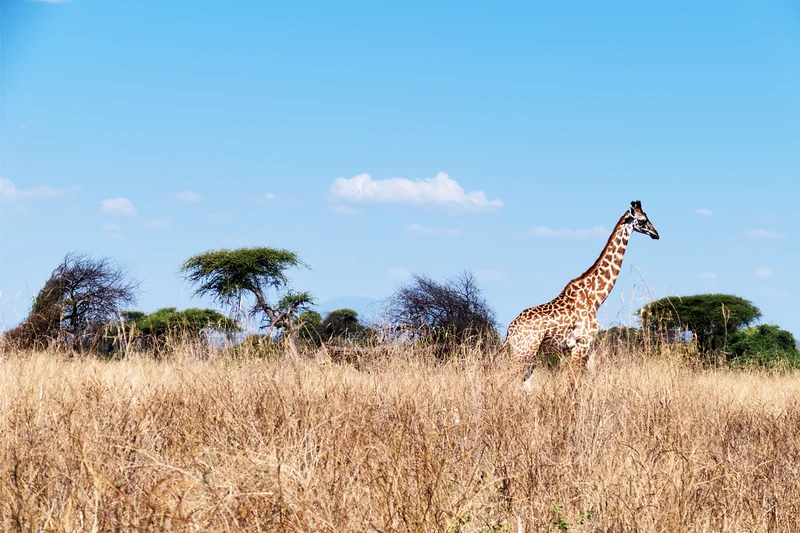
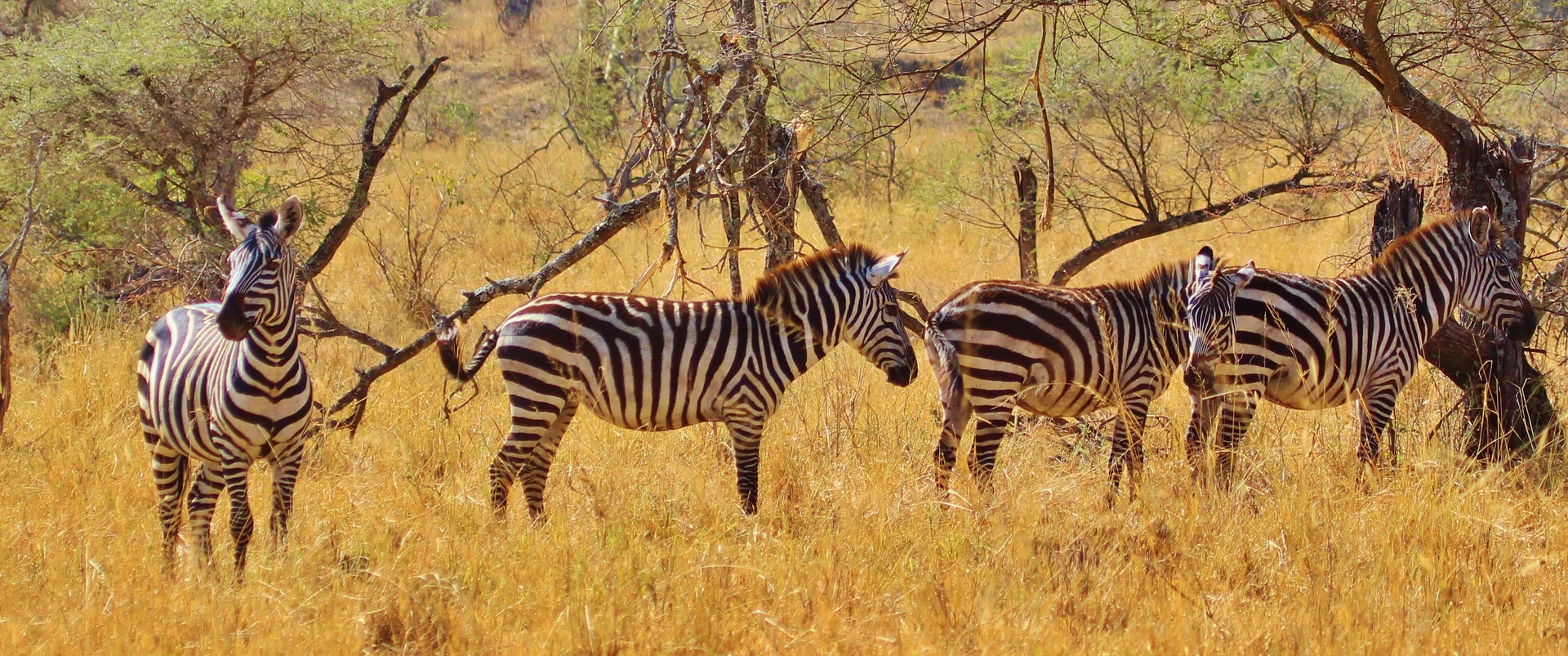
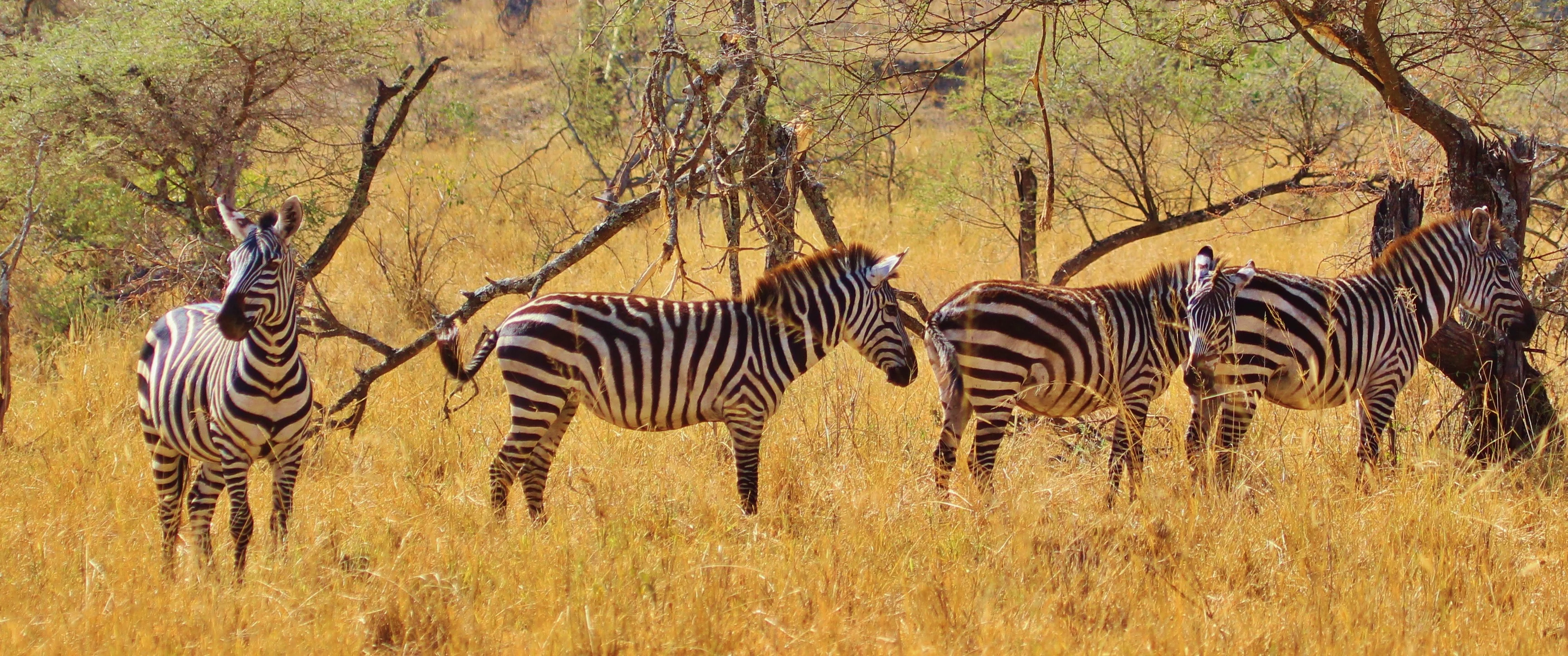
The Serengeti hosts the largest terrestrial mammal migration on Earth: every year, nearly two million wildebeest and zebras trek hundreds of miles across crocodile-infested rivers. This spectacle plays out in the open air right before your eyes with no safety nets. Few countries in the world can boast such raw natural scale.

Tanzania: A Destination for Travelers Ready to Face the World
This is not an easy or inexpensive destination. But for the right traveler, it is a trip that leaves a lasting mark.
Best suited for:
- Safari enthusiasts and wildlife watchers
- Hikers aiming for Kilimanjaro, the roof of Africa
- Travelers looking for total cultural immersion and pristine nature
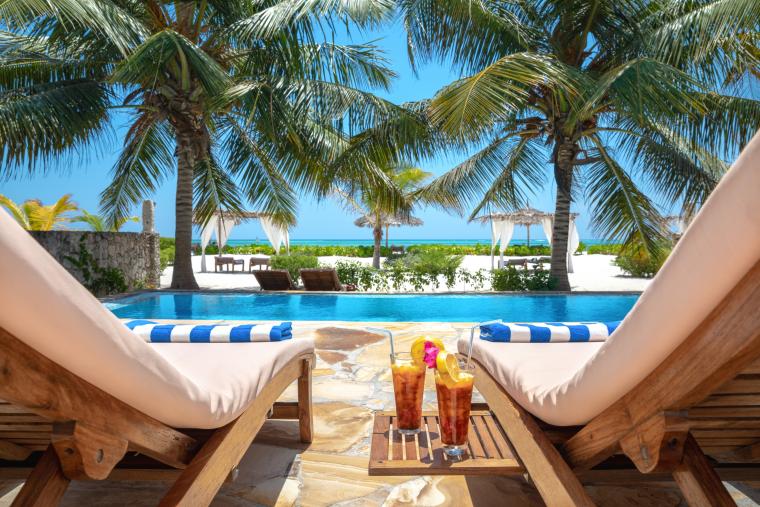
- Divers and beach lovers, especially in Zanzibar
- Travelers curious about Swahili culture, history, and diverse heritage
- Couples on honeymoons (safari plus beach is a classic combo)
- Those with the budget and time: plan for at least 10 to 14 days
Not recommended for:
- Tight budgets: national park entrance fees are high and safaris cost a lot
- Travelers who want guaranteed comfort and minute-by-minute scheduling
- Those who avoid humid heat and insects
- Fans of nightlife and urban entertainment
A High Budget for Sub-Saharan Africa
Tanzania is one of the most expensive safari destinations on the continent. Park entrance fees, four-wheel-drive vehicles, and licensed guides represent fixed costs you cannot avoid. An organized safari rarely drops below $230 to $340* per person per day.
| Trip Type | Destination | Duration | Estimated Budget / Person |
|---|---|---|---|
| Wildlife safari and Great Migration | Serengeti + Ngorongoro | 5 to 7 days | $1,690 to $4,490* |
| Trek and climb | Mount Kilimanjaro | 6 to 8 days | $2,030 to $3,930* |
| Beach and Swahili culture | Zanzibar (Stone Town + beaches) | 1 week | $790 to $2,250* |
| Safari and beach combo (classic) | Northern Parks + Zanzibar | 12 to 15 days | $3,370 to $7,860* |
| Nature and local immersion | Tarangire + Arusha + Lake Natron | 7 to 10 days | $1,350 to $3,370* |
Visas, Health, and On-the-Ground Realities
US citizens need a visa to enter Tanzania. You can get it online through the official Tanzanian immigration portal before departure, or upon arrival at major airports for 50 USD (cash or card). Yellow fever vaccination is required if you are arriving from an endemic country. Malaria prophylaxis is strongly recommended.
The country operates on GMT+3 time, seven hours ahead of New York in summer and eight in winter. The official language is Swahili, but English is widely spoken in the tourism sector and in cities. In rural areas, knowing a few words of Swahili like asante for thank you and jambo for hello will be appreciated.
Is It Dangerous to Travel in Tanzania?
Tanzania is generally stable and much safer than its neighbors. Tourist areas like parks, Zanzibar, and Arusha are mostly secure. Stay alert in large cities like Dar es Salaam where pickpockets and snatch-and-grab thefts occur. Avoid walking alone at night.
In national parks, safety relies on strictly following ranger instructions. Wildlife is wild and unpredictable, and the rules exist for a good reason. Regarding borders, the region near Mozambique's Cabo Delgado province is not recommended due to active armed groups.
Domestic Flights: What You Need to Know
Since June 2025, all airlines certified in Tanzania appear on the EU air safety list. This decision is not linked to specific incidents, but rather to perceived serious gaps in safety oversight by Tanzanian civil aviation authorities.
The list is public and can be consulted on the European Commission website. Alternatives are under review, such as allowing foreign carriers like Qatar Airways or Ethiopian Airlines to operate domestic flights. If you are booking through an agency, raise the subject openly with your advisor.
The Great Show of the Wild

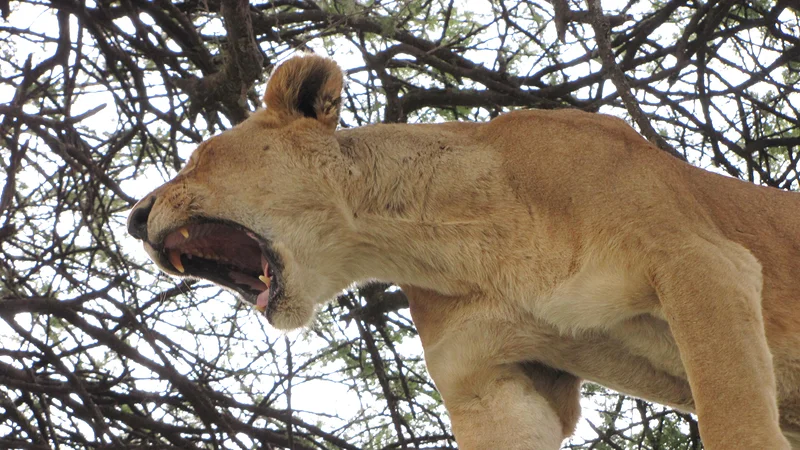
The word "safari" takes on its full meaning here. It is the beating heart of a trip to Tanzania, an immersion in an ecosystem where humans are only discreet guests. Each park offers a different facet of this natural theater.
The Legendary Pair: Serengeti and Ngorongoro
The Serengeti National Park is the stage of the Great Migration: millions of wildebeest and zebras move in a loop with the rhythm of the rains, in an animal ballet on a scale that is hard to picture before you have seen it. July to September is when the dramatic crossings of the Mara River take place in the north of the park.
The Ngorongoro crater works like a closed caldera: one of the largest concentrations of wildlife in the world, including the rare black rhino, inside a natural amphitheater of 260 km². It is spectacular, but very busy in high season.
Friendly tip: for a less saturated experience at Ngorongoro, go in right at opening time, 6 a.m., and avoid weekends in July and August. The western and southern sectors of the Serengeti, less publicized than the north, often deliver more intimate game drives.
Tarangire, the Kingdom of Giants

Less well known than its neighbors, Tarangire National Park is a revelation for those who venture there. This is the land of century-old baobabs and of elephant families that sometimes count several dozen individuals. The Tarangire River, the only permanent water point in the dry season, becomes a remarkable gathering line for wildlife from July to October.
Friendly tip: this is one of the rare parks where walking safaris accompanied by a ranger are allowed in certain areas. Walking through the bush, picking up the smells, hearing the sounds without an engine: that is an intensity a 4x4 cannot give you.
Climbing Kilimanjaro: A Challenge Not to Underestimate

Climbing Kilimanjaro draws thousands of travelers every year. The mountain tops out at 5,895 meters, and no technical mountaineering skills are required. But this is no ordinary hike: altitude takes its toll, and the failure rate on the shortest route (Marangu, 5 days) is high.
The Lemosho route (7 to 8 days) is the one we recommend at Avygeo: longer and more expensive, but with a better acclimatization profile and clearly higher chances of making the summit. Choosing a serious operator, one that respects the pace of ascent and the working conditions of the porters, is not negotiable.
Crossing several climate zones, from rainforest to alpine desert by way of moorland and lava desert, is a journey in itself. Sunrise from the crater rim, above a sea of clouds, is one of those images that never leave you.
Zanzibar and the Swahili Coast: The Country's Other Face
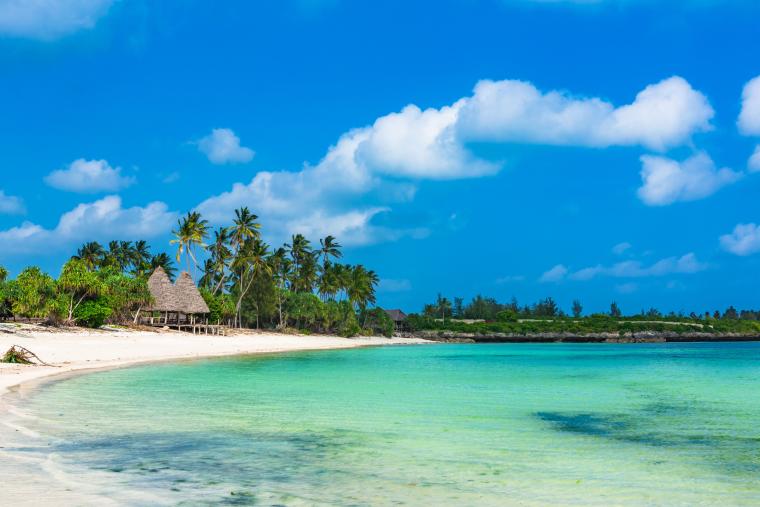
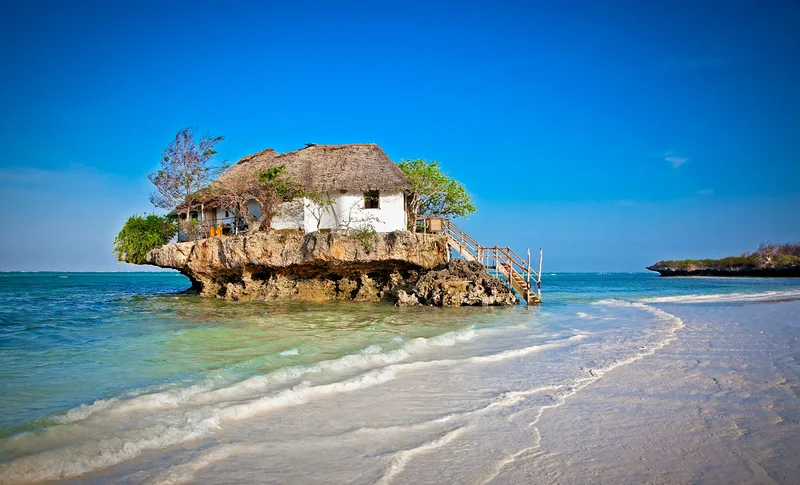
After the dusty tracks of the parks, the Zanzibar archipelago delivers an absolute contrast. Turquoise water, coral seabeds, alleys scented with spices: another planet, 1 hour 30 minutes away by plane or 2 hours by ferry from Dar es Salaam.
Stone Town, the Soul of the Island

Getting lost in the maze of alleys of Stone Town, a UNESCO World Heritage site, means walking through centuries of trading and cultural history. Carved wooden doors studded with brass, spice markets, the house where Freddie Mercury was born, mosques and ruined palaces: everything coexists in a space of astonishing density.
Friendly tip: in the evening, the Forodhani Gardens turn into a night market you should not miss, where the stalls serve "Zanzibar pizza" (a thick pancake stuffed with meat and egg) and seafood skewers grilled to order. A few euros are enough to eat like a local.
The Beaches: Every Coast Has Its Own Personality

The north coast around Nungwi has the calmest water, the best suited to swimming all day long, because the tides there are less pronounced. The east coast, around Jambiani and Paje, is more spectacular to look at: the very marked tides uncover wide flats at low tide, perfect for watching the women at work in the seaweed farms and for kitesurfing at Paje.
Encounters and Immersion: Beyond the Safaris

Meeting the Maasai people is often offered on northern circuits. The trap: "showcase villages" set up for tourists, with no real link to daily life. Favor visits organized by certified local cooperatives, which pay the profits directly back to the community.
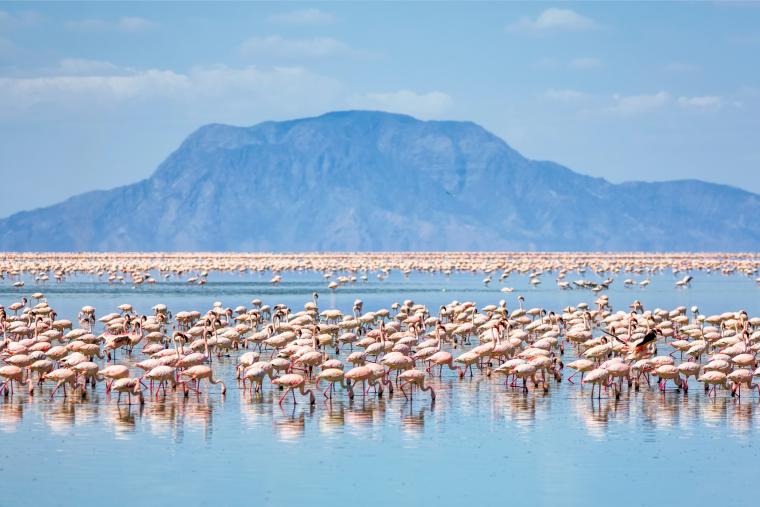
Around Arusha, the coffee plantations on the slopes of Mount Meru offer hands-on visits: picking, pulping, roasting. It is modest, but it is a real window onto the country's farming economy. Further north, the Lake Natron region, with its red reflections at the foot of the active volcano Ol Doinyo Lengai, is Maasai territory, little visited and austerely beautiful.
Tanzania on the Plate: Generous and Spiced

Tanzanian cooking is filling and unfussy. The staple dish is ugali, a dense maize polenta that carries everything else: meat in sauce, boiled greens, beans. At the roadside, nyama choma (charcoal-grilled meat) and mishkaki (spice-marinated skewers) are everywhere.
The Indian legacy shows up particularly in coastal cooking: biryanis perfumed with cardamom, spiced rice pilaus, crisp chapatis, and sambusas fried with meat or vegetables. This culinary blend is one of the strong markers of Swahili civilization.
In Zanzibar, coconut, ginger, clove, and turmeric go into almost every preparation. Seafood curries and grilled fish in coconut sauce are light-years away from the dishes served in tourist lodges. Go and eat in the local canteens: that is where Tanzanian cooking shows what it is really worth.
When to Go to Tanzania?
The ideal calendar revolves around two dry seasons. The main one, from June to October, is the best window for safari: low vegetation, animals gathered around the water points, and the Great Migration passing through the northern Serengeti between July and September. It is also the tourist high season, so prices go up.
The short dry season from January to mid-March offers good safari conditions with fewer people and lower prices. It is also the calving period in the Serengeti, with wildlife that is particularly active. The long rains (March to May) make some tracks impassable, but the landscapes turn spectacularly green and rates drop a long way.
For Zanzibar, the best time is June to October (dry season, less humidity) and December to February (hot, but stable weather). Avoid the monsoon from March to May if the beach is your goal.
How to Get to Tanzania?
There is no regular direct flight from Paris. The main connections go through Nairobi, Doha, Addis Ababa, or Amsterdam. The most used carriers are Kenya Airways, Qatar Airways, Ethiopian Airlines, and KLM. Expect between $680 and $1,350* round trip from Europe depending on the season and how far ahead you book.
The main airports are Kilimanjaro (JRO) for the northern parks, Dar es Salaam (DAR) for the economic capital, and Zanzibar (ZNZ) for the archipelago. The visa is obtained online before departure (about 50 USD). Yellow fever vaccination is mandatory if you are arriving from an endemic country.
How to Get Around Tanzania?
For safaris, the 4x4 with a driver-guide is the absolute norm. It is expensive, but it is also the only way to reach many tracks and to benefit from expert guiding. Local agencies based in Arusha often offer more competitive rates than Western tour operators, at comparable quality.
Between the major cities, long-distance bus companies such as Dar Express or Kilimanjaro Express run comfortable services at modest fares. The dala-dalas (local minibuses) are the everyday transport, cheap but often overloaded.
As for domestic flights: since June 2025, all airlines certified in Tanzania appear on the EU air safety list. Check the public list published by the European Commission and discuss the alternatives with your agency before you book.
Friendly tip: the Azam Marine ferry between Dar es Salaam and Zanzibar is a fast (2 hours) and affordable option (about 35 USD). Book ahead in high season: crossings are often full several days in advance.