Visiting Dar es Salaam, a window into modern Tanzania
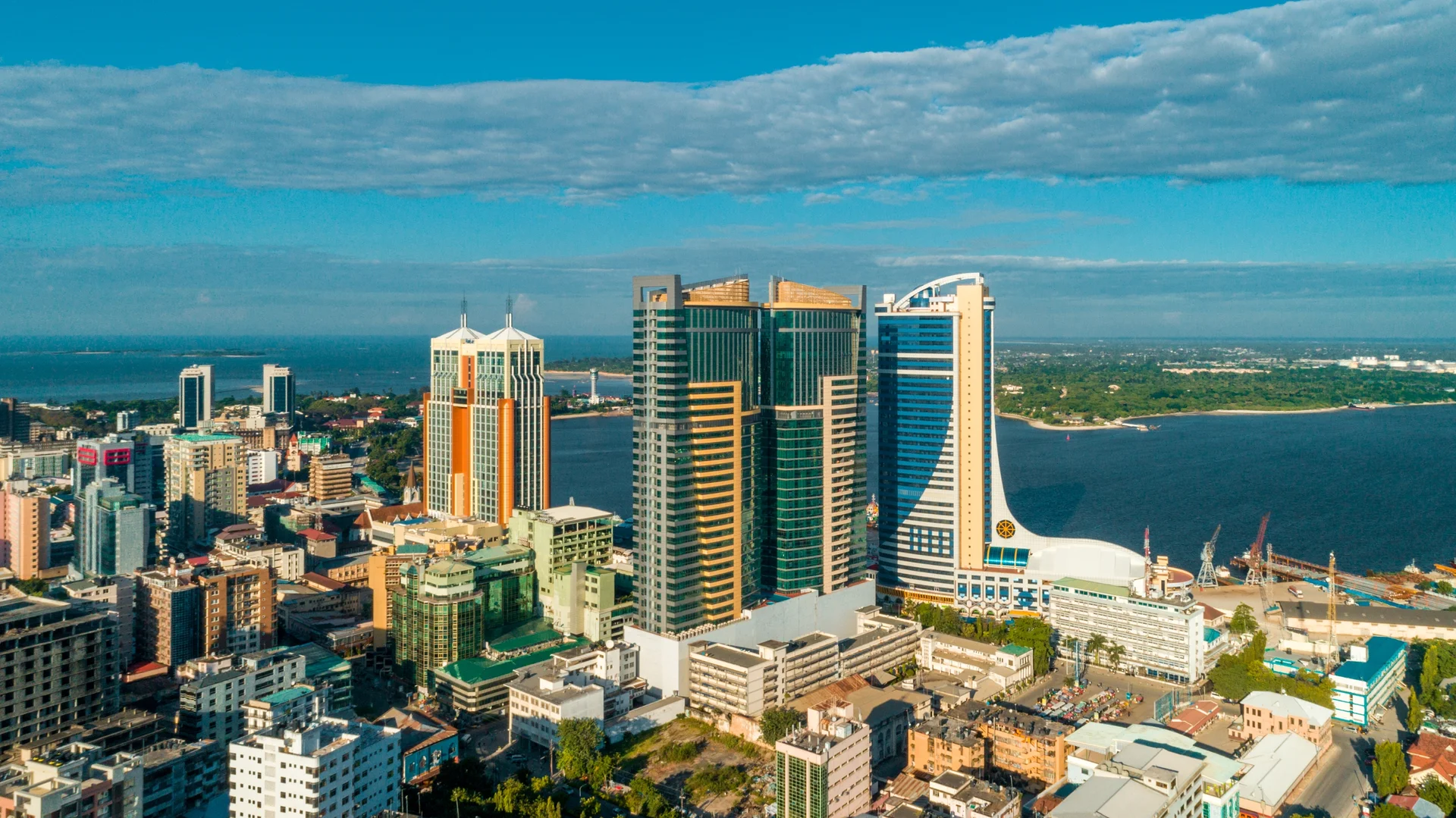
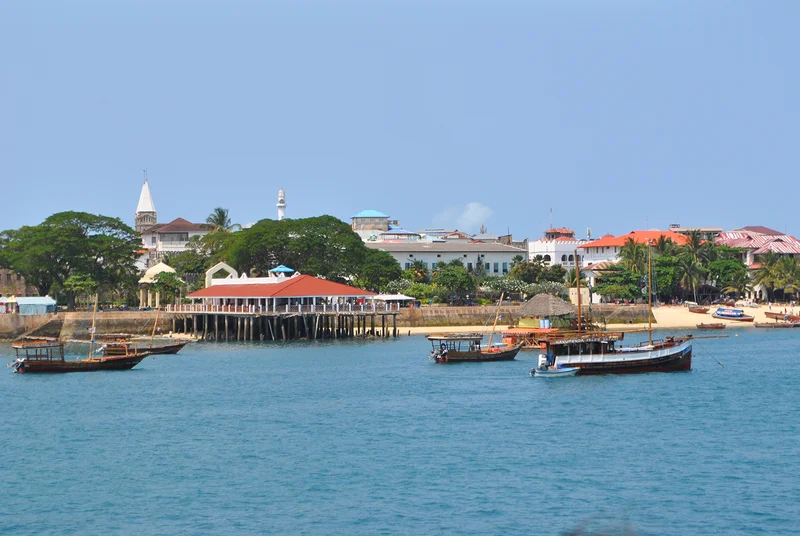
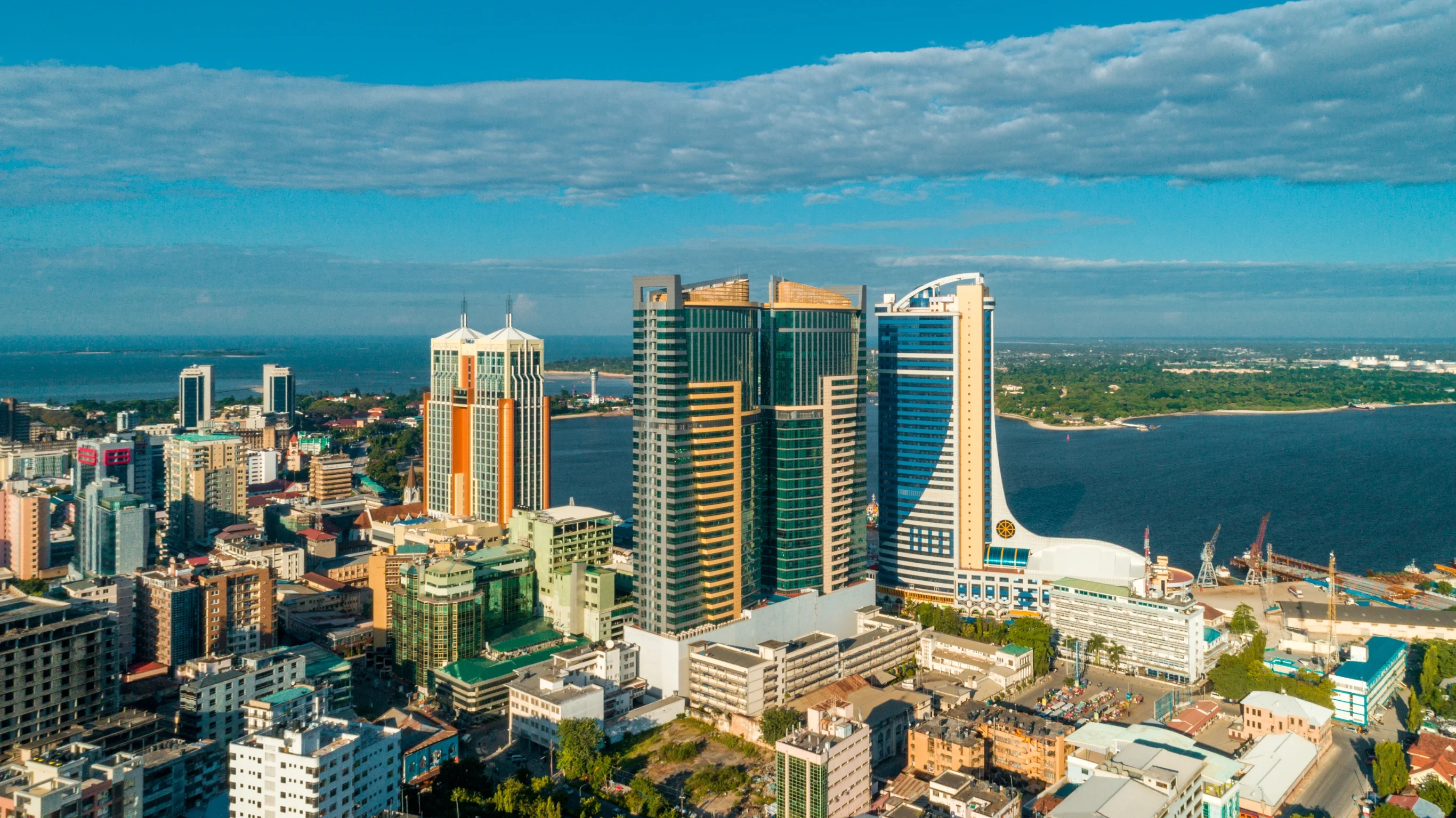
Dar es Salaam, the largest city in Tanzania, is often treated as nothing more than a transit point on the way to the pristine beaches of Zanzibar or the wildlife reserves of the Serengeti. Yet this major port city offers far more than a transport hub. Balancing rapid growth with deep traditions, it blends African, Arab, and Indian cultures, making it an ideal stop for travelers looking to understand the country beyond the tourist trails.
The waterfront and lively markets
The central district of Dar es Salaam, commonly known as Kivukoni, serves as the main entry point to the coastline. The Kivukoni Fish Market comes alive early in the morning when local fishermen bring in their catch of the day. Nearby, the Ferry Fish Market lets you sample seafood prepared on the spot. A walk along the Indian Ocean shoreline offers cooler breezes and a calm escape from the traffic inland.
A deep dive into history at the National Museum
For history and culture enthusiasts, the National Museum of Tanzania provides an insightful stop. Located right downtown, its exhibits trace the nation's history from early hominid fossils discovered in the Olduvai Gorge to the colonial era and independence. The collections offer a clear introduction to Tanzania's cultural diversity.
The beaches of Kigamboni
Just across the harbor channel south of downtown, Kigamboni offers a coastal stretch with quieter beaches well-suited for a day of rest. Coco Beach, north of downtown in Oyster Bay, is another popular local gathering spot that draws large crowds, particularly on weekends. Kigamboni features more relaxed beach resorts for a slower pace.
Local food: flavors to try
The food scene in Dar es Salaam reflects its multicultural heritage. Do not miss trying nyama choma (grilled meat), served alongside ugali, a thick cornmeal staple. Indian influences show up in flaky chapati flatbreads and rich curries, while fresh ocean fish appears on menus across town. For a truly local street food experience, head into the busy alleys of Kariakoo.
When to go
The best time to visit Dar es Salaam is between June and October during the dry season, when temperatures are milder and humidity drops. The months from December to February bring higher heat, though the weather remains good for the beach. In July, cultural events draw crowds toward the coast, and Dar es Salaam acts as the main gateway for travel in the region.
How to get there
Dar es Salaam is reached via Julius Nyerere International Airport, situated roughly 30 minutes from downtown traffic permitting. Flights from the US typically involve at least one stop in Europe or the Middle East, with round-trip fares varying by season. From the airport terminal, licensed taxis and hotel shuttles handle the transfer into the city center.