
Arusha, where safaris begin and coffee grows beneath the volcanoes
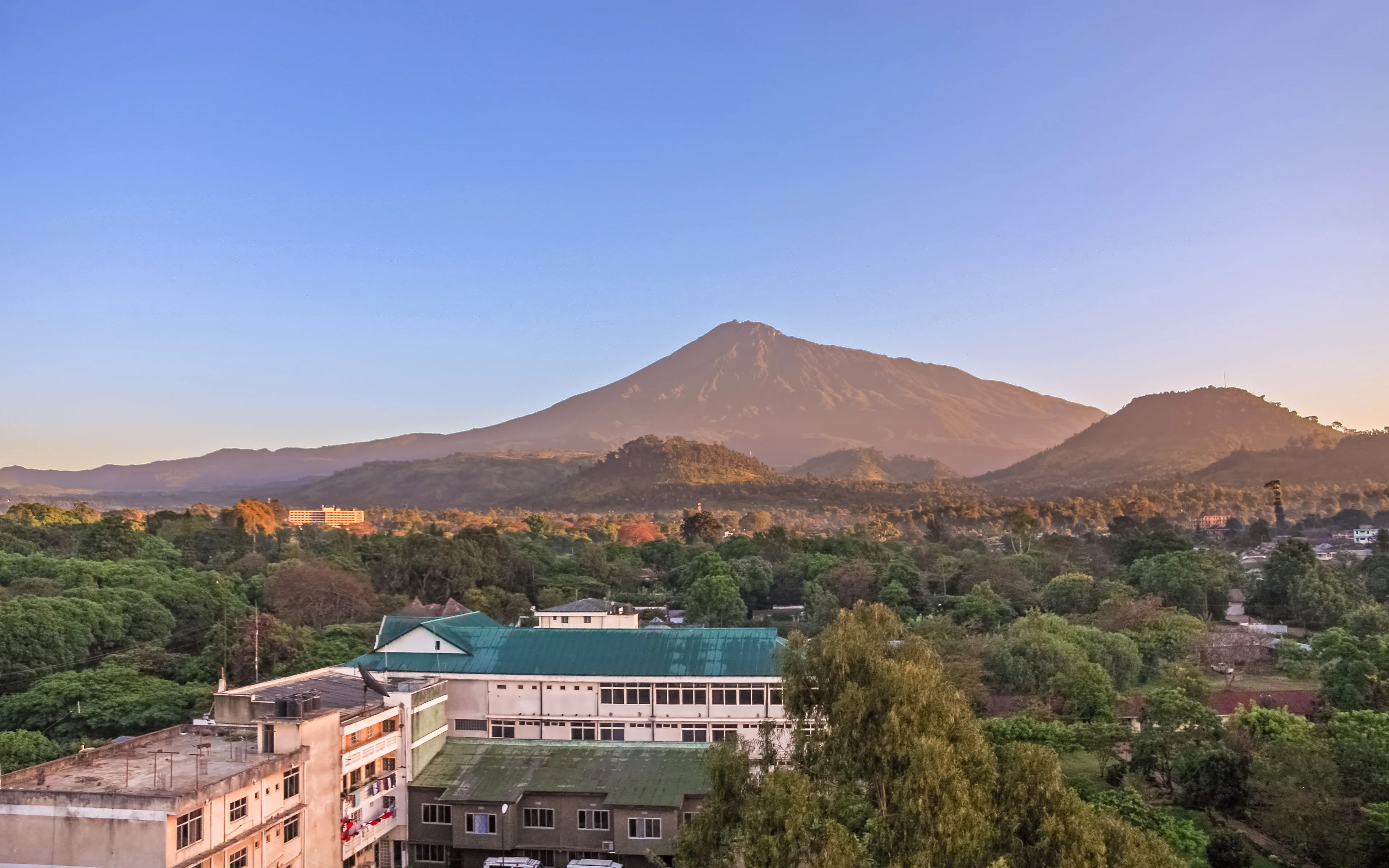
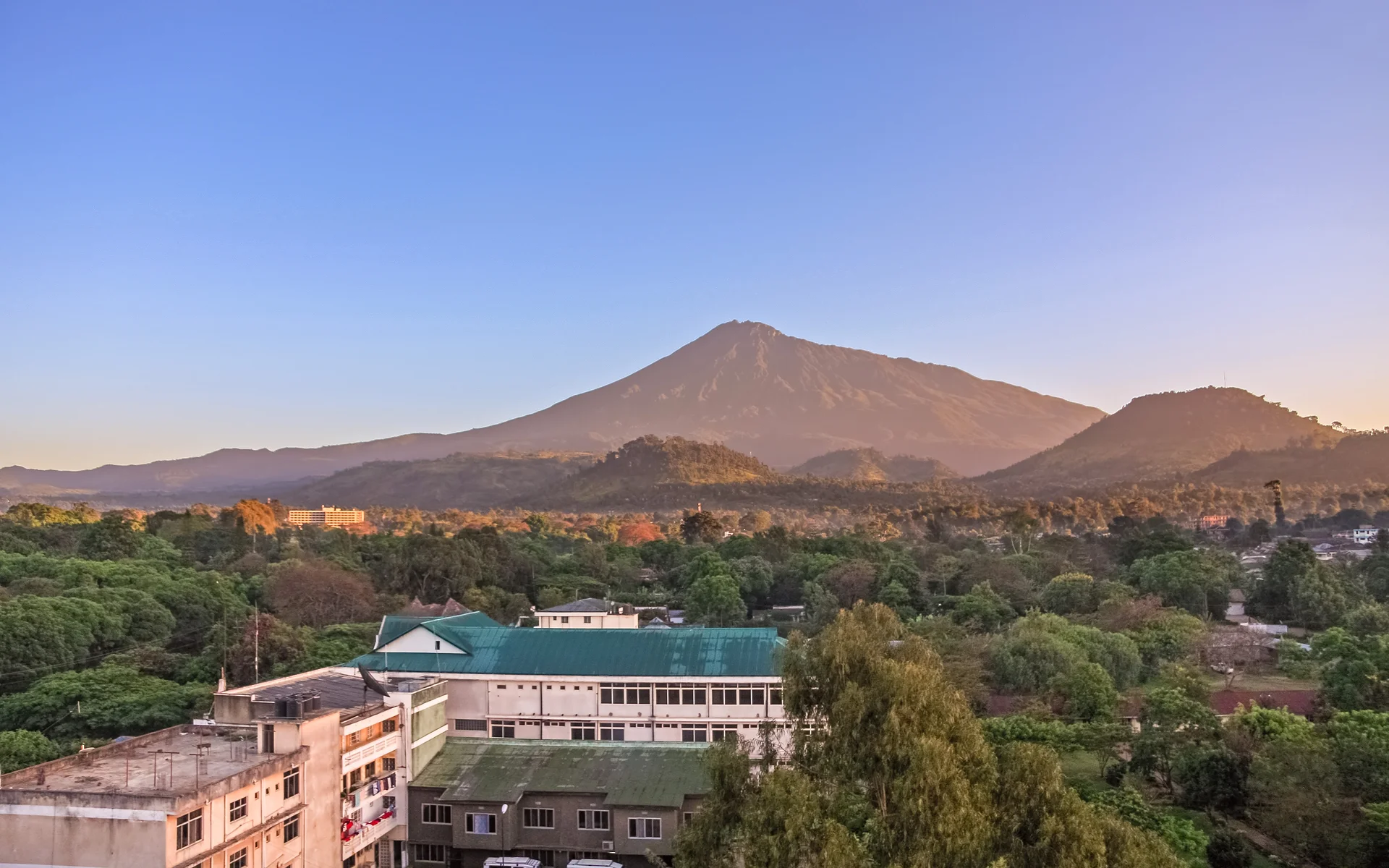
The smell hits you before anything else. Roasted arabica beans, red dust, meat sizzling on roadside brazier grills. At the foot of Mount Meru, the city is noisy, chaotic, and cut across by brightly colored dala dalas. Yet it serves as the launchpad for the major northern safaris in Tanzania.
A stopover worth lingering in
Most travelers spend a single night here before rushing off to the Serengeti or the Ngorongoro Crater. That is a mistake. The city provides access to a national park just thirty minutes away, coffee plantations, and Maasai villages.
Great destination for:
- Safari enthusiasts, with some of Africa's largest parks only a few hours away
- Hikers wanting to summit Mount Meru without the crowds found on Kilimanjaro
- Travelers seeking authentic cultural encounters with the Maasai people
- Coffee lovers, with plantations surrounding the city
Not ideal for:
- Those looking for a charming town, as the city is entirely functional rather than picturesque
- Tight budgets, since safaris are expensive even on economy packages
- Travelers who dislike haggling, given the omnipresent street touts
A two-tier budget
Everyday life is inexpensive, and a street food meal costs less than $3.40*. However, safaris drive up the total cost to $150 to $250 per person per day for group tours. The local currency is the Tanzanian shilling. Keep cash on hand for the markets.
| Expense category | Estimated range |
|---|---|
| Night in a guesthouse or hostel | $17 to $45* |
| Night in a comfortable lodge | $57 to $169* |
| Street food or market meal | $2.30 to $5.70* |
| Restaurant meal | $9 to $23* |
| Backpacker daily budget in town | $34 to $57* |
| Comfortable daily budget | $90 to $230* |
Practical details and expectations
The climate stays mild year-round thanks to the elevation, ranging between 15 and 28°C. English is widely spoken. Knowing a few words of Swahili goes a long way: jambo for hello, and asante for thank you. A tourist visa is required, available online as an e-visa or on arrival.
Is it safe to travel in Arusha?
The city is safe as long as you follow standard precautions, such as staying alert in crowded markets and avoiding walking alone after dark. Most scams come from touts pushing discounted safaris.
Arusha National Park and Mount Meru
Arusha National Park, the smallest in the country, packs in the Ngurdoto Crater, the pink-tinged Momella Lakes colored by flamingos, and the lower slopes of Mount Meru. Giraffes, buffaloes, and colobus monkeys roam close enough for great viewing.
Climbing Mount Meru, which sits at 4,566 metres, takes three to four days accompanied by an armed ranger. It serves as a less crowded and less expensive alternative to Kilimanjaro.
Friendly tip: canoeing safari on the Momella Lakes is the most unique activity in the park. Paddling between pink flamingos and hippos easily justifies the $45 to $50 park entrance fee.
Downtown: markets, crafts, and tanzanite
The Central Market and the Kilombero Market form the pulse of the city. Fruits, spices, and kanga fabrics trade hands amid cheerful commotion. In the morning, you can pick up sambusas, triangular pastries stuffed with spiced vegetables, for just a few cents.
The Cultural Heritage Centre brings together galleries and crafts representing Tanzania's 120 tribes. It is the most reliable spot to buy tanzanite, a rare blue-violet gemstone found nowhere else on earth. You can snap a quick photo of the Arusha Clock Tower, marking the halfway point between Cairo and Cape Town, as you pass by.
Friendly tip: for artisan shopping, head to Shanga, a social enterprise workshop set in the gardens of the Arusha Coffee Lodge. Artisans with disabilities craft recycled glass jewelry right there.
Excursions: villages, plantations, and major parks
The village of Mto Wa Mbu, an hour's drive away, showcases Tanzania's ethnic diversity in one place. Banana plantations, craft workshops, and shared meals with local families make this day trip memorable.
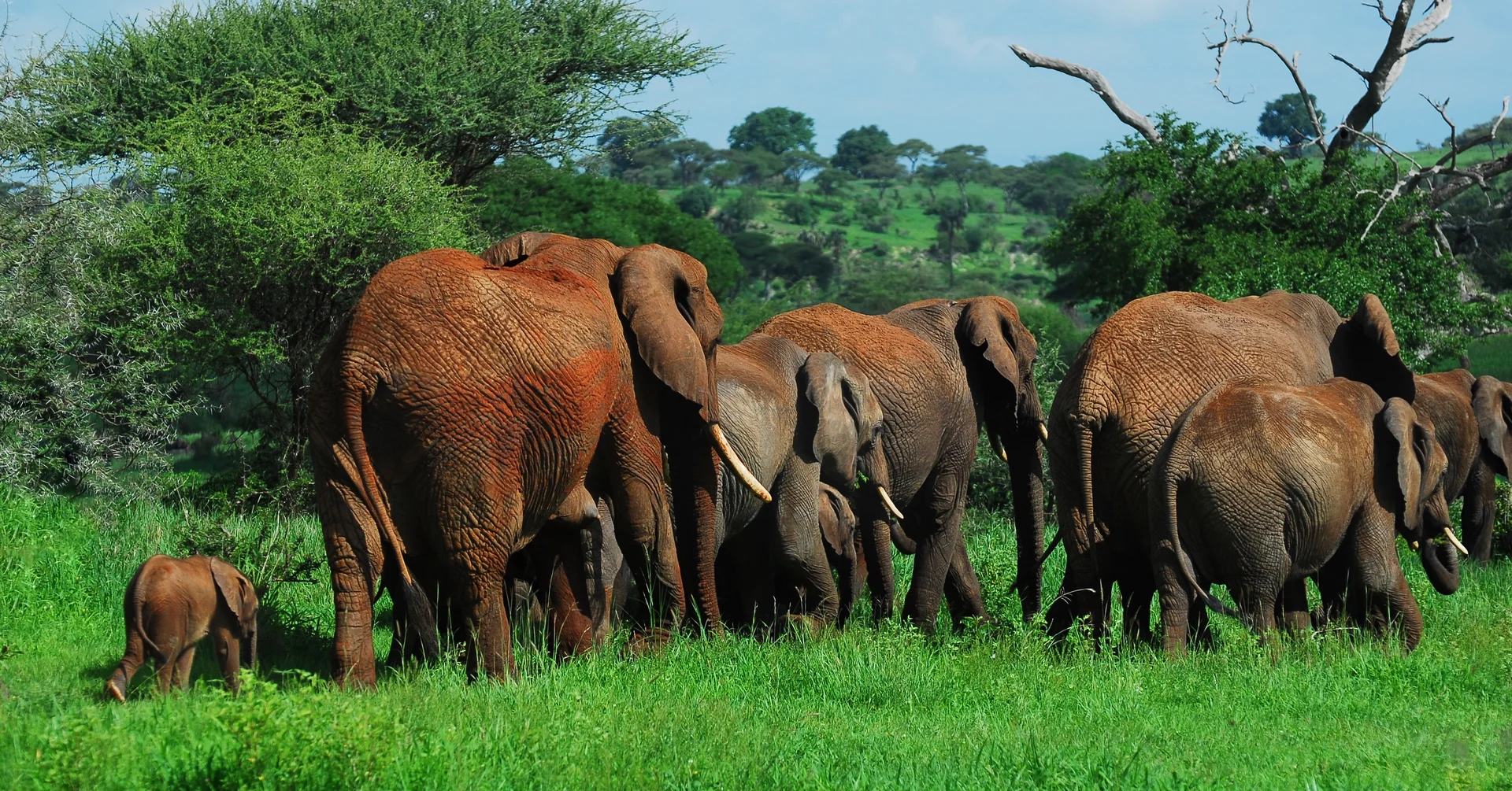
The coffee plantations surrounding the city offer seed-to-cup tours. The three major northern parks, Serengeti, Ngorongoro, and Tarangire, can be visited on itineraries lasting two to seven days.
Friendly tip: never book a safari with a street tout. Compare options on SafariBookings.com, read reviews, and choose operators that employ certified local guides.
Where to eat and drink in Arusha?
Local cooking centers on nyama choma, grilled goat meat served alongside chapati. Sweet mandazi fritters pair well with Tanzanian coffee. Themi Living Garden serves local food in a lush setting, while Onsea House, run by a Belgian chef, has earned recognition as one of the country's top dining spots.
How to get to Arusha?
Kilimanjaro International Airport, located 45 km away, serves as the main point of entry. Travelers flying from the US usually connect through European or Middle Eastern hubs. The airport transfer to downtown costs $55 to $80.
How to get around Arusha?
The downtown area is easy to explore on foot. Dala dalas cover the city for 500 TZS per ride, which equals about $0.19*. These decorated and crowded minibuses are an essential part of the local transit culture.
Taxis negotiate between $3.40 and $12*. Ride-hailing apps like Bolt and inDrive operate locally. Trips out to the national parks require a 4x4 vehicle with a driver.
When to go?
The best windows for travel are the dry season from June to October and the short dry period in January and February. The rainy season from March to May leaves certain dirt tracks impassable, but it offers lower prices and uncrowded parks.

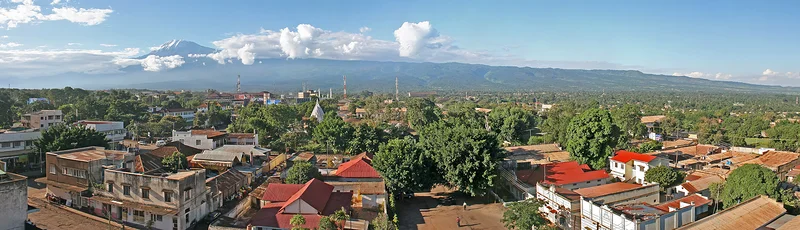
Arusha will surely be your first impression of the great parks region.
My opinion is mixed, as you find the downsides of big cities here along with a fair share of economic disparity.
But the city remains pleasant and will give you a taste of Africa with its colorful market and warm locals.