
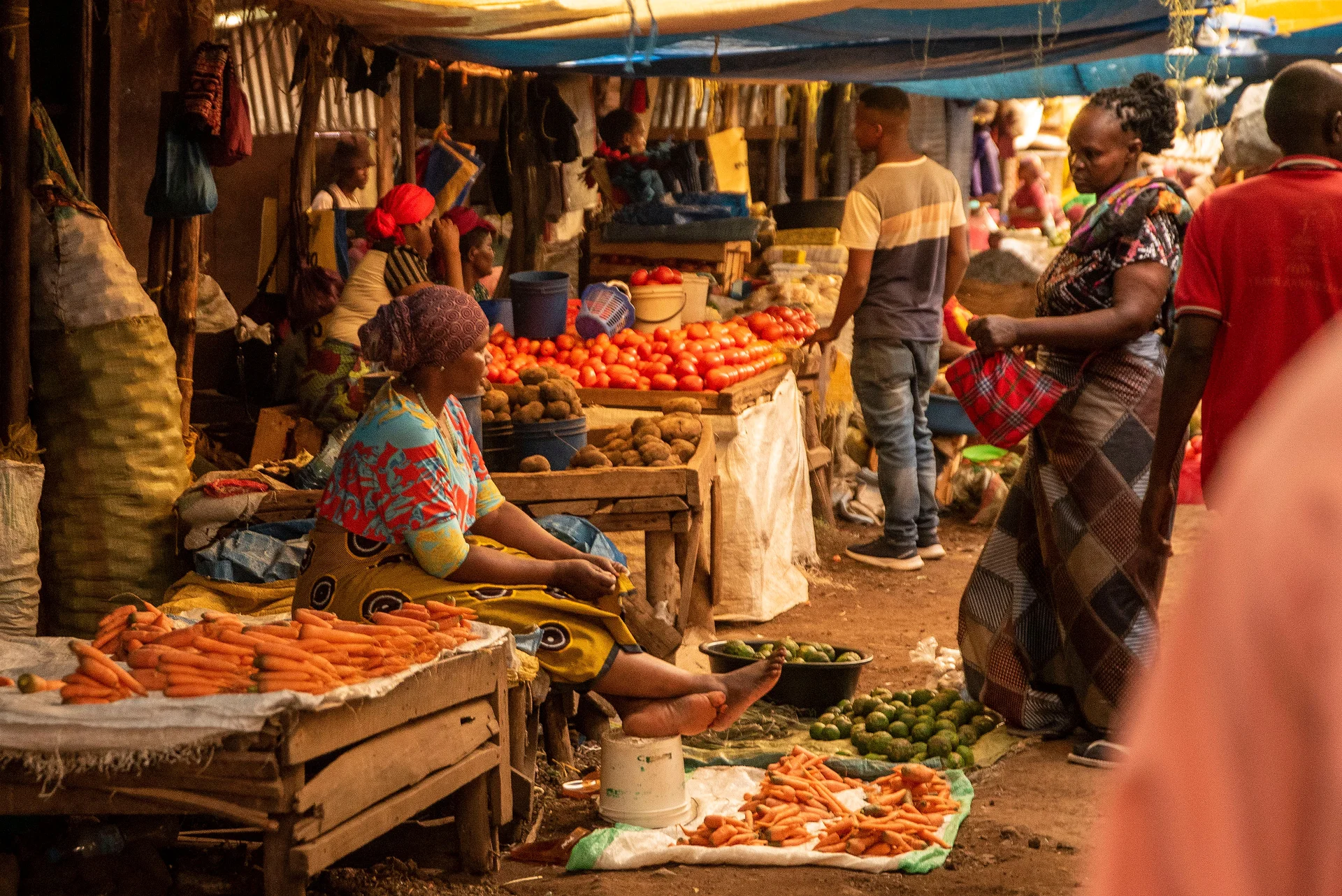
Visiting the Central Market in Arusha: the city's true face
Forget the polished stalls and souvenirs calibrated for tourists. To get a feel for the pulsing, authentic soul of Arusha, you have to venture into the aisles of the Central Market, known locally as Soko Kuu. This is where the economic and social heart of the city beats.
The intense scents of spices, ripe fruit, and dried fish mingle with the din of negotiations and the vibrant colors of fresh produce, offering a total and memorable sensory immersion.
Why head to the Central Market?
Unlike the nearby Maasai Market, the Soko Kuu is not an attraction, it is a necessity. It is the belly of Arusha, where locals come to do their daily shopping, from restaurant owners to heads of households.
A visit here is a lesson in local life and economics. It is a unique opportunity to see the ingredients that form the backbone of Tanzanian cuisine, observe social interactions, and step away from the tourist circuits for a raw, real, and deeply human experience.
A festival of local flavors and colors
The fruits and vegetables section is a true ephemeral work of art. Teetering pyramids of tomatoes and onions sit alongside mountains of creamy avocados, sun-drenched mangoes, and a dozen varieties of bananas, from cooking plantains (matoke) to small sweet bananas. A little further on, the spices section will intoxicate you with its aromas of cloves, cinnamon, cardamom, and expert blends for the famous pilau rice. It is the perfect place to buy authentic products at local prices.
Don't hesitate to explore the areas dedicated to grains and legumes, where huge sacks of rice, corn, and beans are sold by measure. You will also find a butcher and fishmonger section, which is more intense for the senses but gives a clear picture of the local food chain, including dried fish (dagaa) sourced from the great lakes.
A symphony of sounds and interactions
The market is above all a place of life. The show is as much on the stalls as it is in the aisles. Listen to the calls of vendors touting their goods, observe the expert hands of the "mamas" sorting their vegetables, and admire the strength of the young men who weave through the crowd with carts (mkokoteni) loaded to the brim.
Every transaction is a little skit, an exchange of smiles, jokes, and quick negotiations in Swahili. It is this communicative energy that makes the experience so rich.
Tips for a successful visit
The Soko Kuu can be intimidating. For a more pleasant visit, prefer the morning, when the activity is at its peak and the products are at their freshest. Dress simply and respectfully to blend in with the crowd. Keep an eye on your personal belongings, just as you would in any crowded public place. If you want to take photos of people, courtesy dictates that you always ask for permission with a nod or a smile.
The experience can be even richer if you are accompanied by a local guide who can explain the different products and facilitate your interactions.
Opening hours
| Monday | 07:00-18:00 |
|---|---|
| Tuesday | 07:00-18:00 |
| Wednesday | 07:00-18:00 |
| Thursday | 07:00-18:00 |
| Friday | 07:00-18:00 |
| Saturday | 07:00-18:00 |
| Sunday | 07:00-18:00 |
The schedule is approximate.
*Information subject to change

This is a super lively, authentic, and intense place! As soon as you walk into the market, you are plunged into a noisy crowd and a multitude of different smells. It is clearly a real immersion into the daily life of the people of Arusha.
I really recommend going with a local guide, and preferably in the morning. As a tourist, you attract a lot of attention and can quickly feel a bit harassed, even if most people are nice.
The fruit and vegetable stalls are beautiful, full of color, and it is worth the trip. On the other hand, you might want to avoid sensitive products like chicken. In the heat, they are often covered in flies.