
Visiting Kilimanjaro, the roof of Africa and its many faces
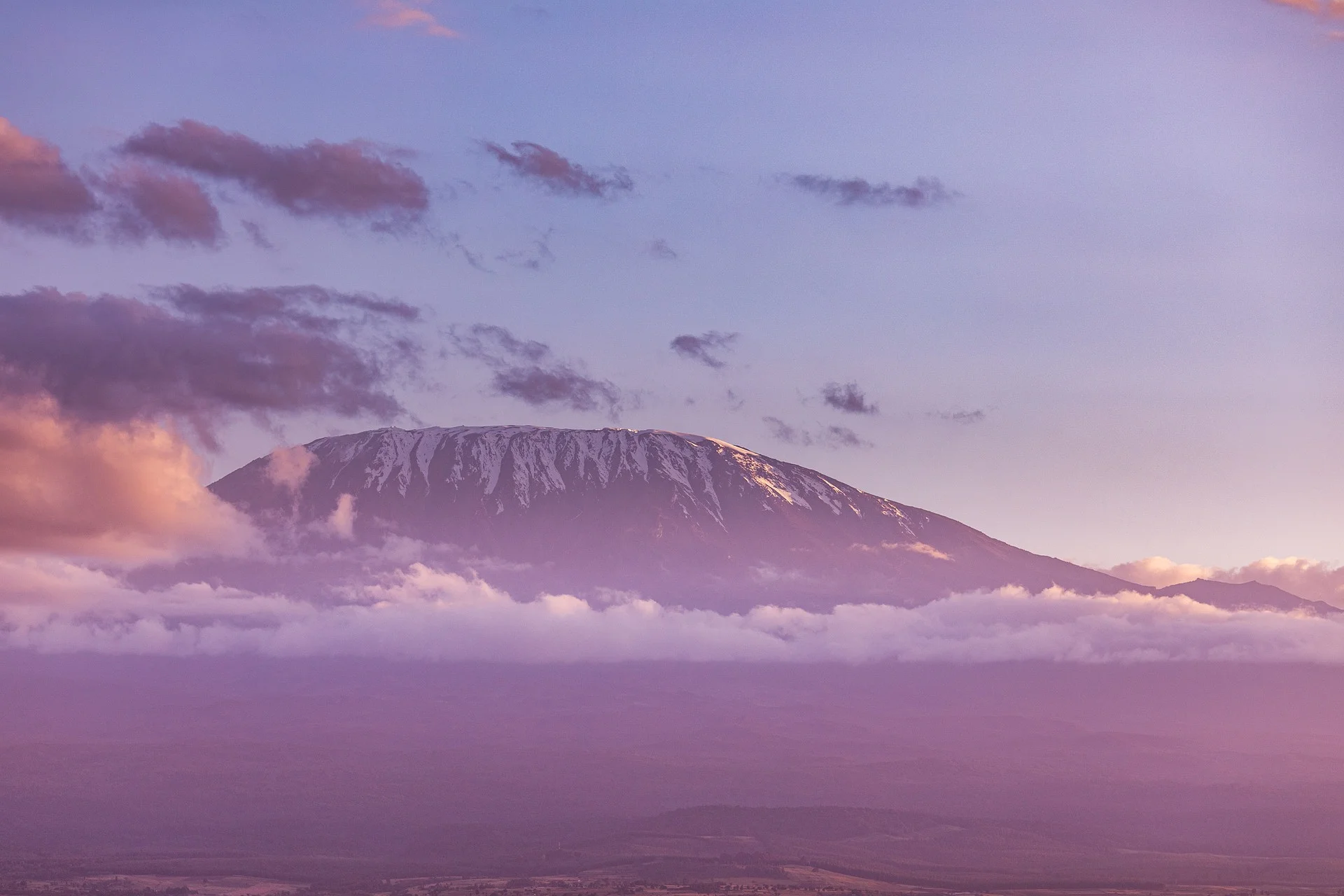
Kilimanjaro, the icon of Tanzania, is a legendary volcano that draws hikers, mountaineers, and travelers from around the globe. At 5,895 meters, it stands as the tallest peak in Africa, yet it remains one of the few summits reachable without technical climbing skills. Between shifting landscapes and physical strain, Kilimanjaro offers a singular experience for those who head up its slopes.
An iconic but demanding climb
The trek to the top of Kilimanjaro is the primary activity for visitors in this region. Several routes, such as the Marangu and Machame trails, provide access to the summit. These treks last between 5 and 9 days and traverse varied terrain, including tropical forests, barren alpine plateaus, and snow-capped glaciers. The climb remains demanding due to altitude and fluctuating temperatures. Solid physical preparation and gradual acclimatization are vital to maximize your chances of reaching the peak.
Landscapes around Kilimanjaro
For visitors less inclined to summit the mountain, the surroundings of Kilimanjaro offer more accessible alternatives. The Materuni Waterfalls and Chemka Hot Springs allow you to enjoy the natural beauty of the region without excessive exertion. These sites offer shorter hikes, relaxing swims, and clear views of the mountain.
Viewing Kilimanjaro from the plains
Admiring Kilimanjaro from the plains is an experience in itself. The sight of permanent snow contrasting with the surrounding African landscape is unique, especially at sunrise or sunset. The villages and plantations around Moshi serve as prime observation points for travelers looking to capture the iconic mountain without trekking to the summit.

Ah, Kilimanjaro, it is not just a mountain, it is a challenge! Each day harder, the air thinner, the body getting tired. But you keep going. And at the summit, at sunrise, it is unreal. Cold, silence, immense sky. I cried without knowing why. It is an experience you keep with you.