
Dreaming of a safari, heading off to discover Africa's majestic wildlife? Picture the warm breeze of the savanna, a distant lion's roar, and the silent footsteps of elephants…
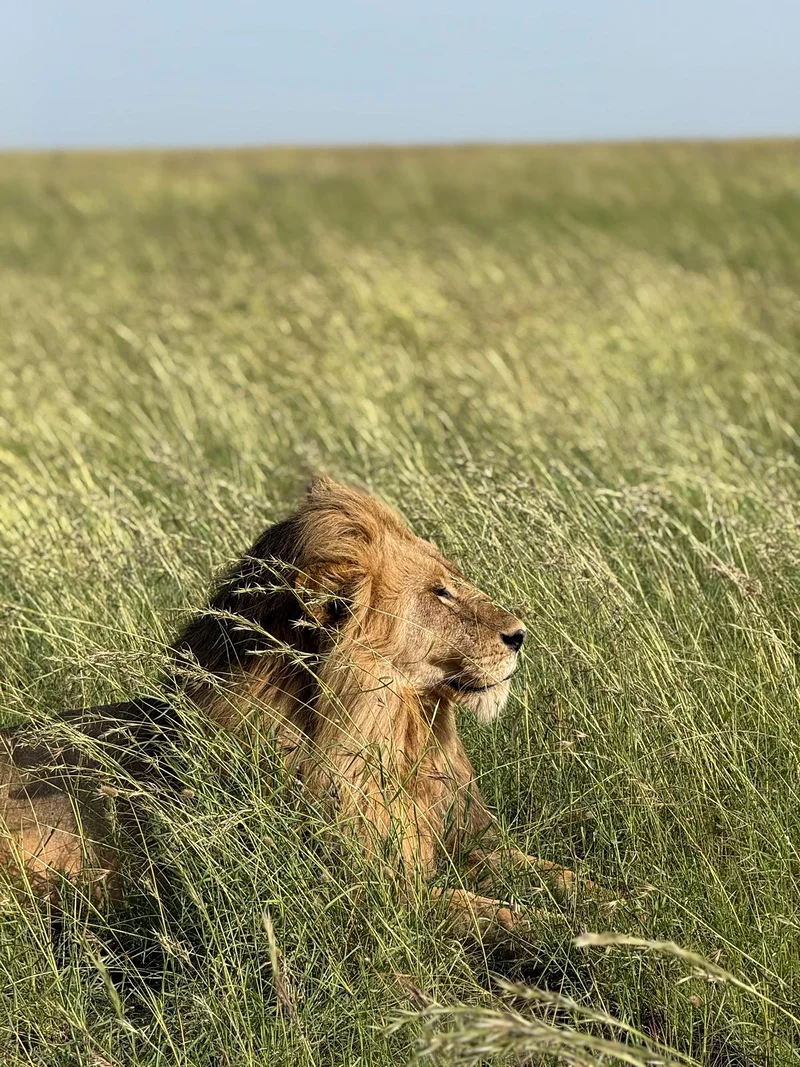
I was lucky enough to experience an unforgettable safari in Tanzania. I witnessed moments of rare beauty. The national parks are the stage for extraordinary wildlife, ready to amaze you at every turn.
Today, I want to share these magical moments with you, along with my tips for fully experiencing such an adventure.

My preparations for the trip of a lifetime
Even before setting foot in these lands, I remember myself deep in preparation, pen and paper in hand, scouring blogs and reviews. It was a true investigation; I spent sleepless nights comparing parks and trying to figure out when to go. Not out of obligation, but out of passion. Because preparing a trip is already traveling a little bit. For this safari, my lifelong dream, I wanted to know everything before taking the plunge.
I almost made the mistake of thinking there was only one good season for a safari in Tanzania. I discovered that the best time isn't a date on a calendar, it's the one that matches YOUR dreams.
When to go on a safari in Tanzania? It depends!

There is no single kind of safari. To each their own adventure. To each their own desires. Do you dream of a cloudless sky? Spotting as many animals as possible? Witnessing the Great Migration? Capturing THAT perfect photo? Traveling on a budget? Enjoying unforgettable family moments?
So, what is the best time for the safari of YOUR dreams in Tanzania? In this article, I take you on a journey through each season to find the moment that suits you, the one that will make your heart skip a beat.
And to make your safari an unforgettable experience, I'll share my practical tips for preparing your trip and savoring every moment on the ground.
In a rush?
Here is a summary calendar of Tanzanian safaris based on your preferences
| Period | Recommended Safari | Zanzibar | Kilimanjaro |
|---|---|---|---|
|
January - February
Average rates
|
🦒 Witness the calving season
📷 Photographers & adventurers
Calving season in the southern Serengeti (Ndutu) - Over 500,000 calves are born within a few weeks. Intense predator activity. Lush, luminous landscapes. ☁️ Green season, short late-afternoon showers • Tall grass • Fewer tourists
|
||
|
March - April - May
Low rates
|
📷 Photographers & adventurers
💰 Tight budget
For adventurers and lovers of grand landscapes - Lush savannah, striking light after the showers, migratory birds. An intimate safari experience, feeling almost alone in the world. Patience required for wildlife viewing. 🌧️ Long rainy season, heavy rain • Dense vegetation • Very few tourists • Experienced guide recommended
|
||
|
June - July
High rates
|
🦁 Maximum wildlife
👨👩👧👦 Family safari
Ideal dry season for easy wildlife viewing - Sparse vegetation, animals gathered around water sources. Perfect for a first safari or traveling with kids. Big Five guaranteed. ☀️ Dry season, blue skies, pleasant temperatures • Peak tourist season • Book early
|
||
|
August - September
Very high rates
|
🦬 Great Migration
🦁 Maximum wildlife
👨👩👧👦 Family safari
⭐ THE time for the Great Migration - Spectacular Mara River crossings. Millions of wildebeest, zebras, and antelopes. Unmatched moments of intensity. Maximum wildlife concentration. ☀️ Peak of the dry season • Very high tourist crowds • Early booking absolutely essential
|
||
|
October
High rates
|
🦁 Maximum wildlife
👨👩👧👦 Family safari
End of the dry season with fewer crowds - Excellent wildlife viewing. The herds start heading back south. Great value-to-crowds compromise. ☀️ End of dry season, rising temperatures • Crowds thinning out gradually
|
||
|
November - December
Low/medium rates
|
💰 Tight budget
📷 Photographers
Short rainy season, a good compromise - Lush landscapes, intimate safari experience. Animals are back in the south. Attractive prices. Ideal for November if it's your first safari. 🌧️ Short showers (often late in the day) • Few tourists • Lush nature
|
🎯 Find YOUR ideal period based on your preferences:
💡 Our advice: There isn't just ONE right time for a safari in Tanzania. The best time is the one that matches YOUR dreams and YOUR priorities!
Find the best agency for your safari here
Now, here is my detailed breakdown 😊
The big question: what is YOUR ideal safari?
Let's start by figuring out what really makes you tick. The best time to go depends entirely on what you're dreaming of seeing, feeling, and experiencing.
Profile 1: "I want to see as many animals as possible, as easily as possible"
The choice for the peak dry season: June to October
During the dry season, from June to October, the vegetation thins out, and wildlife reveals itself as far as the eye can see. Personally, October is when I visited.
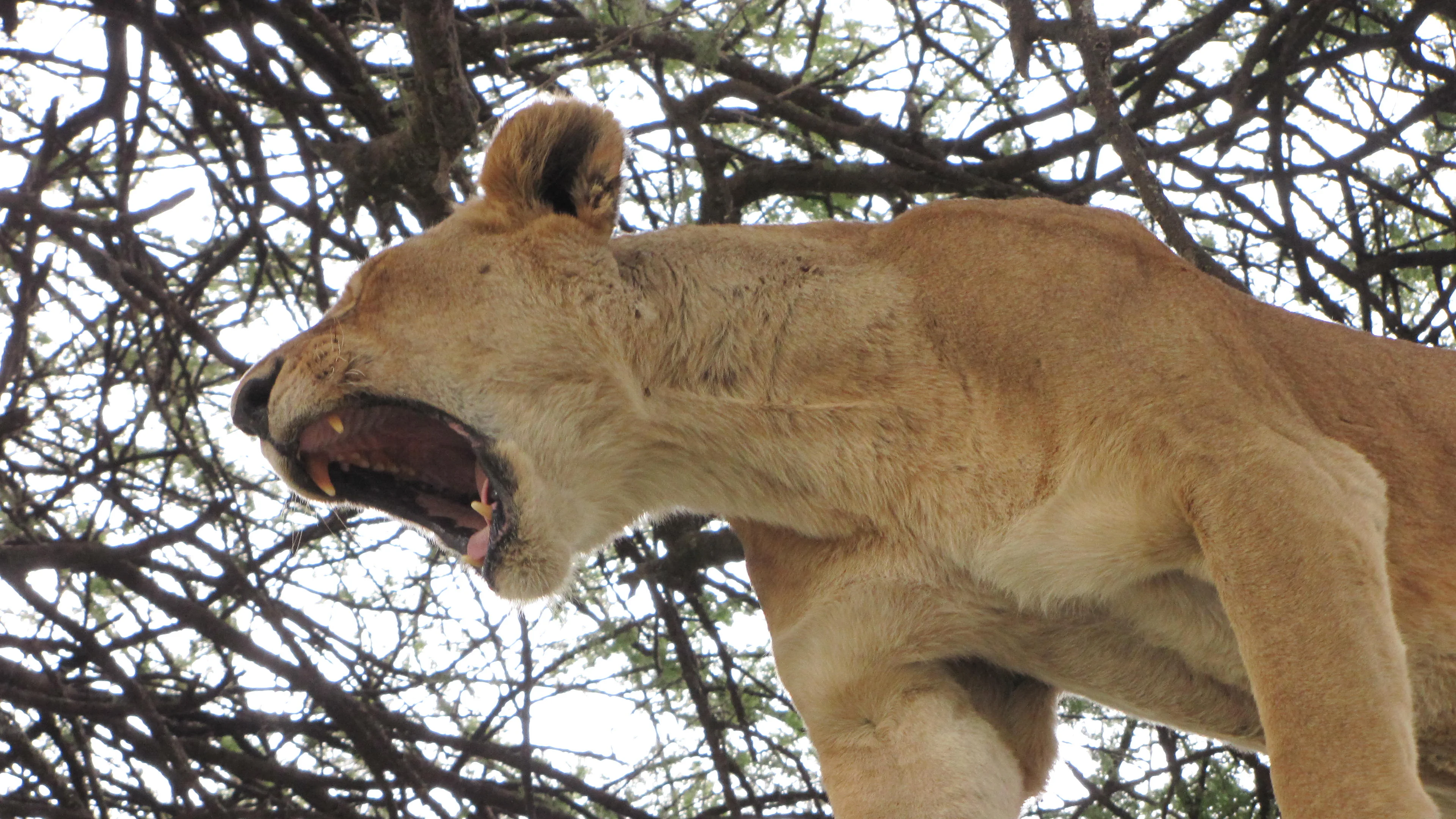
I remember a tree where up to 12 lionesses were dozing on the branches, while just a few feet away, a herd of zebras crossed the savanna, carefree as if time itself had stopped. It was a moment etched into my memory forever. Wild animals moving through their own world, while I watched this living spectacle, deeply moved.

As the dry season settles in, the savanna takes on an ocher dusting of dry earth. Only a few waterholes remain, turning into the backdrop for spectacular wildlife encounters. Under these conditions, the legendary Big Five won't slip past you!
Pros:
- Ideal season for spotting the maximum number of animals
- Temperatures remain pleasant
- No rain, clear blue skies
Cons:
- It's the peak tourist season
- You'll run into plenty of 4x4s on the tracks, especially in the Ngorongoro Crater. In the Serengeti, this crowding is a bit less noticeable thanks to the sheer vastness of the landscape
- Prices are higher
- You need to book early if you want to choose "your" tour, the one that really fits you
Profile 2: "My dream is the Great Migration!"
August and September
To experience the spectacle of the Great Migration, aim for August and September. You'll be mesmerized by the extraordinary choreography that brings the savanna and vast plains to life.
Every year, millions of wildebeest, accompanied by thousands of zebras and antelopes, march in an endless procession between Tanzania and Kenya in search of fresh pastures.
You'll watch the animals hold back, hesitate, and then plunge into perilous river crossings, such as the Mara. Moments of rare intensity.
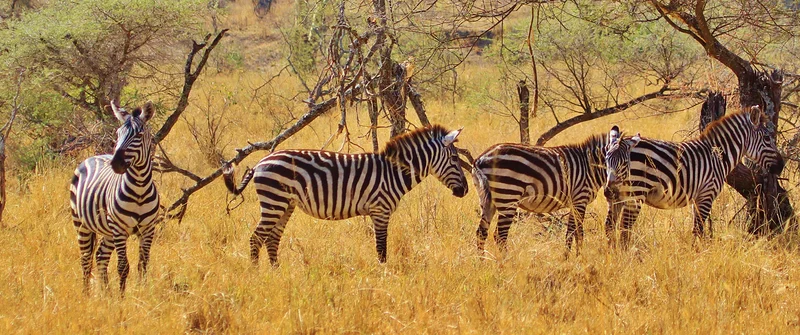
I didn't get the chance to go on safari during the Great Migration period. Yet even in October, the savanna offered up an unforgettable show. Everywhere you look, entire families of zebras, wildebeest, and antelopes animate the landscape: some cross the plains in herds, others come to drink at scattered waterholes. I still remember the unique sound of the zebras, their neighing echoing in the distance, carried by the wind. These calls weave a bond between them, like a language used to warn of danger, gather the group, or find a lost companion.
I can only imagine the spectacles the animals put on during the green season... it must be simply exceptional. The lush green plains, the swollen rivers, and this moving, even more abundant wildlife... a wilderness of breathtaking beauty.

Pros:
- Guaranteed sightings of maximum wildlife
- You get to witness the famous river crossings
- Temperatures stay pleasant
Cons:
- Highest price tag of the year
- You have to book very early to guarantee a spot
- Parks are packed with 4x4s
Profile 3: "My dream is to witness the birth season!"
The secret of the green season: January and February
January and February mark the birthing season. If you want to witness unforgettable scenes, watching baby wildebeest being born and trying to stand on wobbly legs, this is the ideal time.
These scenes of daily life mostly play out in the Ndutu region, in the southern part of Serengeti National Park.
Meanwhile, felines and predators lurk around every corner, waiting for the right moment. You'll have the chance to witness some truly exceptional hunting scenes. It’s raw, wild, and completely mesmerizing.
During my safari, I was incredibly lucky to spot a leopard that had just caught a small antelope. In a single bound, it started scaling a tree trunk to haul its prey up to safety, far away from scavengers. That sight, both brutal and breathtaking, remains one of the most striking moments of my trip.

Pros:
- Birthing season
- High predator activity
- Fewer tourists around
- Prices start dropping
Cons:
- Weather is mostly nice, but regular thunderstorms occur, especially late in the day
- Tall grass makes spotting wildlife trickier, particularly hidden cats, it takes extra patience to catch sight of them
Profile 4: "I'm a photographer, I love epic landscapes, and I want to escape the crowds"
The bold choice of the rainy seasons: November-December and March-May
Right after a downpour, the light becomes unbelievably crisp and striking, and the skies fill with shifting colors. You feel completely alone in the world, far from the "highway" safaris, with just the silence of the savanna for company. The newly green plains burst with fascinating life. Huge flocks of migratory birds paint the sky, while animals make the most of the gleaming waterholes.
Every single moment brings a unique chance to capture the beauty of these living landscapes. Every day is full of unexpected twists, a muddy track turning impassable or a lodge becoming out of reach... but that's also what gives the adventure its charm. A season highly recommended for hardcore adventurers.

Pros:
- Low crowds in the parks
- Intimate experience
- Ideal time for catching exceptional shots
Cons:
- Very high chance of rain
- You need to roll with the punches
- Traveling with an experienced guide is essential
Profile 5: "I'm on a tight budget and want the best possible rates"
The rainy season choice: November-December and March-May
This is the rainy season. During this time, nature regenerates and the parks take on a much more peaceful atmosphere.
Prices are softer and the safari feels much more intimate. You get that feeling of being totally alone on Earth. The savanna turns a vibrant green, and the landscape is lush. Wildlife viewing is still good, but it takes more patience than during the dry season.
In November and December, it's the short rainy season. Showers happen, but they don't last long, often hitting late in the day. From March to May, the rains are heavy, this is the long rainy season. If you aren't much of an adventurer, or if this is your first safari, go with November.
Before heading out, I browsed blogs and websites covering every possible safari accommodation style, from luxury lodges to more rustic camps. I ended up going with a mix of both, and I don't regret choosing the tented option one bit. One night, I had an unreal moment when, right out of the darkness, the silhouettes of wildebeests loomed between the tents, moving slowly and silently right through camp as if we were part of their territory.

Pros:
- Low crowds in the parks
- Rates are at their lowest
Cons:
- There's a real risk of rain
- Some tracks can become impassable
- You need to set out with an experienced guide
Profile 6: "I want to go on a family safari with my kids"
I recommend the dry season: June to October
For a family safari that will thrill both kids and adults, the dry season is ideal. Animals gather around water sources, making sightings easy and spectacular, and the roads are much easier to navigate.
It's the perfect opportunity to share unforgettable moments with your kids, introduce them to the beauty of nature and wildlife, and enjoy a comfortable, safe safari for the whole family.
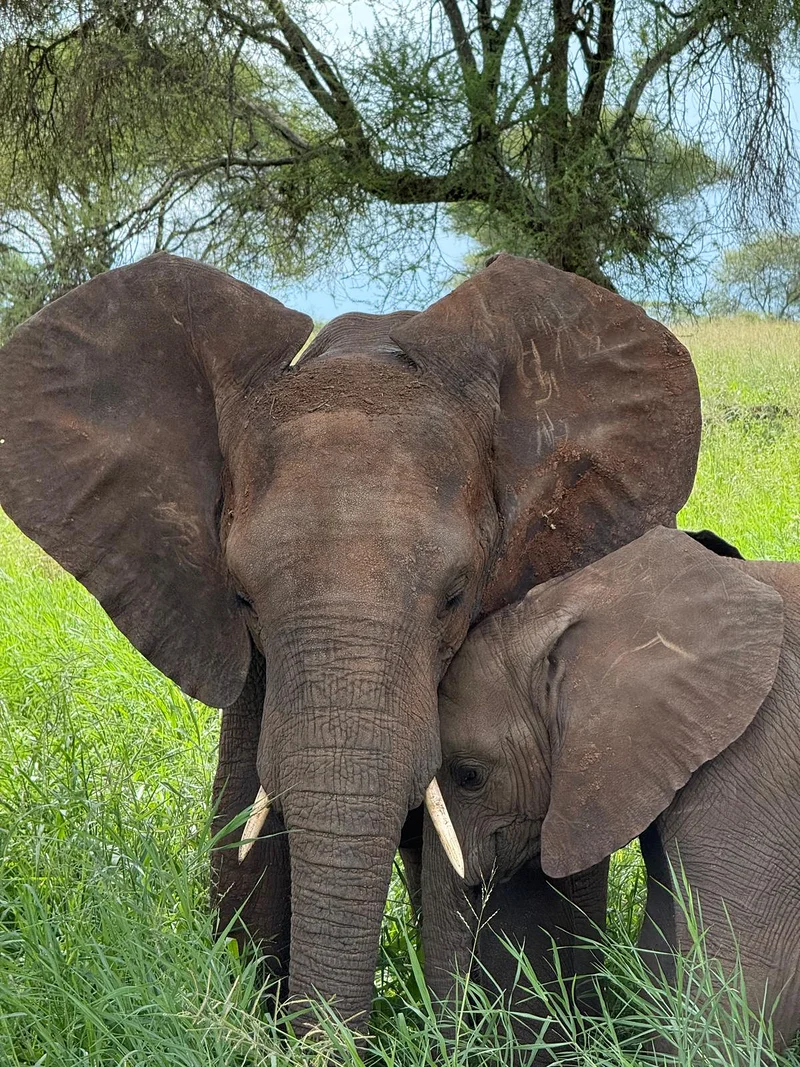
Like me, you'll likely get the chance to witness some fascinating scenes: impressive elephant showdowns, or even rarer, a tender moment as a mother elephant helps her calf. Out in the savanna, majestic giraffes tower between the trees, stretching their long necks to nibble the highest leaves, while families of monkeys chatter and play in the branches. These magical moments will stay etched in your children's memories forever.

Pros:
- Guaranteed to see the maximum amount of wildlife, especially the Big Five
- Temperatures stay comfortable
- No rain to worry about
- No unexpected surprises
Cons:
- You won't be alone at this time of year, it's peak tourist season
- Prices are higher
- You need to book "your" safari well in advance
Every season reveals its own magic and surprises. There is no single ideal time: the best season is the one that fits your dreams and wishes. By reaching out to a reliable local agency, you can put together an itinerary that will leave you spellbound.
Get your free custom safari quote here
Beyond the Tracks: What About Kili and Zanzibar?
Safari and trekking on top of Africa: when to experience the ultimate thrill?
Dreaming of combining a safari with climbing Mount Kilimanjaro? Keep in mind that the climb is possible year-round, but the best times are January, February and June, October.
- June to October: clear skies, moderate temperatures, and stunning views... but it's also peak season, so expect to cross paths with plenty of fellow hikers.
- January to February: a quieter period featuring pleasant, relatively dry weather, perfect for those who prefer to steer clear of the crowds.
- During the rainy season, the climb is still doable, but trails can be slippery and visibility reduced. This option is better suited for seasoned hikers.
Safari and Zanzibar: the ultimate combo
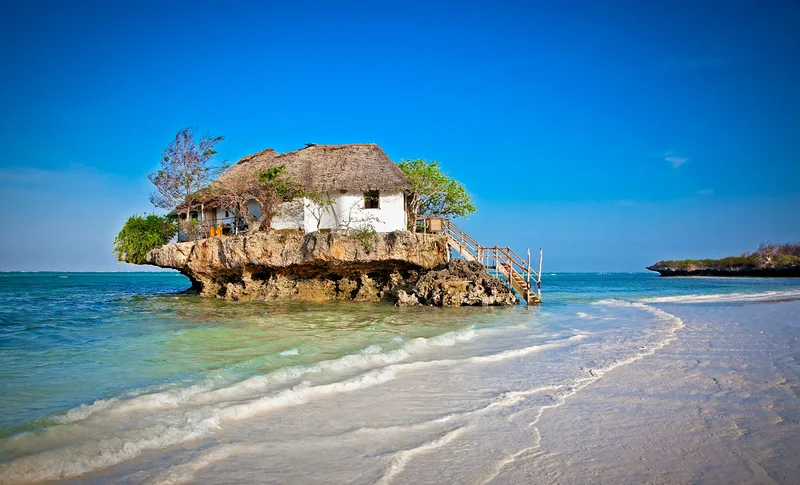
If you're dreaming of extending your safari onto the paradise beaches of Zanzibar, timing is everything.
Lapped by the Indian Ocean, the island offers a relaxing setting where white sand and turquoise waters blend with warm, shifting light. The climate is just like mainland Tanzania's:
- June to October: the dry season promises glorious days, perfect for lounging, exploring marine life, or wandering the narrow alleys of Stone Town.
- January to February: the green season brings short tropical showers that sometimes cool the air before giving way to brilliant sunshine. Zanzibar keeps all its charm, though, and remains a haven of relaxation.
For these multi-stop trips, don't worry, get in touch with a local specialist here who will craft your trip in the very best way possible.
A Word on the South: The Connoisseur's Alternative
Less famous than the renowned northern parks, the parks in southern Tanzania draw far fewer tourists and offer a more authentic, intimate experience.
The Selous Game Reserve, Mikumi National Park, and Ruaha National Park are ideal destinations for those seeking pure wilderness and safaris far from the crowds.
When is the best time to visit? The dry season remains the recommended period for a trip here, as it makes wildlife viewing easier and keeps the tracks more accessible.
My Final Tips for the Safari of a Lifetime
I hope this article helps you pinpoint the best time to make your safari in Tanzania a truly unique experience. As you've probably gathered, there's no single universal "best" season: it all depends on what you want to see, your priorities, and your travel style.

Personally, I started out with a dry-season safari, and I was completely blown away by the abundance of wildlife and the stunning landscapes. Today, if I were to go back to Tanzania, I'd probably choose the green season to enjoy the lush, verdant scenery and a more intimate safari experience. I'd likely add on a Kilimanjaro trek, too.
There you have it, everything you need to choose the perfect time and start planning your next Tanzanian safari.
To wrap things up, a few essential tips:
- Book your safari well in advance,
- Choose an English-speaking guide unless you are totally fluent. Your guide will be with you for the entire trip, teaching you all about Tanzania, the Maasai people, the local safari economy, and animal habits and behaviors,
- Go with a local agency that really knows the ins and outs of the terrain,
- For a first-time safari, stick to the major national parks. I recommend the Serengeti, the Ngorongoro Crater, and Tarangire,
- On a safari, nature writes its own script. Wildlife sightings are never guaranteed in a specific spot. Be patient. Let yourself be surprised. Embrace the unexpected,
- Don't forget that a safari is so much more than just a simple outing. It's an immersive journey right into the heart of the wild, featuring landscapes and animals that will stay etched in your memory forever, no matter which season you pick.
This article gives you the basics, but every trip is unique. The best advice I can give you is to talk it over! Share your wishlist, budget, and wildlife-viewing dreams with a local expert to craft the tailor-made safari that's right for YOU.


Comments (0)
No comments yet. Be the first!