
Visiting the Ngorongoro Crater
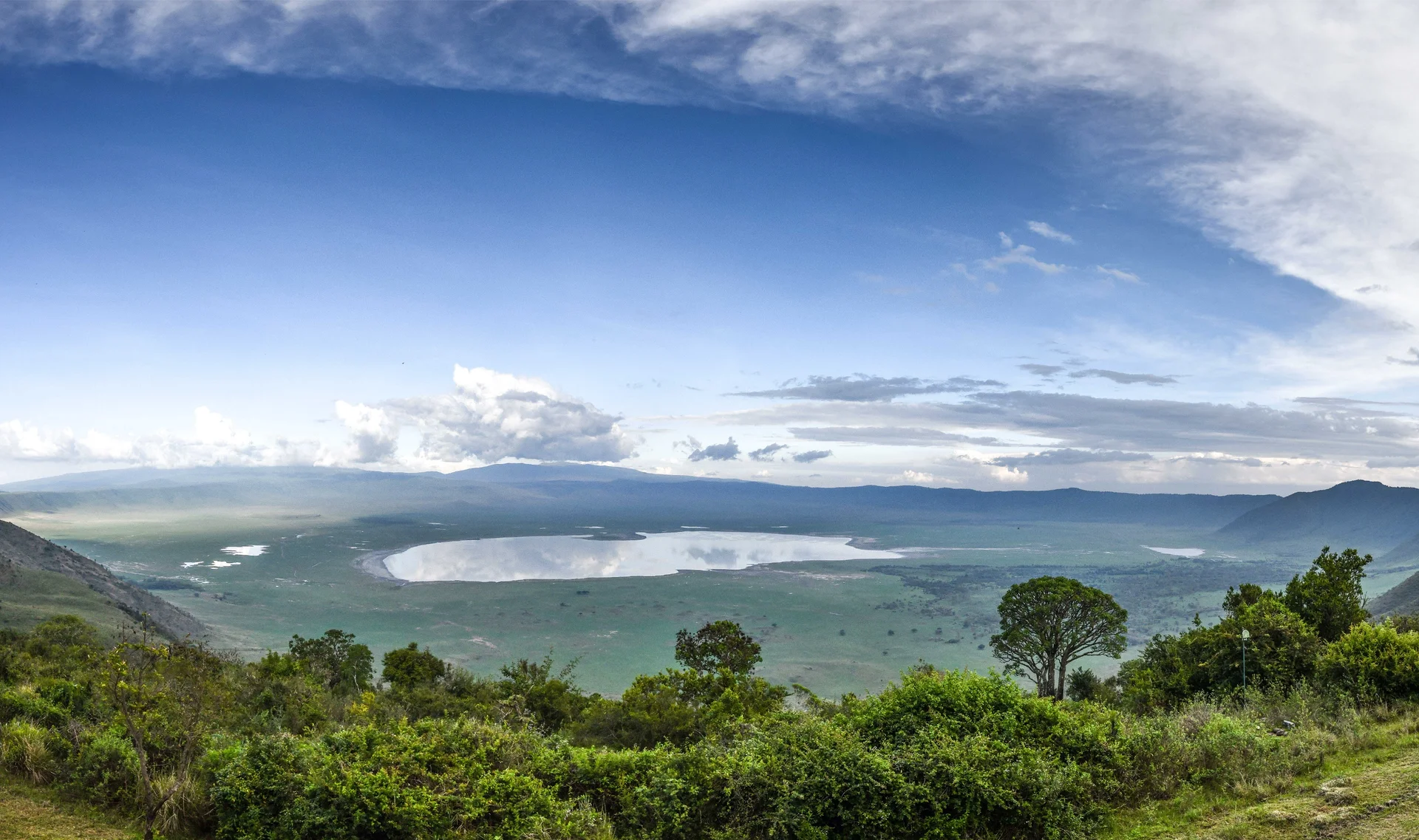
Located in northern Tanzania, the Ngorongoro Conservation Area is a UNESCO World Heritage site. This volcanic caldera, formed millions of years ago, is often called a natural Noah's Ark because of its dense wildlife population and distinct topography.
A unique geological formation
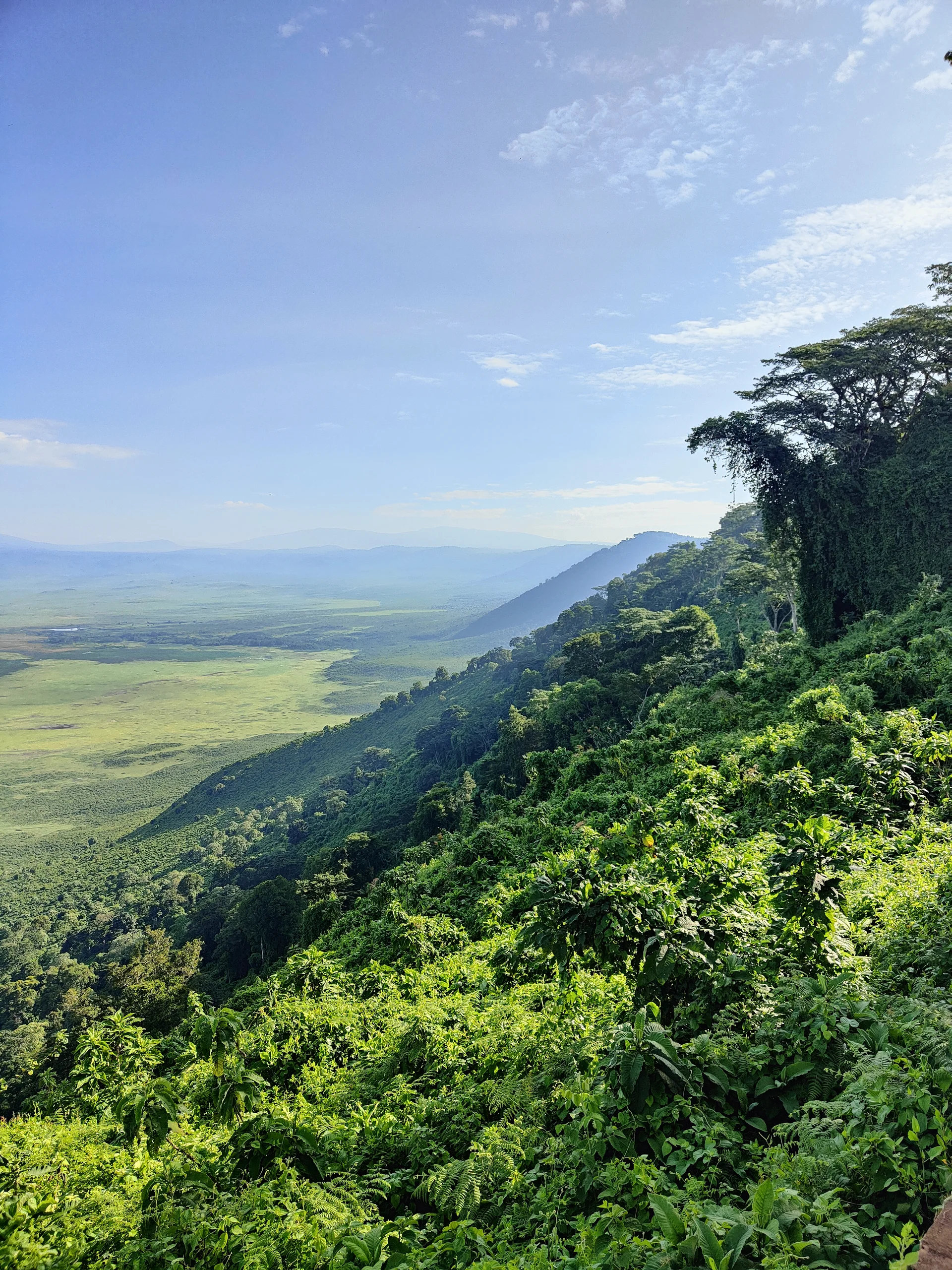
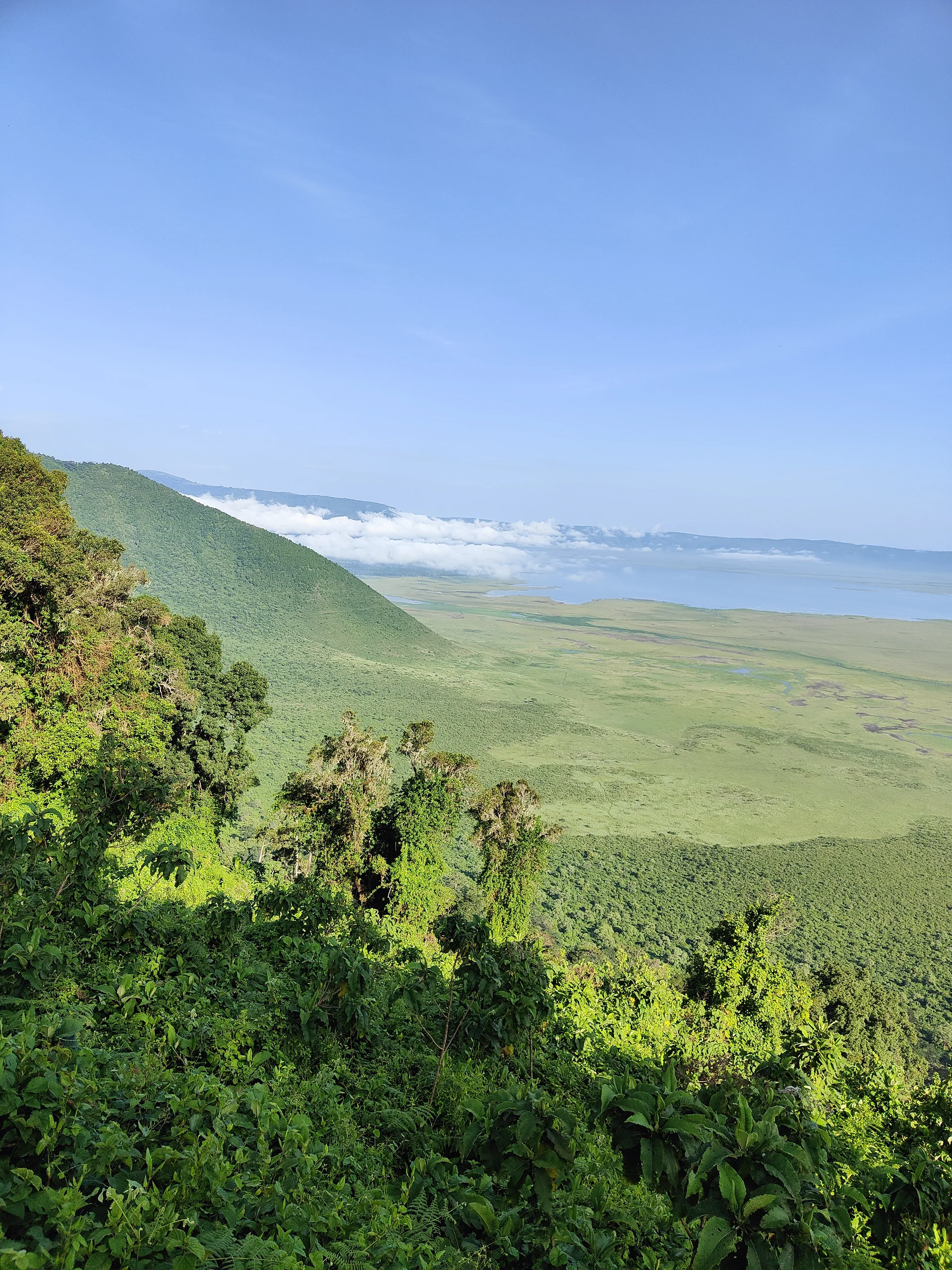
The Ngorongoro Crater, spanning 20 kilometers in diameter and reaching 600 meters in depth, stands as one of the largest intact calderas on the planet. This fertile basin, rimmed by high green walls, sustains an independent ecosystem where animals live sheltered from many outside threats.
Observing exceptional wildlife
The Ngorongoro reserve is a prime spot for viewing African wildlife. It hosts a high density of animals, including the famous "Big Five": lions, elephants, leopards, rhinoceroses, and buffaloes. It is also one of the few places in Tanzania where you can still spot the black rhinoceros, an endangered species. The expansive grasslands draw herds of zebras, wildebeests, and antelopes, while the local lakes and marshes support hippos and a wide array of bird species.
Safaris and dramatic vistas
A visit to the Ngorongoro Crater typically centers on a safari through its plains and forests. The viewpoints located on the crater rim provide expansive vistas, particularly at sunrise when the light hits the ridges and moving wildlife. You can explore the crater in a single day, though arriving early in the morning is recommended to see the most animal activity.

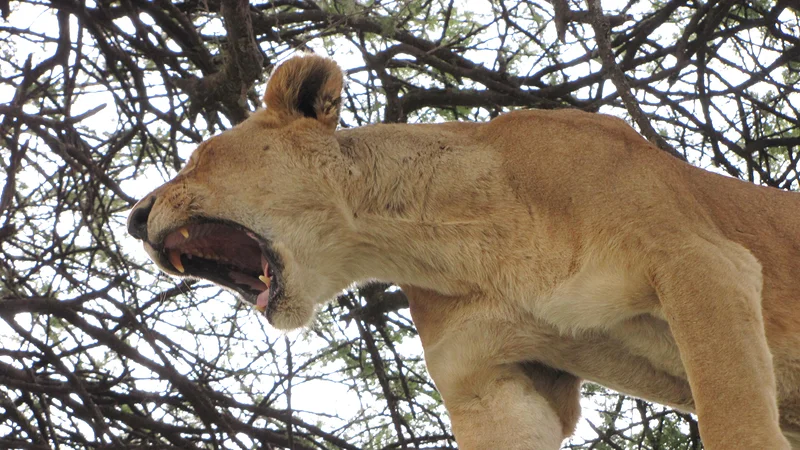
After a wonderful sunrise, heading to the Ngorongoro Crater, an absolute favorite, almost surreal. An entire ecosystem has formed in this huge caldera, the landscape itself is worth the trip, it is different from anything I have seen so far, if you were to do only one safari, I would choose this one!