Portugal: Where the Atlantic Still Echoes Through the Streets
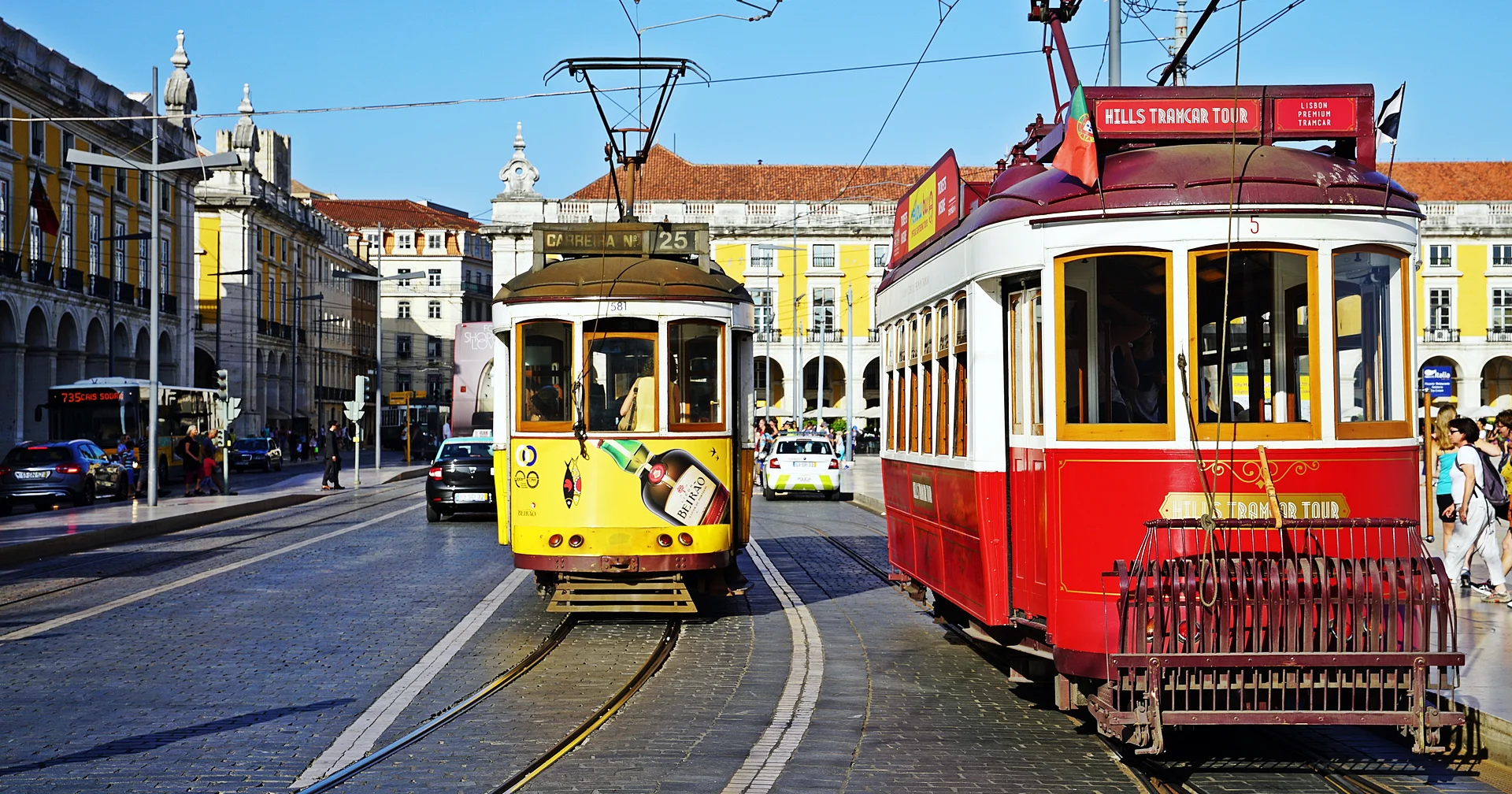
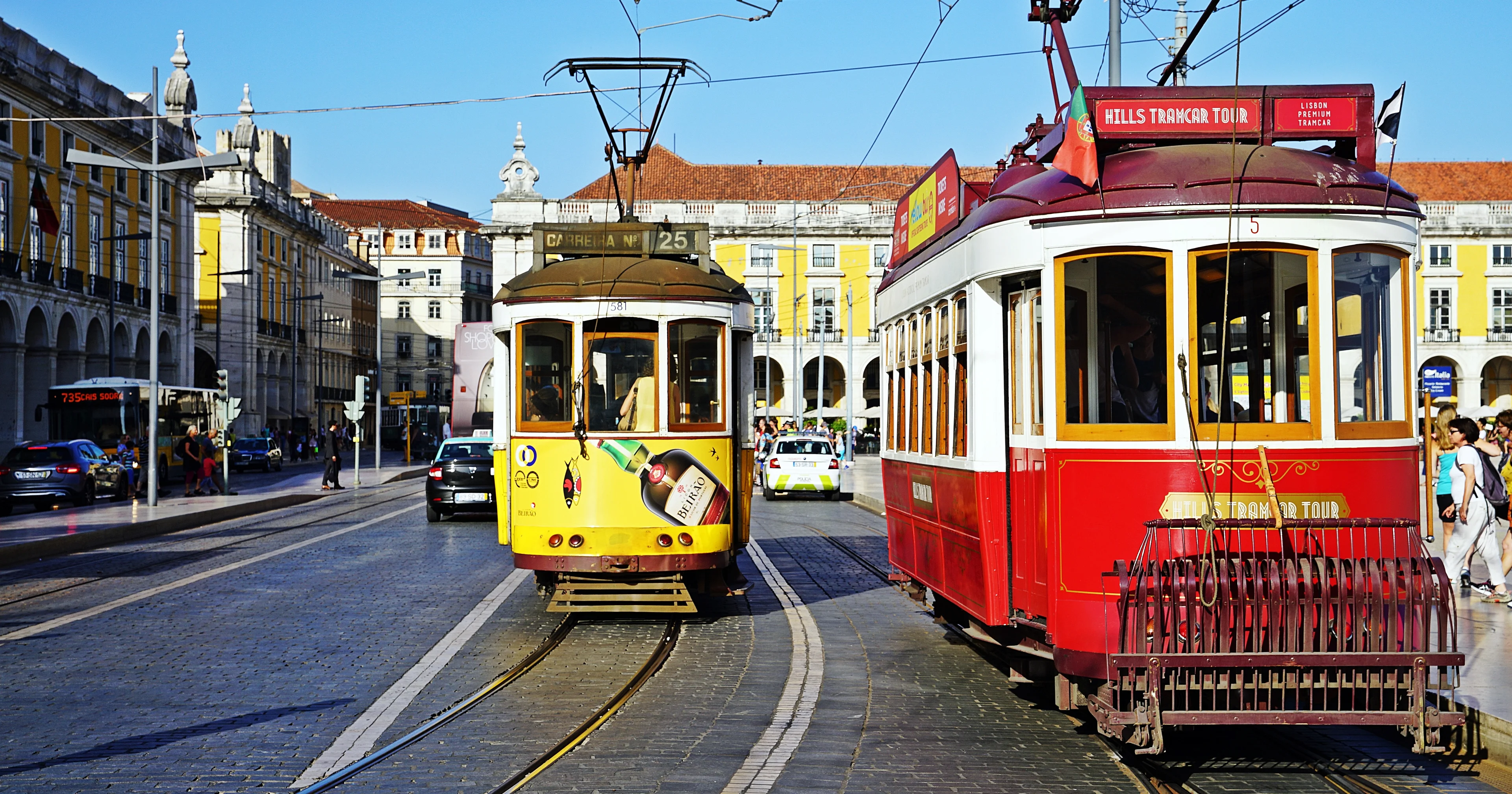
In Lisbon, the yellow tram scrapes through a lane so narrow that passengers could reach out and touch the azulejo tiles on the building facades. The smell of grilled sardines drifts up from a neighborhood restaurant while a fado voice slips through an open window. This country built its identity on seafaring, and it packs centuries of history into a compact stretch of land between mountains and ocean. That combination of depth and ease is why so many travelers keep coming back.
A Destination That Works for Almost Everyone
Portugal fits a wide range of travel styles. Culture lovers will find Manueline monasteries and UNESCO-listed historic districts. Families will appreciate the lifeguarded beaches of the Algarve and solid infrastructure. Hikers will find some of the best coastal trails in Europe. Food lovers will eat very well without spending much.
That said, Portugal may disappoint travelers looking for exotic landscapes or tropical beaches. The Atlantic stays cool even in summer. Lisbon and Porto now deal with serious overtourism, which has pushed prices up and changed the feel of some neighborhoods. English is widely spoken, the country is very safe, and public transportation works well enough to get around without a car in the cities.
Affordable by Western European Standards
Portugal is still one of the more budget-friendly destinations in Western Europe. A typical traveler can expect to spend between €70 and €120 per day (roughly $75-$130): a decent hotel room runs €60-€100/night ($65-$110), a sit-down meal costs €10-€20 ($11-$22), and a metro ride is around €1.50-€2 ($1.60-$2.20).
Lisbon and Porto: Two Cities, Two Personalities

Lisbon rewards the effort. The capital spreads across seven hills, and the neighborhoods that take the most climbing tend to be the most rewarding. Alfama, with its winding lanes and fado houses, holds onto the working-class soul the city was built on. São Jorge Castle gives you a panoramic view over the Tagus River and the city's ochre rooftops. Bairro Alto comes alive at night with bars and restaurants packed into a few compact blocks.

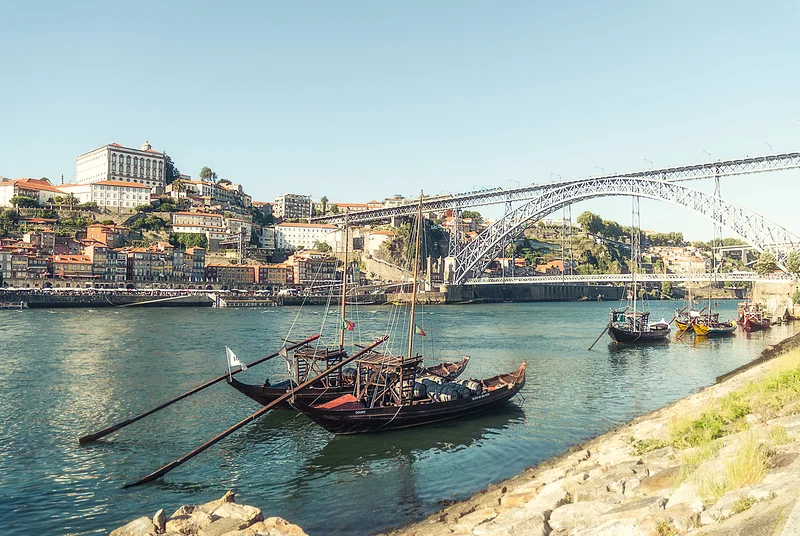
Porto operates on a different frequency. More compact and, many would argue, more authentic, it draws you in with its blue azulejo-covered facades, the Dom Luís I Bridge spanning the Douro River, and the port wine cellars lining the opposite bank. The Ribeira district, a UNESCO World Heritage Site, lines the riverfront with colorful townhouses. Porto still feels rougher around the edges than Lisbon, and less smoothed over by tourism.
Insider tip: Lisbon's Tram 28 has become a tourist trap, packed to the point where it's not worth it. Lines 12 or 25 cover similar ground with far fewer crowds, or ride Tram 28 from the terminus early in the morning before the lines form.
The Algarve: Ochre Cliffs and Turquoise Water

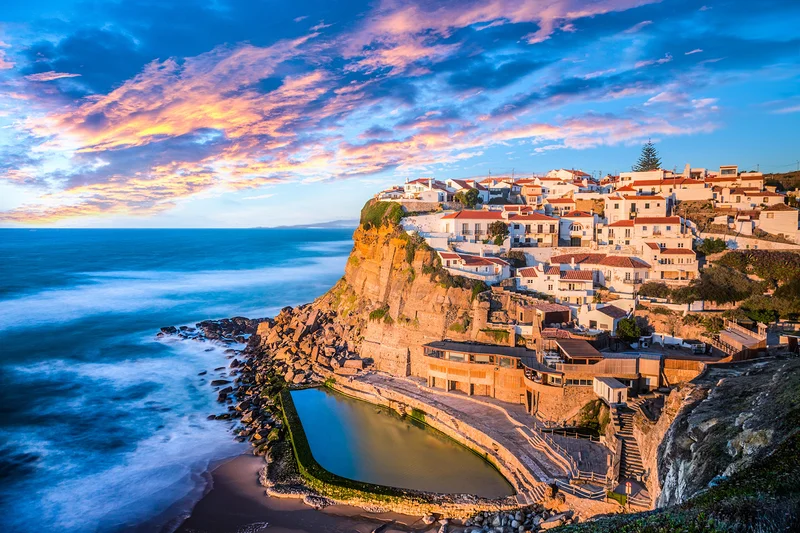
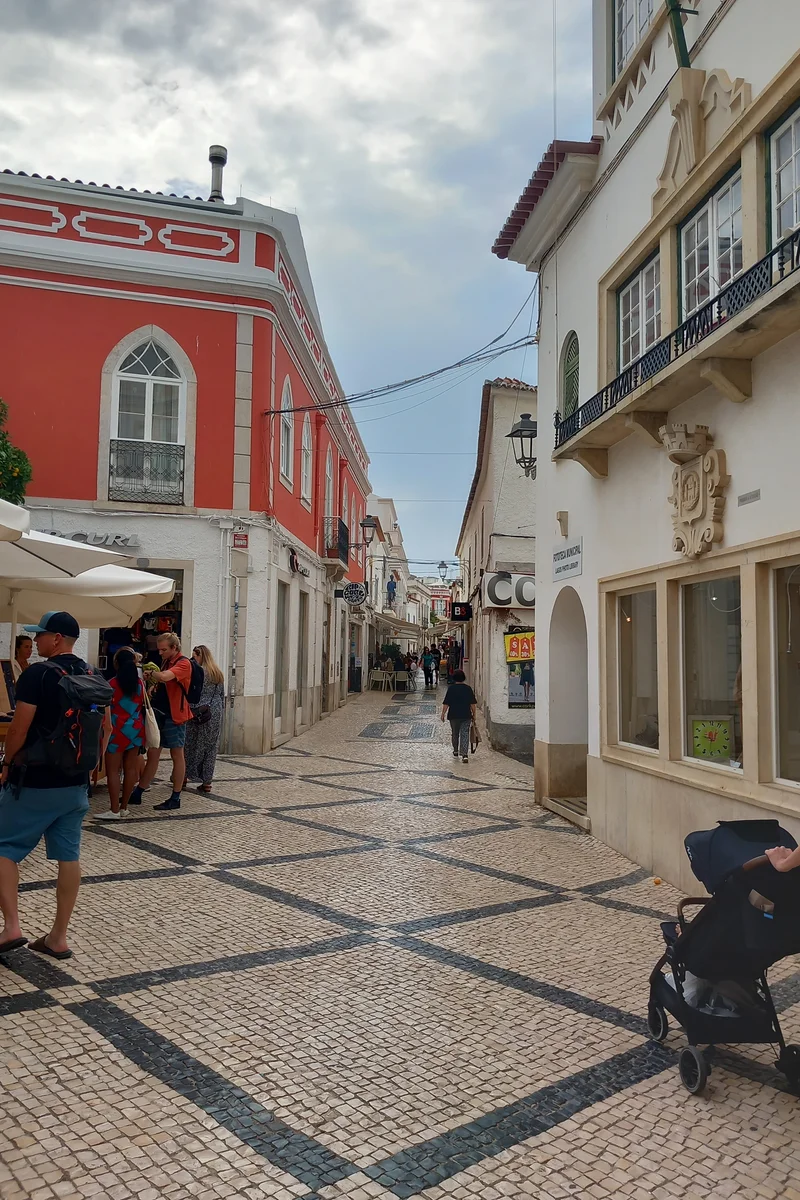
Southern Portugal is beach country. The golden limestone cliffs around Lagos drop into water that looks almost impossibly blue. Praia da Marinha regularly ranks among the best beaches in Europe. Albufeira is where you go if you want nightlife and resort-style amenities.
To escape the crowds, head west. Sagres and Cape St. Vincent, the southwesternmost point of continental Europe, offer wilder, more open scenery. The Costa Vicentina, protected as a natural park, stretches for miles of nearly empty beach, including Praia da Bordeira. To the east, Tavira has a quieter pace, 37 churches, and a barrier island you reach by boat.
The Coastal Alentejo
Between Lisbon and the Algarve, the Sado Estuary Nature Reserve is home to a resident dolphin population you can observe on boat tours from Setúbal. The beaches at Comporta and Tróia attract a more upscale crowd but remain relatively undeveloped. Arrábida Natural Park hides small coves that are only reachable on foot.
The Interior: Hilltop Villages and Terraced Vineyards

Óbidos, with its medieval walls, sits about an hour from Lisbon. The white-washed lanes lined with bougainvillea draw visitors, but the village holds its character. Monsaraz, perched on a hill above Lake Alqueva (the largest artificial lake in Europe), delivers memorable sunsets.
Further north, Monsanto is genuinely strange: houses built between massive granite boulders on a hillside that looks like it shouldn't support a village at all. It was once voted "the most Portuguese village in Portugal" and earns a day trip for the atmosphere alone. The Aldeias do Xisto, a network of schist stone villages tucked into the central mountains, offer hiking and well-preserved architecture well off the standard tourist circuit.

The Serra da Estrela, the highest point on the Portuguese mainland at 1,993 meters (6,539 feet), even gets enough snow for skiing in winter. Peneda-Gerês National Park, the only national park in the country, has waterfalls, wild ponies, and villages that feel cut off from the modern world. The Douro Valley, a UNESCO World Heritage Site, spreads across 250,000 hectares (617,000 acres) of terraced vineyards. A river cruise or a scenic drive through the valley is one of the most photogenic stretches of landscape in Europe.
Insider tip: Tomar, about an hour from Lisbon, is home to the Convent of Christ, the former headquarters of the Knights Templar and later the Order of Christ. It sees far fewer visitors than Sintra and deserves a full day.
The Atlantic Islands
The Azores, about 1,500 km (930 miles) off the coast, are a completely different version of Portugal: volcanic, green, and raw. São Miguel, the largest island, has crater lakes like Sete Cidades and natural hot springs at Furnas. The island of Flores, harder to reach, rewards the effort with waterfalls and untouched landscapes.
Madeira, closer to Africa than to Lisbon, is built for hiking. The island's levadas, centuries-old irrigation channels that crisscross more than 2,500 km (1,550 miles) of terrain, double as hiking trails. The subtropical climate means you can hike year-round.
Eating in Portugal: Salt Cod, Grilled Fish, and Custard Tarts

Salt cod, known as bacalhau, supposedly has more than 365 recipes in Portugal, one for every day of the year. Bacalhau à brás combines shredded cod with shoestring potatoes and scrambled eggs. Grilled sardines take over the streets in summer, especially during the Feast of Saint Anthony in Lisbon every June. Caldo verde, a simple soup of kale and chorizo, is the comfort food of the north.
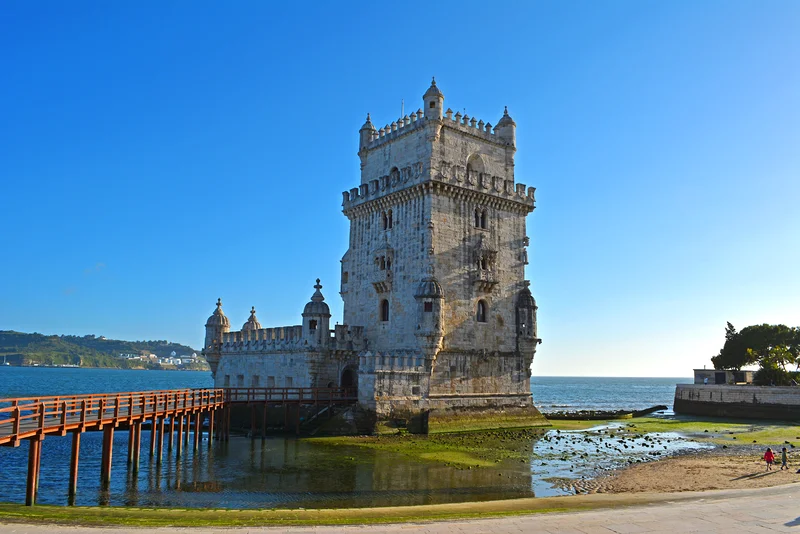
Pastéis de nata live up to the hype. These flaky custard tarts, caramelized on top, go with morning coffee or an afternoon break. The original bakery in Belém in Lisbon has been making them since 1837, but every pastry shop in the country has its own version. Port wine is best tasted in the cellars of Vila Nova de Gaia, just across the river from Porto. Vinho verde, the lightly sparkling white wine from the north, pairs well with seafood.
When to Go to Portugal
The climate is mild enough to visit year-round. The south and the Algarve stay pleasant even in winter, with temperatures around 59°F (15°C). The north and interior get cooler and wetter in winter. For mainland Portugal, the best window is May through October.
Summer brings crowds to the coast and pushes prices up. Spring and fall are the sweet spot: good weather, manageable crowds, and lower rates. Madeira is a year-round destination. The Azores are best from June to September, when temperatures hit 72-77°F (22-25°C).
Getting to Portugal from the US
From the US, you're looking at roughly 7-8 hours nonstop to Lisbon from the East Coast, with flights available from New York, Boston, and other major hubs. TAP Air Portugal, United, Delta, and American all serve the route. US citizens travel to Portugal visa-free for stays up to 90 days, and no special documentation beyond a valid US passport is required.
For Madeira, plan on a connecting flight through Lisbon or another European hub, adding a few hours to your total travel time. The Azores can be reached with a connection in Lisbon, and TAP Air Portugal handles most island routes. Inter-island travel within the Azores is possible by ferry, which takes longer but gives you a real sense of the archipelago.
Getting Around Portugal
The national rail network, CP, connects the main cities on the mainland. Lisbon to Porto takes about 3 hours on the fast train, with tickets running €25-€35 ($27-$38). Book ahead, especially on weekends, as trains fill up fast.
Renting a car makes the most sense if you're exploring the Algarve, the Douro Valley, or the Alentejo. Budget around €25-€40 per day ($27-$44) for a compact car. Roads are generally in good condition, and most highways are tolled. In the Azores, ferries connect the islands and are a scenic alternative to flying if you have the time.