Algeria: Africa's biggest country that nobody visits yet
Just a short flight from major European hubs, the largest country in Africa is strangely missing from global tourism radars. There are no jammed crowds or packed stretches of sand here. Instead, you get 2.4 million square kilometers of Mediterranean coast, Berber mountain ranges, and the Sahara Desert, shared with a foreign visitor count that remains surprisingly low.
A destination where you have to choose your side
This is not a trip for everyone, and that is precisely what makes it so rewarding. Tourism infrastructure is still limited, getting around takes careful planning, and certain areas of the Deep South require a licensed local guide. But for travelers who accept those constraints, the payoff is immense.
Ideal destination for:
- Desert lovers and fans of vast Saharan expanses
- Archaeology enthusiasts and Roman ruin buffs
- Hikers drawn to the Hoggar or Kabylie mountain ranges
- Travelers looking for genuine human connections untouched by mass tourism
- Anyone curious about Berber and Arab-Andalusian culture
- Travelers on a tight budget wanting an affordable Mediterranean getaway
Unsuitable destination for:
- Travelers expecting a well-oiled tourism machine with English-speaking guides and boutique hotels
- Nightlife and party seekers
- Those wanting to rent a car and drive freely across the entire country
- Inexperienced solo female travelers venturing outside major cities
- Fans of classic beach resort all-inclusives
One of the most budget-friendly destinations in the Mediterranean basin
| Trip type | Where | Duration | Estimated budget |
|---|---|---|---|
| Beach getaway | Bejaia / Mostaganem | 1 week | $340 to $680* |
| Guided Saharan trek | Tamanrasset / Hoggar | 10 days | $790 to $1,570* |
| Cultural city trip | Algiers / Constantine / Tlemcen | 5 days | $280 to $560* |
| Archaeological road trip | Timgad / Tipasa / Djemila | 10 days | $450 to $900* |
| Mountain hiking | Kabylie / Djurdjura | 1 week | $340 to $680* |
Is it dangerous to travel in Algeria?
Algeria's rough reputation stems from the civil war of the 1990s. The country has changed profoundly since then. The terrorism risk has dropped sharply, and northern major cities are safe for foreign visitors. Still, check government travel advisories before you head out, and register with your embassy's traveler tracking program if available to receive safety alerts.
Two areas require increased vigilance: the border regions with Libya and Mali, and parts of the Deep South where a licensed local guide is mandatory. These requirements should not scare you off, as they are simply part of planning a trip to a country that remains off the beaten path.
Solo female travel in Algeria
This subject deserves an honest discussion. Algerian society remains conservative, and women traveling alone may encounter lingering stares or comments, especially outside major cities. This is no reason to skip the trip, but it helps to be prepared.
Wearing clothing that covers your shoulders and knees cuts down on those situations significantly. For Saharan regions, traveling with a companion or joining an organized group is recommended. Algerian women often prove to be wonderful allies, so do not hesitate to strike up a conversation with them in public transit or public spaces.
1,200 km of coastline, and almost nobody there

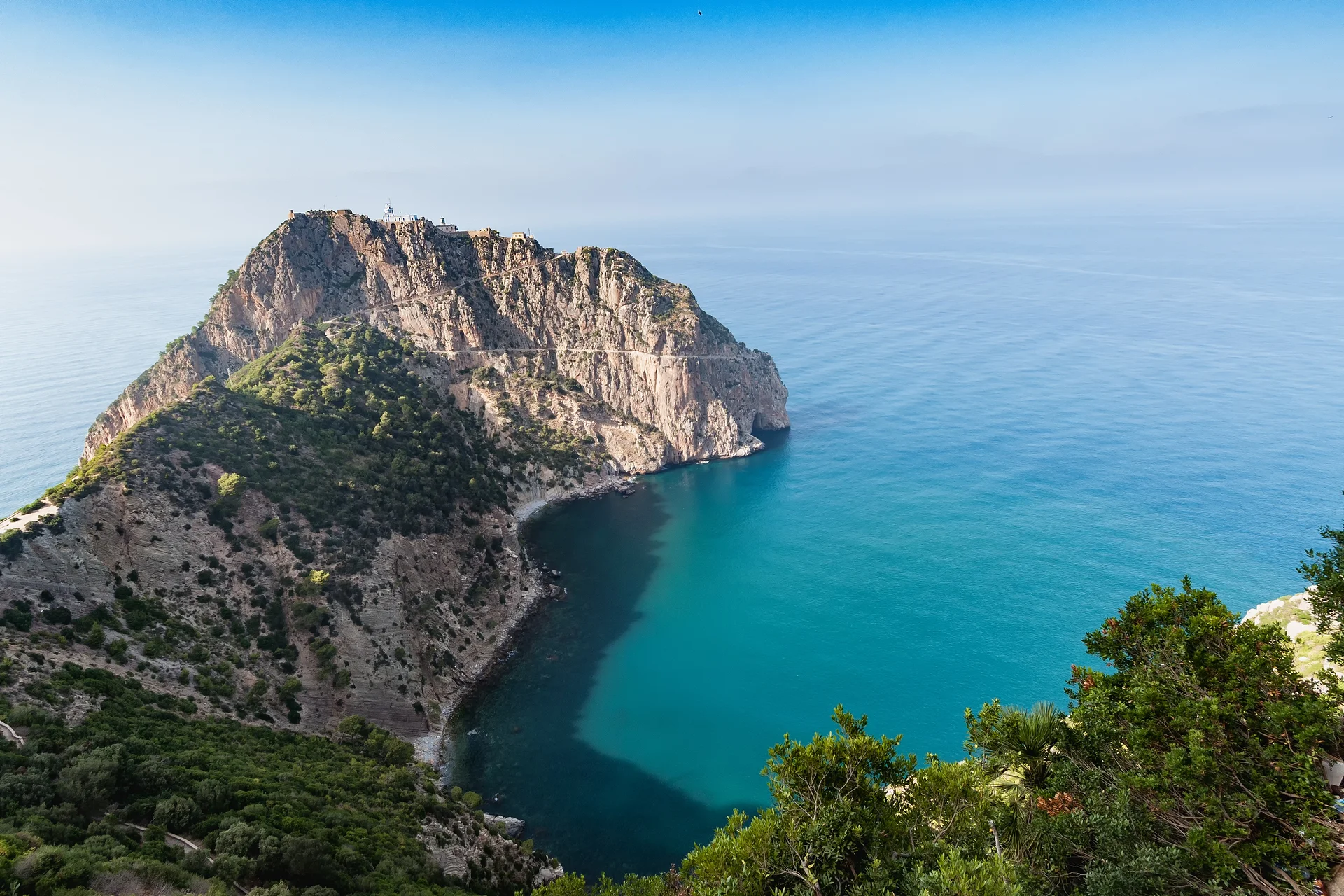
The Algerian coastline is one of the Mediterranean's best-kept secrets. It lacks heavy concrete development and rarely appears in European tour catalogs, offering clear-water beaches that you will often have entirely to yourself outside of July and August. Locals enjoy beach vacations too.
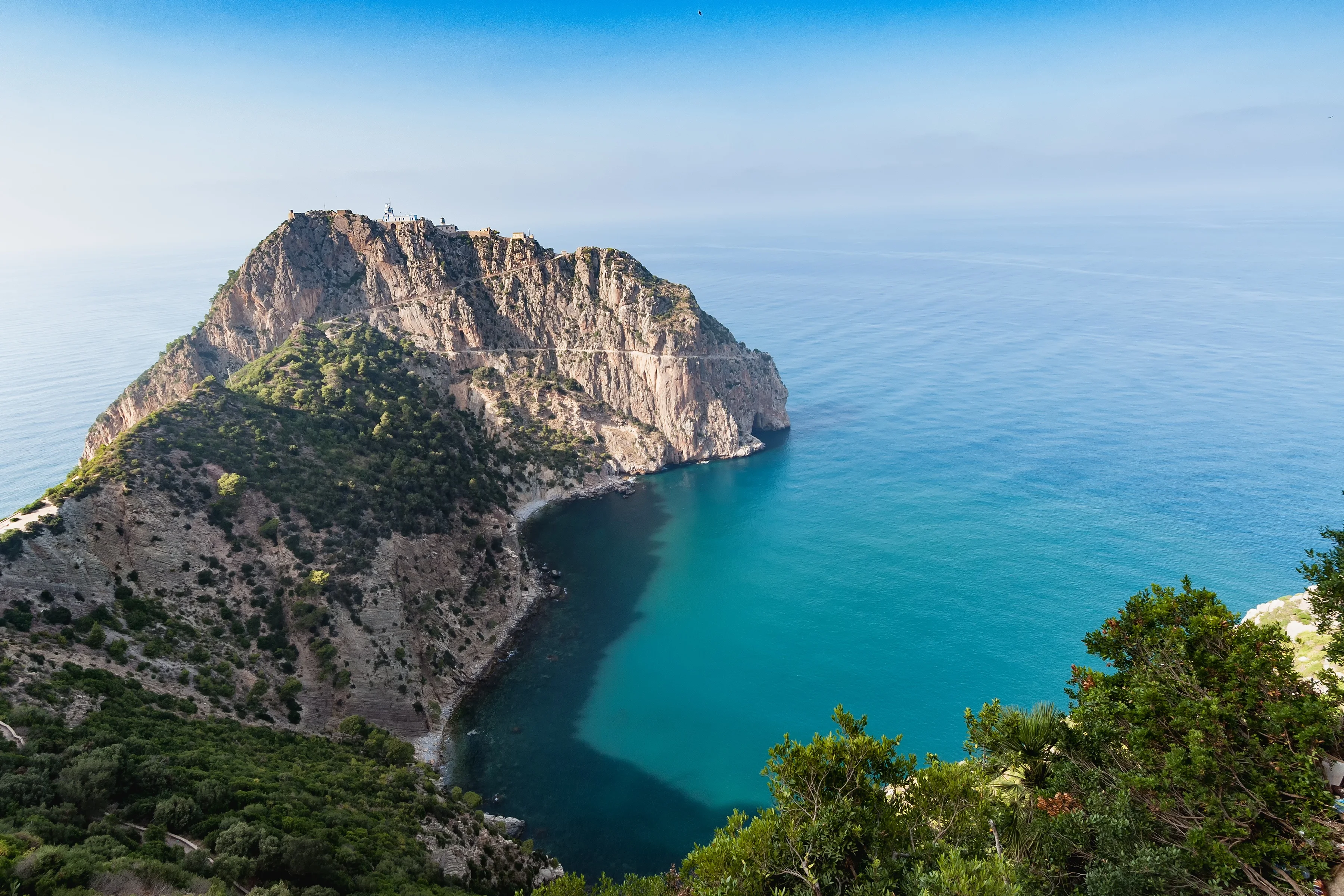
Bejaia, in Lesser Kabylie, pairs the sea and mountains with rare efficiency. The beaches at Saket and Tichy are gorgeous, and the nearby Gouraya National Park delivers striking wild scenery. Further west, Mostaganem charms visitors with family-friendly beaches like Les Sablettes and its preserved Ottoman architecture.
For travelers arriving through Algiers, Zeralda sits about thirty kilometers west of the capital as a quiet and well-equipped option.
Friendly tip: For turquoise waters and dramatic cliffs far from the crowds, head to Rachgoun and Sassel near Ain Temouchent in the far west. These beaches are must-sees for anyone looking for a truly unspoiled coastline.
Northern mountains, a playground for hikers

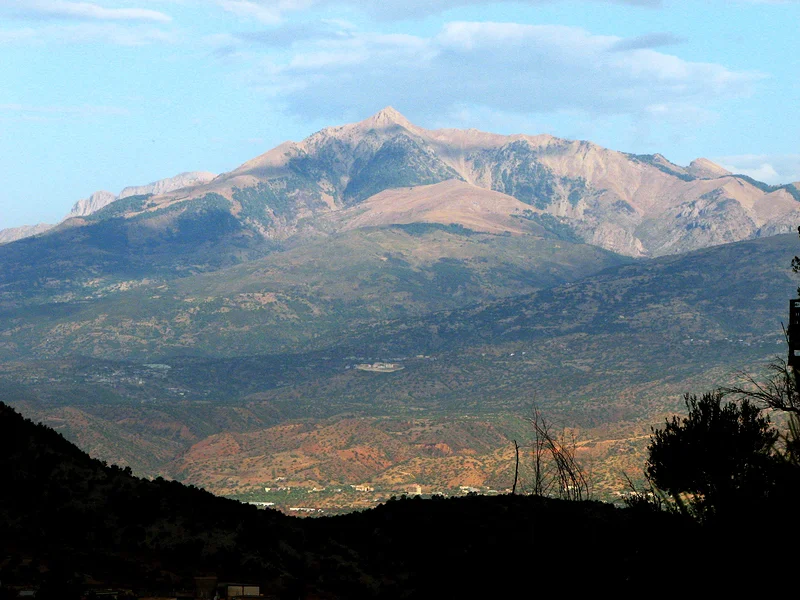
The north of the country is dominated by the Tell Atlas, a lush mountain region that few foreign travelers explore. Kabylie stands out as the premier destination with Berber villages clinging to ridgelines, well-marked hiking trails, and a culture and language distinct from Arabic.
The Djurdjura range tops out at over 2,300 meters and shelters a national park covered in snow during winter. It is one of the rare places in North Africa where you can actually ski. In summer, the trails offer sweeping views over the Kabyle valleys. The city of Tizi Ouzou serves as an ideal base camp for exploring the region.
The Sahara, the world's finest desert?

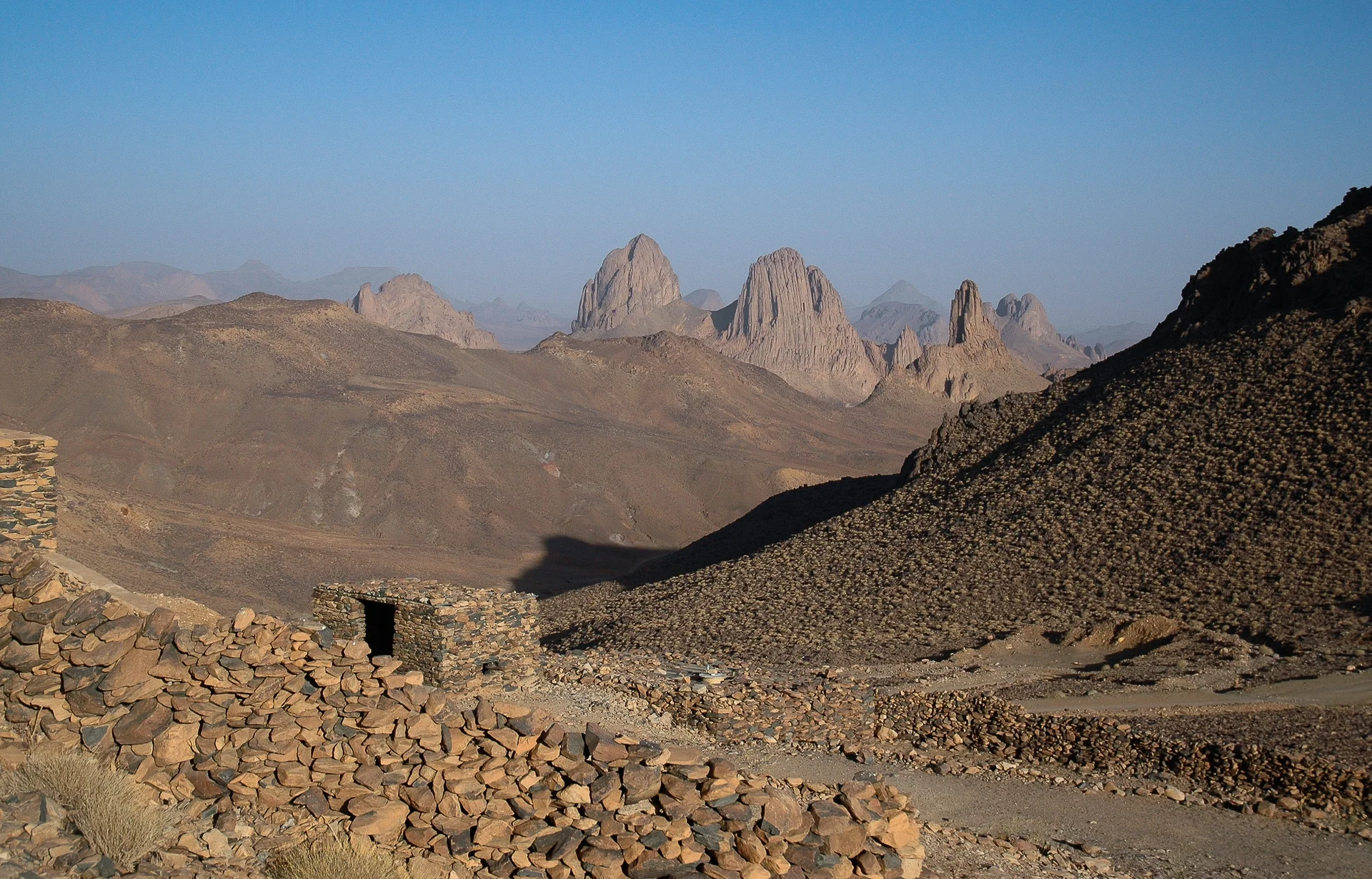
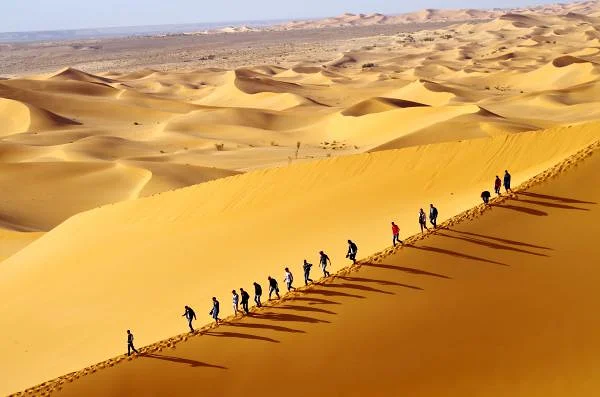
Algeria holds the largest portion of the Sahara in all of Africa. This is not a uniform wasteland, featuring golden dunes, rocky plateaus, hidden oasis networks, and canyons carved over millennia.
The Tassili n'Ajjer is a UNESCO World Heritage site known for its prehistoric rock carvings dating back thousands of years. The Hoggar mountains, reached via Tamanrasset, display striking volcanic shapes in absolute silence. Up on the Assekrem plateau at 2,780 meters, the hermitage of Charles de Foucauld offers one of the most moving sunrises you will ever witness.
The Algerian Sahara ranks among the three most stunning deserts we have ever experienced. It is a pity so few travelers venture there yet.
Three millennia of history in a single country
Roman archaeological sites

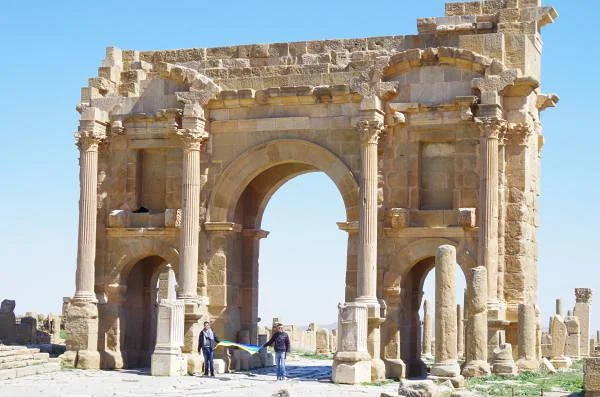
Algeria is one of the richest countries in Africa for archaeological sites. Tipasa, a UNESCO-listed Roman city, overlooks the Mediterranean with quiet majesty. Timgad, nicknamed the Pompeii of Africa, showcases a nearly intact Roman grid layout where streets, forums, and thermal baths remain clear and legible, which is rare in North Africa.
The major cities

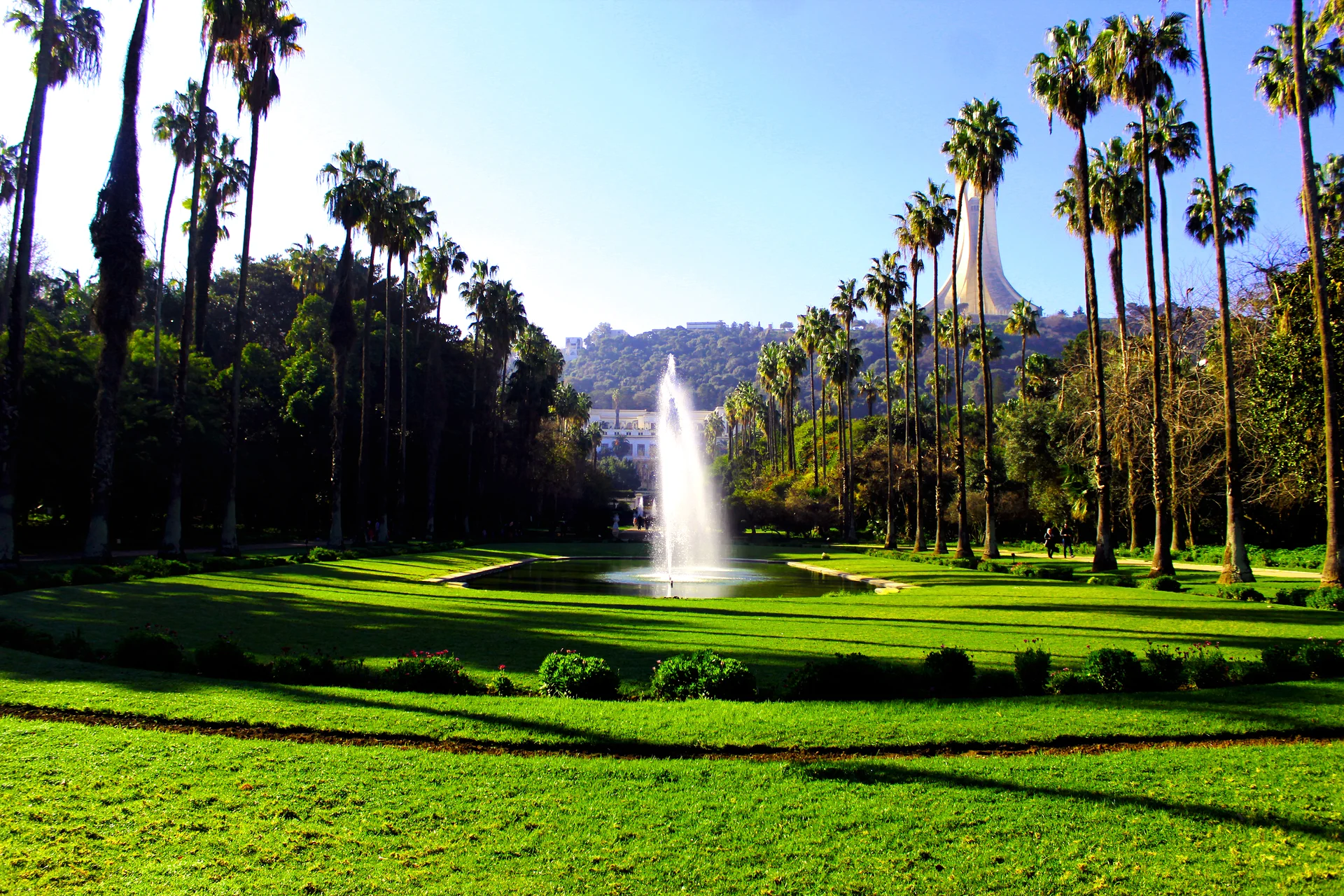
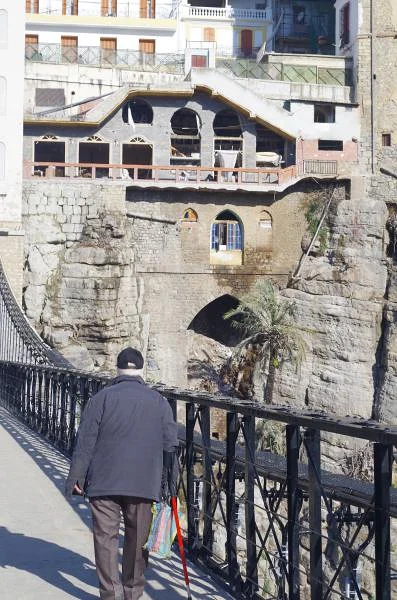
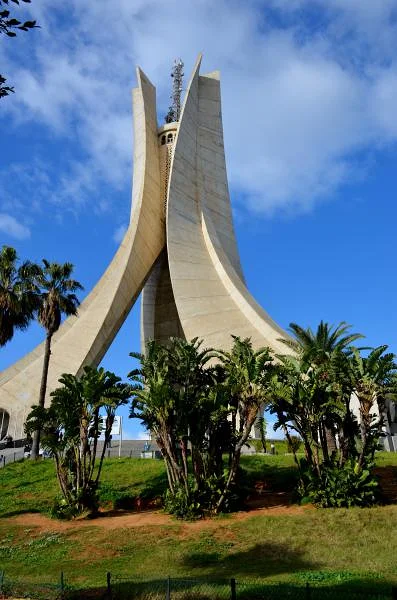
The Casbah of Algiers, a UNESCO site, is a labyrinth of white alleys where Ottoman and Arab-Andalusian history is visible on every facade. In Tlemcen, the Sidi Boumediene Mosque highlights the golden age of Islamic civilization in the Maghreb. Meanwhile, Constantine, perched on deep gorges and linked by vertiginous bridges including the famous Sidi Rached Bridge, is a city that literally causes vertigo.
Oran, the major city in the west, also warrants a stop. Often called the little Paris of North Africa due to its cosmopolitan past, it is above all the birthplace of rai music, a genre born in working-class cabarets during the 1920s to freely express what polite society preferred to keep quiet.
Craftsmanship passed down through generations

Local markets provide the best introduction to traditional crafts: clay pottery, Kabyle silver jewelry featuring geometric patterns, and brightly colored rugs. The Timgad Festival, held every summer within the Roman ruins, brings together Arab, Berber, and Mediterranean artists in a dramatic setting.
Algeria on your plate: when spices meet honey
Algerian cooking is hearty and aromatic. Chorba, a soup loaded with herbs, vegetables, and mutton, warms up chilly evenings in the Atlas Mountains. Couscous comes in dozens of regional variations, with every family holding onto a secret recipe handed down across generations.
Bourek, crispy pastry rolls stuffed with meat, fish, or shrimp, are eaten everywhere at all hours. Mechoui, whole spit-roasted lamb, is served for major celebrations, and being invited to share one with a local family remains a standout travel memory.
On the sweet side, almond, honey, and orange-blossom pastries reach a remarkable level of refinement here, including baklava, gazelle horns, and makrout. Sipping Turkish coffee on a café terrace paired with these sweets makes for one of the finest parts of the day.

When to visit Algeria?
The ideal window runs from January to May. Spring brings mild weather to the north, Kabylie landscapes turn green, and the desert remains accessible. Autumn, from September to November, is also a great time for cities and the coast.
July and August are best avoided once you leave the shoreline, as inland temperatures regularly climb past 40°C. For desert treks in the Sahara, the prime window runs from December to April, when nights are crisp but days stay pleasant.
If you are not Muslim and food options matter to you, check the dates for Ramadan before booking your trip.
How to get to Algeria?
There is no nonstop from North America. The usual routing is a transatlantic flight into Paris, Frankfurt, Istanbul, or Madrid, then a short second leg: Air Algérie, Transavia, and Turkish Airlines all serve Algiers, Oran, Constantine, and Annaba from those hubs, and the final hop from Paris takes about 2 hours at fares between $90* and $280* one-way.
Sort the visa before anything else. Unlike most of the Mediterranean, Algeria requires US and Canadian citizens to obtain a visa in advance from a consulate, usually with a confirmed hotel booking or an invitation letter. Nothing is issued at the airport, and this is the single most common reason a trip here falls apart.
Getting around Algeria?
For long distances between northern cities, the train is comfortable and affordable. SNTF connects Algiers to Oran, Constantine, Annaba, and several other destinations. Long-distance buses cover an even wider network at very low prices. Shared taxis, known as louages, remain the most flexible option for mid-range trips.
Renting a car via car rental services requires some thought, especially since finding available rental vehicles can be difficult. Algerian roads, particularly near major cities, are known for erratic driving habits and variable pavement conditions. For the Sahara, a 4x4 vehicle with a local driver-guide is not only recommended but often required in regulated zones.
Air Algerie operates domestic flights to the south of the country, notably to Tamanrasset and Djanet. These flights save you thousands of kilometers of rough tracks and stay reasonably priced. For Kabylie or the coast, local public transit gets the job done.