
Visiting Djurdjura National Park
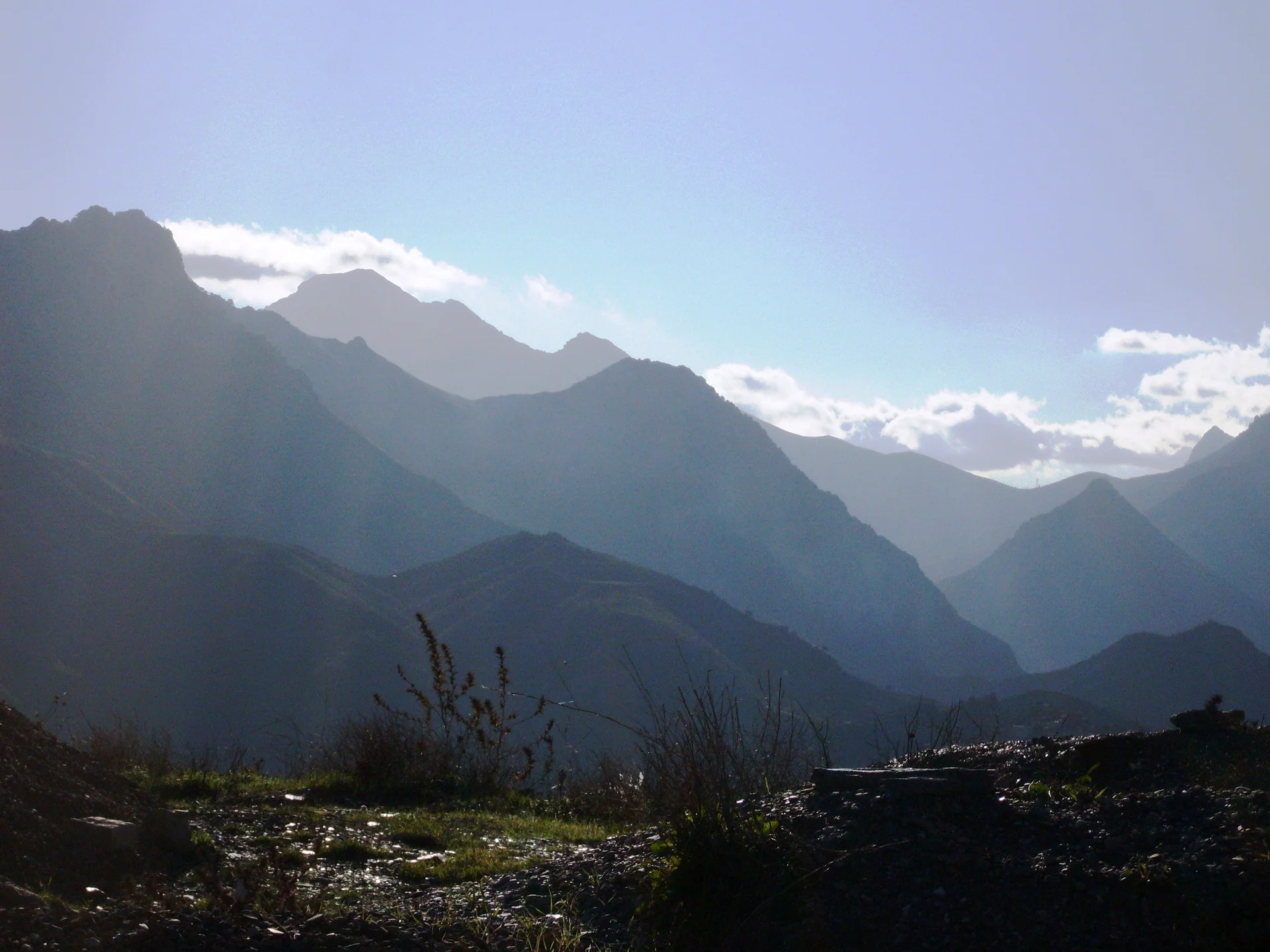
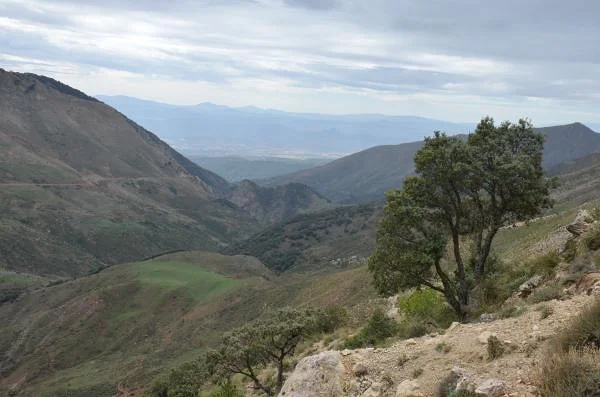
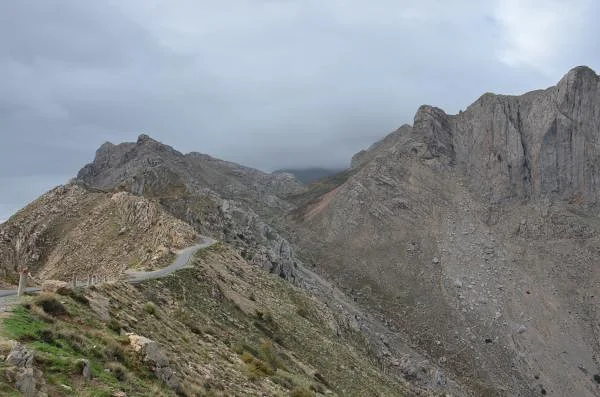
Djurdjura National Park takes its name from the mountain range found in the Kabylie region of northern Algeria. The park spans three main sections covering about 50 kilometers, designated as the east, west, and center sectors. Its territory reaches from the Bouira district in the south up to the Tizi-Ouzou district in the north. Established in September 1925 by the colonial administration of the time, the park maintained its protected status following Algerian independence. Since 1962, the Algerian government has prioritized the preservation of this unique ecosystem, which was also recognized by UNESCO in 1997. Covering 18,500 hectares, Djurdjura National Park features snow-capped peaks, dramatic sinkholes, various lakes, and quiet forests, alongside a distinct variety of flora and fauna.
Remarkable Diversity
Djurdjura National Park experiences both Mediterranean and continental climate patterns, the latter arriving from the south. This meteorological mix creates incredibly diverse flora and fauna. Animal life includes a range of mammals like the Cape hare, striped hyena, wild boar, African golden wolf, Egyptian wolf, and the Barbary leopard, as well as many bird species such as the golden eagle, griffon vulture, long-legged buzzard, mistle thrush, and Eurasian eagle-owl. At an altitude of 2,308 meters, Lalla Khedidja marks the highest point of the mountain range, and it is common to see its peak covered in snow. Given these features, the park serves as a significant tourist destination for skiing, caving, or simply hiking through the rugged landscape.
Opening hours
Open 24/7

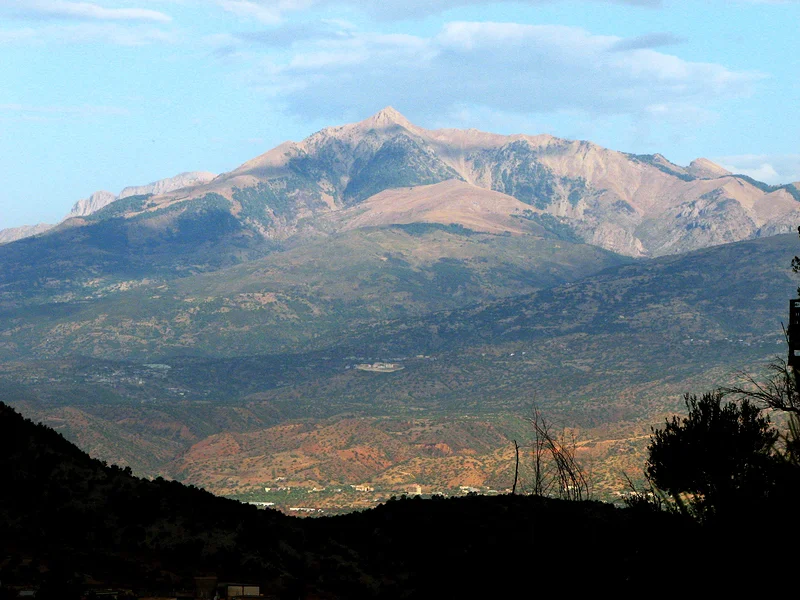
Picturesque Kabyle villages, mountains that offer magnificent landscapes, forests and streams that shelter and feed a varied fauna...
The Djurdjura is a symbol and a treasure for an entire people.