
Béjaïa, the City That Gave Candles Their Name
From Place Gueydon, you can watch the trawlers slip out of the harbor in a slow rhythm while the scent of warm flatbread and olive oil drifts up from the early-rising cafes. Béjaïa is waking up.
Few travelers realize it, but this Algerian city gave the French word bougie (meaning candle) its name. Back in the Middle Ages, the beeswax produced here was so renowned that all of Europe eventually named these wax tapers after their place of origin.
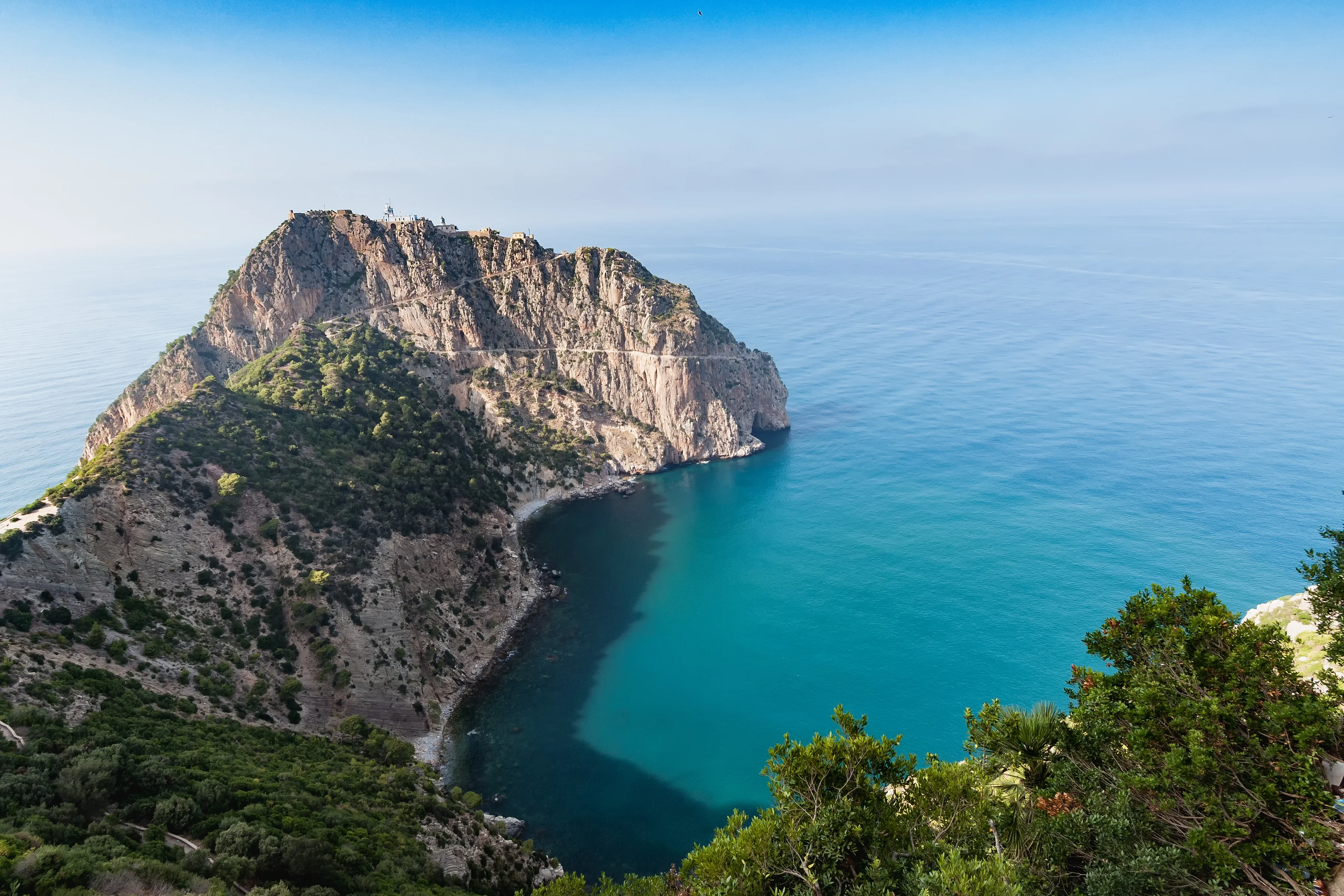
As the medieval capital of the Hammadid and then the Almohad dynasties, and an intellectual hub where the mathematician Fibonacci reportedly encountered Arabic numerals, the city wears layers of history that its modern look doesn't always reveal. Today, the surrounding nature is the main draw: a UNESCO-listed national park, sheer cliffs plunging into a turquoise Mediterranean, and one of the highest lighthouses in the world perched 220 meters above the waves.
A Destination Built for Raw Nature Lovers
Let's be upfront: the city itself doesn't compete with Morocco's restored medinas or Tunisia's polished waterfronts. Its built heritage could use more attention and restoration. But what surrounds Béjaïa is spectacular. This is an outdoor destination made for hiking, wild coves, and genuine cultural exchange within a Kabylie region fiercely proud of its Berber identity.
Ideal destination for:
- Hikers and ecotourism enthusiasts
- Travelers curious about Berber culture and Kabyle cuisine
- Fans of wild beaches and diving
- Budget travelers willing to deal with basic comforts
- Travelers of Algerian descent looking to rediscover Kabylie
Not recommended for:
- Travelers seeking luxury hotel standards or a buzzing nightlife scene
- Those who struggle with rudimentary tourism infrastructure
- People dependent entirely on credit card payments
- Travelers who want to avoid any language barriers
A Very Accessible Budget
Algeria remains one of the least expensive destinations in the Mediterranean basin, and Béjaïa is no exception. The prices below are estimates per person.
| Expense category | Price range |
|---|---|
| Night in a basic hotel or rental | $17 to $33* |
| Night in a comfortable hotel (3 stars, breakfast included) | $44 to $88* |
| Quick bite (sandwich, pizza, street food) | $1.70 to $3.30* |
| Sit-down restaurant meal (grilled fish, couscous) | $4.40 to $11* |
| Daily transport and activities | $3.30 to $8.80* |
| Backpacker daily budget | $22 to $44* |
| Comfortable daily budget | $61 to $110* |
What to Know Before You Go
Logistically speaking, expect a few adjustments. The Algerian dinar is the only accepted currency, and ATMs can be finicky, so bring cash in euros to exchange on the ground. Local transit runs on an informal system with no ride-hailing apps like Uber, just negotiable taxis and city buses. The historic center itself is easy to explore entirely on foot.
The Mediterranean climate brings hot summers and mild winters, though July and August can turn intensely hot. The local population speaks Kabyle widely, but French is also understood and spoken everywhere, making communication straightforward for French speakers.
Is Béjaïa Safe to Visit?
Béjaïa is considered one of the safest cities in Algeria. Petty crime exists as it does anywhere, but recent traveler feedback is reassuring, noting that the city stays calm even at night in the central neighborhoods. Standard street smarts apply.
For solo female travelers, Kabylie is often described as more relaxed than other parts of the country. A hijab is not required, and modest dress is enough. Expect some lingering stares in certain spots, though, and stick to well-trafficked areas after dark.
Gouraya National Park and Cap Carbon
This is the highlight of the trip. The Gouraya National Park, designated a UNESCO biosphere reserve, stretches from the city heights all the way down to the sea cliffs. You will cross paths with Barbary macaques, the only wild monkeys in North Africa, which wander the trails without much shyness. Hikers climb up Mount Gouraya at an altitude of 660 meters for sweeping panoramic views over the entire bay.
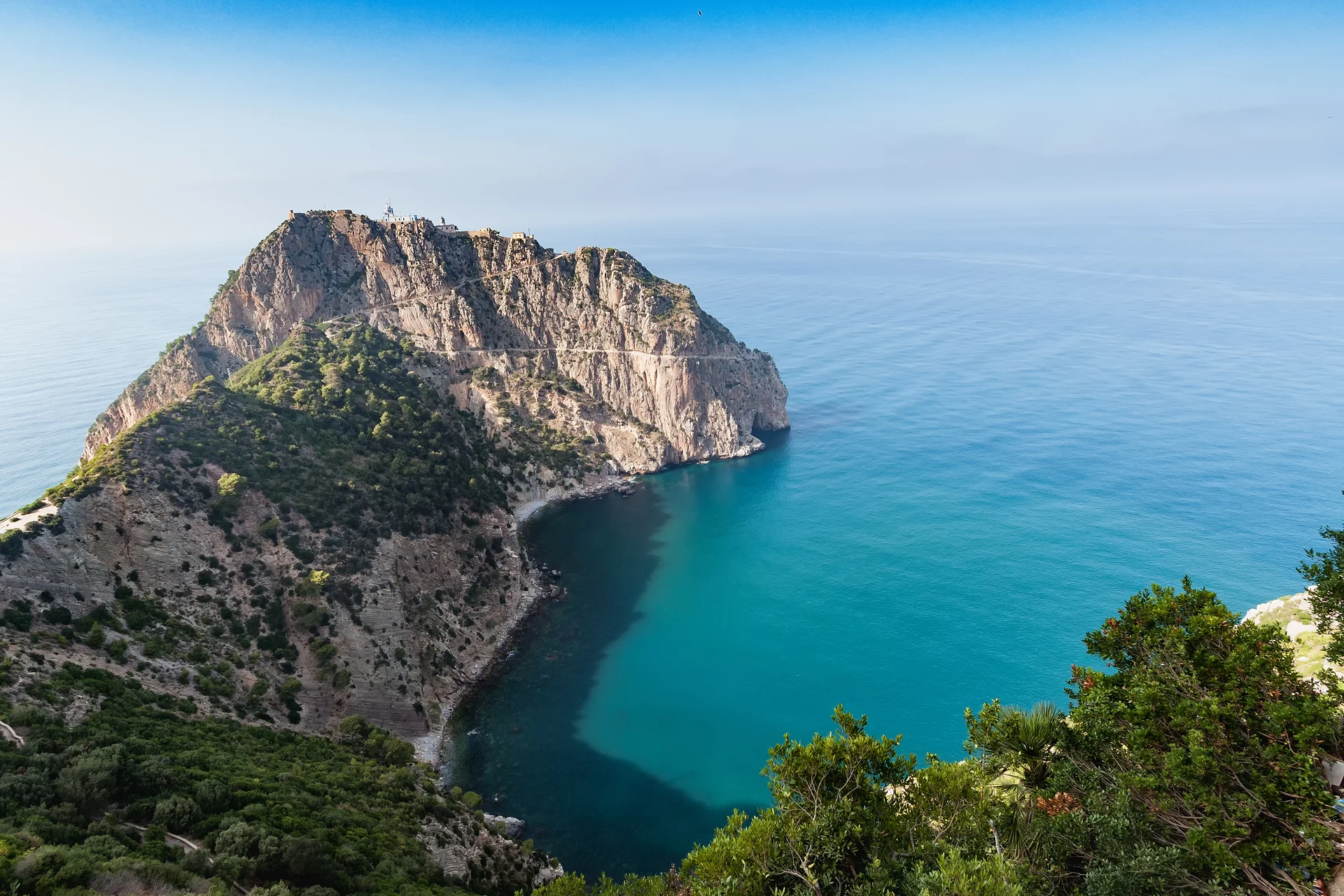
Cap Carbon extends the park out toward the open sea. Its lighthouse, built 220 meters above the surf, stands as one of the highest lighthouses situated on a natural site in the world. The trail leading there hugs the ridge, dropping views down into deep blue waters. While the cape itself is a restricted military zone, the approach road offers an incredible show on its own.
Friendly tip: Aim for a late afternoon visit to catch the golden light and cooler temperatures. Bring a windbreaker because the coastal breeze really kicks up along the ridge.
Beaches and the Wild Coast
The regional beaches rank among the finest on the Algerian coastline. Boulimat Beach, about 15 kilometers to the west, is the local star with its sculpted rocks and crystal-clear water. Closer by, Saket Beach appeals with a wilder atmosphere, while the Anse des Aiguades offers an intimate cove ideal for a swim.
Heading east, the resort town of Tichy sits 25 km away and offers a more family-friendly vibe with seafront dining. Pushing further brings you to the Kefrida waterfalls: parking costs 100 dinars, and after a five-minute walk past souvenir stalls, the cascade comes into view.
That said, we should mention that the cleanliness of natural sites remains a weak point. Plastic waste occasionally litters certain forest roads and less-frequented beaches. It is a frustrating sight given the stunning landscapes, and travelers call it out regularly.
The Old Town and Historic Heritage
Béjaïa's historic center clusters around Place Gueydon, looking out toward the harbor and the 16th-century Fort Moussa. The Casbah, a 12th-century medieval citadel built under the Almohads, has recently undergone restoration. Inside, you can spot a Spanish fort, a mosque featuring Berber architecture, and remnants of the Hammadid ramparts.
The neighborhoods of Acherchour, Karamane, and Bab El Louz still hold a few traditional Moorish houses, even if concrete construction is encroaching. Look out for Bab El Bounoud, one of the ancient fortified gates. The Bordj Moussa Museum houses a modest but interesting collection ranging from prehistoric artifacts to the colonial era.
Friendly tip: Fort entry costs 200 dinars. Half of the site is under construction, but the panoramic views from the ramparts are well worth the detour.
Everyday Kabyle Culture
Béjaïa is the largest city in Kabylie, and Berber culture is everywhere. You will hear Kabyle spoken on the street, listen to music by Idir and Matoub Lounès in the cafes, and find local handicrafts in the downtown souks, from pottery and silver jewelry to carpets and copperware.
The region is also famous for its olive oil. More than 60,000 hectares of olive trees are planted in the wilaya of Béjaïa alone, and the oil produced here is considered some of the finest in Algeria. If you stay in a guesthouse, you will likely find it generously poured over your morning bread.
Differences Between Kabylie and the Rest of Algeria
- Kabylie is one of the few regions in Algeria where beer is easy to find, notably Beaufort served on tap in select bars
- Women do not wear headscarves by mandate, and clothing choices are generally more relaxed than in other regions
- Kabyle hospitality is legendary, so don't be surprised if a complete stranger invites you over for tea
Where to Eat and Drink in Béjaïa
Kabyle cooking relies on simple ingredients elevated by local know-how: semolina, seasonal vegetables, lamb, and above all, ubiquitous olive oil. Kabyle couscous comes in a steamed vegetable version called amekfoul, served without sauce and simply drizzled with extra virgin olive oil. It is a delicate dish that surprises anyone used only to heavy, sauced couscous.
Try the taasbant as well, which are mint-scented semolina dumplings simmered in a vegetable broth. Chorba, a chickpea and vermicelli soup, is a classic starter. For bread, aghroum is a crispy semolina flatbread baked over a wood fire that accompanies nearly every meal.
By the Water
Since Béjaïa is a port city, seafood is fresh and inexpensive. Small eateries near the fishing port serve grilled fish, sardines, and shrimp at bargain prices. Algerian sweet mint tea, known as atay, is poured everywhere for just a few dozen dinars.
Where to Stay in Béjaïa and Around
Hotel options remain limited compared to mature tourist destinations. In the city center, Hôtel de l'Étoile and Hôtel Chréa offer decent value with views of the old town. The Saldae Hotel & Spa, located on the outskirts within an olive grove, is the most comfortable choice in town.
Apartment rentals are growing through online platforms. Expect to pay $33 to $55* a night for a well-located one-bedroom flat. For a beach vacation vibe, rentals around Saket and Tichy put you right next to the shore. Book well ahead for the summer months when the Algerian diaspora returns en masse and availability disappears quickly.
How to Get to Béjaïa?
The Abane Ramdane Airport in Béjaïa receives direct flights from Paris Orly and CDG. Air Algérie and Transavia run roughly three daily flights, taking about 2h15 to 2h20. Round-trip fares start around $165* in the low season and climb past $330* during the summer. The airport sits just 5 km from the city center.
From Algiers, expect about a 3h45 bus ride departing from the main station for a nominal fee. By car, the 260 km drive is doable though winding through the mountain stretches. An Air Algérie domestic flight also connects the two cities in 45 minutes for around twenty euros.
For international visitors arriving from North America, you will typically route through major European hubs like Paris before catching a connecting flight directly to Béjaïa or Algiers. Check current entry rules and visa requirements for US passport holders before booking your travel.
How to Get Around Béjaïa?
The historic center is easy to navigate on foot. For farther points like Cap Carbon, the beaches, or the Kefrida waterfalls, local buses exist, but their schedules remain unpredictable. Taxis are the most practical choice; just negotiate the fare before you get in.
Renting a car is the best way to explore the region independently. Driving is assertive and mountain roads are narrow, but it is manageable. There are no rideshare apps on the ground, so rely on taxis waiting at strategic spots or ask your accommodation host to call one for you.
When to go?
The best windows are spring, from April to mid-June, and early autumn, from late September to late October. Temperatures are mild, the sea warms up gradually, and crowds stay manageable. Summer, from July to August, brings heavy heat and dense crowds as the diaspora returns and beaches fill up. Avoid this stretch if you are after peace and quiet.
I went there to celebrate a wedding. I was welcomed so well, and the people are lovely, without being over the top.
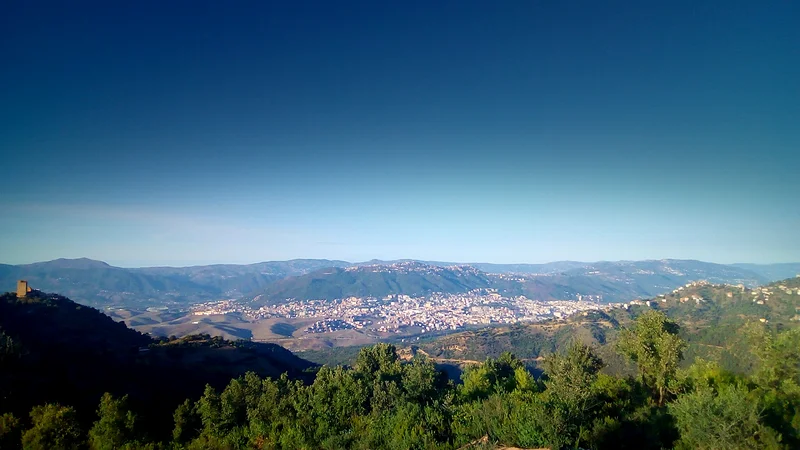
The city of Bejaia, even though it is the regional capital, did not make much of an impression on me. On the other hand, the natural landscapes I was shown in the surrounding area are fantastic, whether it be the beaches or the mountains.
One big disappointment, however, is the filth: trash, plastics, and empty bottles all along the roads that cut through the forests. What a waste.