
Algiers the White, a beauty that demands patience
The scent of dark coffee and jasmine drifts through the morning air. In the steep alleys of the Casbah, a pastry vendor sets up his stall as the city wakes up below, stretching out between the hills and the Mediterranean.
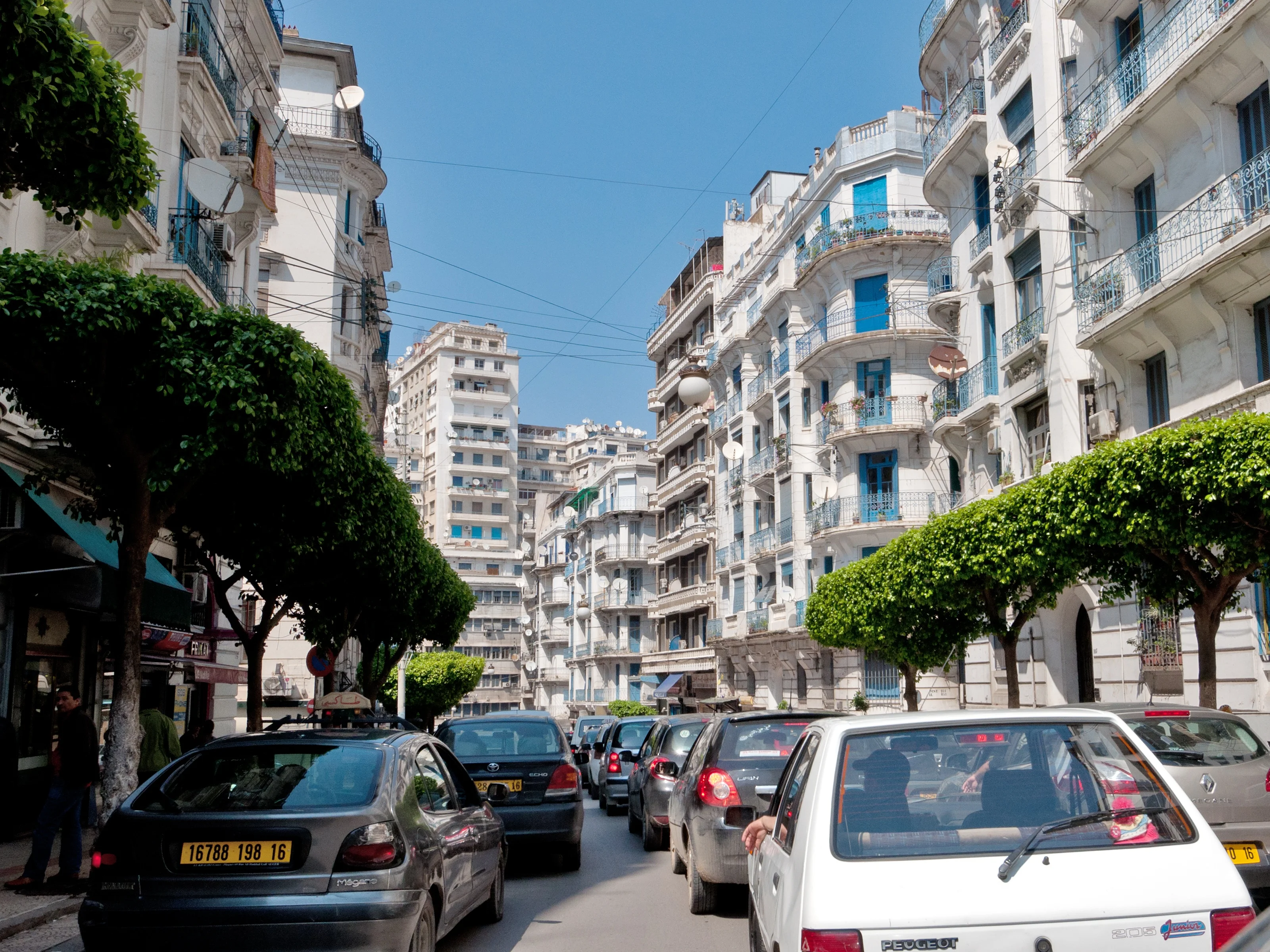
As the capital of Africa's largest nation, this metropolis of four million residents is as fascinating as it is unconventional. People call it "The White" for its chalk-colored facades tumbling down toward the port, or "The Joyful" for the raw energy of its locals. Both nicknames fit.
A destination for the adventurous traveler
Let's be clear: this city is not built for mass tourism, and that is precisely what makes it compelling. You will cross paths with very few foreign travelers in the streets. Tourism infrastructure remains modest compared to neighboring capitals. But for anyone willing to get off the beaten path, the reward is immense. The UNESCO-listed medina, the forgotten Ottoman palaces, the warm welcome from Algiers residents, the heartfelt cuisine: all of this still belongs to genuine, unfiltered discovery.
This trip suits patient explorers, history and architecture enthusiasts, and travelers who prefer the unexpected to standardized comfort. It will disappoint anyone expecting flawless hotel service or struggling with spontaneity. Getting a visa takes some paperwork, city traffic can be chaotic, and certain neighborhoods require a guide. Visas must be obtained from an Algerian consulate before departure: visa on arrival only covers organized group trips to the southern wilayas through approved agencies.
A very accessible budget
Expect to pay between $57 and $113* per night for a decent hotel in the city center, while high-end properties like the Hotel El Aurassi or Hyatt Regency hover around $169 to $230*. A hearty meal at a traditional restaurant costs $5.70 to $17*, and metro or tram rides do not exceed $0.57*. Museum admission fees remain nominal.
The Casbah: a thousand-year-old soul
This maze of steep, UNESCO-listed alleys holds the true essence of the capital. Built on a hill rising 120 metres, the medina covers 50 hectares where 50,000 residents still live. Martyrs' Square is the ideal starting point, where recent excavations have uncovered Phoenician ruins. The lower Casbah, which is the liveliest section, is packed with markets, artisan stalls, and small eateries where you can grab lunch for pocket change.
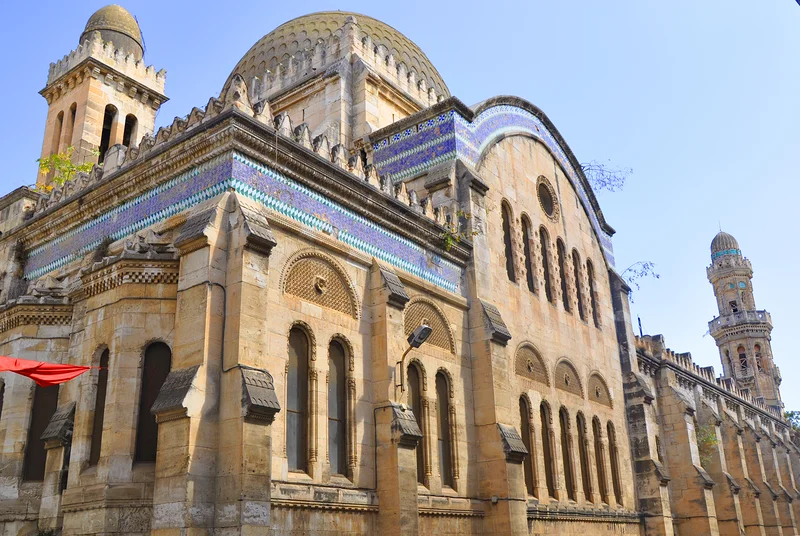
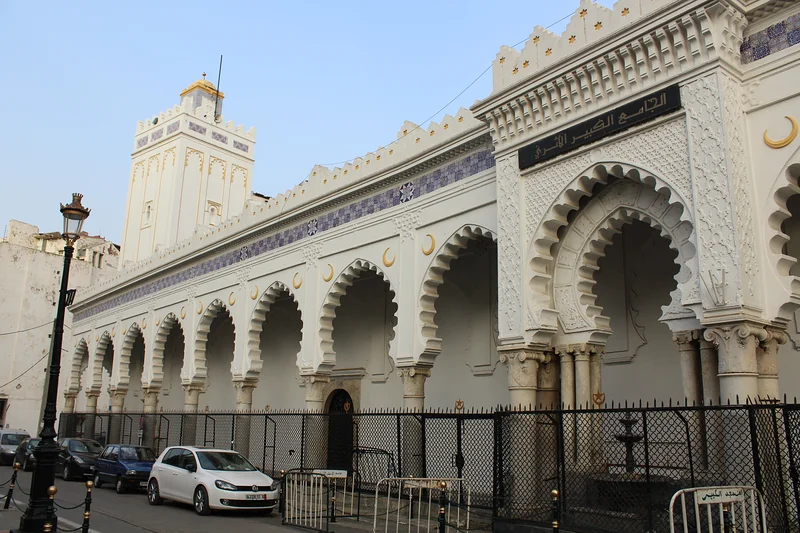
The higher you climb, the quieter it gets. The Jemaa-Kebir Mosque, built in 1097, is the oldest in the city. The Ketchaoua Mosque with its twin minarets and the Ottoman-style Jamaa al-Jdid Mosque deserve a close look. The Dar Aziza and Jenina palaces bear witness to 16th-century residential luxury. As you wander through the historic lanes, you will pass the house where resistance fighters hid during the Battle of Algiers in 1957, which is now a museum.
Friendly tip: hire a local guide for your first visit. Young guides born in the neighborhood know every nook and cranny and every story. Expect to pay around 1200 dinars per person for a 4 to 5-hour walk.
Downtown Algiers: French heritage and local life
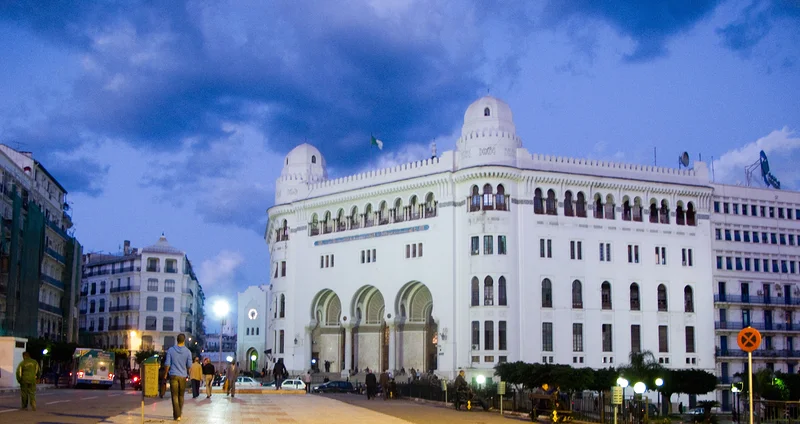
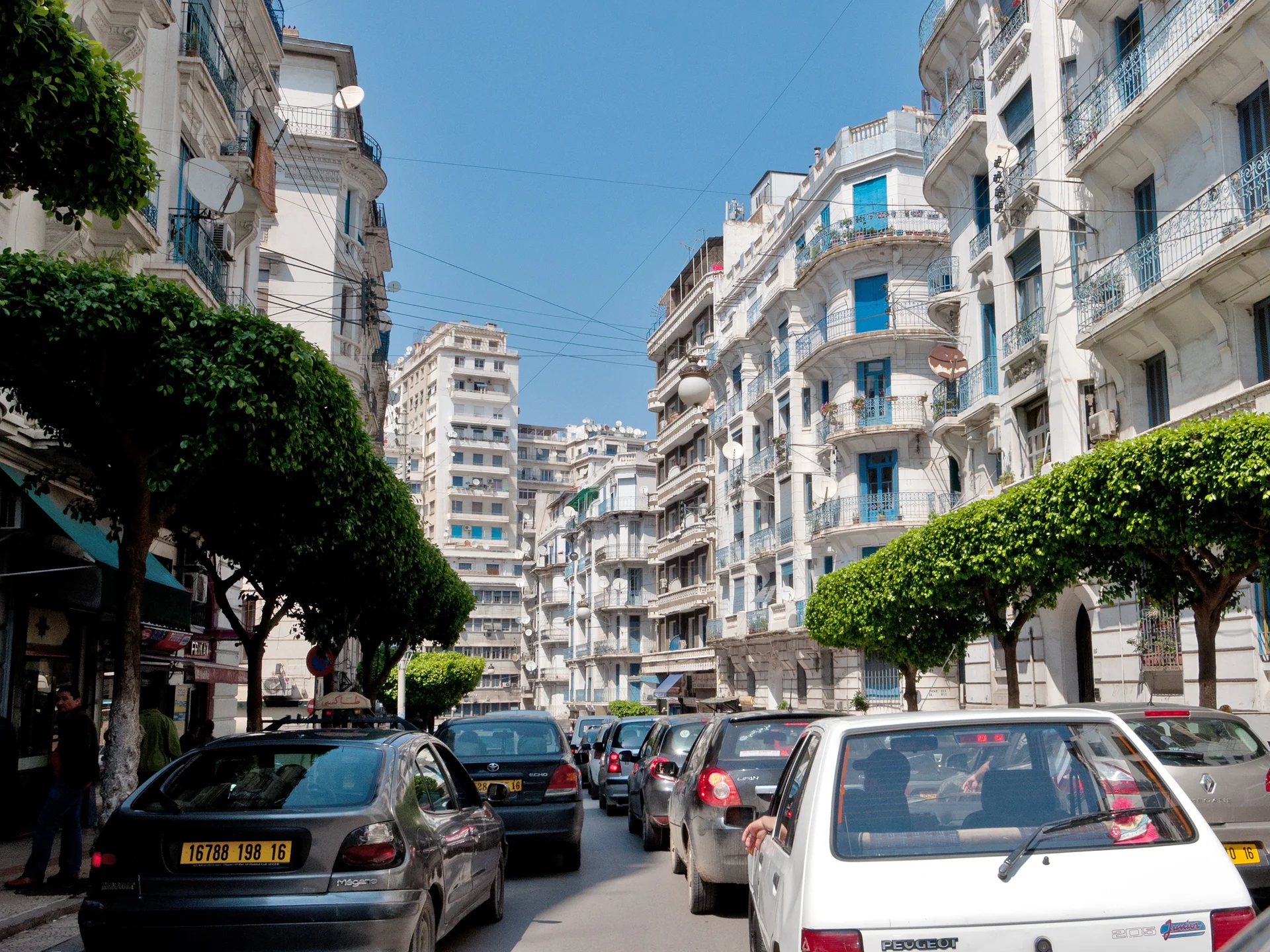
The modern section stretches out below along the waterfront. The Grande Poste stands as the architectural symbol of the city with its neo-Moorish style and gleaming white arcades. Step inside without any specific agenda, just to admire the mosaics and vaulted ceilings. Didouche Mourad Street, formerly rue Michelet, remains the main commercial thoroughfare where locals meet up for coffee and shopping.
The Bab El Oued neighborhood, immortalized by Algerian cinema, embodies the working-class spirit of the city. Its Three Clocks Square is the beating heart of the area. The landscaped waterfront makes for great late-afternoon strolls. Local bakeries keep ancestral recipes alive with chocolate éclairs, mille-feuilles, and Ramadan sweet specialties like zlabiya and kalb ellouz.
On the heights: basilica and gardens
The Notre-Dame d'Afrique Basilica overlooks the bay from its cliffside perch at 124 metres. Its architecture recalls Notre-Dame de la Garde in Marseille, offering French travelers a familiar touchstone. The view over the bay and the lower city alone is worth the trip up. The Telemly district, with its 1950s apartment buildings, offers another sweeping panorama of the metropolis.
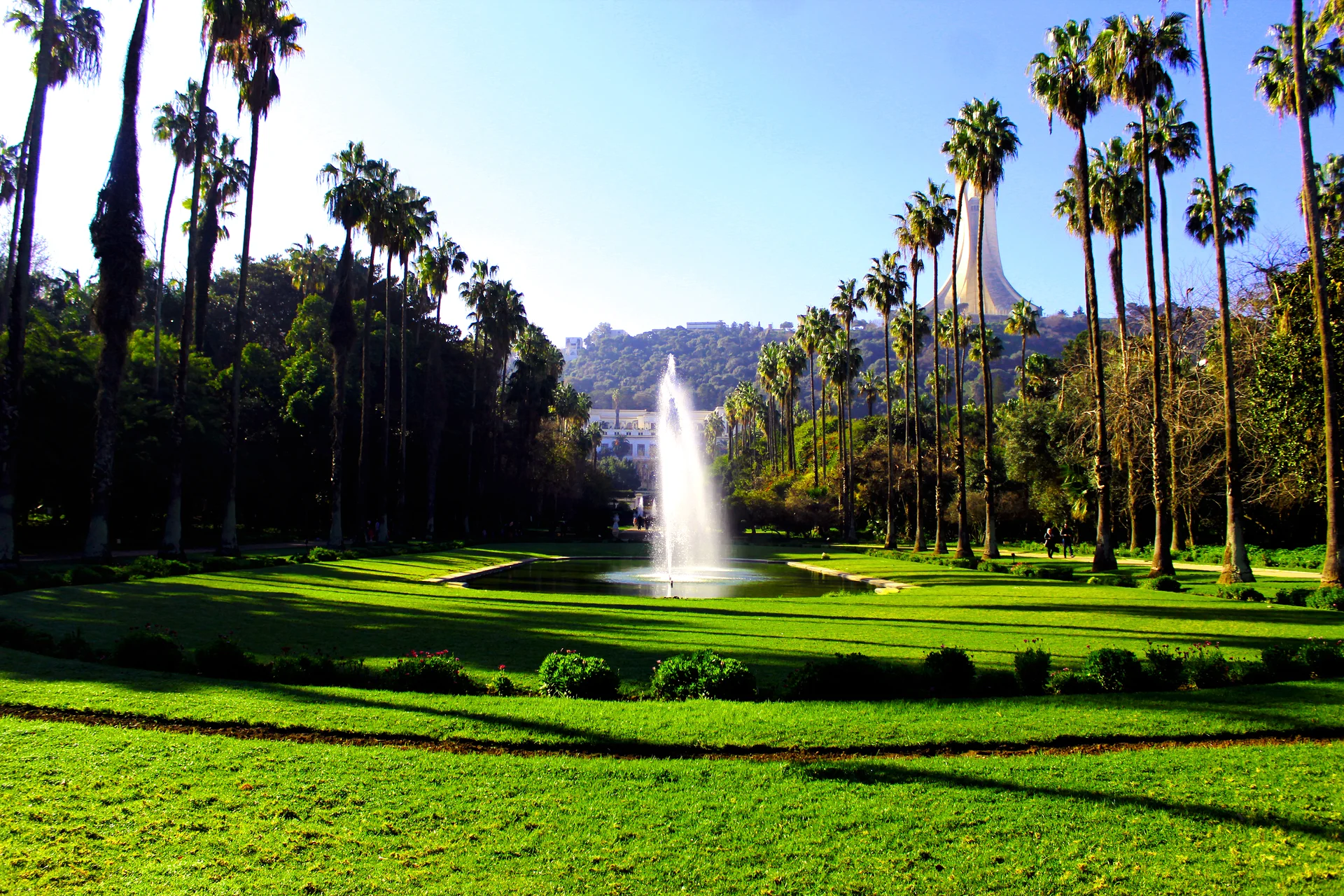
The Hamma Botanical Garden, established in 1832, serves as the green lung of the capital. This 32-hectare botanical garden shelters over 3000 plant species. Visitors wander between French-style gardens, English-style gardens, and a zoo. Right next door, the National Museum of Fine Arts displays over 8000 works, making it the largest art museum on the African continent.
Spots you should not skip
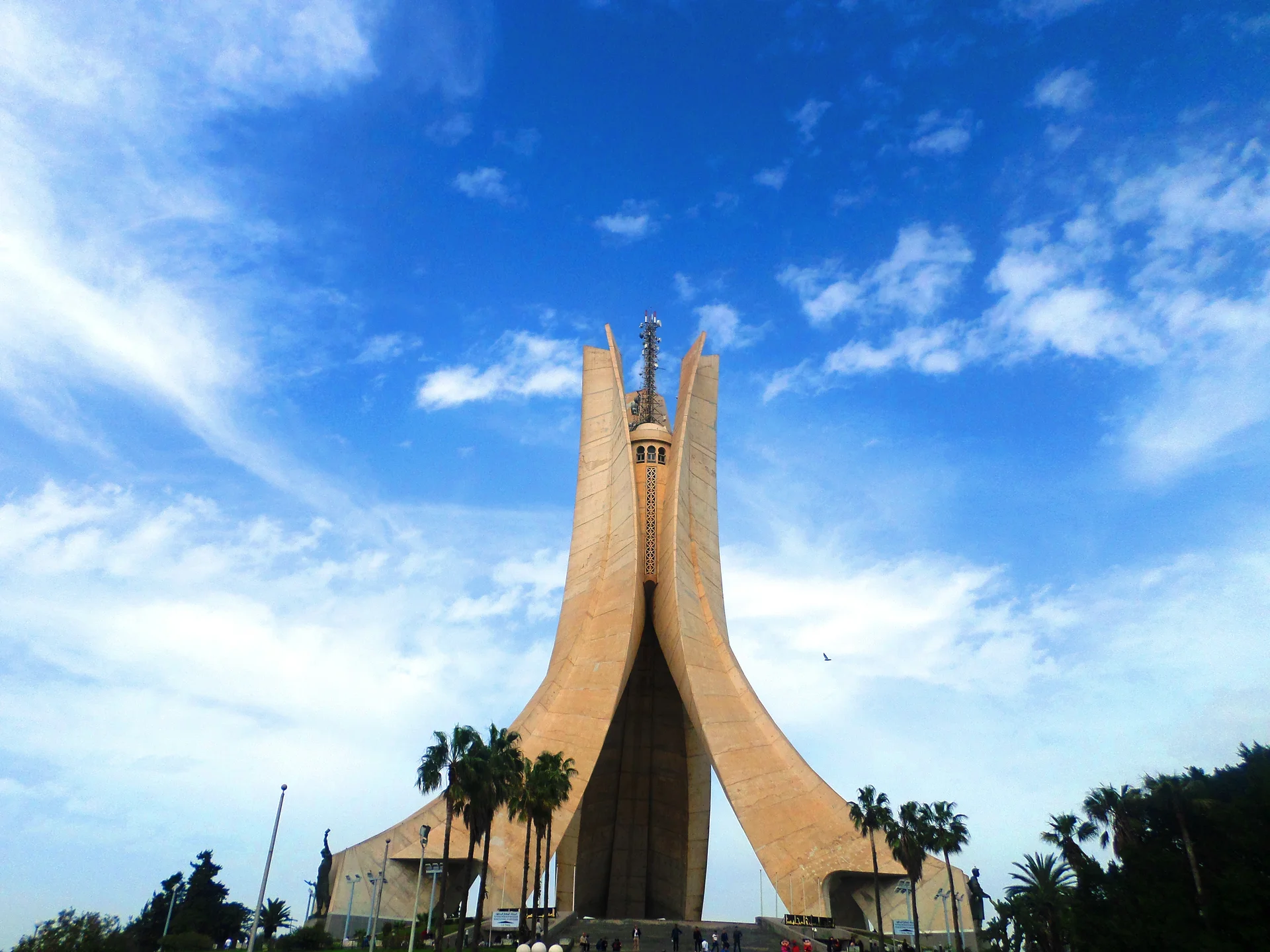
- The Martyr's Memorial and its panoramic view of the bay
- The Bardo Museum, a former Ottoman palace dedicated to prehistory and ethnography
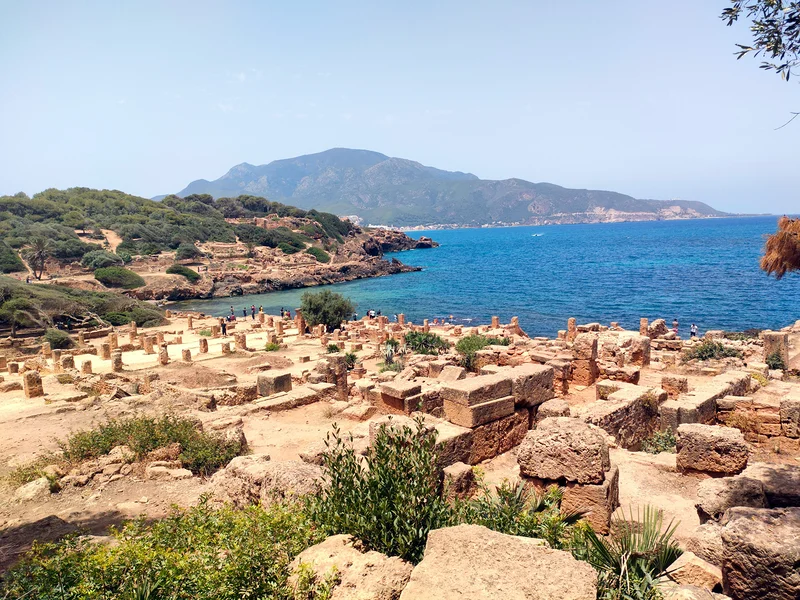
- The Roman ruins of Tipaza, located 70 km to the west for a day trip
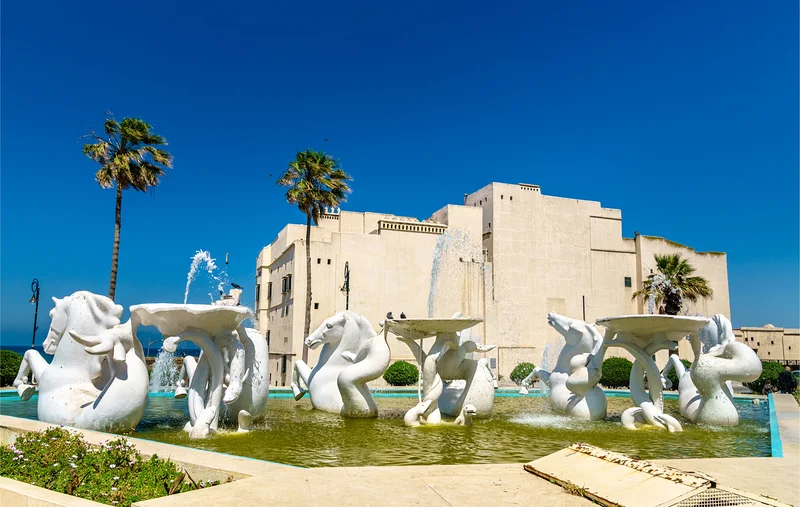
- The port and Che Guevara Boulevard along the waterfront
Where to eat and drink in Algiers
Algiers cuisine blends Berber, Ottoman, and Mediterranean influences into hearty, flavorful dishes. Chorba, a vegetable and meat soup seasoned with coriander, traditionally opens every meal during Ramadan. Algerian rechta, fine semolina noodles served with chicken, turnips, and chickpeas in a cinnamon-scented broth, ranks among the capital's signature dishes.
Couscous comes in dozens of variations here: with vegetables, dried meat, fava beans, or sometimes sweetened with raisins and cinnamon. Boureks, fried pastry cigars stuffed with meat or cheese, make a great appetizer or quick bite. On the sweet side, date-stuffed makroudhs, almond dziriettes, and gazelle horns pair perfectly with mint tea.
The Dar El Sultan restaurant, an 18th-century hammam converted into a traditional dining room, offers an authentic local setting. La Maison du Couscous on Ernest Zeys Street serves generous traditional dishes for around 1500 dinars. For a more refined meal, Tantra Restaurant mixes Mediterranean and French flavors in an elegant space.
How to get to and around Algiers
Direct flights from Paris take about 2 hours and 15 minutes. Air Algérie, Air France, and Transavia operate multiple daily flights. Fares range between $169 and $340* round-trip in the low season, but can double or triple in the summer and during holidays. Book two to three months in advance for the best rates. Houari Boumediene Airport is located 20 km from the city center, which is a 30-minute taxi ride.
Around town, the metro connects southern neighborhoods to the historic center, running all the way to the Martyrs' Square station at the edge of the Casbah. The tramway serves the eastern part of the metropolitan area over a 23 km route. A single metro and tram ticket costs 70 dinars. Yellow cabs remain the most practical option for specific routes; negotiate the fare before getting in or insist on the meter. Several cable cars link the lower districts to the upper heights, providing spectacular views.
When to go?
Spring and fall offer the best conditions with mild temperatures between 15°C and 25°C and gorgeous light over the bay. Summer can be stifling with peaks hitting 35°C in July and August. Winter remains mild but occasionally rainy.
Avoid Ramadan if you plan on eating out a lot during the day, though the period brings festive evenings and a unique atmosphere after sunset.
Hello Mister. Je ne connais d'Alger que la route qui va de l'aéroport à la la Kabylie vers l'est. Mais j'ai de la famille à Alger. Le quartier hyper sécurisé, aux infrastructures modernes et bien entretenues se trouve à une vingtaine de km à l'ouest du centre ville, vers le Club des Pins et Sidi Fridj. Attention toutefois, il faut te renseigner sur l'accessibilité. Les hauts gradés de l'armée et les hauts fonctionnaires y habitent et certaines zones ne sont ouvertes que sur laisser passer. Plus proche du centre et plus accessible, je sais que le quartier de Ben Aknoun est présenté comme calme. Mais je ne sais pas si tu peux y trouver des hôtels. D'ailleurs, c'est un problème le manque d'hôtels : les rares qui existent se permettent de pratiquer des prix abusivement élevés.