
The Park's History
Named after the Djurdjura mountain range that lies within its borders, the Djurdjura National Park, located in the northern region of Algeria in Kabylie, spans three main sections across roughly fifty kilometers: east, west, and central. Its territory stretches from the Bouira district in the south to the Tizi-Ouzou district in the north. Established in September 1925 under the French colonial government of the time, this national park was designated a protected sanctuary following Algeria's independence in 1962, ensuring the preservation of this unique ecosystem for the Algerian people and visitors to this fascinating country.

Grand Landscapes
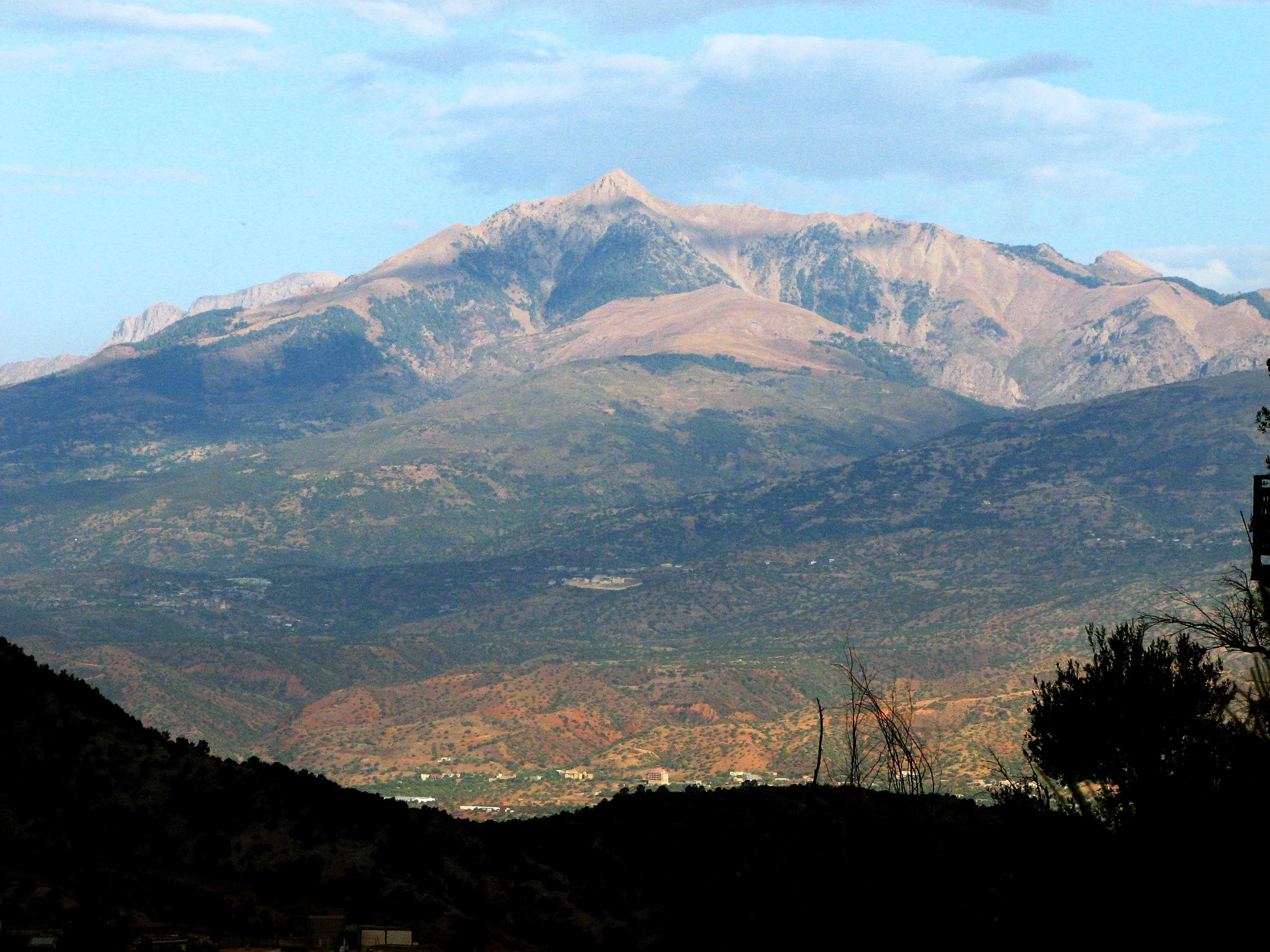
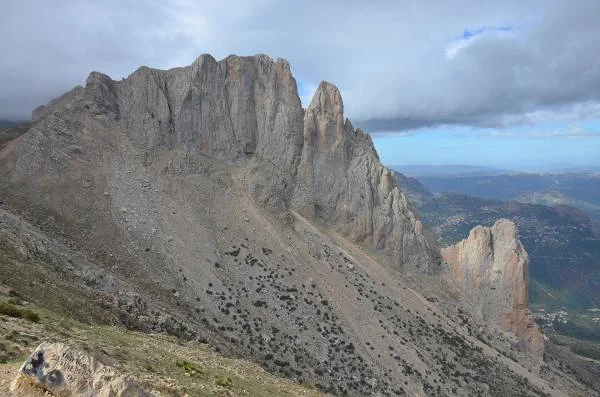
With its dense forests, deep gorges, caves filled with curiosities and local legends, and traditional Kabyle mountain villages, the park is considered one of the most beautiful in Algeria. Beyond its stunning scenery, it is also home to a diverse range of flora and fauna, most notably the Barbary macaque, an endangered species of Old World monkey.
The exceptional topography of Djurdjura National Park includes the peaks of the Djurdjura massif in Greater Kabylie, part of the Tell Atlas mountain range in Algeria. At an altitude of 2,308 meters, Lalla Khedidja is the highest point of this mountain range and one of the tallest peaks in Algeria. It is very common to see its summit snow-capped in winter. The northern face of the massif's escarpment features deep valleys, basins, fissures, and gorges, with ancient glaciers having left their mark on many of the cliffs.

Varied Flora and Fauna
The park is lush and well-irrigated by springs and streams, and it features a number of mountain lakes. On the southeastern slopes of the Djurdjura massif, you will find Atlas cedar forests, while at lower altitudes, there are endemic pines and junipers.
This rugged, water-rich landscape provides an ideal refuge and environment for a wide variety of animal species: striped hyena, wild boar, crested porcupine, hare, wildcat, jackal, mongoose, weasel, red fox, and the Barbary macaque, sometimes called the Barbary ape. Birdwatchers will appreciate the diversity of birds present, including a number of raptors such as the cinereous vulture, booted eagle, long-legged buzzard, common kestrel, golden eagle, and peregrine falcon.

How to Visit the Park
The main visitor center for Djurdjura National Park is located in Tikjda, which offers accommodations including hotels and campsites. It is best to travel by car, ideally with a professional guide, to make quick trips from village to village. Some are famous for their craftsmanship, such as Aïn El-Hammam for its colorful carpets, or Beni Yenni for its Berber jewelry. It is also possible to explore the park on foot, with hiking and trekking trails available for all skill levels.

Merci pour cet article très intéressant, qui donne envie! Est-ce que la visite du Djurdjua est suffisamment sûre, notamment pour une femme ? Comment trouver des guides professionnels de confiance ? Désolée pour ces questions
je vous conseille de vous adresser à une agence de voyages qui s'occupera de l'organisation et de tous les aspects du voyage.
En tous cas, L'option toute seule avec un sac a dos je vous la déconseille !