
Visiting Constantine, the city of suspended bridges
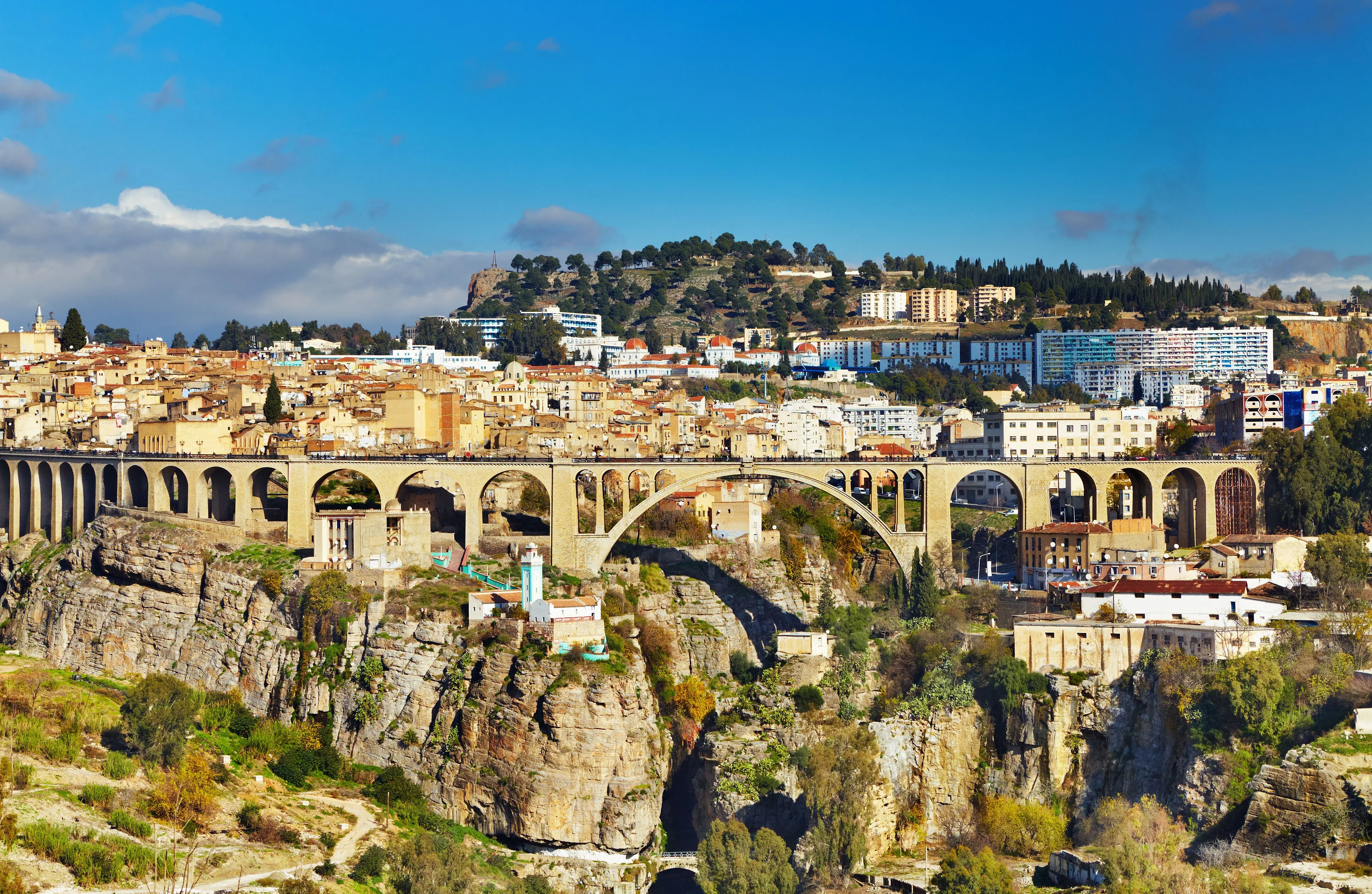
Located in eastern Algeria, Constantine possesses a singular character. It is perched atop dizzying cliffs and connected by a network of bridges that span the gaps between its neighborhoods. Known as the city of suspended bridges, it is also one of the oldest cities in the world, boasting more than 2,500 years of history. Exploring this Algerian gem reveals a place where the past and present coexist within a dramatic natural setting.
An exceptional and vertiginous natural site
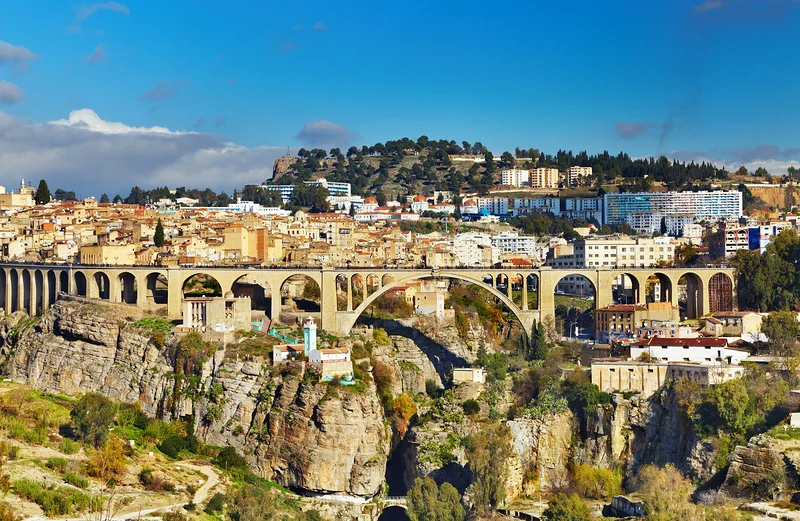
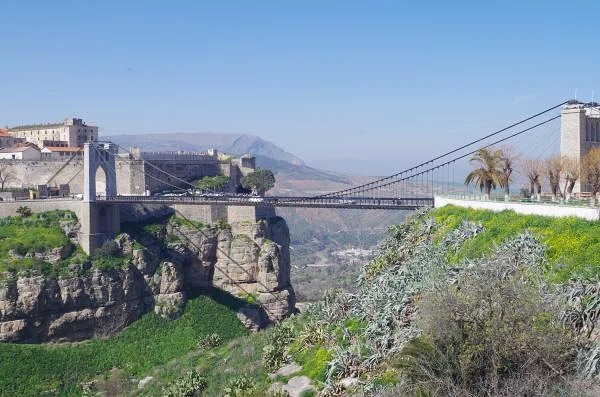
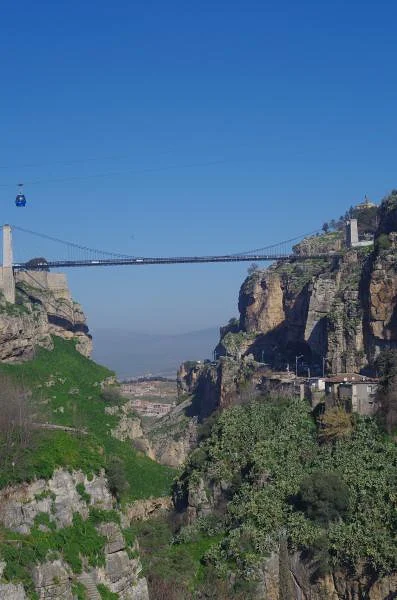
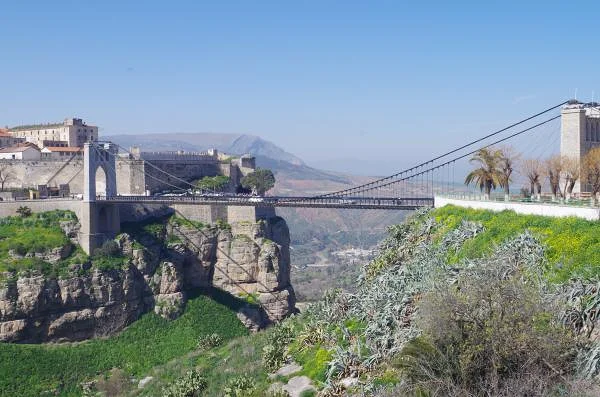
What immediately sets Constantine apart is its location. The city sits on a rocky plateau overlooking the Rhummel gorges, a deep ravine that slices through the city and divides it into distinct districts. This rugged terrain makes Constantine a memorable destination for anyone interested in unusual landscapes. The suspension bridges themselves are feats of engineering, linking the city's sections and providing striking vantage points.
The most iconic of these is the Sidi M’Cid Bridge, which towers more than 175 meters above the Rhummel gorges. Crossing this bridge offers unique panoramas of the city and the surrounding cliffs. The Sidi Rached Bridge, another Constantine landmark, ranks among the largest masonry bridges in the world and serves as a vital link between the historic districts and the modern downtown area.
A millennial history
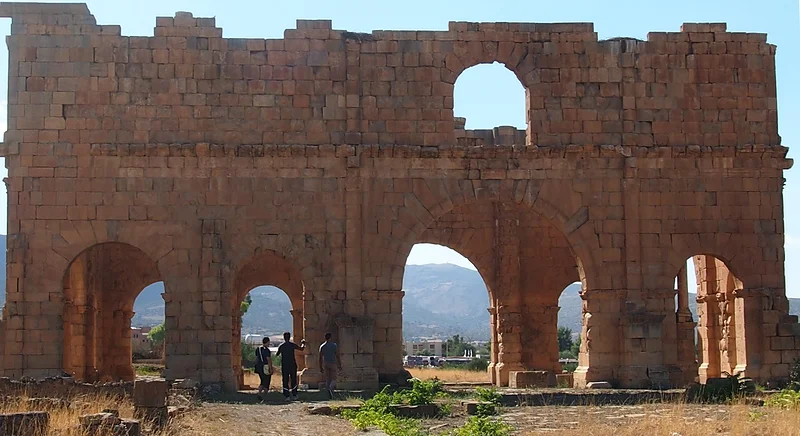
Known in antiquity as Cirta, Constantine has a fascinating history dating back to the Numidian era. It served as the capital of that powerful kingdom before becoming an important city under the Roman Empire. The city later took its current name in honor of the Roman emperor Constantine the Great, who rebuilt it after a period of destruction.
This ancient history remains palpable in the streets of Constantine, where Roman ruins, Islamic monuments, and French colonial buildings sit side by side. Among the must-see sites, the Casbah of Constantine, a labyrinth of narrow alleys and old houses, bears witness to the city's Arab heritage. The Emir Abdelkader Mosque, one of the largest mosques in Algeria, stands as a modern architectural jewel with its imposing domes and majestic minarets.
The Cirta National Museum, housed in a colonial-era building, contains an impressive collection of antiquities, including Roman sculptures and Berber artifacts. This museum is an essential stop for understanding the historical gravity of the city.
A cultural and spiritual hub
Constantine serves as a major center for culture and spirituality in Algeria. As an intellectual hub, it hosts prestigious universities alongside numerous schools and cultural institutes. Malouf music, a traditional regional genre, still resonates through local festivities and cultural events. If you are lucky enough to attend a malouf concert, you will encounter a refined art form that blends Arabic poetry with Andalusian musical structures.
The spiritual heritage of Constantine is equally significant. In addition to its many mosques, the city draws pilgrims from across Algeria who come to visit the tomb of Sidi Rached, a saint venerated throughout the region. Spirituality remains deeply anchored here, and places of worship are integrated into the rhythm of daily life.
A modern and welcoming city
While steeped in history, Constantine is a modern city that lives firmly in the present. The downtown area is lively, filled with traditional cafes, shops, and markets where you can pick up local handicrafts. The Martyrs Square serves as the central meeting point, often populated by locals relaxing or socializing.
As you explore, you will find modern infrastructure like the tramway, which simplifies travel across this multi-level city. The cuisine of Constantine, influenced by Berber and Arab traditions, is a treat for those seeking authentic flavors. Try local staples like chakhchoukha, a semolina-based stew, or the various traditional pastries that are a point of local pride.
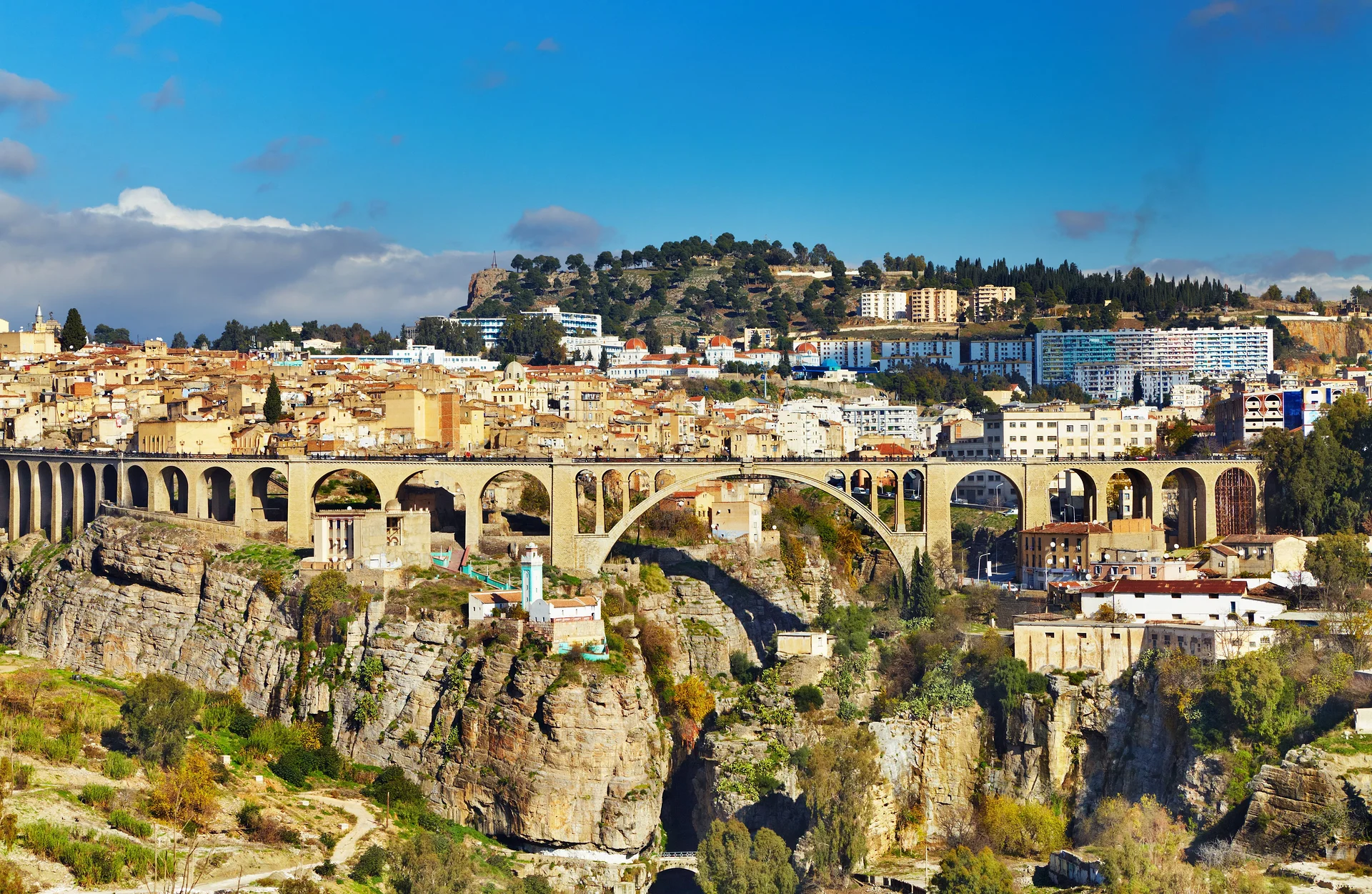
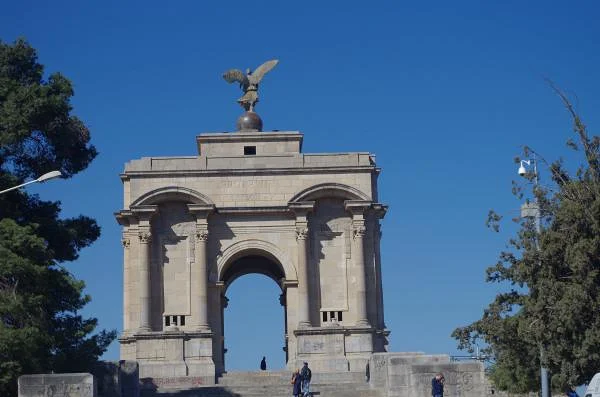
Constantine, one of the oldest cities in the world, is an important city in Mediterranean history. Known by its ancient name Cirta, the capital of Numidia, it has carried the name of Emperor Constantine I for 17 centuries, who rebuilt it in 313. Constantine is also nicknamed the city of suspension bridges, the city of the old rock, the city of scholars, the city of eagles, or even the city of malouf, which is the Constantinian version of Arab-Andalusian music. It is the regional capital of the eastern part of the country.