Visiting Vietnam: Diverse Landscapes and Cultural Depth
From the northern mountains down to the southern beaches, Vietnam packs an incredible variety of terrain and local lifestyles into a narrow strip of land. Carved by the Mekong and bordered by the South China Sea, the country blends rural traditions, colonial history, and fast-paced urban growth.
Hanoi and the North: Traditions and Mountains
Hanoi, the capital, mixes narrow old-quarter alleys, ancient temples, and distinct French colonial architecture. Hoan Kiem Lake, old French-era villas, and street markets draw plenty of curious visitors and photographers.
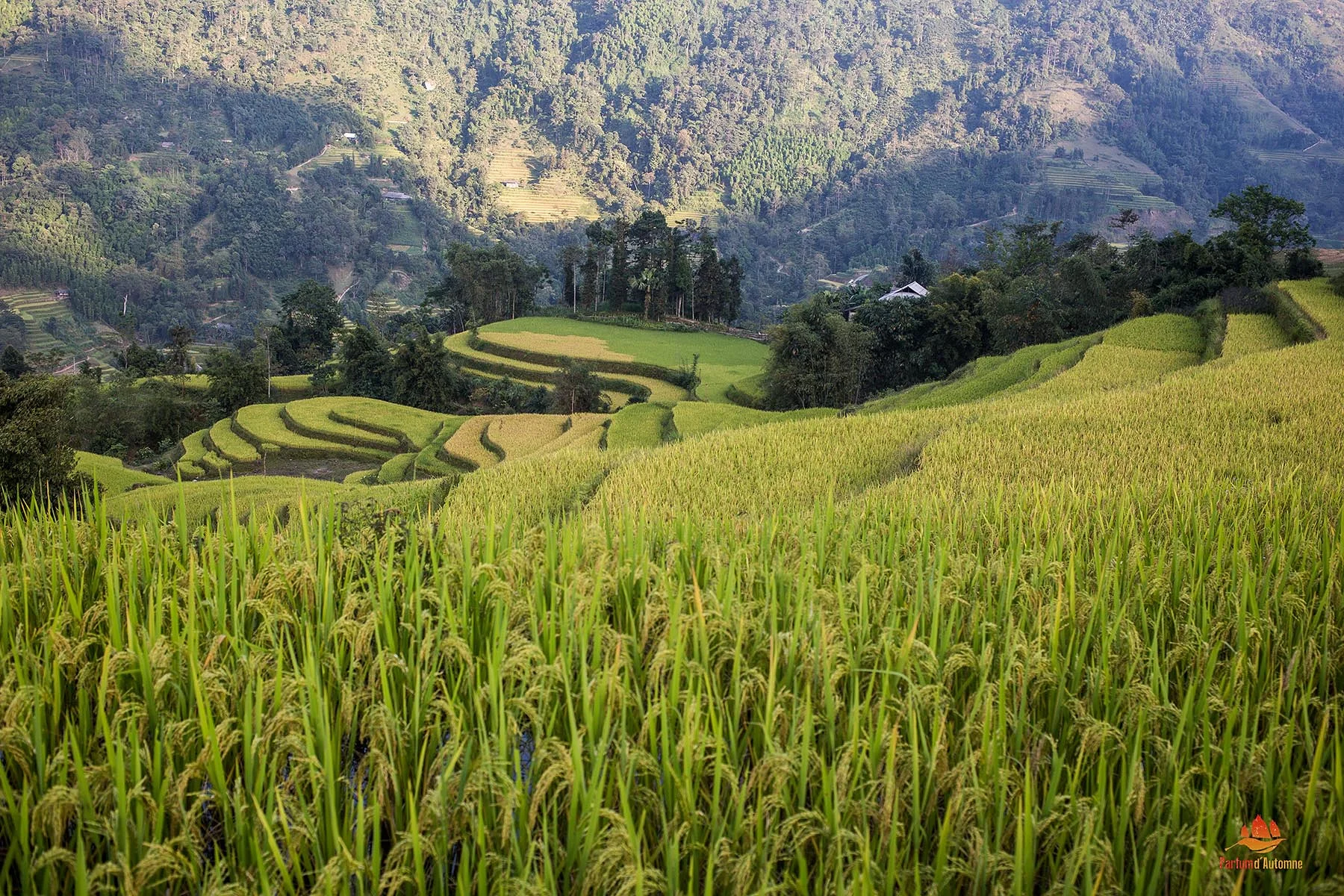
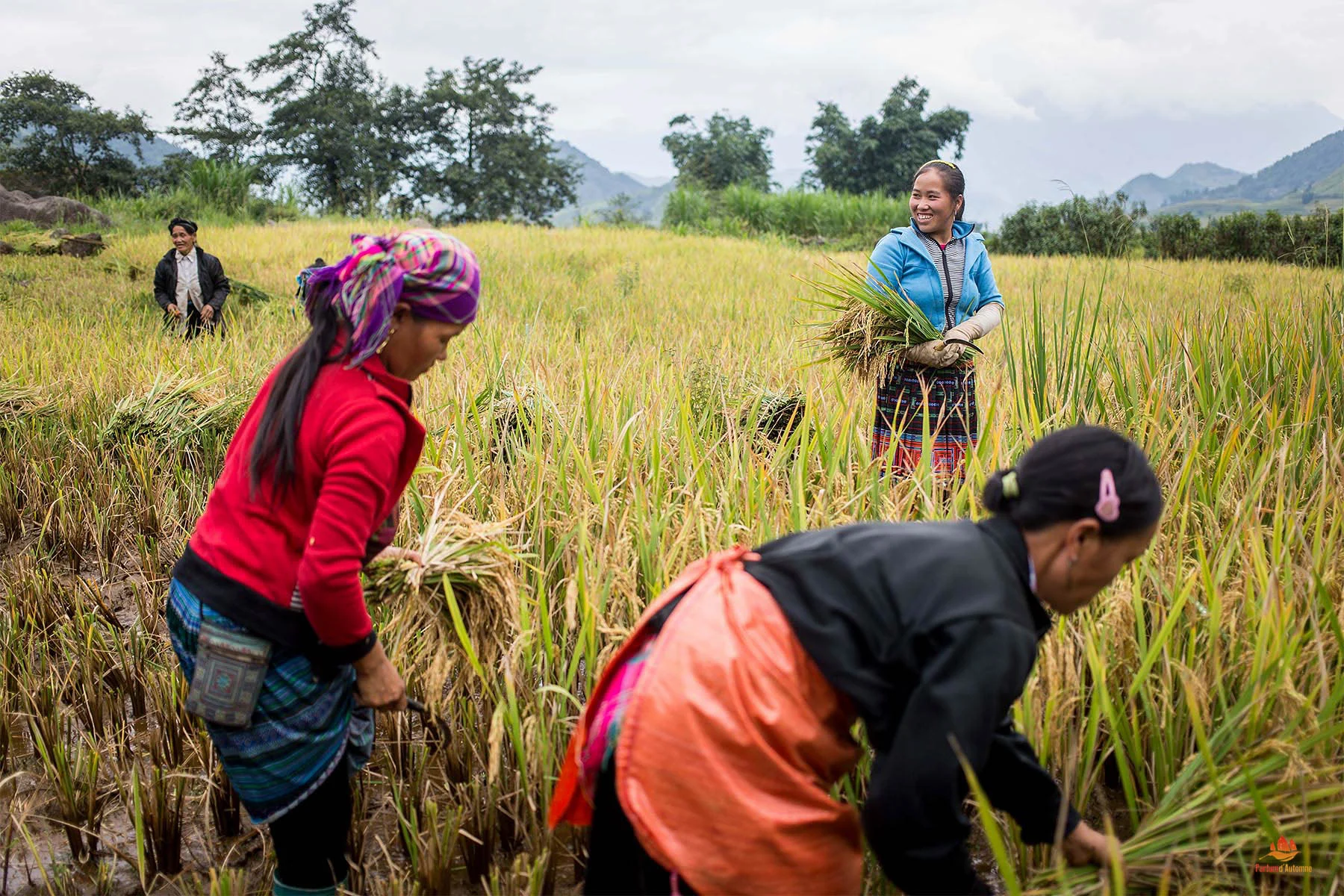
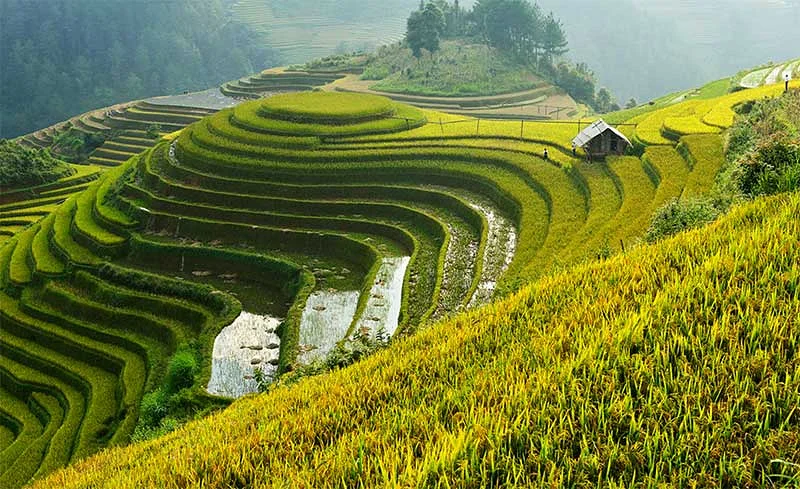
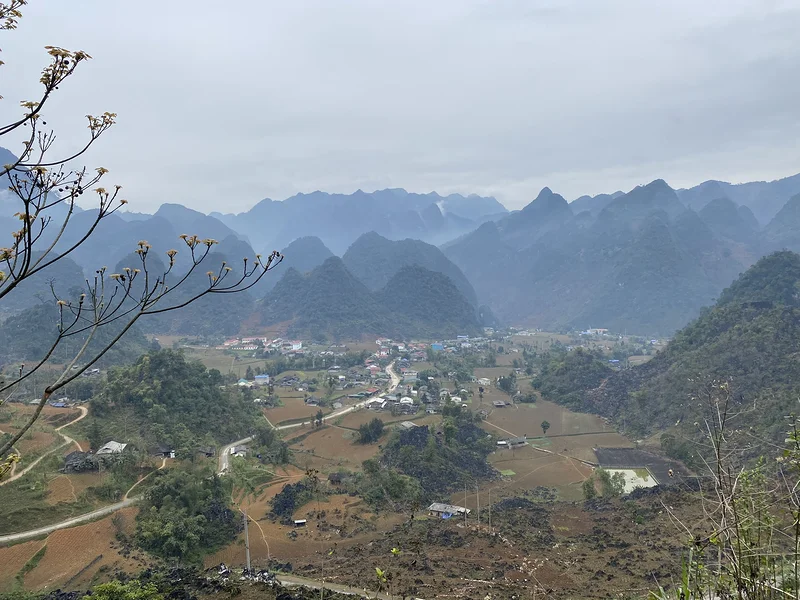
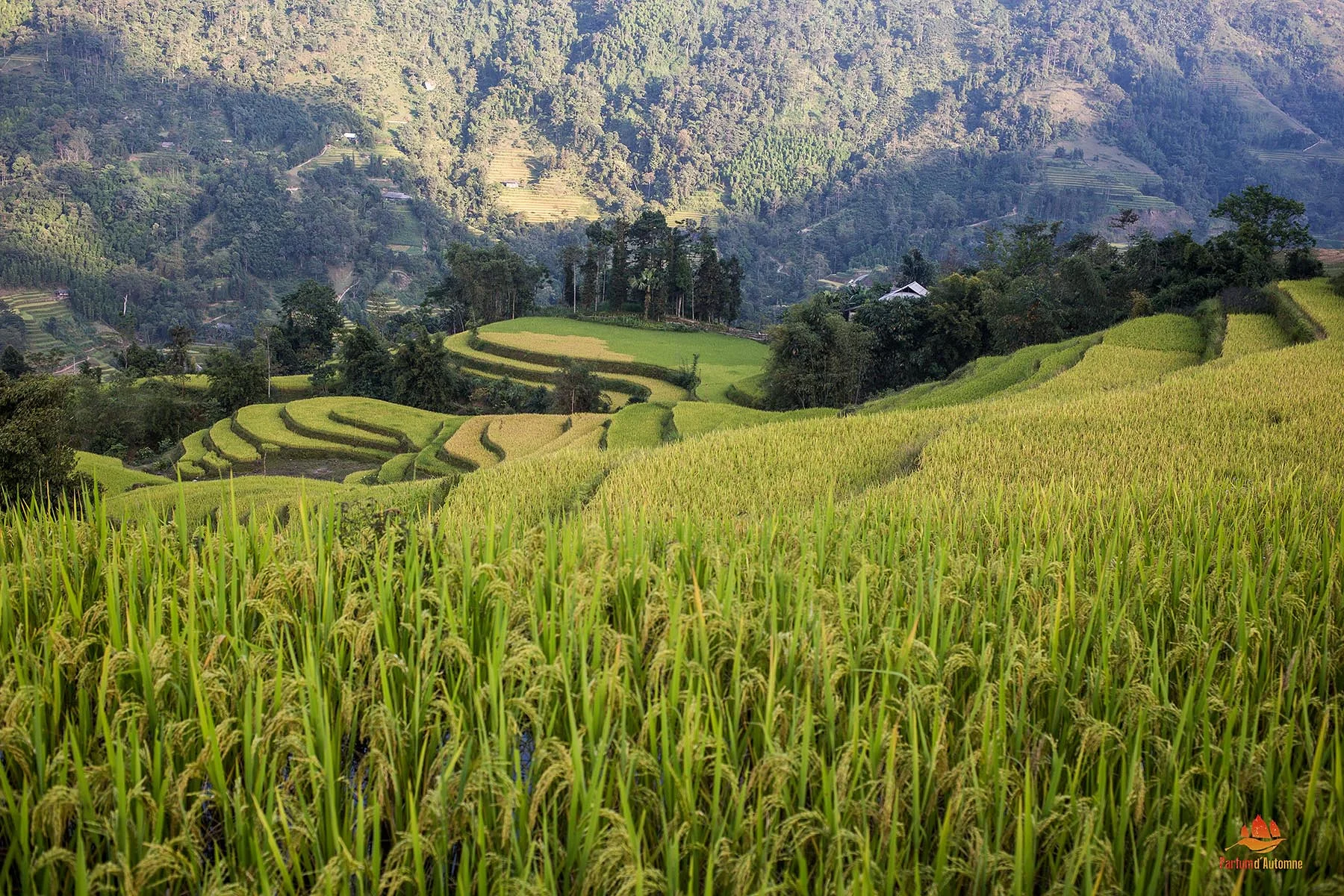
Further north, the mountain regions of Sapa and Ha Giang reveal a rural Vietnam populated by ethnic minority communities wearing traditional patterned clothing. The terraced rice fields, at their most striking in late summer, make this a prime destination for hiking.
Ha Long Bay and Karst Landscapes
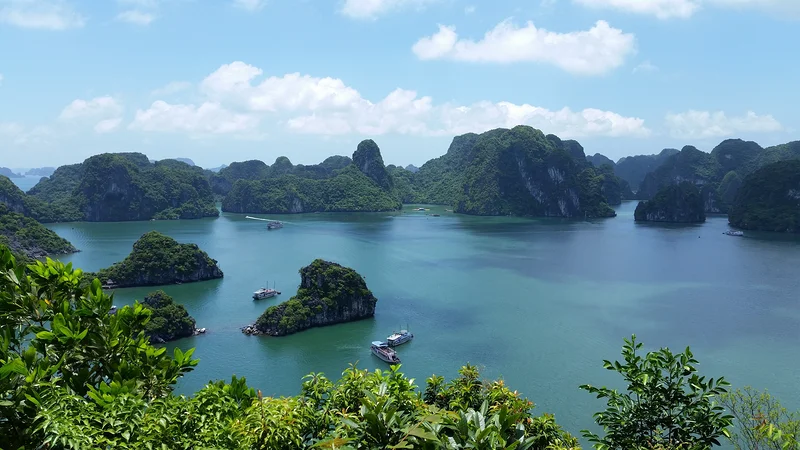
The Ha Long Bay area, a UNESCO World Heritage site, stands out as one of the country's signature landscapes. Thousands of limestone pillars rise directly out of calm waters, best explored via overnight boat cruises. For a quieter option, Bai Tu Long Bay and Lan Ha Bay receive far fewer crowds.
Inland, the Ninh Binh region features similar limestone formations set among winding rivers and hidden pagodas.
Hue, Hoi An, and Imperial History
Central Vietnam holds deep historical roots. Hue, the former imperial capital, houses a partially restored citadel, sprawling royal tombs, and quiet gardens.
A bit further south, the UNESCO-listed town of Hoi An charms visitors with lantern-lit historic streets, Chinese assembly halls, and well-preserved merchant homes. This old trading port also serves as a convenient base for reaching nearby beaches or the ruined towers of My Son, a relic of the ancient Cham civilization.
The South: Ho Chi Minh City and the Mekong Delta
Ho Chi Minh City, formerly Saigon, runs at a much faster pace with modern skyscrapers and bustling markets. History enthusiasts head straight for the War Remnants Museum or the underground Cu Chi tunnels. Further south, the Mekong Delta shows off a completely different side of life with floating markets, tropical fruit orchards, and stilt houses. Boat tours and bicycle rides offer the best way to take it all in.
Regional and Flavorful Food
Vietnamese cooking varies significantly by region. You will find staples like pho (beef or chicken noodle soup), banh mi (sandwiches served on crispy baguettes), and goi cuon (fresh spring rolls). Vietnamese coffee, typically poured over ice with sweetened condensed milk, is available everywhere. Southern dishes tend to lean sweeter, northern recipes keep things simple, and central cooking brings the heat with bolder spices.
When to go
Weather patterns shift considerably between the north and south. Generally speaking, March-April and October-November offer the most comfortable weather for traveling across the entire country. Tet (Lunar New Year), which lands in January or February, is a massive cultural event, but keep in mind that many shops and services close during the holiday.
How to get there
Flights from major US hubs connect to Hanoi or Ho Chi Minh City, typically requiring at least one stop. Several Asian carriers offer competitive fares and convenient connections through major hubs.
How to get around
The train network connects major cities from north to south, though journeys take time. Long-distance buses run frequently and cost very little, though comfort levels vary. For shorter hops, motorbikes remain the primary mode of transit, though driving requires serious experience given the traffic density. Domestic flights run frequently and stay inexpensive, especially through local low-cost airlines.