

Visiting Hội An, a Historic Town in Central Vietnam
Hội An, located in Quảng Nam province, is a historic and cultural hub in central Vietnam. Designated as a UNESCO World Heritage site in 1999, this former trading port draws visitors in with its preserved architecture, relaxed pace, and long-standing craft traditions. Here is a closer look at what Hội An has to offer.
A Historic Center with Timeless Appeal
The heart of Hội An is its historic district, a maze of narrow streets lined with buildings showing Chinese, Japanese, and French influences. Walking through the Old Town lets you see 18th-century wooden merchant houses up close. Among the most notable landmarks is the Japanese Covered Bridge, built in the 16th century. Another key site is the Fujian Assembly Hall, known for its intricate architectural details.
At night, the town lights up with colorful lanterns that create a distinct atmosphere. These lanterns are a symbol of Hội An, crafted right in local workshops where you can learn more about how they are made.
A Celebrated Culinary Scene
Hội An is a great stop for anyone interested in Vietnamese food. Local specialties include cao lầu, a noodle dish featuring pork, crisp greens, and broth, alongside white roses, which are delicate shrimp dumplings.
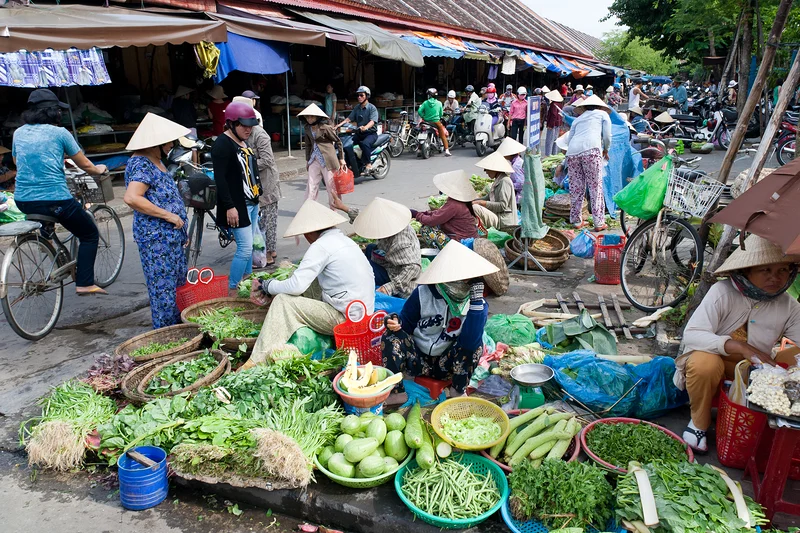
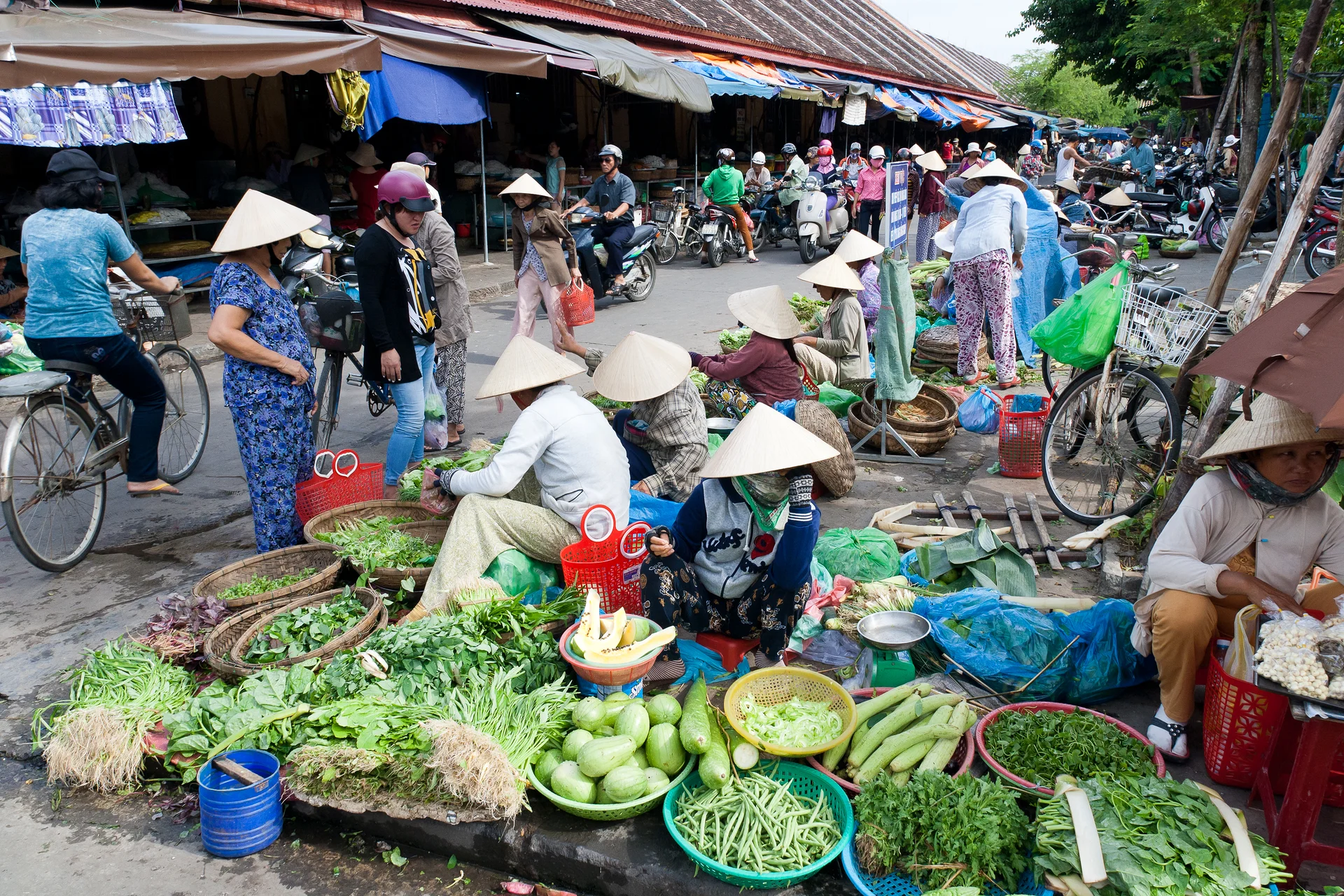
To dive deeper into the food culture, you can join cooking classes that often start with a walk through the Hội An market to pick up fresh produce and regional spices.
Things to Do Around Hội An
Hội An extends well beyond its historic center. A few kilometers out of town, you will find the beaches of Cửa Đại and An Bàng. The first is quieter, while the second is known for its casual vibe and small seafood spots.
Culture enthusiasts can make the trip to the Mỹ Sơn sanctuary, a UNESCO archaeological site roughly 40 kilometers from Hội An. These Cham temple ruins date back to the period between the 4th and 13th centuries.
For a closer look at local life, the surrounding villages, such as Tra Que, which is famous for its vegetable gardens, offer a glimpse into traditional farming methods.
Practical Tips for Your Stay
Because the old town is pedestrian-only, comfortable walking shoes are a must. To escape the daytime crowds, wander down the quieter side streets, which hold just as much charm. Take time to chat with local residents, known for their hospitality, and soak in the atmosphere of a place where life moves at a slower pace.
Hội An combines heritage, nature, and daily traditions into a destination that appeals to history lovers and anyone looking to unwind. It offers a side of Vietnam distinct from the energy of the major metropolises.
When to go
The best time to visit Hội An runs from February to April, when the weather is mild and dry, making it ideal for exploring the town and surrounding area. Beyond the clear skies, the lantern festival, held each month during the full moon, fills the Old Town with a unique glow.
How to get there
The closest international airport to Hội An is in Đà Nẵng, located about 30 kilometers away. From Đà Nẵng, you can reach Hội An by taxi, private car, or bus in about 45 minutes.
If you are traveling from Huế or elsewhere in central Vietnam, trains and buses connect to Đà Nẵng, where you can easily catch transport onward to Hội An.



Hoi An is one of the cities I loved in Vietnam. I adored its vibe, which is softer and more laid-back than Hanoi or Ho Chi Minh City. You can walk or bike around without rushing, among colorful facades, lanterns, tailor shops, and little stores. It also lets you enjoy the nearby beach and explore the surrounding area.
I totally recommend this stop!