
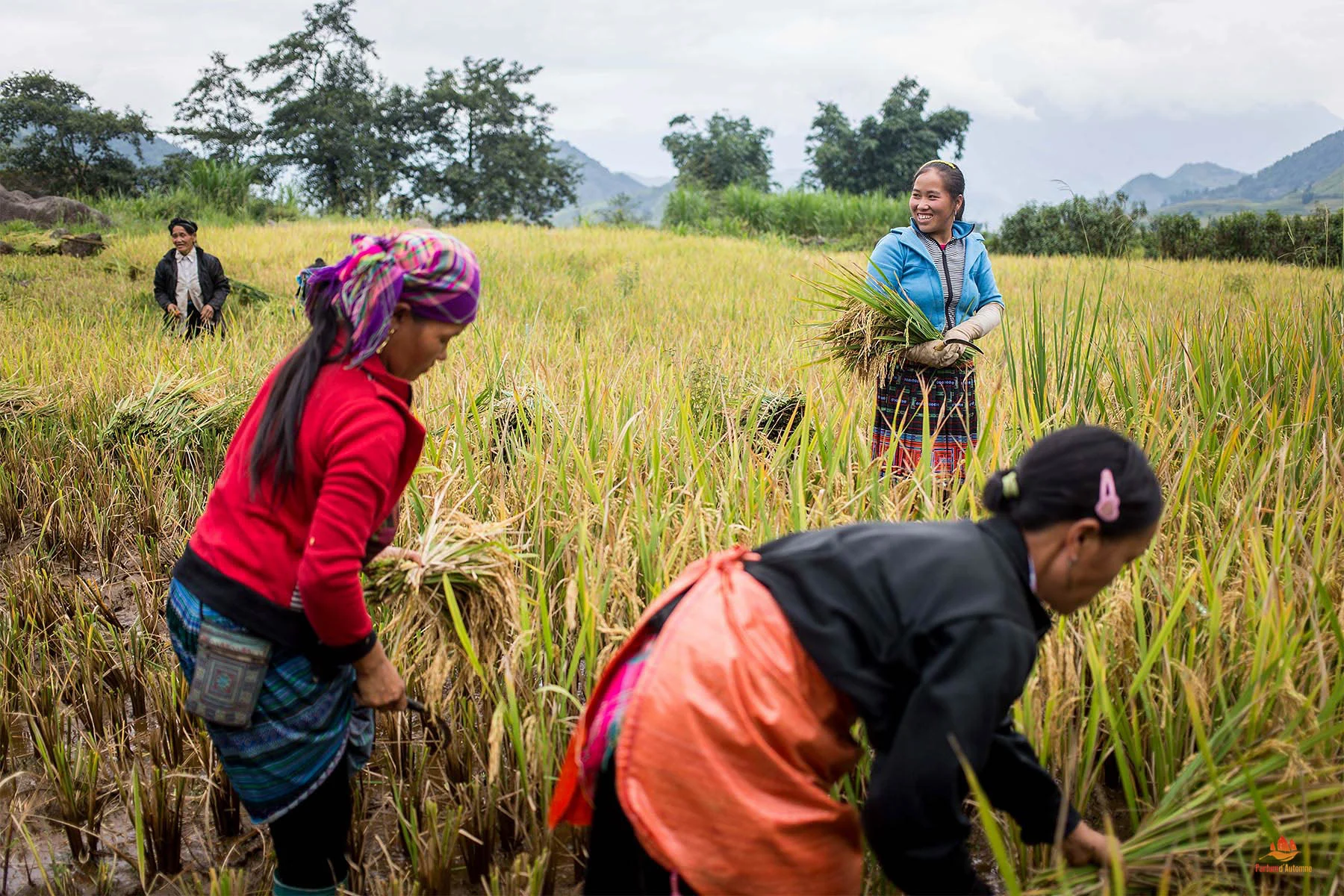
Visiting Sapa, a Mountain Town in the Heart of Ethnic Minorities
Sapa, nestled in the mountains of northwestern Vietnam, is a small, lively town that draws travelers with its dramatic landscapes and deep cultural diversity. Sitting around 1,500 meters above sea level, it is surrounded by terraced rice fields, traditional villages, and towering peaks, offering a cool escape from major urban centers. With its unique blend of nature and heritage, Sapa appeals directly to travelers looking for authentic experiences.
The Center of Sapa and Its Energy
The heart of Sapa is a mix of old and new, featuring hotels, restaurants, and shops lining the main square. The Sapa market is a prime spot to check out local craftsmanship, particularly the colorful textiles and silver jewelry made by ethnic minority groups. It is also the place to sample regional specialties like thắng cố (a slow-cooked meat stew) or street-side grilled skewers.
The town landmark is the Sapa church, built during the French colonial era. This simple yet charming stone building serves as a community hub, especially during cultural gatherings.
The Ethnic Minority Villages
Sapa is ringed by settlements belonging to minority communities such as the Hmong, Dao, and Tay. Easily reachable on foot or by scooter, these villages provide a direct look into traditional ways of life and local customs.
The village of Cat Cat, just 3 kilometers from Sapa, is a popular stop for visitors. Although geared toward tourism, it features traditional homes and craft workshops set against a scenic backdrop. Farther out, the villages of Ta Phin and Lao Chai offer a quieter atmosphere and deeper interactions with residents.
Dramatic Natural Landscapes
The terraced rice fields carving into the mountain slopes define Sapa's iconic scenery, shifting colors throughout the year from lush green in the spring to golden yellow in the autumn.
For hikers, Mount Fansipan, known as the roof of Indochina, stands as the ultimate regional challenge. Reaching 3,147 meters, it can also be scaled via cable car for travelers who want to skip the grueling climb. Up top, the views across the Hoàng Liên Sơn mountain range stretch for miles.
A Town Balancing Tradition and Growth
Sapa is a destination where ancestral traditions collide with rapid tourism development. While the town can get crowded during peak periods, it remains a practical launchpad for exploring the region's cultural and natural depth. Whether you are looking for outdoor trekking, meaningful local encounters, or simply sweeping mountain views, Sapa delivers.
When to go
Sapa welcomes visitors year-round, with each season bringing entirely different conditions. Winter can bring rare snow to the mountains, an unusual sight in Vietnam, while spring rolls in with fields of blooming flowers. Summers stay pleasant compared to the lowland heat due to the high-altitude climate.
How to get there
To reach Sapa, you can catch an overnight train from Hanoi to Lào Cai (taking 8 hours, costing $17-$34* for a sleeper berth), followed by a one-hour bus or taxi ride ($3.40-$5.70*). Direct buses are another practical alternative, running 5 to 6 hours starting from $12*.
These transit options offer a straightforward route straight into the mountain region.
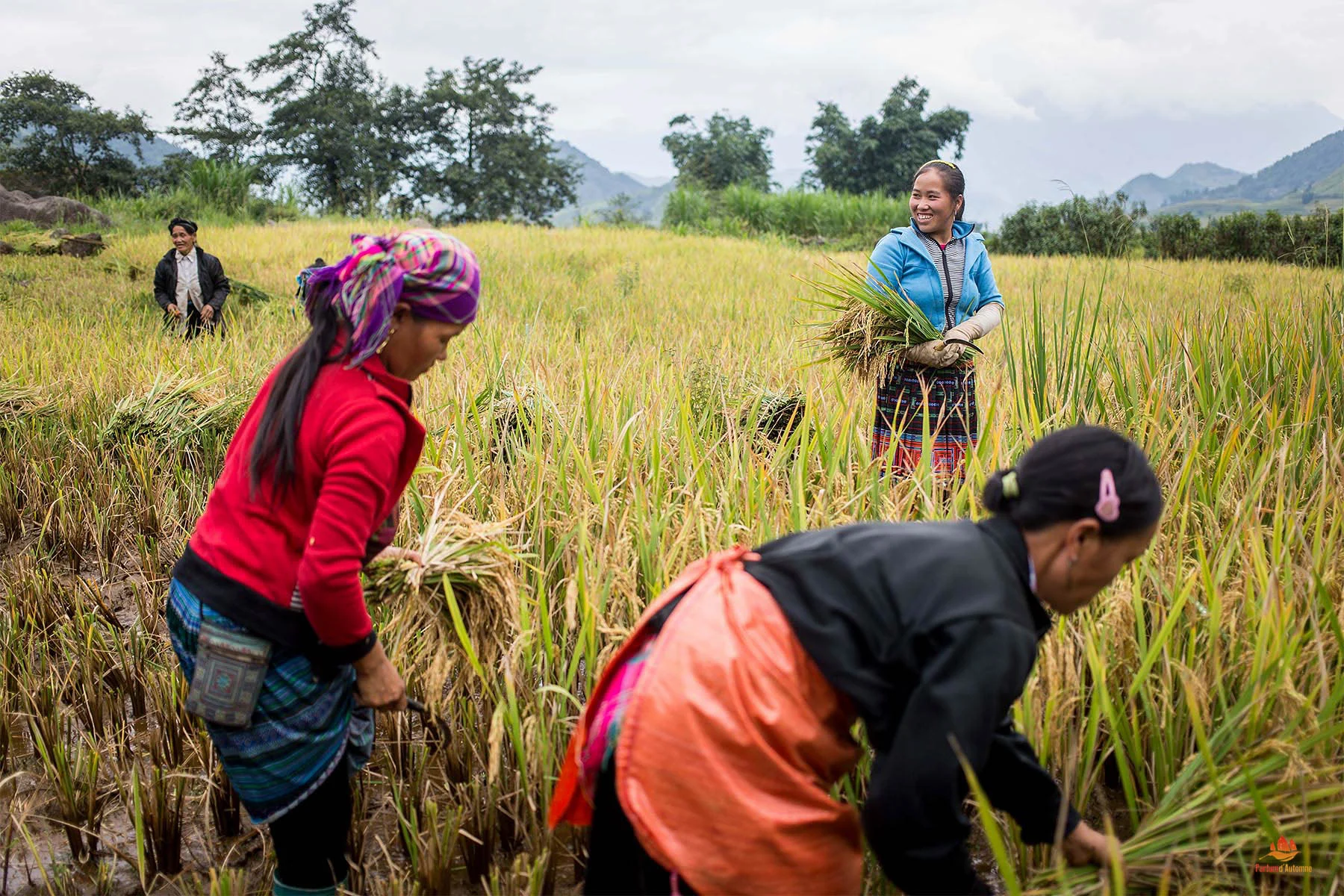
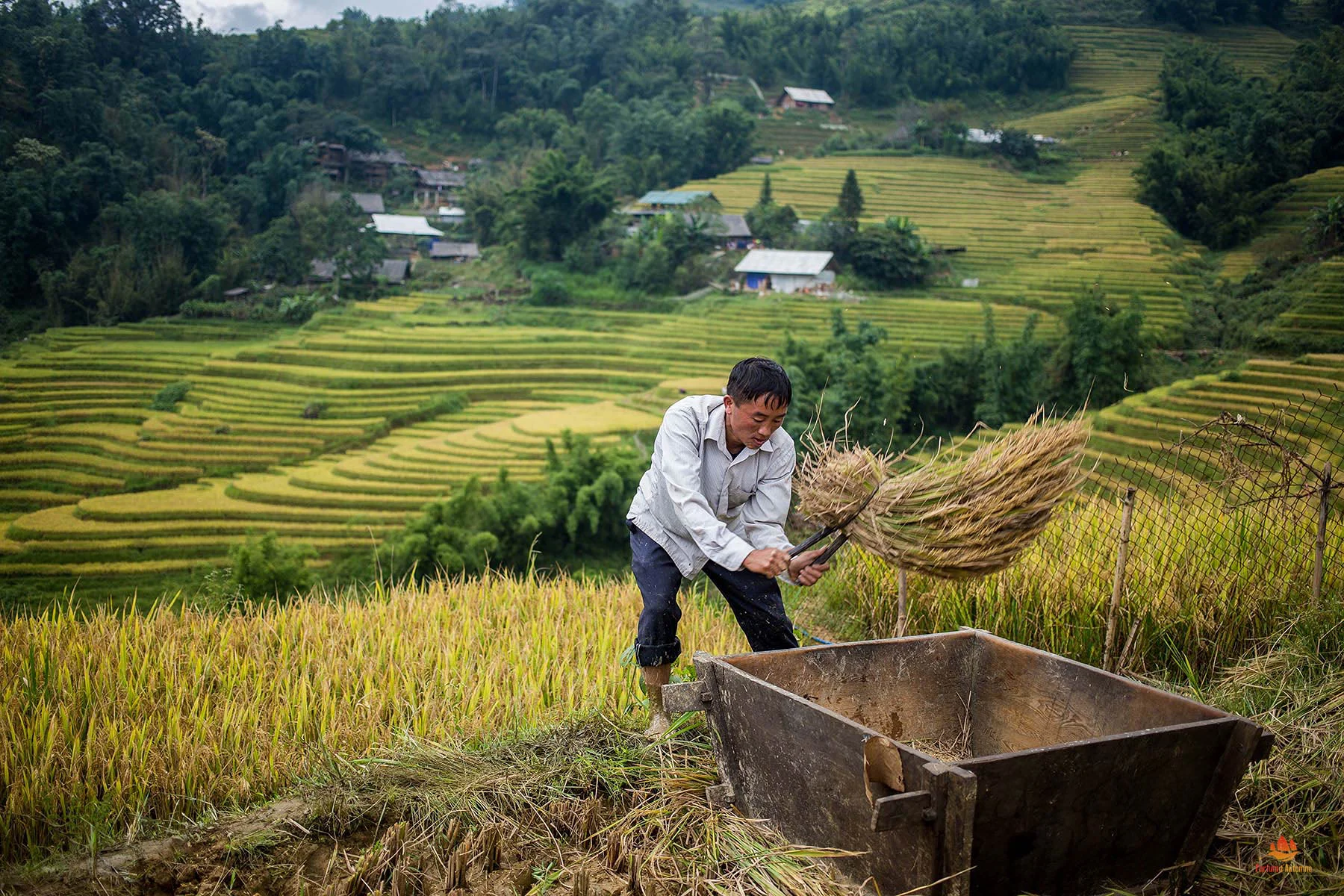
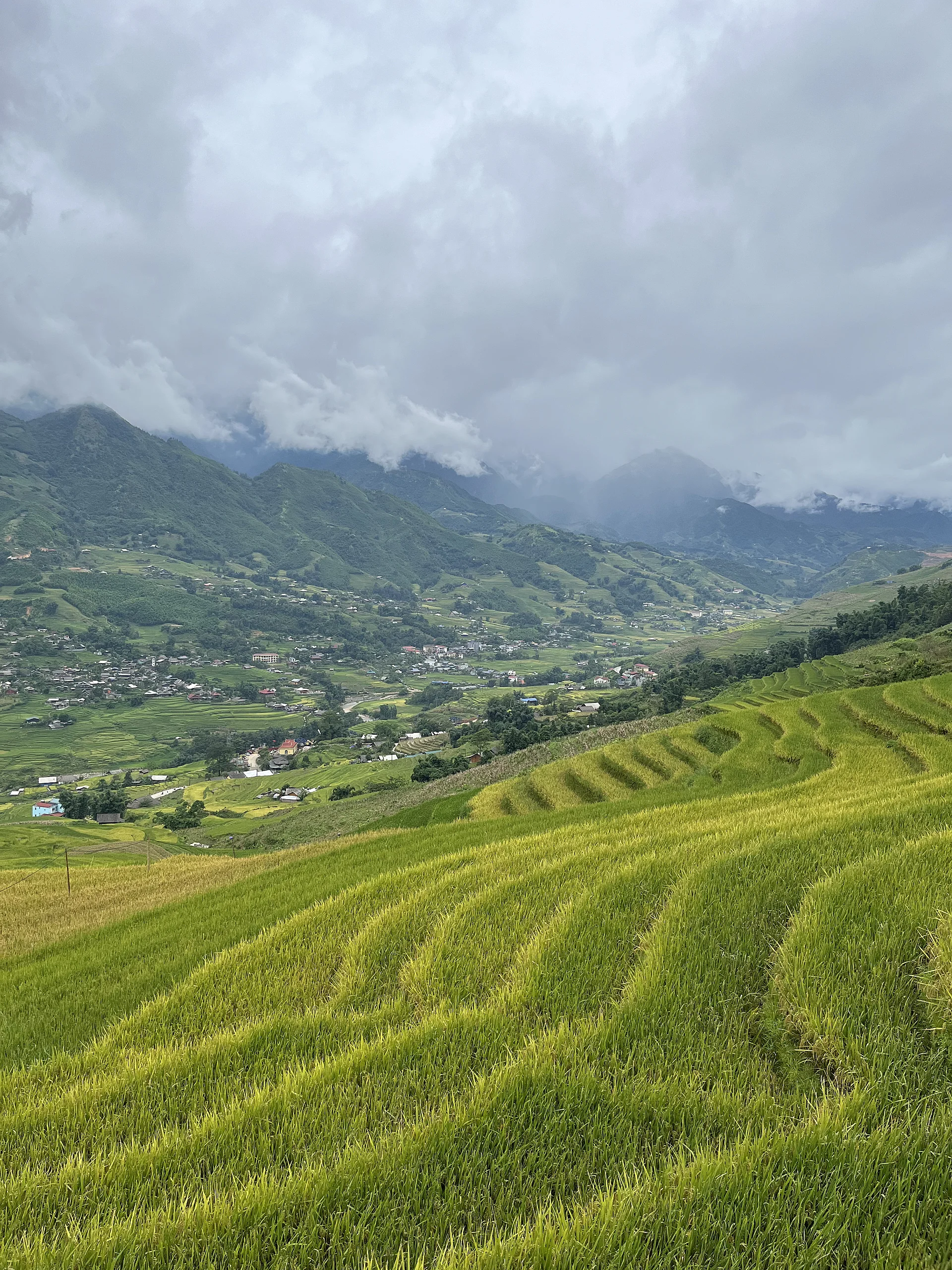
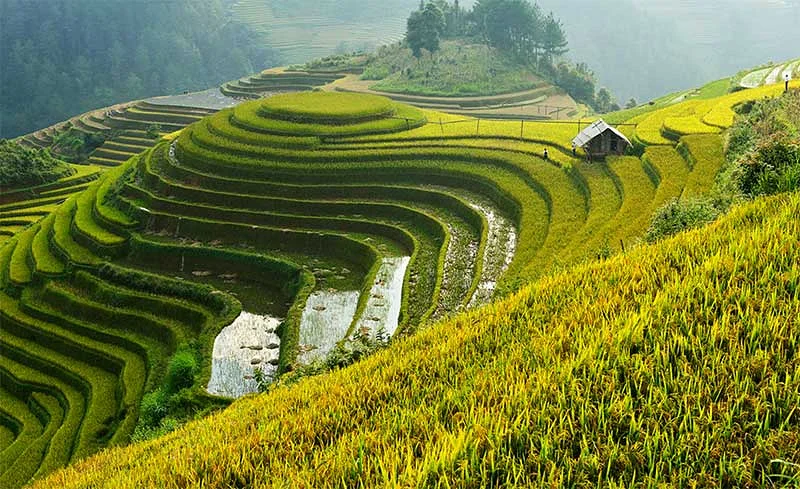
Sapa is a world of its own on a trip to Vietnam. Perched in the northern mountains, the town overlooks endless terraced rice fields, often wrapped in mist early in the morning. People come for the landscapes, but you leave truly marked by the encounters: the local ethnic minorities (Hmong, Red Dao...) who bring the region to life and gladly share a piece of the trail during treks.
The vibe changes with the altitude and the season, sometimes chilly, sometimes almost timeless. It is a stop that I sincerely recommend to get away from the pace of the big cities and take in the slow side of Vietnam