
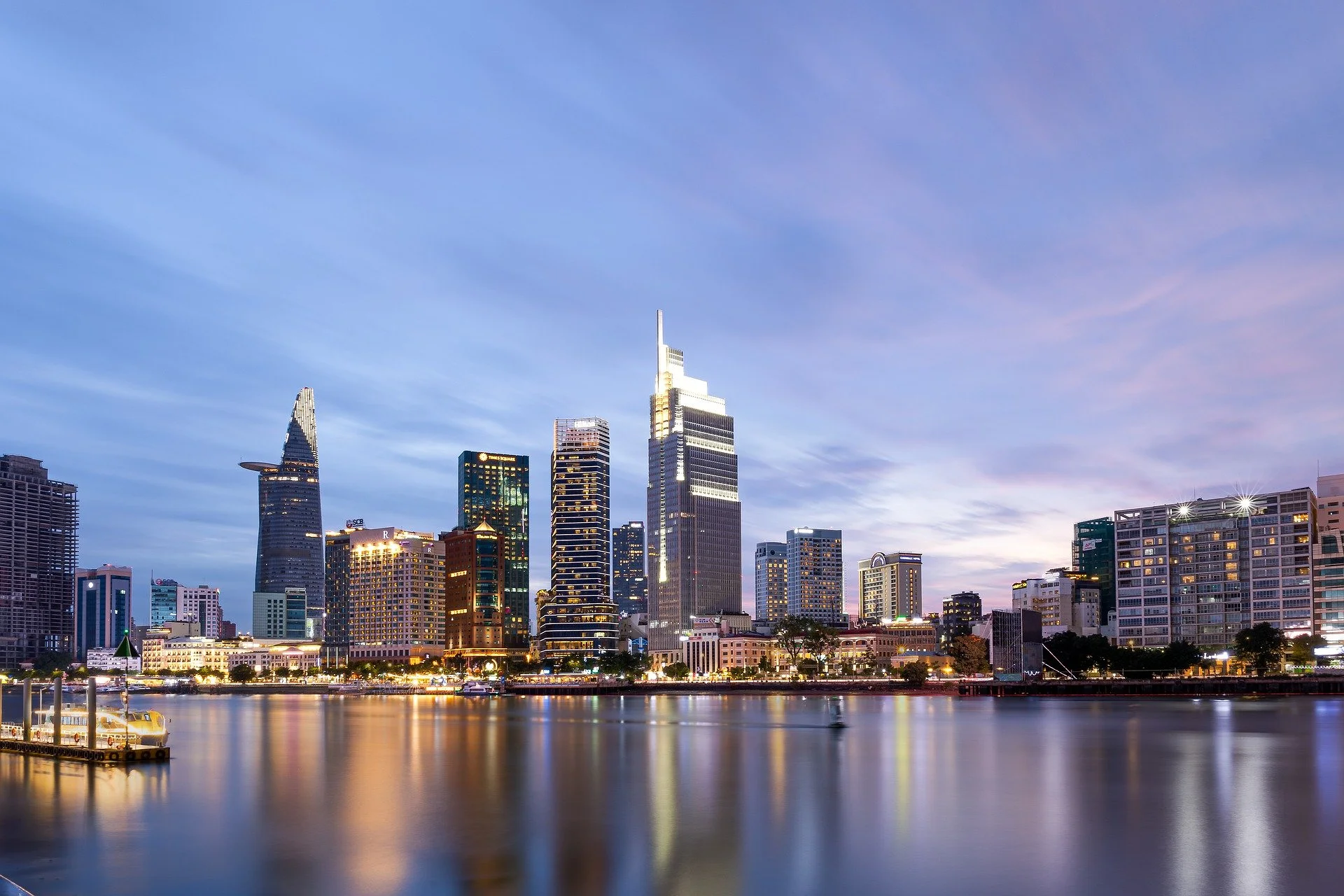
Ho Chi Minh City at a Glance
Formerly known as Saigon, this is often a favorite destination for travelers visiting Vietnam. Packed with energy, constant motion, and deep-rooted traditions, Ho Chi Minh City is a place of sharp contrasts and constant surprises. HCMC, as locals and frequent visitors call it to save time, leaves a lasting impression on anyone walking its narrow streets.
The Nonstop Energy of Ho Chi Minh City
The first thing that catches your eye in Ho Chi Minh City is the sheer swarm of motorbikes buzzing through the streets in every direction. The country's economic hub operates like a giant, non-stop beehive. The skyline keeps climbing higher as new skyscrapers go up. The Landmark 81 towers above the rest at 461 metres, followed by the Bitexco Financial Tower at 262, while the Saigon One Tower remains unfinished. The standard of living sits notably higher than in the rest of the country, and the restaurant and bar scene runs lively. Grab a drink on one of the rooftop terraces to take in the urban pace from above.
The Authentic Side of Ho Chi Minh City
Yet behind the shiny storefronts and high-tech malls, a much more traditional Ho Chi Minh City still exists. This is a city that has held onto its ancient temples and pagodas while staying grounded in its roots. You notice this most at the Bến Thành Market, which has been operating since the 17th century. Here you can sample local street eats sold for very little from colorful stalls. Keep your eyes open while wandering around the city to catch the everyday mix of street vendors, office workers, and people playing mahjong right on the sidewalk. Afterward, drop into the spiritual atmosphere at the Jade Emperor Pagoda. Catching a religious ceremony at the Great Tay Ninh Cao Dai Temple, located about a hundred kilometres to the northwest, makes for an unforgettable experience.
A Heavy Colonial Legacy
Ho Chi Minh City carries a strong colonial footprint. The old Saigon features a downtown area built entirely by the French in the 19th century. Known back then as the Pearl of the Far East, it still shows off plenty of monuments from that era, such as the Reunification Palace, the Central Post Office, the former City Hall, and the Opera House. The grand hotels lining Nguyễn Huệ Avenue give off an aura of past majesty. Meanwhile, Saigon Notre-Dame Cathedral blends neo-Romanesque and neo-Gothic styles.
When to Go
The best time to visit Ho Chi Minh City runs from December to March. The weather stays dry with minimal rainfall. In February, you can experience the massive Tết holiday, and March brings the unusual annual rickshaw race.
Getting There
Ho Chi Minh City is served by Tan Son Nhat International Airport. A flight from European hubs such as Paris to Ho Chi Minh City runs around $570 to $680*, with a flight time of 12 hours outbound and 13 hours on the return.
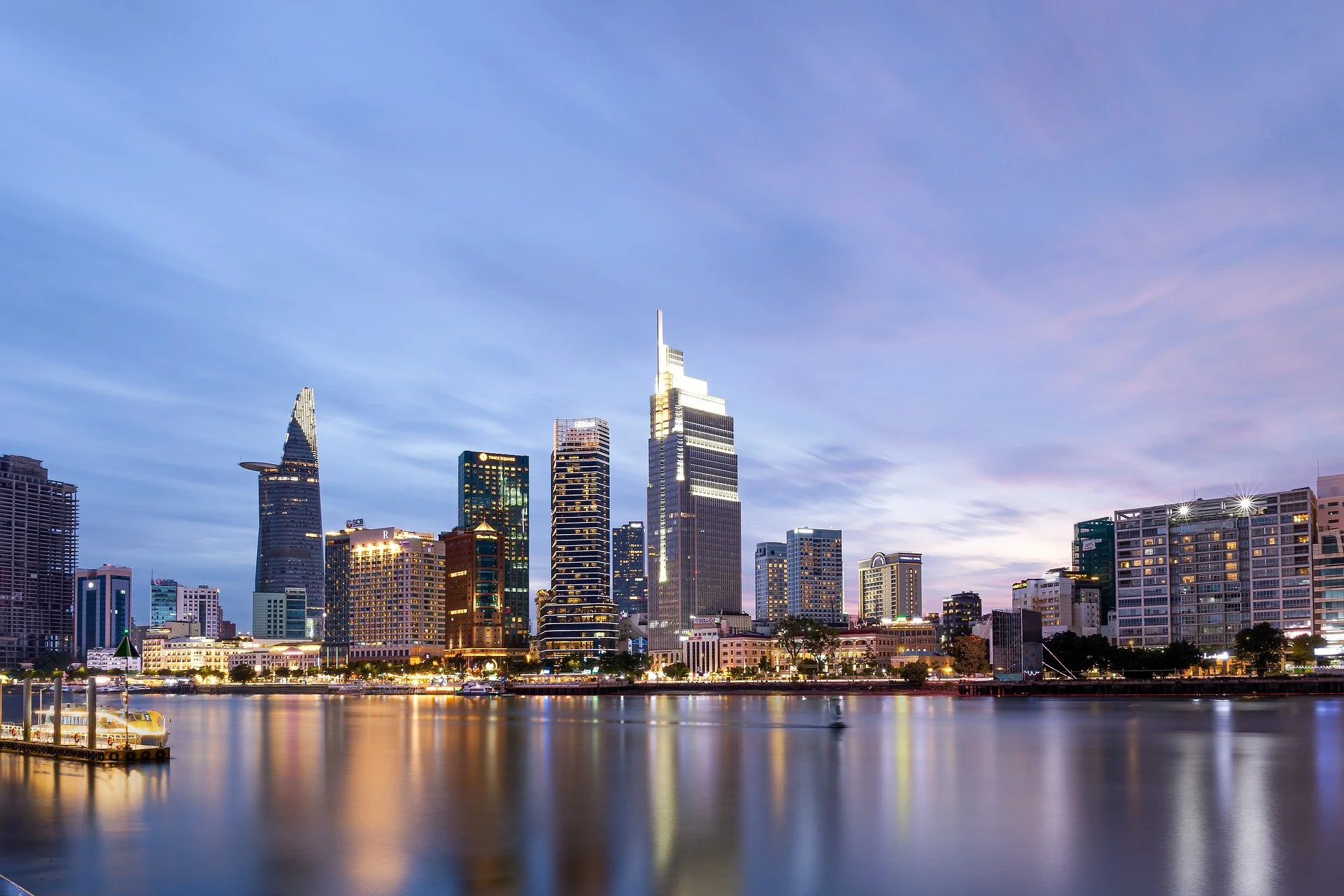
Ho Chi Minh City isn't one of the must-see spots in Vietnam, but it still has a few things going for it. We did our last souvenir shopping at the huge Ben Thanh Market, where you will have no shortage of options.
The one visit you shouldn't miss is the War Remnants Museum. We went with our kids to learn more about the Indochina and Vietnam wars, but we avoided taking them into certain rooms, especially the one with photos of civilian Napalm victims, which are just too traumatic.
Beyond that, it is fascinating to learn more about these wars and what Vietnam went through for so many years before regaining its independence.