
Yen Bai, Where the Rice Paddies Touch the Sky
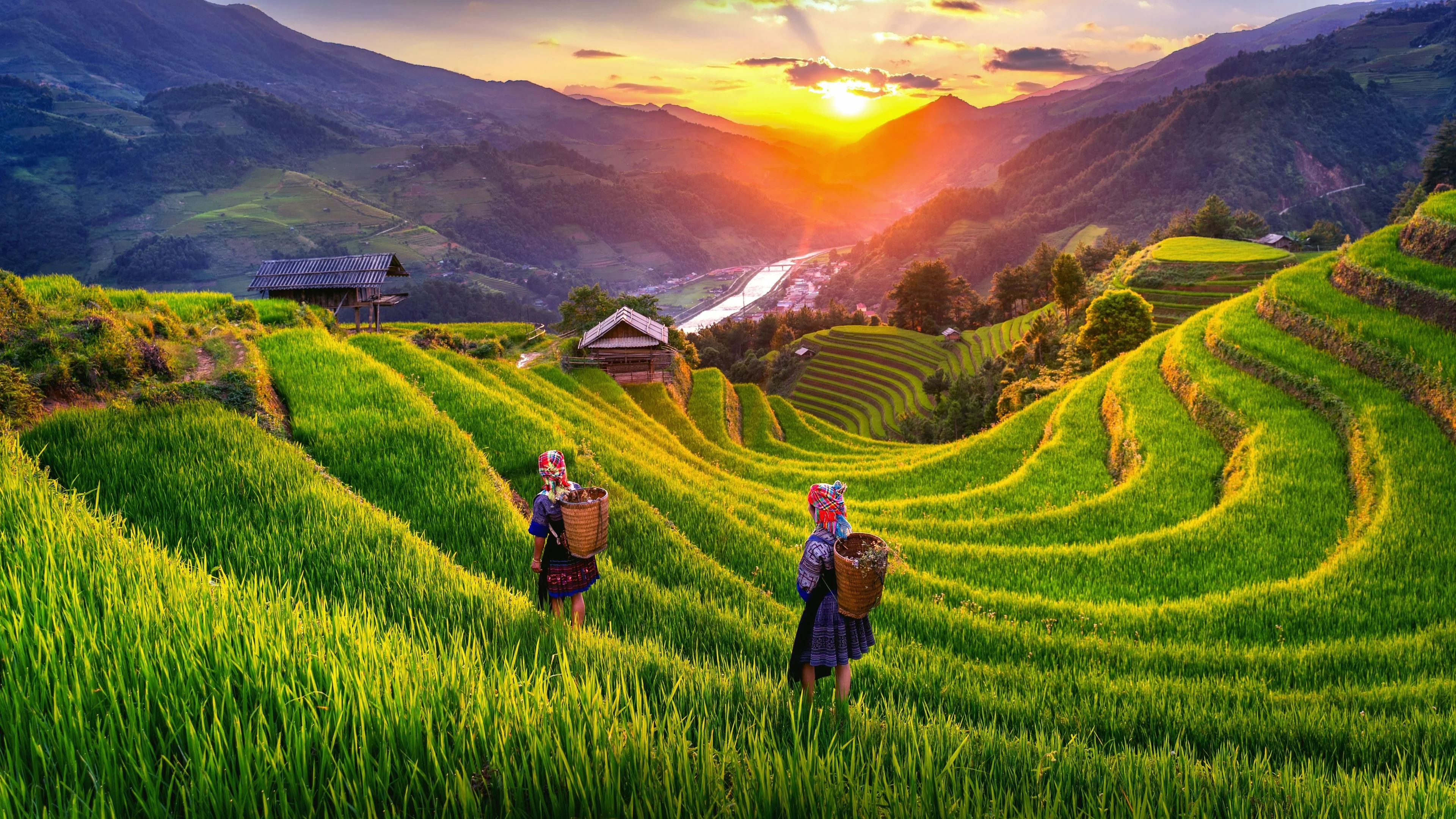
The scent of freshly toasted sticky rice drifts up from the villages below. At six in the morning, the first rays of sunlight transform the paddies into golden staircases. You are at the Khau Pha Pass, sitting at an altitude of 1,200 metres, and the fog is slowly burning off to reveal one of the most striking views in Vietnam.
Yen Bai is unlike any other province in the country. Wedged between the standard tourist routes of Sapa and Ha Giang, it stays quietly off the main radar, giving it a rare, unfiltered authenticity.
A Destination for Travelers Who Prefer the Road Less Traveled
This mountainous province in northwestern Vietnam appeals to travelers chasing dramatic landscapes without the tour bus crowds. If you dream of terraced rice fields as photogenic as Sapa's without the massive visitor influx, Yen Bai delivers. Hiking enthusiasts, photographers, and those looking to connect with ethnic minority communities in an untouched setting will find plenty to love here.
That said, this destination demands some effort. Roads are winding and occasionally rough, tourist infrastructure remains basic, and English is rarely spoken outside of a few ecolodges. If you want resort luxury or fully packaged activities, you will likely feel frustrated. Yen Bai rewards independent adventurers, not rushed vacationers.
An Accessible Budget for Mountainous Vietnam
Yen Bai remains budget-friendly compared to Sapa or Ha Giang. Backpackers typically spend around $34 to $57* a day, with homestay nights running $9 to $17*, local meals costing $2.30 to $4.50*, and motorbike rentals around $5.70 to $12* a day. More comfortable ecolodges push the tab to $45 to $68* a night, but the experience is worth the splurge.
The Rice Paddies of Mu Cang Chai: The Heartbeat of the Province
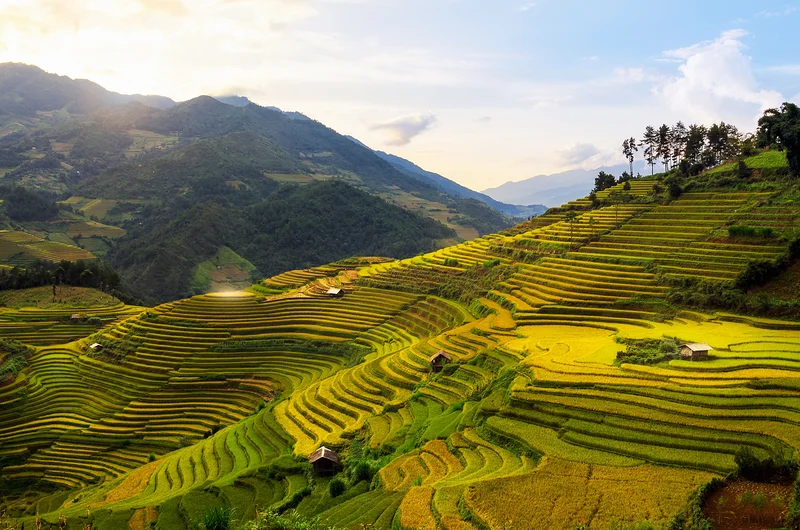
You cannot talk about Yen Bai without mentioning Mu Cang Chai, the district holding the most iconic landscapes. More than 700 hectares of terraced rice fields have carved the mountain slopes for generations, creating a spectacle that the British Telegraph newspaper ranked among the twelve finest terraced fields on earth. The communes of La Pan Tan, Che Cu Nha, and De Xu Phinh pack in the most dizzying viewpoints.
The Mam Xoi hill, literally translated as the sticky rice tray, offers a circular view of the terraces wrapping around the peak like a staircase to the heavens. To reach it, you need to catch a local motorbike taxi from the visitor parking lot. The drivers, nicknamed young buffaloes, rocket down these steep tracks at full speed. Close your eyes on the way down if you get vertigo.
Friendly tip: Avoid the late September peak season and book your lodging several weeks ahead. The window from late May to early June, when the paddies fill with water and turn into mirrors, draws smaller crowds and delivers exceptional photographic reflections.
The Khau Pha Pass and the Tu Le Valley
Nicknamed the horn of the sky in the Thai language, the Khau Pha Pass stretches for 30 kilometres of tight switchbacks between ancient forests and sheer drops. It ranks as one of the four great passes of Vietnam, alongside Ma Pi Leng, O Quy Ho, and Pha Din. Every year, the Flying Over the Golden Season festival lets paragliders launch from this dramatic starting point to soar over the golden paddies.
Before tackling the pass, stop in the Tu Le Valley. This staging post village not only serves up calming panoramas, it also produces the most celebrated sticky rice in Vietnam. In September, the air smells of freshly harvested grains. Natural hot springs nestled at the foot of the pass let you unwind after a day on the road, looking out over pine-covered mountains.
The villages of Lim Thai and Lim Mong, three kilometres from Tu Le, offer some of the most preserved landscapes in the area. The dirt track leading there turns slick when it rains, but the rice fields turn a deep, vibrant green as a result.
The Pung Luong Bamboo Forest
Open to the public since 2020, this dense forest spans over a hectare. Bamboo stalks reach up to nine metres high and create an almost surreal atmosphere when the wind sweeps through. It is the ideal spot to escape the heat and snap photos in the shade of the canopy.
Thac Ba Lake: The Halong Bay of the Mountains
Located 15 kilometres from Yen Bai city, Thac Ba Lake stands as the largest artificial lake in Vietnam. Created during the construction of the hydroelectric dam in 1970, it covers 23,400 hectares and holds over 1,300 islets scattered across its calm waters. Limestone caves dotting the shores add a mysterious edge to boat tours.
The region is home to the White Trousers Dao communities of Vu Linh commune. These villages offer an experience radically different from standard northern Vietnam tourist spots. Here, you will find no souvenir shops or staged cultural shows for visitors. Residents go about their daily routines, and your presence does not change that.
Friendly tip: To reach the lake from Hanoi, take the Bao Ngan bus from My Dinh bus station. It is the sole company running a direct connection, with a midday departure.
Nghia Lo and the Muong Lo Plain
As the second largest rice-growing plain in northwestern Vietnam, Muong Lo spreads out around the town of Nghia Lo. This is the historic territory of the Black and White Thai peoples, who make up the majority of the valley's 17 ethnic groups. Sa Ren village, sitting by the Thia stream, hosts homestays where you can learn to cook traditional Thai dishes and join in xoe dances around the fire.
The Muong Lo market is worth a stop for its brocade handicrafts and local specialties. The nearby Van Chan hot springs round out the visit nicely.
Where to Eat and Drink in Yen Bai
Yen Bai's cuisine reflects the heritage of the ethnic minorities populating the region. Tu Le sticky rice, featuring plump grains with a scent carrying for hundreds of metres, is a point of local pride. It accompanies most meals or stands alone while still steaming. The smoked buffalo meat made by the Black Thai of Nghia Lo uses a forest pepper called mac khen, giving it a unique woody flavor.
Com lam, sticky rice cooked inside bamboo tubes over glowing embers, originally served as food for highlanders on long treks. Today, it comes with grilled chicken or pounded sesame peanuts. The black banh chung of Muong Lo, a traditional rice cake dyed with vegetable ash water, surprises diners with its tender texture. For dessert or a snack, try the com of Tu Le, which consists of young, toasted, and pounded rice flakes paired with ripe bananas or persimmons.
Where to Stay in Yen Bai and Surroundings
In Mu Cang Chai, the Mu Cang Chai Ecolodge remains the top pick for travelers wanting a balance of comfort and immersion. Its stilt bungalows, built in traditional Thai style, look out over the Nam Khat valley. The owner, Dzung, speaks French and English and runs guided hikes to the best viewpoints.
Homestays like Hello Mu Cang Chai or Lapantan Paradise deliver dramatic views on a tighter budget. You sleep in stilt houses, share meals with the host family, and experience daily Hmong life firsthand. In Nghia Lo, lodging leans more conventional, with properties like the Muong Thanh Luxury Yen Bai Hotel suiting travelers who prefer standardized amenities.
How to Get to and Around Yen Bai
From Hanoi, budget 6 to 8 hours by bus to reach Mu Cang Chai. Operators like The Anh, Daily Limousine, and Son Phuong run sleeper buses from My Dinh bus station, costing roughly 12 to 30 dollars depending on the comfort tier. Trains connect Hanoi to Yen Bai city in 4 hours, but you will need to catch a bus or taxi from there onward to Mu Cang Chai or Nghia Lo.
Renting a motorbike in Hanoi for a full road trip offers the highest flexibility, but it requires solid mountain driving experience. The main roads are paved, but certain stretches get tricky, especially on the Khau Pha Pass during rainstorms. Once you arrive, two wheels remain the best way to explore the rice terraces and reach the viewpoints.
From overseas, no direct flights land in Yen Bai. Fly into Hanoi, then set up your ground transfer. Expect a full day of travel once you touch down in Vietnam.
When to go
The window from mid-September to mid-October brings the spectacle of golden rice fields ready for harvest, paired with dry weather and pleasant temperatures hovering around 20°C. This is also peak season, bringing heavier crowds lately. May and June mark the watering season, when the terraces fill up and mirror the sky like thousands of looking glasses. Temperatures run higher, but the views make it worthwhile. Avoid July and August, as monsoon rains make mountain roads treacherous and can trigger landslides in elevated areas.
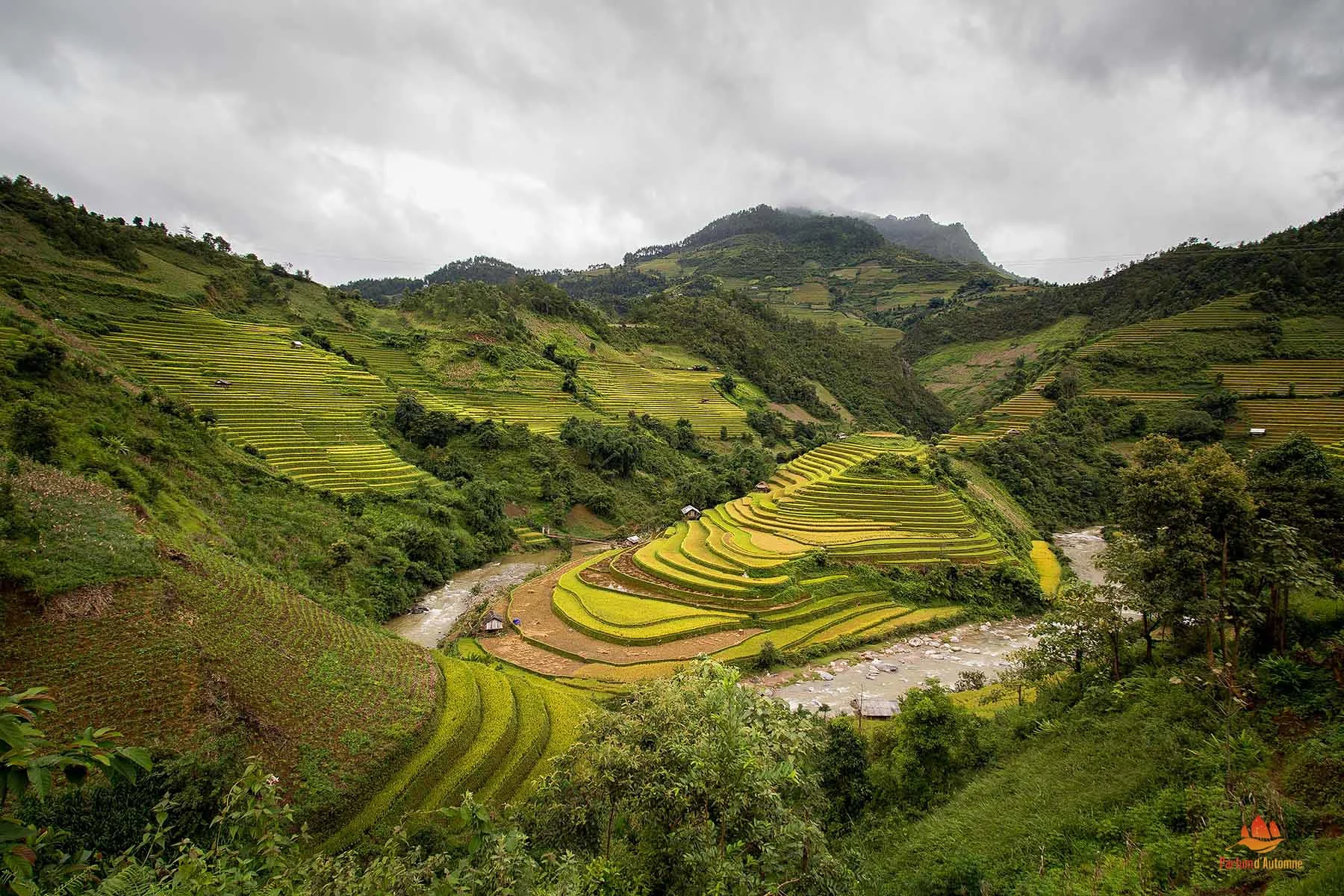
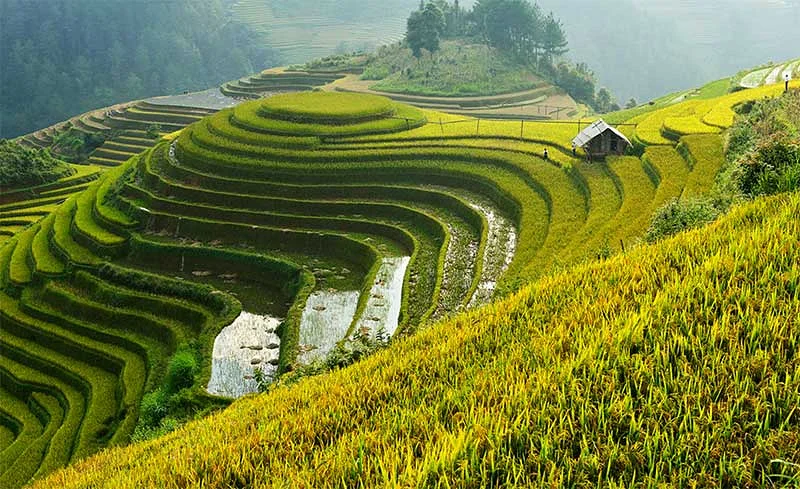
A beautiful region of northern Vietnam, with mountains, tropical forests, terraced rice paddies, and villagers who are welcoming without being pushy or touristy.