
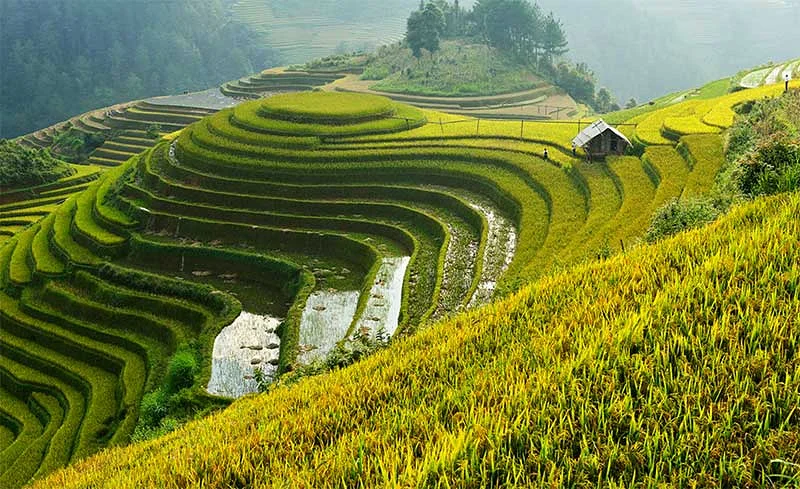
If you talk about Vietnam's most stunning landscapes, you'll inevitably mention the gorgeous terraced rice fields nestled in the Vietnamese mountains. With hundreds of years of rice-growing experience under their belts, Vietnamese farmers, especially those living in the northern mountain regions, have learned to adapt to all kinds of terrain. Terracing makes it possible to increase cultivable surface area on sloping land, makes planting and harvesting easier, and above all, maintains a constant level of irrigation essential for rice to thrive.
As a result, Vietnam's terraced rice fields were shaped long ago and define the landscape of certain regions. They are known as a unique cultural feature and a famous tourist attraction that anyone visiting Vietnam shouldn't miss. To experience them at their absolute best, you need to ask yourself two questions: what are the best places to visit them, and when is the best time to go?
Where to see the most breathtaking terraced rice fields?
Rice cultivation is everywhere in Vietnam. Here are the top 3 spots we recommend checking out: Hoang Su Phi, Mu Cang Chai, and Sapa.
Hoang Su Phi

Hoang Su Phi's terraced fields are often considered the most beautiful in Vietnam, glowing with brilliant gold amidst majestic mountains. They stretch across 6 communes in Ha Giang province: Ban Luoc, San Sa, Ban Phung, Ho Thau, Nam Ty, and Xin Man. The most spectacular ones are found in Ban Luoc and Ban Phung. From the center of Ban Phung, you can take in panoramic views of terraced fields cascading like colorful staircases from the mountain peaks all the way down to the small streams flowing at the bottom of the valley.
This masterpiece, which has combined nature and human ingenuity for centuries, was crafted by the skilled hands of local ethnic minorities: the Nung, La Chi, and Dao.
Mu Cang Chai

Mu Cang Chai is a highland district in Yen Bai province located 280 km from the capital city of Hanoi. The destination is famous for its 500 hectares of magnificent terraced fields located in the communes of La Pan Tan, Che Cu Nha, and De Xu Phinh. This terraced landscape is recognized as an integral part of the national heritage and stands out as one of Vietnam's most unique tourist attractions.
These moderately sloping hills were shaped by the Hmong ethnic minority to make the most of rainwater and springwater for rice farming.
Sapa

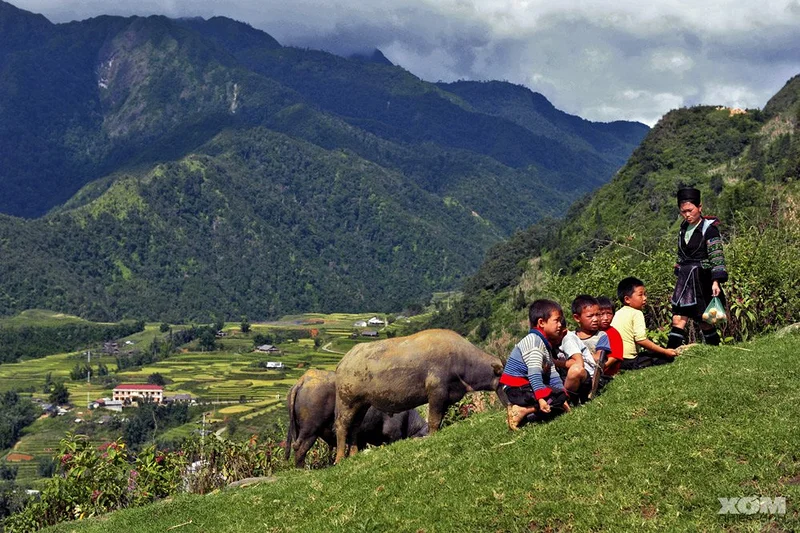
Sapa isn't just famous for being Vietnam's highest mountain town or its picturesque misty atmosphere; it's also renowned for the stunning terraced fields named Ta Van - Hau Thao - Lao Chai in the Muong Hoa Valley. Lao Chai boasts the largest surface area among Sapa's plantations, covering 1,000 hectares. Furthermore, this field stands out as having the highest number of tiers: a staggering 121 steps!
The owners of these farms belong to the Hmong, Ha Nhi, and other ethnic minorities who have made their living this way for hundreds of years. Travelers visiting Sapa often go on treks to soak in the beauty of the terraced fields and discover the unique culture of the locals.
When is the best time to visit the terraced rice fields?
Unlike the delta region in the south of the country, where the climate, terrain, and water supply allow for multiple harvests a year, in the mountainous areas there is only a single rice harvest each year. Consequently, visitors only have two main windows of opportunity to catch the best views of Vietnam's terraced fields:
- In May, when the rainy season begins. The young rice shoots are just starting to peek through the water.
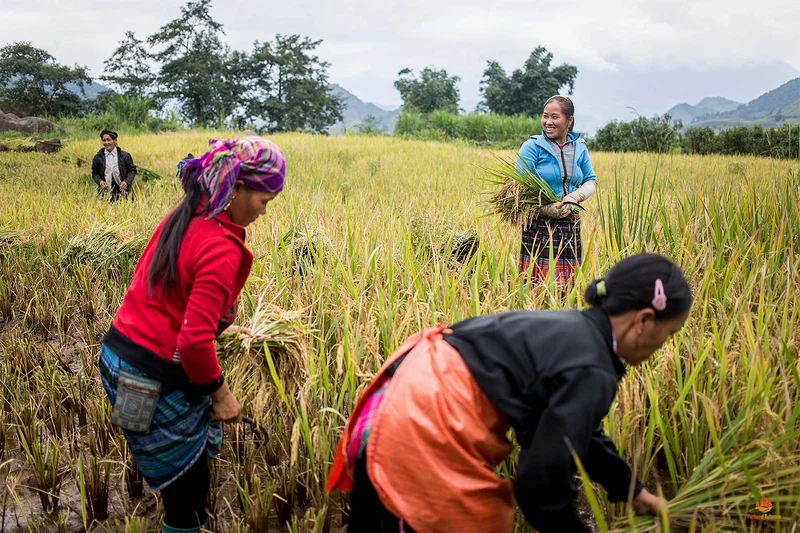
- From late September to early October, during the harvest season, which is often a festive time in the villages.
Each season offers a totally different kind of beauty. During the rainy season, the terraced fields look like a massive mirror reflecting the blue sky and drifting clouds. At harvest time, they transform into a colorful, magical painting set against majestic mountains.
Now you can start planning your trip, choosing the spot and the time of year that works best for you to experience these gorgeous terraced rice fields in Vietnam.
Source: https://vietnamdecouverte.com/10-des-meilleurs-endroits-pour-riziere-vietnam
Comments (0)
No comments yet. Be the first!