
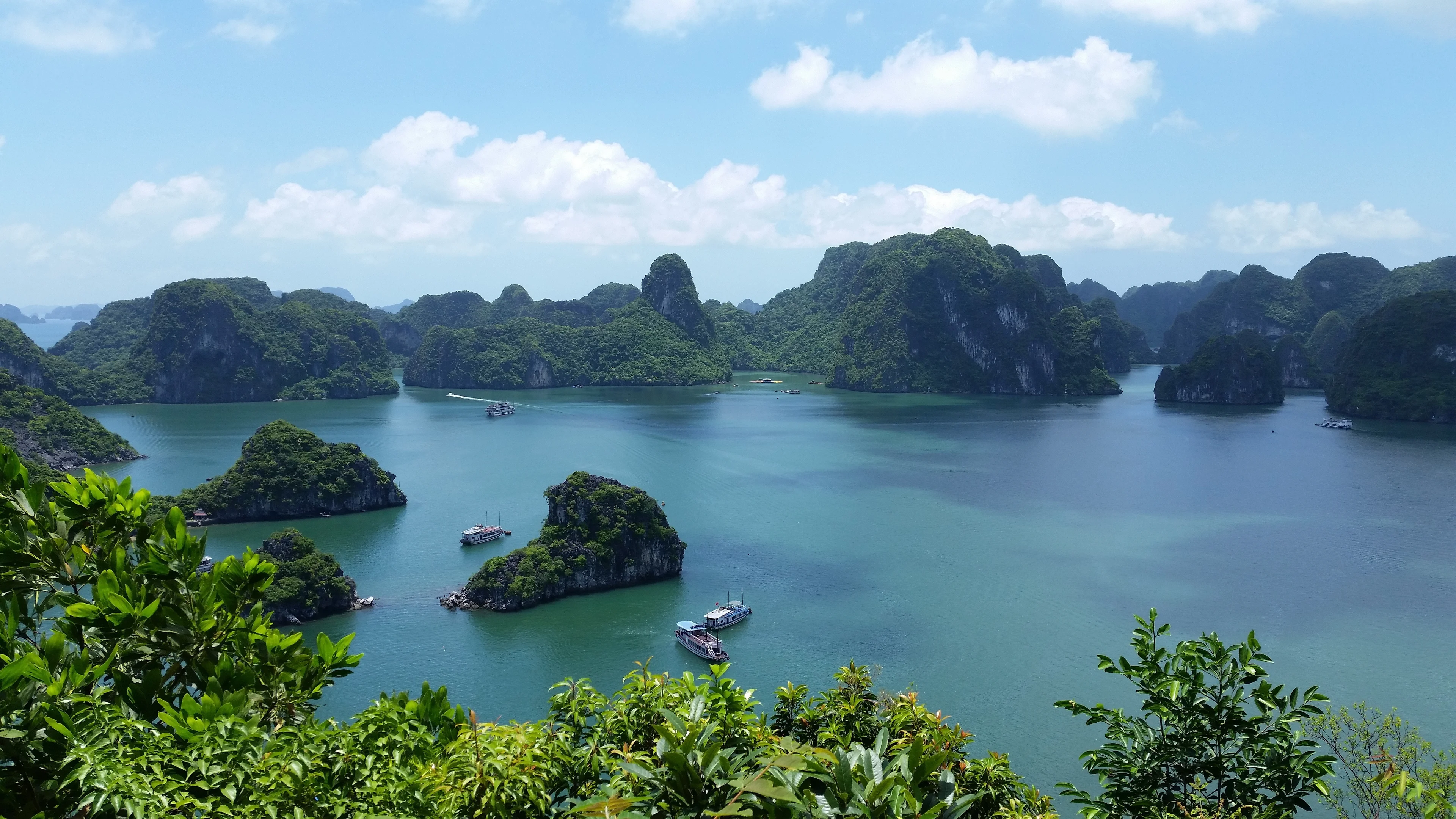
Halong, Where the Sea Becomes Mountain
It is 6:00 AM. Fog frays between limestone peaks rising straight out of emerald water. From the deck of a wooden junk boat, the view feels almost surreal: nearly 2,000 islands and islets standing like giant sculptures, carved by 500 million years of erosion.
Ha Long Bay translates from Vietnamese as "where the dragon descends into the sea." Legend has it that a family of dragons spat out jewels to defend Vietnam against invaders, with each gem turning into an island. A great story, but the geological reality is just as fascinating.
A Destination That Divides Travelers
Halong leaves no one indifferent, for better or worse. If you dream of monumental landscapes and peaceful cruises amid dramatic karst formations, you are in the right place. The site has been a UNESCO World Heritage site since 1994 and ranks among the new seven wonders of nature.
On the other hand, if you expect untouched nature far from the crowds, temper your expectations. With over 600 cruise boats plying the bay daily, marine traffic jams are real. In peak season, the main caves sometimes resemble rush-hour subway stations. And floating trash serves as a reminder that mass tourism carries an environmental cost.
Friendly tip: to dodge the tourist hordes, prioritize cruises toward Bai Tu Long Bay to the east or Lan Ha Bay to the south. These less-frequented extensions offer similar landscapes with a fraction of the crowds.
A Budget to Anticipate
Halong is not the most budget-friendly destination in Vietnam. Expect between $100 and $150 USD per person for a basic 2-day/1-night cruise, scaling up to $350-$600 USD for a 5-star experience. On the mainland, mid-range hotels run between $40 and $80 USD a night, while meals at local restaurants hover around $5-$15 USD per dish.
Exploring the Bay: Cruising or Bust
There is no real debate: the only proper way to experience Halong is from the water. Day trips from Hanoi exist, but they involve over 6 hours of round-trip transit for just a few hours on the water. It is frustrating and hard to recommend.
The ideal setup remains a 2-day/1-night cruise. You board around noon, sail through the afternoon with stops for kayaking and cave exploration, dine on board while watching the sunset, sleep on the water, then catch the sunrise before heading back. More adventurous travelers opt for 3 days and 2 nights, allowing you to push further out toward quieter zones.
Boats range from rustic to floating palace. Economy cruises like Amanda Cruise or Phoenix Cruise offer compact but decent cabins. For added comfort, Orchid Cruise or Paradise Elegance feature private balconies, sundeck jacuzzis, and polished service.
Caves and Their Promises
The bay hides dozens of caverns carved out by water. Sung Sot, or Surprise Cave, draws the most visitors with its immense chambers and illuminated stalactites. Impressive, certainly, but packed at certain hours. Dau Go, the Cave of Wonders, offers a more serene visit.
For a less conventional stop, Thien Cung showcases limestone formations with suggestive shapes that local guides love to point out with a sense of humor. Luon Cave requires kayaking or boarding a bamboo sampan, gliding beneath sheer rock walls into a secret lagoon.
Friendly tip: pack shoes with non-slip soles. Cave steps get slick with humidity, and flip-flops are your sworn enemies here.
Beyond the Cruise: What to Do on Land
Halong City itself does not warrant a lengthy stay. It functions primarily as a logistical hub packed with hotels and restaurants. The Bai Chay neighborhood concentrates most of the tourist action: a seaside boardwalk, night markets, and the Sun Wheel ferris wheel offering panoramic views of the bay.
Cat Ba Island demands much more attention. This mountainous island shelters a lush national park where you can hike to dramatic viewpoints. Cat Ba town, with its bustling alleys and stilt-supported seafood restaurants, feels far more authentic than Halong City. It also serves as the ideal base for exploring Lan Ha Bay by kayak or boat.
Swimmers can head to Ti Top Island, accessible via cruise, where a small white-sand beach awaits those willing to conquer the 427 steps to the summit for a 360-degree view.
Where to Eat and Drink in Halong
The local star is Cha Muc, fried squid paste. Ranked among the top 50 Vietnamese specialties, it arrives crispy on the outside and tender within, served with sticky rice or wrapped in rice paper. The secret lies in the absolute freshness of the squid, which must come straight from the bay's waters.
Seafood reigns supreme: grilled oysters with cheese, roasted mantis shrimp, garlic-sauteed Ngan clams. Adventurous eaters can try Sam (horseshoe crab prepared in a salad or grilled) or Sa Sung (dried peanut worm used to add depth to broths).
In Bai Chay, Linh Dan serves excellent family-style cooking at gentle prices. Avocado Restaurant blends Vietnamese and European influences in a polished setting. For a regal dinner with a bay view, Co Ngu spans three floors of palatial dining rooms with an encyclopedic seafood menu.
Getting There and Getting Around Halong
From Hanoi, plan for 2 to 2.5 hours by highway via private car or shuttle. Limousines and minibuses depart regularly from the Old Quarter for roughly $10-$15 USD one way. Cruises usually include hotel transfers from Hanoi.
Three airports serve the region: Noi Bai in Hanoi, Cat Bi in Haiphong, and Van Don near the bay. The latter now handles international flights and sits just a 1-hour drive from Halong City.
If you are flying in from North America, expect a connection through a major hub like Doha, Seoul, or Taipei before landing in Hanoi, followed by the overland transfer. Total travel time easily exceeds 24 hours door-to-door. Once you arrive, taxis and ride-hailing apps make getting around simple. Scooter rentals are also available on Cat Ba for $4-$8 USD a day.
When to go
The months of March-April and September-October strike the best balance between pleasant weather and reasonable crowds. Skies are typically clear, with comfortable temperatures hovering around 25°C.
Skip July and August: stifling heat, typhoon risks, and peak domestic vacation crowds. Winter can deliver gorgeous sunny days between foggy spells, bringing the perks of discounted rates and a much quieter bay.
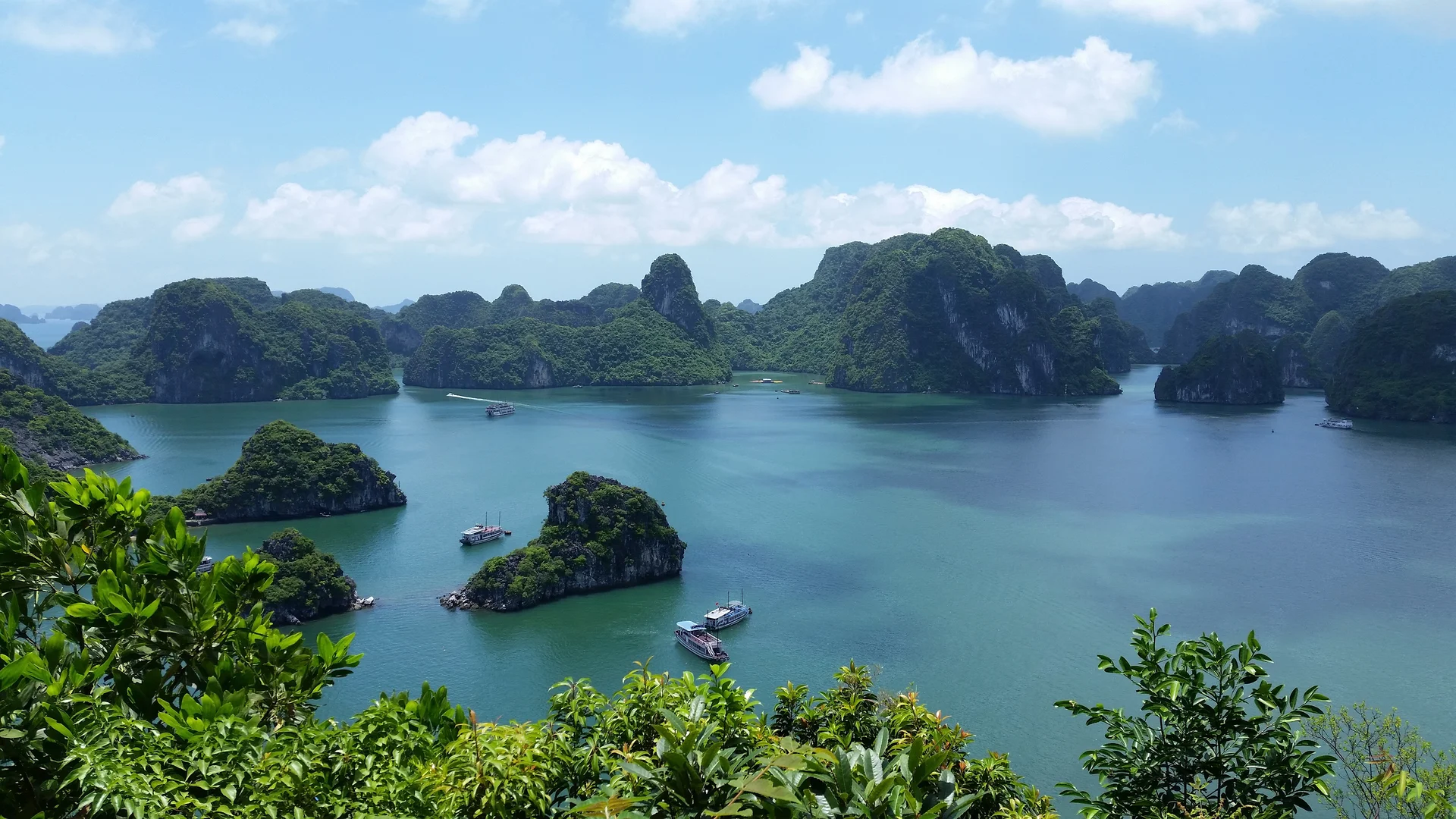
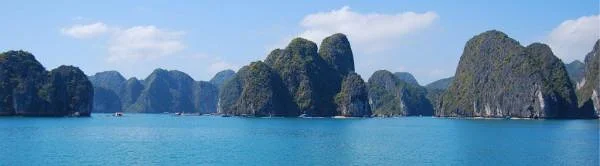

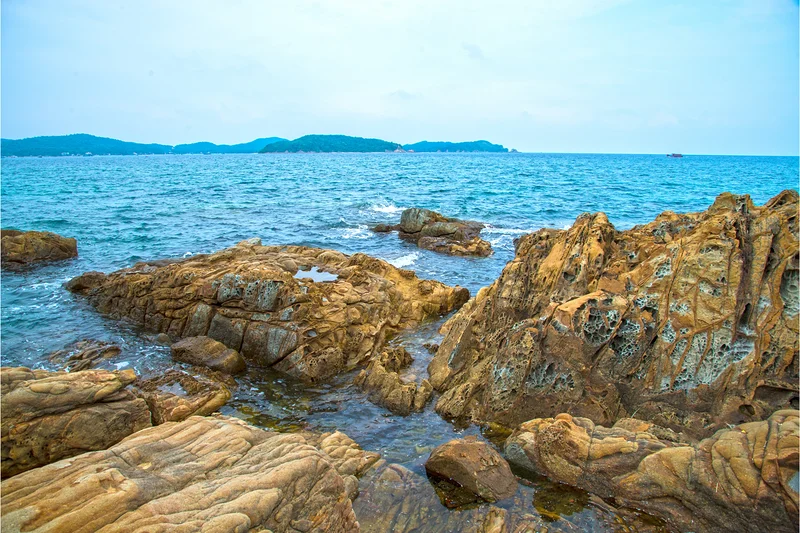
Halong Bay is rightly considered a must-see in Vietnam. Its landscapes, turquoise waters, and islands offer a breathtaking natural spectacle. However, the overcrowding, especially due to the impressive number of boats, ruins the magic of the place in my opinion.
Despite that, I really liked my kayak trip, which lets you escape the hustle and bustle for a moment and enjoy the beauty of the place.
If you get the chance, I highly recommend taking a trip to the Ninh Binh area, often called the inland Halong Bay. It is a boat ride through rice paddies and limestone peaks that is much quieter and just as enchanting.