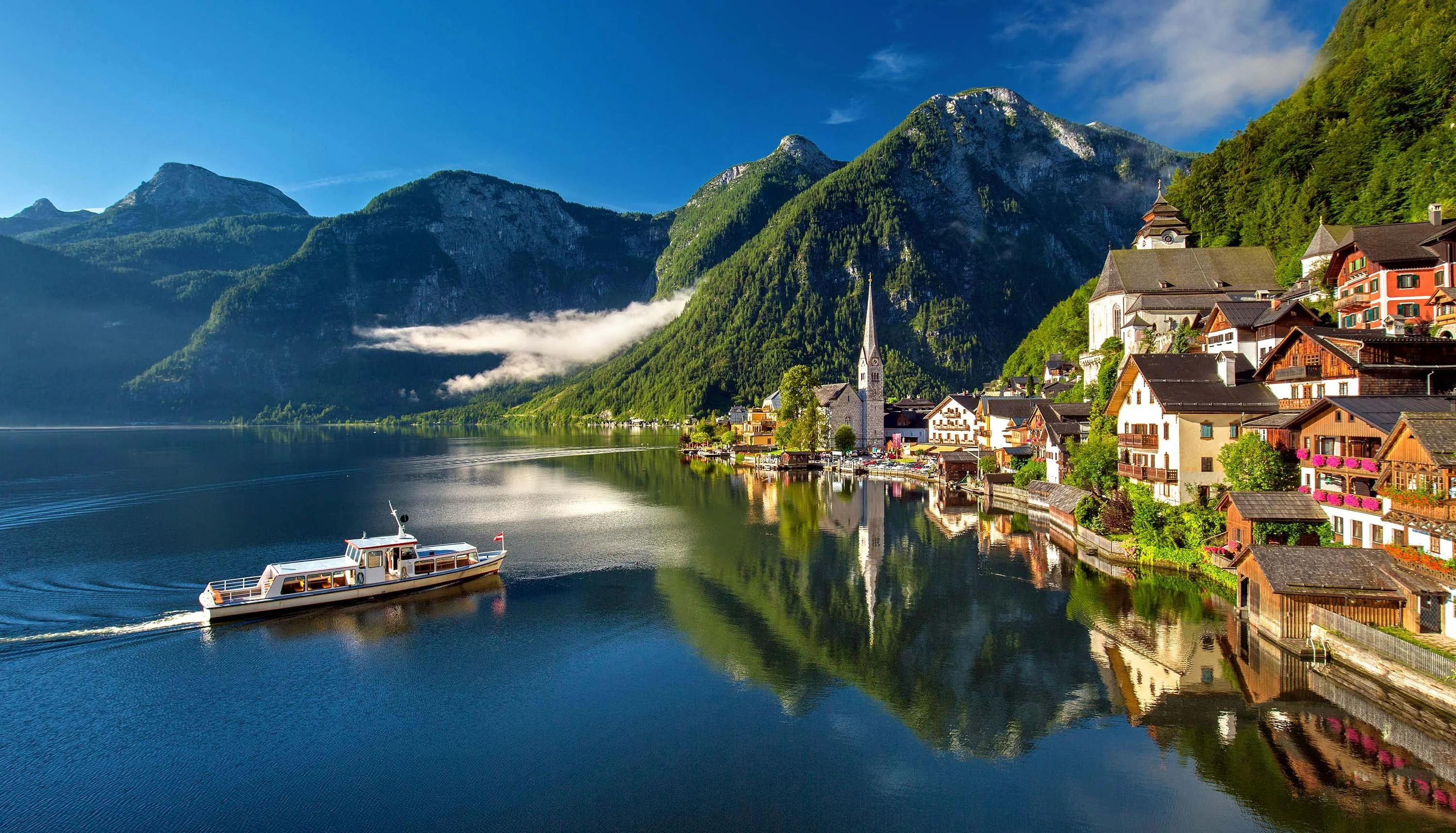
Palaces and Peaks in Austria
Here is a detail that surprises most visitors: Vienna maintains hundreds of acres of vineyards inside its city limits, a rare feature for any European capital.
That juxtaposition defines Austria well. It projects a formal imperial grandeur while hiding unexpected local pleasures for travelers who look past the gilded facades.
A Destination Built for Culture, Mountains, and Slow Travel
Austria does not try to appeal to every crowd. It embraces a distinct elegance, a measured pace, and a serious commitment to good living. Travelers looking for all-night clubs, sandy beaches, or Eastern European price tags will likely be disappointed.
Ideal destination for:
- Classical music and opera enthusiasts
- Alpine skiers and high-altitude hikers
- Travelers drawn to baroque heritage and architecture
- Families looking for a safe, well-organized, and accessible country
- City-trippers wanting to mix museums, cafe culture, and local food
- Solo travelers, including women: Austria ranks among the safest countries in Europe
- Nature lovers interested in alpine lakes and forested valleys
Not recommended for:
- Travelers on tight budgets: lodging in Vienna and Salzburg is expensive
- Anyone looking for an intense, late-night party scene
- Beachgoers and resort vacationers
- Travelers trying to escape tourist crowds during peak season
Pricing comparable to Western Europe, with a few lodging traps
The cost of living in Austria runs slightly higher than in France. Accommodation is the main expense to watch: in Vienna and Salzburg, a decent hotel room runs around $113 to $169* a night for two. Restaurant meals, by contrast, offer fair value and often cost less than dining out in major French cities.
| Type | Location | Duration | Budget (excl. flights) |
|---|---|---|---|
| Cultural city trip | Vienna | 3-4 days | $450 to $1,010* / person |
| Alpine skiing | Tyrol (Innsbruck, Kitzbühel) | 1 week | $1,010 to $2,250* / person |
| Alpine road trip | Salzburg, Hallstatt, Tyrol | 10 days | $790 to $1,690* / person |
| Lakes and hiking | Salzkammergut, Lake Attersee | 1 week | $680 to $1,350* / person |
| Music and festivals | Salzburg (summer festival) | 4-5 days | $680 to $2,020* / person |
A smoothly run country for visitors
Austria is a place where systems work. ÖBB trains run on schedule, English is widely spoken in cities, and tourist infrastructure is top-tier. Major sights like Schönbrunn Palace or the Belvedere operate on timed online ticketing, meaning you should never show up without a reservation in high season unless you want to lose an hour in line.
In rural areas and small alpine villages, locals may only speak the regional dialect, so knowing a few basic German words goes a long way. Tap water is exceptional, fed directly from alpine aquifers, so buying bottled water is unnecessary.
Vienna, Unlike Anywhere Else

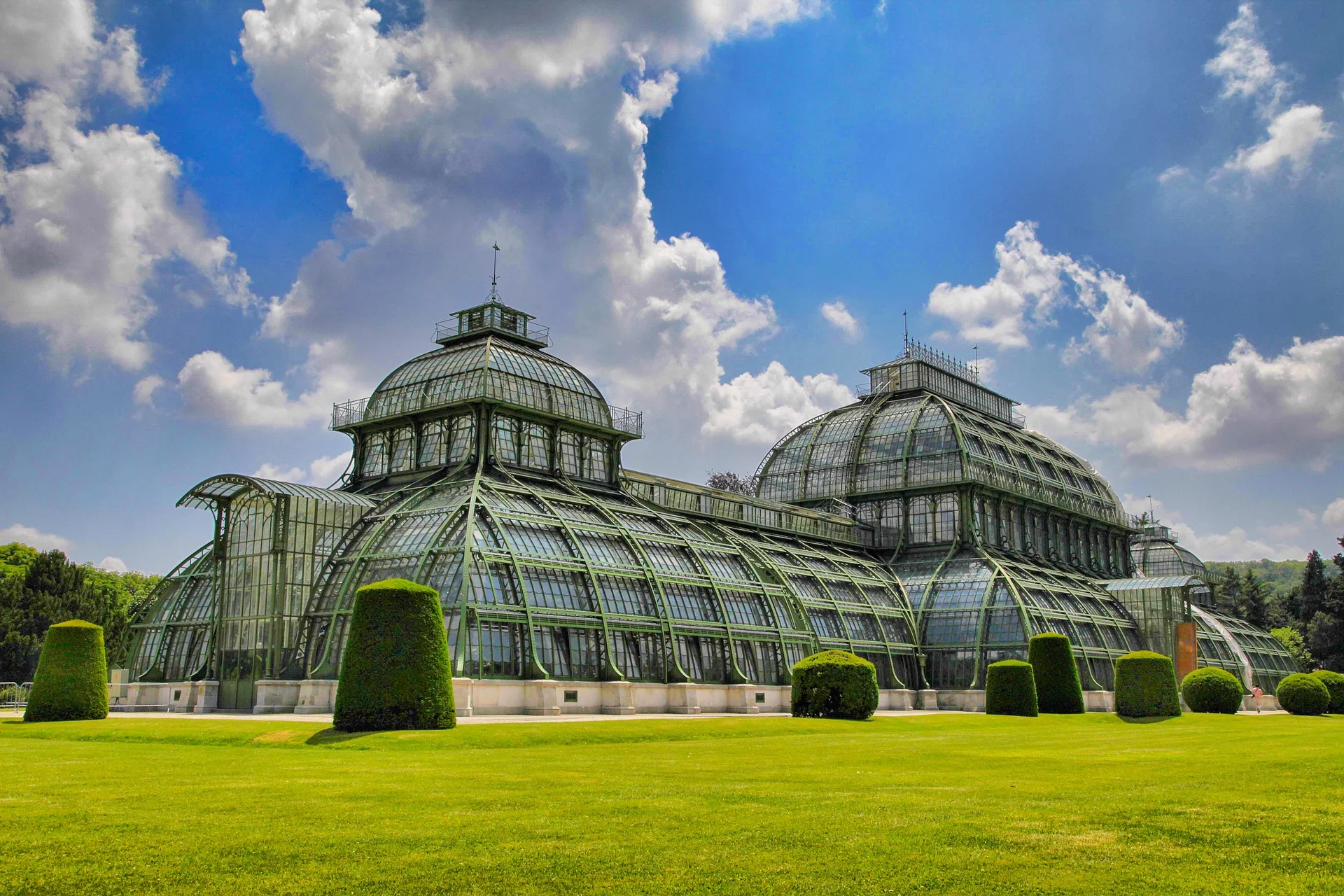
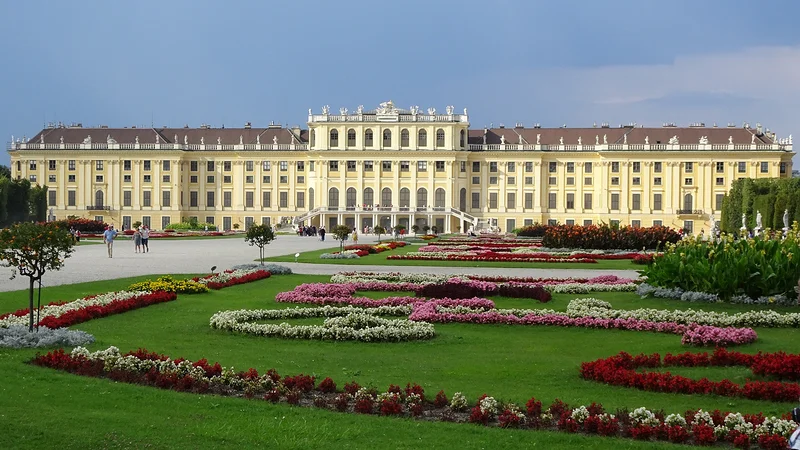
Vienna carries a distinct atmosphere, still holding the imprint of the Habsburg Empire as if it collapsed only yesterday. Schönbrunn Palace and its 1,441 rooms along with the Hofburg imperial palace are essential stops, though they draw heavy crowds. Book your entry slots well ahead of time.
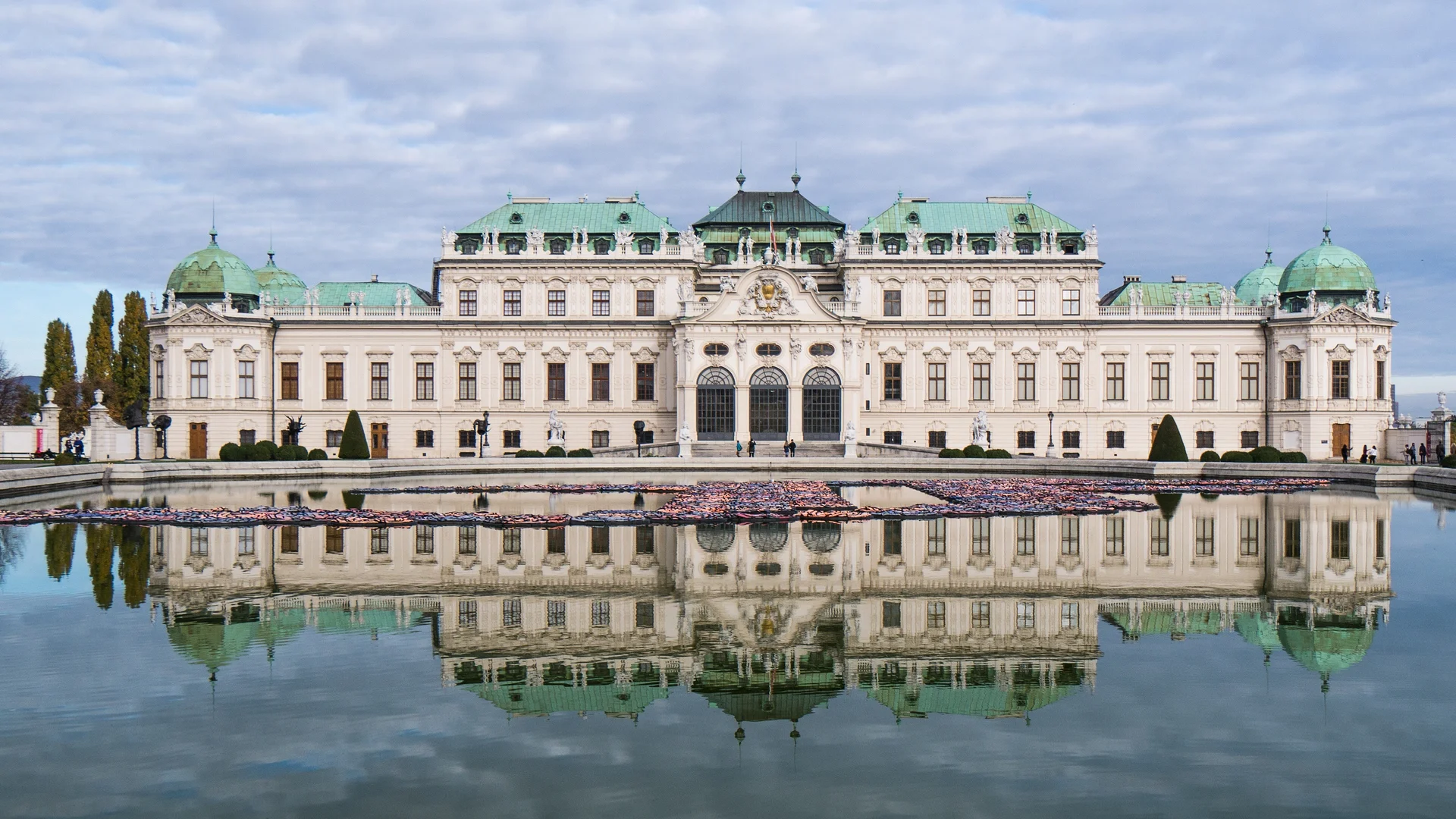
The city has a more casual, everyday side found in the Heurigen, neighborhood wine taverns where locals drink regional pours right next to the vines. It is also visible at the Naschmarkt, the open-air food market in the Mariahilf district, where you can grab a solid bite for under $12*. For early 20th-century art, the Belvedere houses Gustav Klimt's famous painting "The Kiss," and the Leopold Museum dedicates expansive galleries to Egon Schiele.
Over in the Prater, the giant Ferris wheel built in 1897 delivers panoramic views over the skyline. In the Landstraße district, the Hundertwasser House offers colorful, organic, and slightly surreal architecture that contrasts sharply with the classic facades of the center.
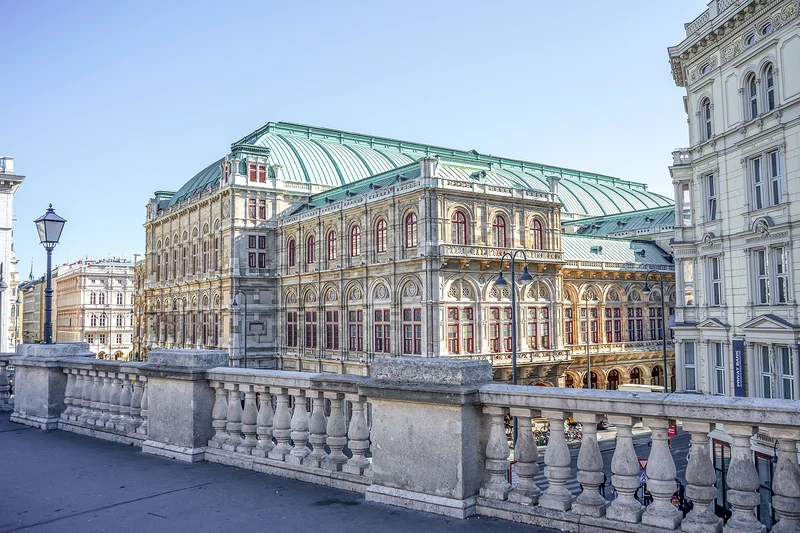
Friendly tip: Skip the classical concerts pitched by street ticket sellers in period costumes outside the Vienna State Opera, as these packaged tourist shows often disappoint. Book directly through established institutions like the Musikverein or the Staatsoper to experience authentic Viennese musical culture.
Salzburg, Linz, and the Wachau Valley

Salzburg, the birthplace of Mozart, deserves more than a single day. Its ornate facades, cupolas, and the Hohensalzburg Fortress reachable by funicular form a remarkable historic core. Every summer, the Salzburg Festival draws classical music fans from around the world, and the best seats sell out months ahead with prices reaching several hundred euros.
In Linz, an industrial city reinvented, rooftop church walkways and the Ars Electronica Center paint a surprisingly contemporary portrait of the country.
The Wachau Valley, stretching between Melk and Krems, is best experienced by bicycle along the Danube bike path. You will pass ruined castles, terraced vineyards, and medieval villages. Stopping at the Melk Abbey, perched on a rock above the river, remains one of the finest highlights of the region.
Tyrol: Alpine Landscapes and Living Folklore

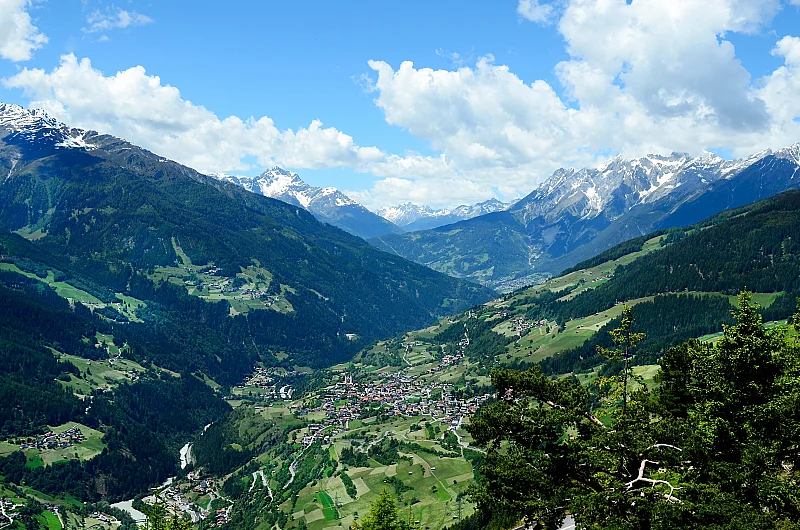
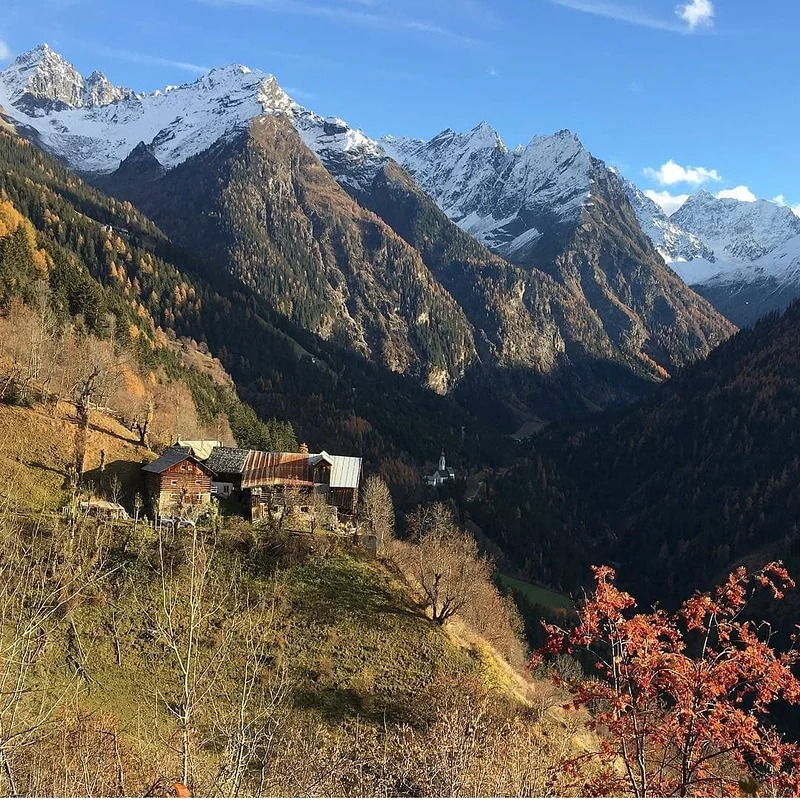
Tyrol stands out as Austria's quintessential mountain destination. Its five glaciers, 24,000 km of marked trails, and massive ski areas make it a premier outdoor playground. For skiing, the dependable window runs from December to April. In summer, flower-strewn pastures and alpine lakes take over.
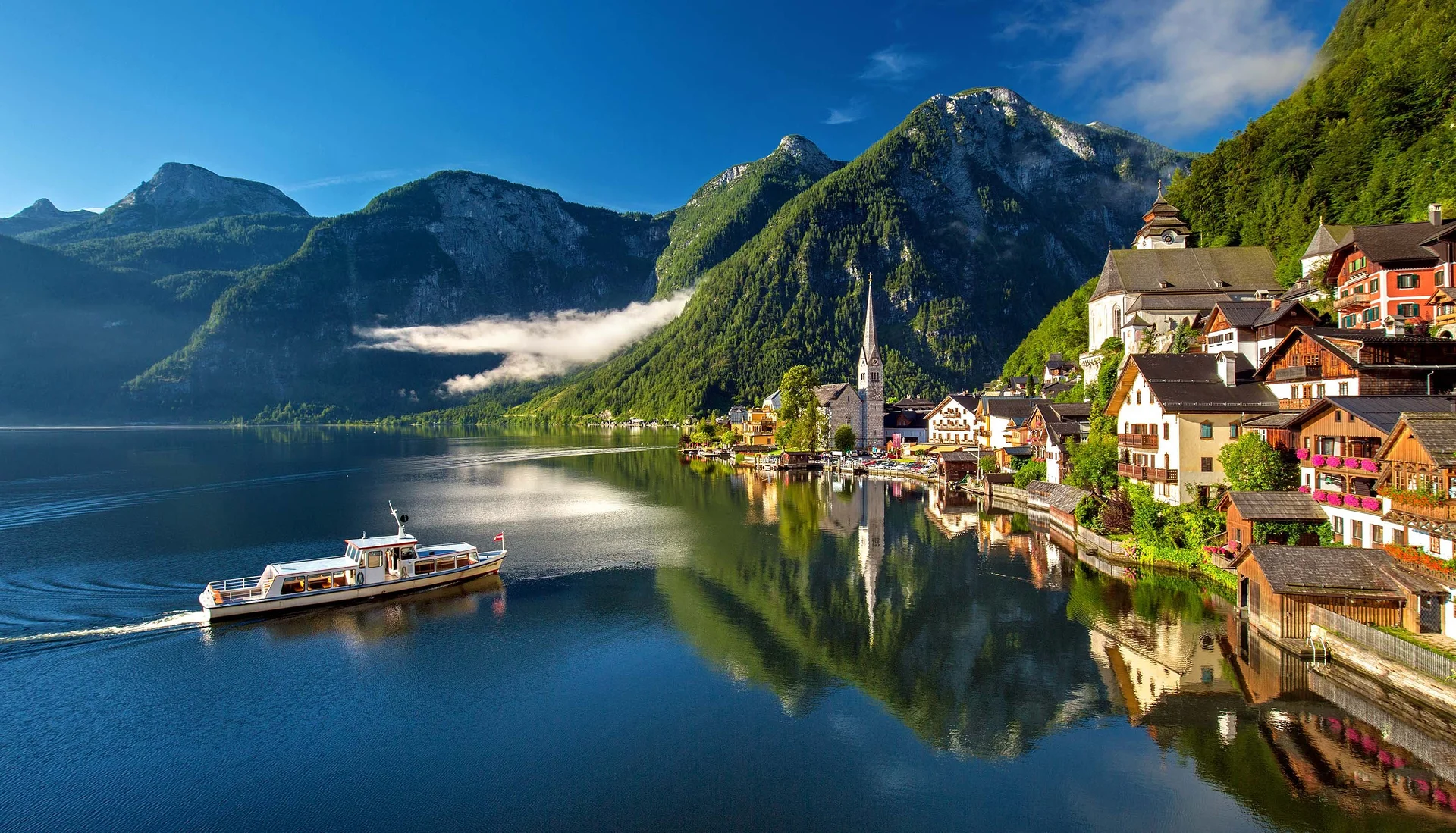
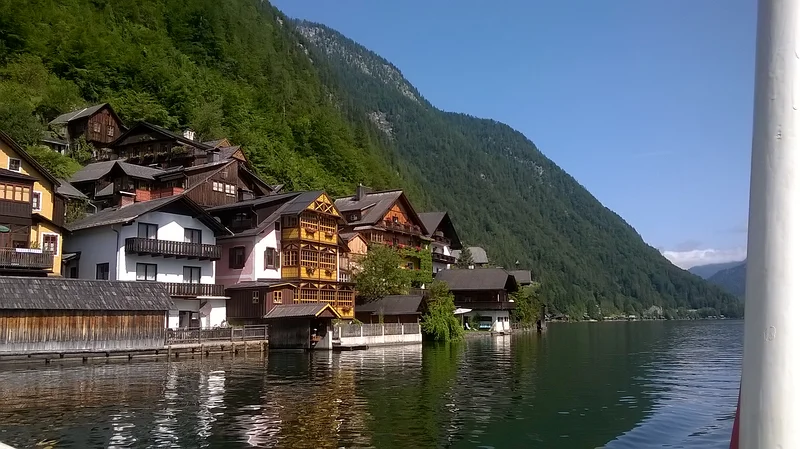
The village of Hallstatt, clinging to a mountain slope above its lake, represents the ultimate postcard view. A UNESCO World Heritage site, it hosts some of the oldest salt mines in the world. The site suffers from its own popularity, with thousands of visitors packing the streets daily in the summer. Go early in the morning or visit off-season.
The Grossglockner High Alpine Road, climbing up to the Hochtor pass at 2,500 metres in altitude, is one of the most scenic drives in the Alps. Near Graz, the Green Lake only exists in the spring when snow melts: regular walking trails submerge underwater, making it accessible only by scuba diving in May. It is a rare seasonal phenomenon well worth seeing.
Friendly tip: Some Tyrolean ski resorts offer rotating daily discounts, such as twenty percent off for women on Mondays, students on Wednesdays, and seniors on Thursdays. Check resort promotions before paying full price for a lift ticket.
Graz, the Overlooked City
Graz, the country's second-largest city, receives far fewer foreign visitors than Vienna or Salzburg, which is precisely why it appeals to travelers. Its old town is a UNESCO World Heritage site, narrow alleys lead to cafes where locals read the newspaper, and the Schlossberg fortress hill offers open views from a summit reached on foot or by funicular.
The city also embraces modernity with its artificial island on the Mur River, designed by architect Vito Acconci, alongside contemporary art galleries. For anyone wanting an Austrian trip without mass tourism, this serves as an ideal stop.
At Avygeo, we view Graz as the most underrated destination in Austria. It delivers an authentic urban experience without the side effects of over-tourism.
Austrian Dining: From Taverns to Imperial Pastries
Austrian cooking is straightforward, hearty, and often better than expected. The Wiener Schnitzel, a breaded veal cutlet, is available everywhere and typically costs $17 to $29* at a sit-down restaurant, or $9 to $14* at a neighborhood bistro. The Sachertorte, a chocolate cake with apricot jam filling, is a Viennese institution best tried at historical spots like Café Central or Café Schwarzenberg.
Tafelspitz, boiled beef served with vegetables and sauces, is a traditional Sunday meal for Viennese families. Kaiserschmarrn, a shredded thick pancake served with fruit compote, has served as fuel for alpine hikers since the 19th century. At markets like Vienna's Naschmarkt, international street food runs around $9 to $12*.
To drink, Austria produces exceptional white wines, particularly Grüner Veltliner and Riesling from the Wachau. Vienna's Heurigen wine taverns, garden eateries that open only when the new harvest is ready, provide a relaxed setting to try local wines surrounded by residents.
When to Visit Austria
Austria is a year-round destination, as each season brings its own rhythm. Summer (June to August) works best for hiking in the Alps, swimming in the Salzkammergut lakes, and attending open-air festivals. Afternoon mountain thunderstorms happen frequently, so start outdoor activities early in the morning.
Autumn (September to October) is the most pleasant time for cities due to smaller crowds, mild temperatures, and the arrival of young wine, known as Sturm, in Viennese wine taverns. Winter turns the mountains into a ski haven from December to April, and Austrian Christmas markets rank among Europe's finest, often feeling less congested than their German equivalents.
Spring also rewards visitors with greening pastures, warming lakes, and lower lodging rates. It remains the ideal window to see the Green Lake near Graz before it recedes.
How to Get to Austria
From major hubs, flights to Vienna or Innsbruck connect easily. Several carriers serve these destinations across European networks, including Austrian Airlines, Lufthansa, easyJet, and Transavia depending on the season. Economy round-trip airfares fluctuate according to the time of year.
Train travel offers a comfortable alternative, with connections running through major European rail hubs like Zurich. Overnight train options save daylight hours for exploring. An Interrail pass can be cost-effective if you plan to visit multiple countries.
US citizens traveling to Austria for tourism do not need a visa for stays up to 90 days within the Schengen Area, though your US passport must be valid for at least three months beyond your planned departure date. Keep an eye on upcoming ETIAS requirements for European travel.
Getting Around Austria
The ÖBB rail network is dense and reliable, connecting Vienna, Salzburg, Linz, Graz, and Innsbruck efficiently. For lower ticket prices, look for Sparschiene fares booked online well in advance. The Vorteilscard costing $74* provides a 50% discount on all ÖBB journeys for a year, making it worthwhile if you plan multiple train trips.
To explore Tyrol in depth, winding mountain roads make car rental practically essential. The Grossglockner road charges a toll of around $40* per vehicle, but the landscape justifies the cost. In cities, public transit is excellent, and passes like the Vienna City Card grant unlimited access to subways, buses, and trams.
For the Wachau Valley or the Salzkammergut lakes, cycling is a strong option since marked bike paths run alongside the Danube for miles, and rental companies can even deliver bikes directly to your hotel.