Visiting Tyrol
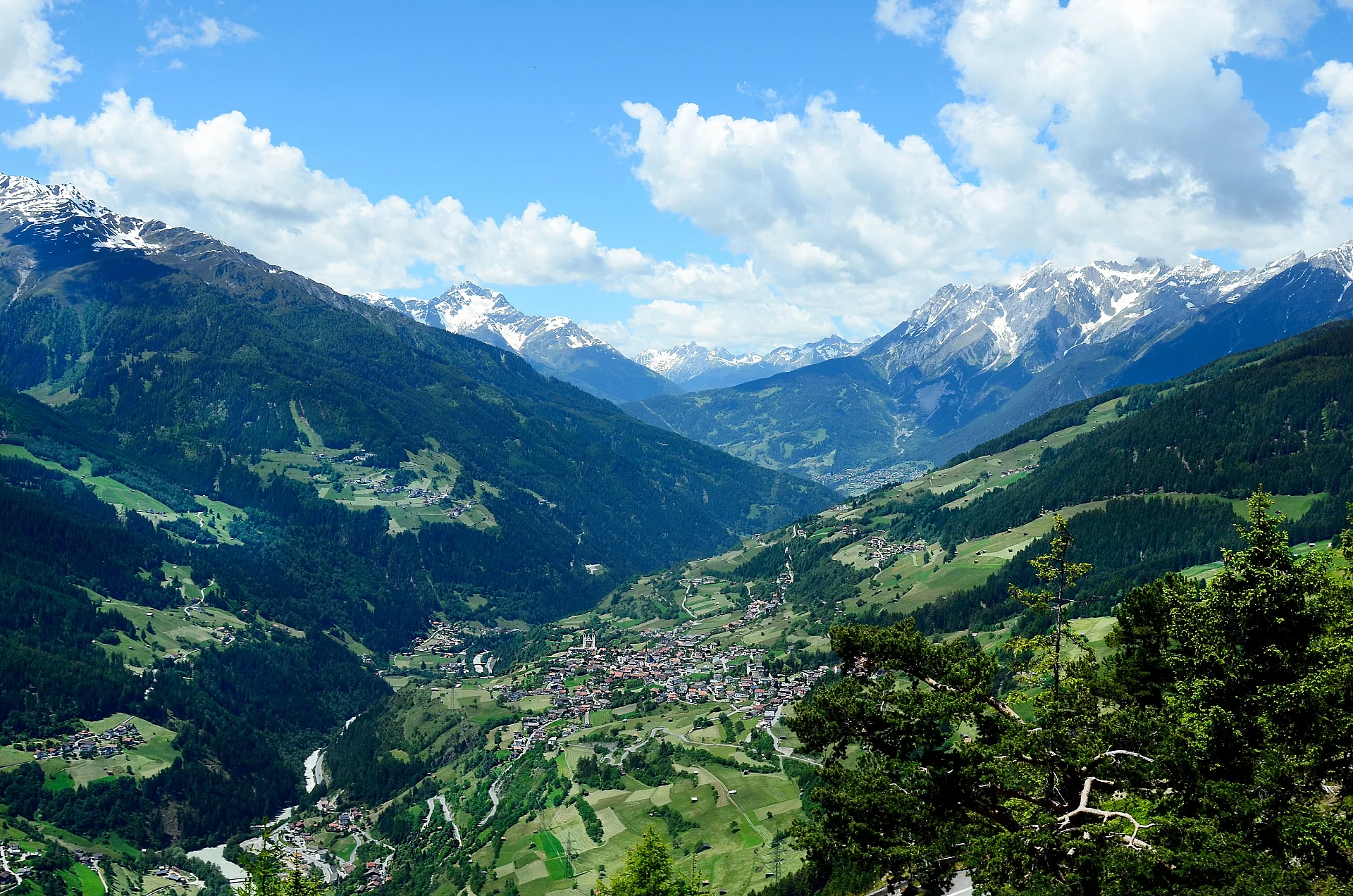
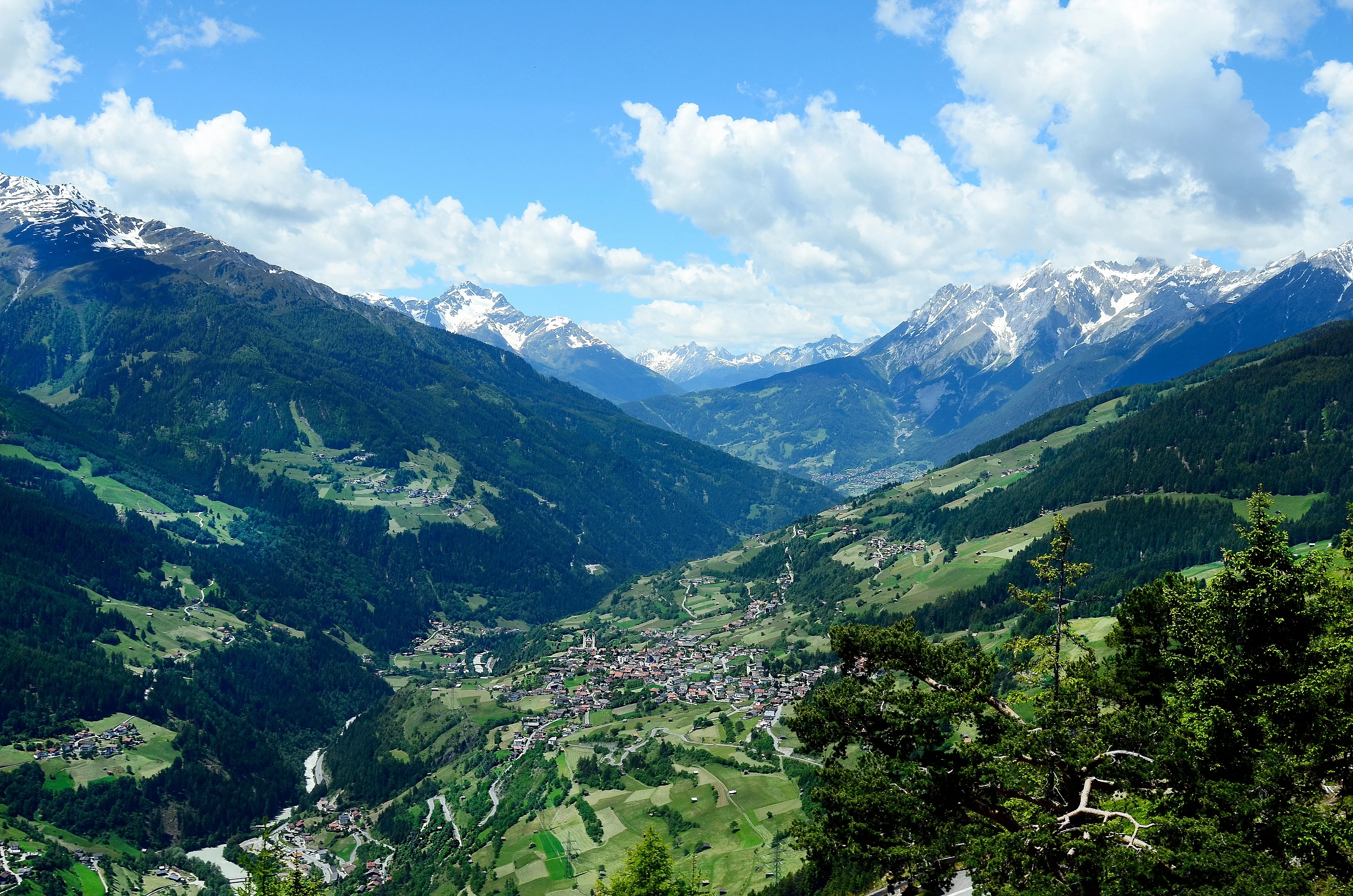
Tyrol is a land of valleys. The Inn runs through it from west to east, and all the others drain into it: the Zillertal, the Ötztal, the Stubai, the Paznaun. At the head of each, a glacier or a pass; at its mouth, a market town with an onion-domed church and balconies heavy with geraniums.
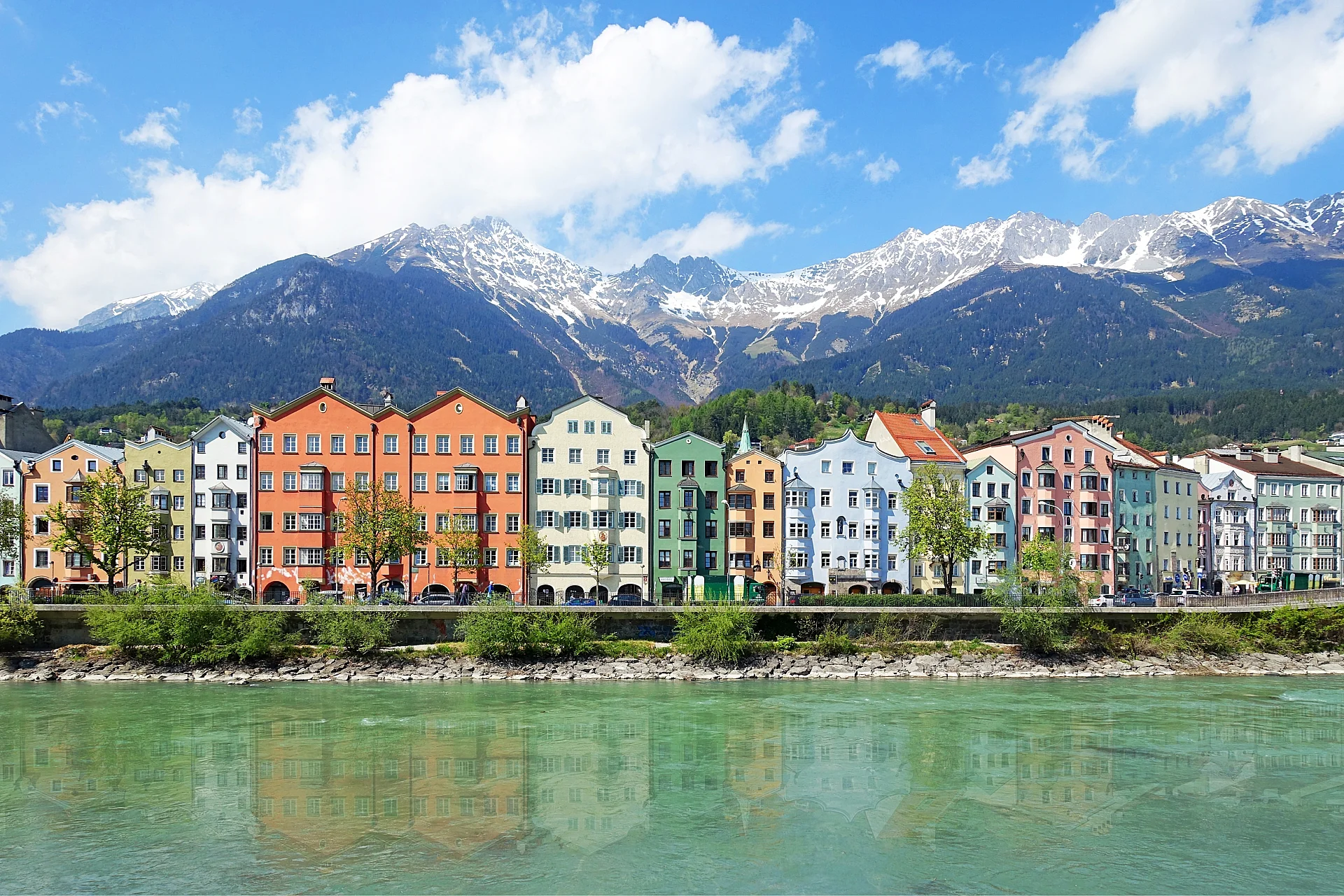
In the middle, Innsbruck ties city and mountain together: you have a coffee beneath the Golden Roof, and an hour later you're walking above 2,000 metres. In winter the region lives from skiing; in summer, from hiking from one alpine pasture to the next.
You'll love it if
- You want to ski or hike without giving up a real city
- Flower-decked villages and high mountain huts appeal to you
- You'd rather travel by train or car than fly
Look elsewhere if
- You're after the sea or guaranteed heat
- Crowded ski resorts in February put you off
- You're going between seasons, when many hotels close
The must-sees
-
1 The Nordkette from central Innsbruck Twenty minutes
The funicular leaves from the city centre, from glass stations designed by Zaha Hadid, then two cable cars take over up to the Hafelekar station at 2,256 metres. On the way, one stop serves the Alpenzoo. Up top, the city is just a street plan at the bottom of the valley. Go up on a clear day, and bring a jacket: it's ten degrees colder than down below.
-
2 Kufstein's Heroes' Organ Every day at noon
In a tower of the fortress, an organ installed in 1931 in memory of the dead of the First World War plays every day at noon, for about ten minutes. You can hear it all over the old town. Go up to the fortress beforehand, by funicular or on foot, to listen from the ramparts above the Inn.
-
3 The cattle drive down from the pastures Late September
When summer ends, the herds come down from the high pastures, the cows decked out with flower crowns and big bells. The villages turn it into a festival, with music and stalls. In 2026, the Wildschönau celebrated on 19 September, Zell am Ziller and Hintertux on the 26th. The dates change every year and depend on the weather: check them with the valley before you go.
-
4 The Stuibenfall waterfall Ötztal
At Umhausen, in the Ötztal, Tyrol's highest waterfall drops 159 metres. A trail of around 700 steps runs alongside it, with a suspension bridge over the void, and climbers go up it on a via ferrata. Come in June, during the snowmelt, when the flow is at its strongest.
-
5 The Achensee and its steam train The largest lake
Tyrol's largest lake stretches between two mountain ranges, its water a cold green even in August. Since 1889, a steam cog railway has climbed from Jenbach to its shores. From there, a boat takes you round the lake. Allow a full day from Innsbruck, and check the train's season before setting off.
The classic mistake
Booking between seasons without checking. From mid-April to late May, and again from October to early December, many hotels and resort lifts close. If you're aiming for those weeks, choose Innsbruck or a valley town, which stay open all year.
Our itineraries in Tyrol
| Length | Itinerary | What you see |
|---|---|---|
| Long weekend | Innsbruck › Nordkette › Hall in Tirol | City, summit, old town |
| 1 week in summer | Innsbruck › Achensee › Zillertal › Kufstein | Lake, valley, fortress |
| 10 days in summer | Innsbruck › Ötztal › Arlberg › Kitzbühel › Lienz | Glaciers, passes, East Tyrol |
Tyrol is explored valley by valley. Use Innsbruck as your base for the first few days, then head up one or two valleys and sleep there: a day trip there and back means more time on the road than in the mountains. East Tyrol, around Lienz, is cut off from the rest by the mountains: keep it for a separate trip.
When to visit Tyrol
| Rating | Season | What you do there | Crowds and prices |
|---|---|---|---|
| WinterDec. to March | Skiing, Christmas markets, snowshoeing | High | |
| Shoulder seasonmid-April to May | Towns, valleys in bloom, many places closed | Low | |
| SummerJune to Sept. | Hiking, mountain huts, lakes, mountain biking | Medium | |
| AutumnOct. and Nov. | Golden larches, glaciers open, resorts closed | Low |
Our advice
For hiking, aim for late June to mid-September: the lifts and huts are open, and the high trails are clear of snow. For skiing, avoid the February school holidays if you can, when the slopes, the roads and the prices all climb together.
Getting to Tyrol
-
By train from Munich or Zurich The simplest
Most visitors from the UK and North America fly into Munich or Zurich and finish by rail. From Munich, a train sets you down in Innsbruck in an hour and three quarters; from Zurich, a direct train crosses the Arlberg in three and a half hours. A night train also runs from Amsterdam to Innsbruck. Regional trains link the valley stations to Innsbruck.
-
By car To get between valleys
A hire car picked up in Munich or Zurich reaches the Inn valley motorway in a couple of hours. Buy the Austrian vignette before crossing the border; the Arlberg tunnel and the Brenner motorway charge a toll on top. Driving is on the right.
-
By air to Innsbruck in winter The fastest in ski season
In the ski season, Innsbruck airport receives flights from several UK and Irish airports, often charters sold with ski packages. All year round, you can connect there via Amsterdam or Vienna. From North America, fly through a European hub, to Innsbruck or to Munich, two and a half hours away by road or rail.
At weekends, the Innsbruck, Kufstein, Imst and Reutte districts ban leaving the motorway to get round a traffic jam, from 7 am to 7 pm. If your hotel is in the village, you're allowed to exit: keep your booking to hand.
Getting around Tyrol
In the main valleys, you don't really need a car: most places to stay hand out a guest card that gives access to local buses, often free of charge. In Innsbruck, the welcome card, free from two nights, covers public transport across the region. The car comes back into its own when you want to string several valleys together.
Good to know
From 1 November to 15 April, winter tyres are compulsory whenever the road is snowy or icy. If you hire a car for the winter, check that it has them, and carry chains for the passes.
What to eat in Tyrol
- Tiroler Gröstl: potatoes fried with onions and leftover meat, topped with a fried egg. The mountain hut dish par excellence.
- Kaspressknödel: bread and cheese dumplings, flattened and browned in the pan, served in a broth or with a salad.
- Speckknödel: the same bread dumplings, made with smoked bacon, often in a clear broth.
- Schlutzkrapfen: half-moons of pasta filled with spinach and curd cheese, drizzled with melted butter. Mostly found in East Tyrol.
- Tiroler Speck: Tyrol's smoked, air-dried bacon, protected by a geographical indication, served in thin slices on a board with dark bread.
- Kaiserschmarrn: a thick pancake torn apart with a fork, sweet, with a plum or lingonberry compote.
Eat in the mountain huts and on the alpine pastures: that's where you'll find the simplest cooking, often the most honest, with the view thrown in. In town, a traditional Gasthaus serves the same dishes for far less than a resort restaurant.
Where to stay in Tyrol
| Area | What it's for | Good to know |
|---|---|---|
| Innsbruck and Hall | City, museums, Nordkette | Open all year |
| Seefeld | Cross-country skiing, easy hiking | Quiet plateau, 30 min from Innsbruck |
| Zillertal | Skiing, hiking, steam train | Very busy valley in winter |
| Ötztal | Glaciers, Stuibenfall, skiing | Sölden, the party resort |
| Arlberg and Paznaun | Big-name skiing, high mountains | The highest prices |
| Kitzbühel and Wilder Kaiser | Skiing, golf, Kufstein | Flower-decked villages, easy access |
| East Tyrol | Grossglockner, Lienz Dolomites | Far from the rest, very quiet |
How much does a trip in Tyrol cost?
| Trip | Length | Budget per person |
|---|---|---|
| Budget (guesthouse, mountain huts, public transport) | 7 days | 550 to 850 € |
| Comfort (half-board hotel, a few lift rides) | 7 days | 1,200 to 1,800 € |
| Upmarket skiing (spa hotel, 6-day pass) | 7 days | 2,800 to 4,500 € |
- The ski pass: around 80 € a day in high season in the big ski areas, much less in the small resorts near Innsbruck.
- The tourist tax: 1 to 5 € per person per night depending on the municipality, free for under-15s.
- The guest card: handed out by your accommodation, it often makes the valley buses free.
- Half board: common in hotels, it simplifies the evening budget in villages where restaurants are few.
- Mountain huts: a meal up high costs less than in a resort, and a night in a dormitory is the cheapest way to sleep in the mountains.
Traditions and way of life in Tyrol
Tyrol still remembers Andreas Hofer, who led the 1809 uprising against Bavaria and France, with its battles on the Bergisel, above Innsbruck. In 1919, South Tyrol was handed to Italy: East Tyrol found itself cut off from the rest of the country, which explains its isolation.
Traditions are still alive: companies of Schützen marksmen in costume, horned Krampus figures in early December, and in Imst the Schemenlaufen, a carnival on UNESCO's intangible heritage list that only takes place every four years. The next one is due in 2028.
Local etiquette
Say "Grüß Gott" when you walk into a mountain hut or a shop, and greet the hikers you pass on the trails. On the pastures, always close gates behind you and keep your distance from the cows, especially if they have calves.