
Vienna, the capital that learned to age better than all the others
A cellist tunes their instrument under the porch of Saint Stephen's Cathedral, the scent of coffee and warm pastries drifts out from nearby bakeries, and trams glide silently along the tracks of the Ringstrasse.
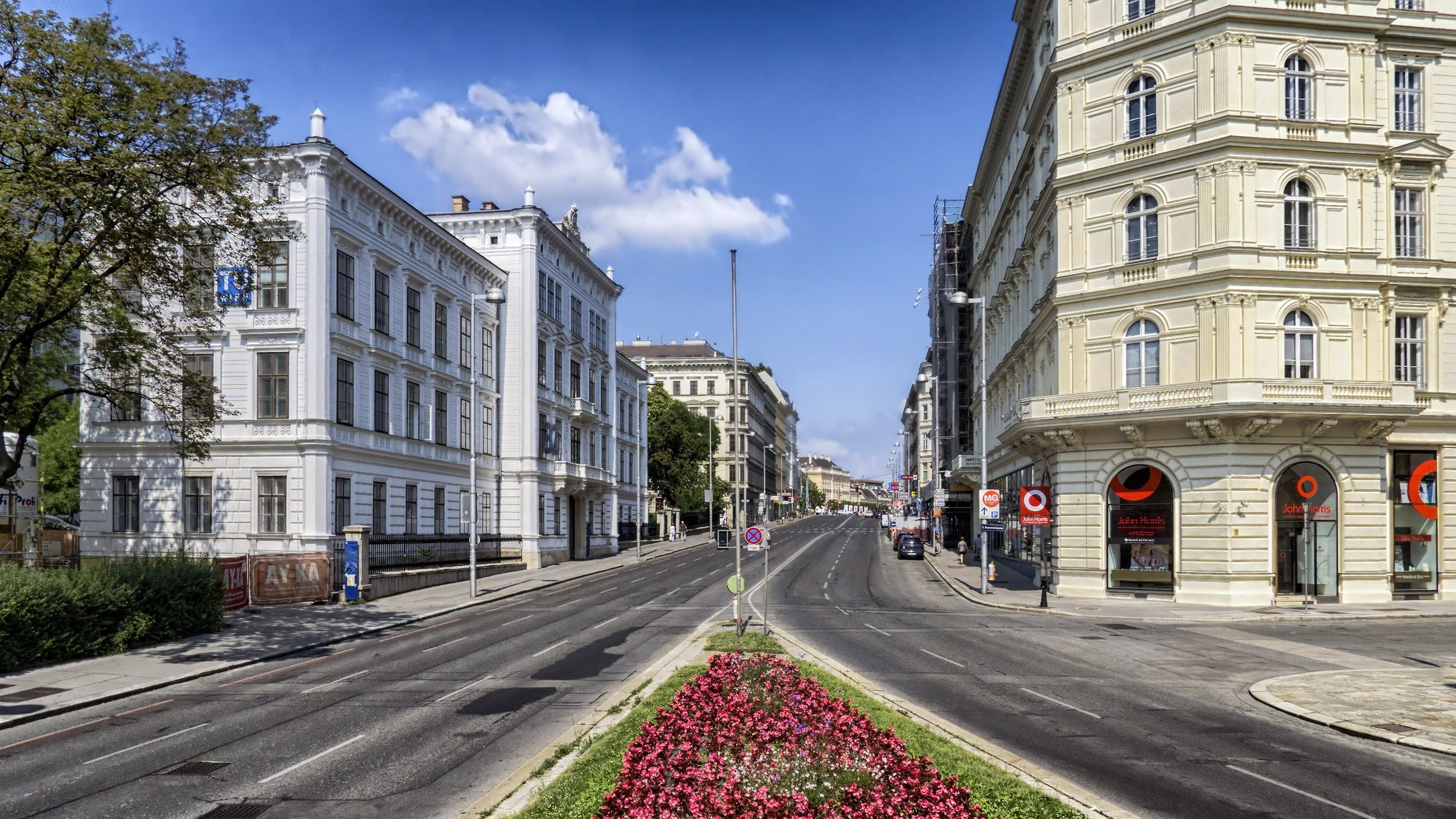
Vienna does not wake up. It simply picks up the conversation right where it left off yesterday. As the capital of Austria, home to two million residents, and consistently ranked among the most livable cities in the world, it carries its imperial heritage with a nonchalance that few European metropolises can match.
The most livable city in Europe, but for what kind of traveler?
Vienna is not a city of high-octane thrills. It lacks the frenetic energy of Berlin and the nocturnal buzz of Barcelona. Its strength lies in a steady pace of life, rare cultural depth, and an attention to detail that reveals itself over time. It is a place where you slow down, where spending an afternoon in a century-old café counts as a fully productive day.
Ideal destination for:
- Art enthusiasts, classical music fans, and architecture lovers
- Couples looking for an elegant, romantic city trip
- Families traveling with kids who enjoy interactive museums
- Fans of traditional European comfort food
- Solo travelers who value safety and easy navigation
Not recommended for:
- Nightlife seekers looking for wild parties
- Travelers who get restless in museums
- Beachgoers and fans of Mediterranean warmth
- Ultra-tight budget backpackers, as it remains a Western European capital
A reasonable budget for a Western European capital
Good news: Vienna costs noticeably less than Paris, London, or Zurich. The public transit network is excellent and affordable, and you can eat very well for a fair price by steering clear of the tourist traps in the 1st district.
| Expense item | Price range |
|---|---|
| Hostel night (dorm bed) | $17 to $34* |
| Comfortable hotel night (3-star, double room) | $102 to $158* |
| Quick bite (food stand, falafel, market stall) | $5.70 to $11* |
| Sit-down restaurant meal (main dish + drink) | $17 to $29* |
| Transit + 1 activity for the day | $12 to $29* |
| Backpacker daily budget | $62 to $90* |
| Comfortable daily budget | $146 to $210* |
Easygoing and approachable, even for a first-time visitor
Logistically, Vienna is refreshingly straightforward. The historic center is compact and pedestrian-friendly, the trams and subway run like clockwork, and the city regularly tops global lists for safety and quality of life. English is widely spoken in shops, hotels, and restaurants.
The climate is continental, bringing cold winters with occasional snow and warm summers that rarely feel oppressive. One minor cultural heads-up: locals are known for strict adherence to rules and quietness. Do not jaywalk, and keep the noise down after 10 PM. This is not coldness, but rather a social code to respect for a smooth visit.
The Imperial center: Innere Stadt and the Ringstrasse
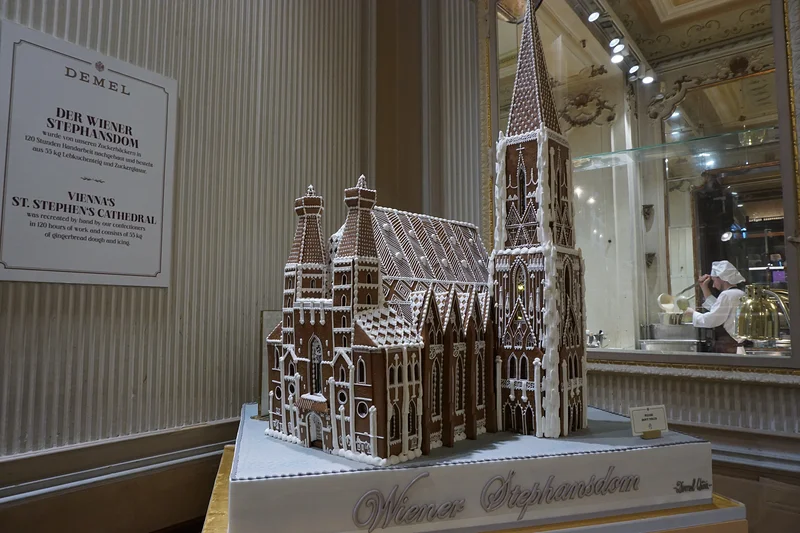
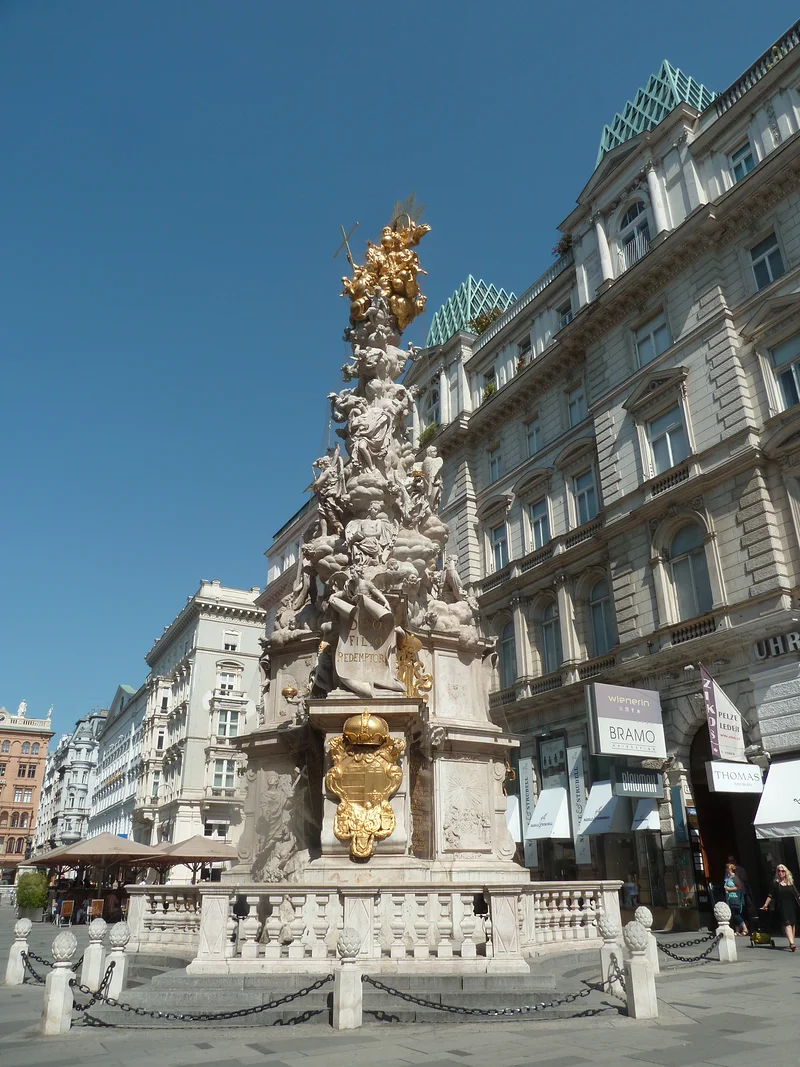
Start in the 1st district, the UNESCO-listed Innere Stadt. It serves as the beating heart of the city. Saint Stephen's Cathedral dominates the skyline with its patterned tile roof and south tower reaching 136 metres. Climb the 343 steps for a striking view.
Surrounding the cathedral, pedestrian streets lead to the Hofburg, the main winter residence of the Habsburgs for over six centuries. The complex is massive, housing imperial apartments, a treasury, the national library, and the Spanish Riding School. You could easily spend a full day here without seeing the same room twice.
Friendly tip: Skip the expensive City Airport Train to get downtown from the airport. The S-Bahn S7 train reaches Wien Mitte in 25 minutes for $5*. It costs a fraction of the CAT fare for just 9 extra minutes on board.
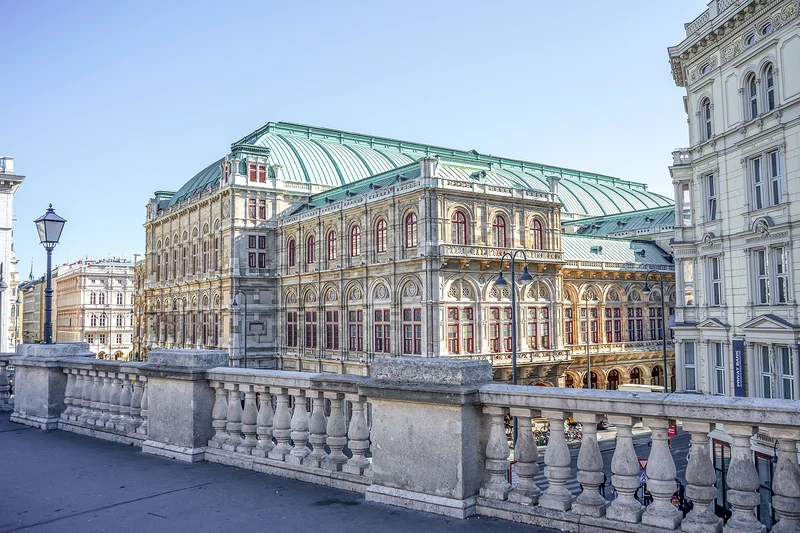
The Ringstrasse loops around this historic center for nearly 5 km. Commissioned by Emperor Franz Joseph I in 1857, this monumental boulevard brings together the Vienna State Opera, the Parliament, City Hall, the Burgtheater, and the Kunsthistorisches Museum, one of Europe's top classical art museums featuring works by Vermeer, Caravaggio, and Bruegel.
Neubau and Spittelberg: Today's Vienna
Leave the 1st district and head over to the 7th district, Neubau. The shift in vibe is immediate. Here, baroque facades rub shoulders with independent designer boutiques, specialty coffee shops, and contemporary art galleries. It stands out as the city's most creative neighborhood, where locals in their twenties and thirties gather in the evenings.
The micro-neighborhood of Spittelberg features six cobblestone alleys lined with restored Biedermeier houses, making it one of the rare pockets of Vienna to retain its 18th-century look. A small crafts market pops up here on Saturdays, and its December holiday market ranks among the most atmospheric in town.
The MuseumsQuartier sits right on the edge of Neubau. Housed in former imperial stables, this cultural complex includes the Leopold Museum, home to 42 canvases by Egon Schiele and major works by Gustav Klimt, alongside the MUMOK modern art museum. Even without going inside, the central courtyard with its colorful geometric seating blocks is worth a visit, as locals lounge there at the first sign of sun.
Palaces and parks: The Habsburg legacy
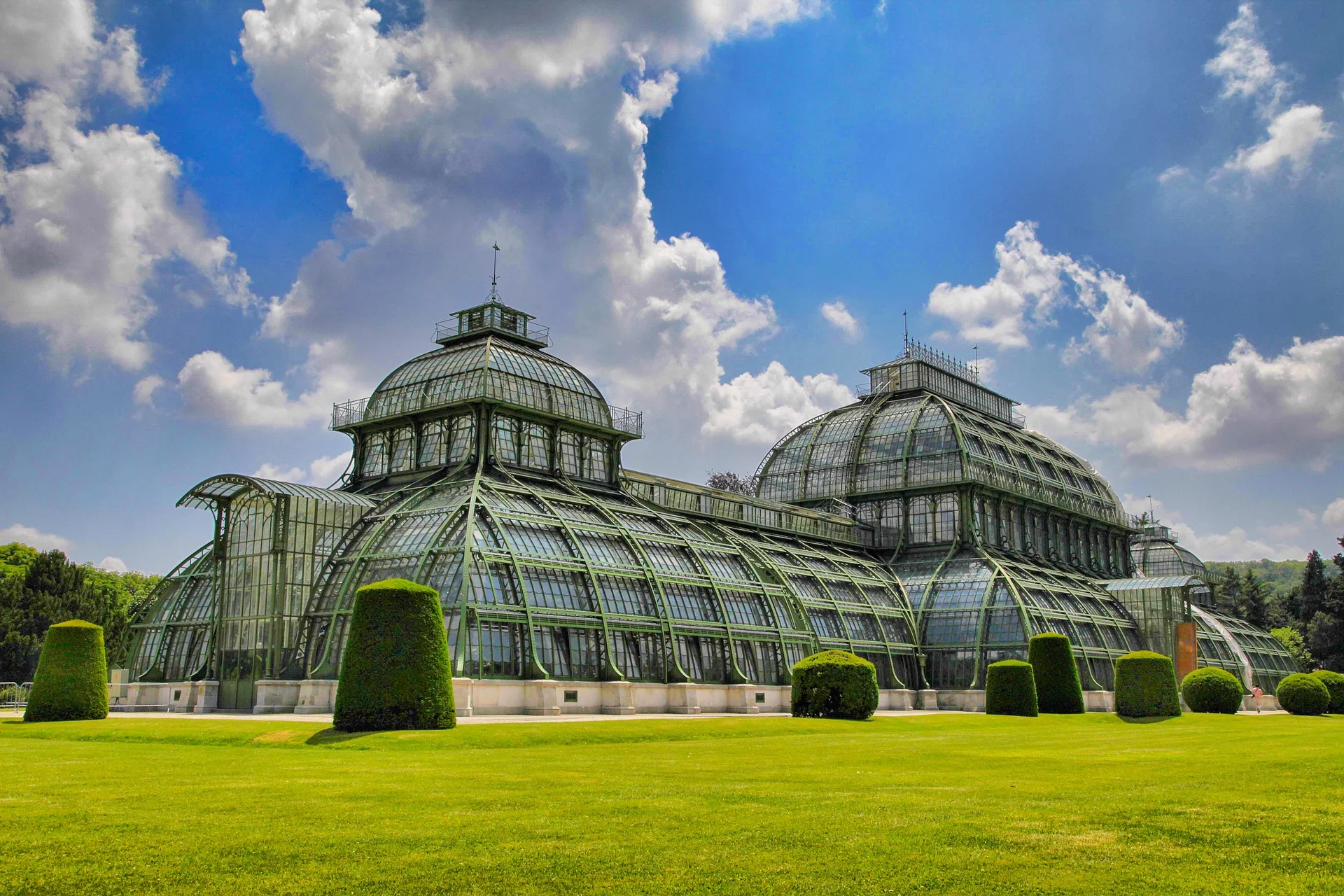
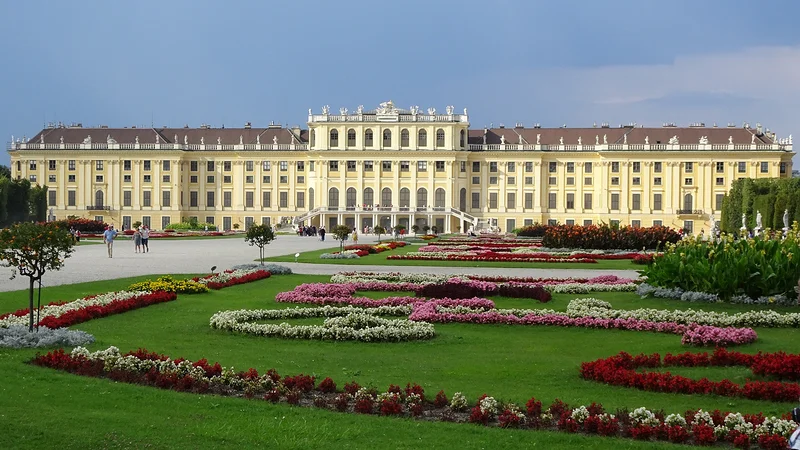
The Palace of Schönbrunn is Vienna's answer to Versailles, complete with 1,441 rooms and endless manicured gardens. The former summer residence of the Habsburgs impresses with its grand scale and detailed baroque interiors. Plan for at least half a day.
Closer to the center, the Belvedere Palace deserves a visit for one main reason: Gustav Klimt's masterpiece, The Kiss, hangs here. That single painting justifies the admission fee. The rest of the 19th- and 20th-century Austrian art collection is exceptional, and the terraced gardens frame one of the best views of the city skyline.
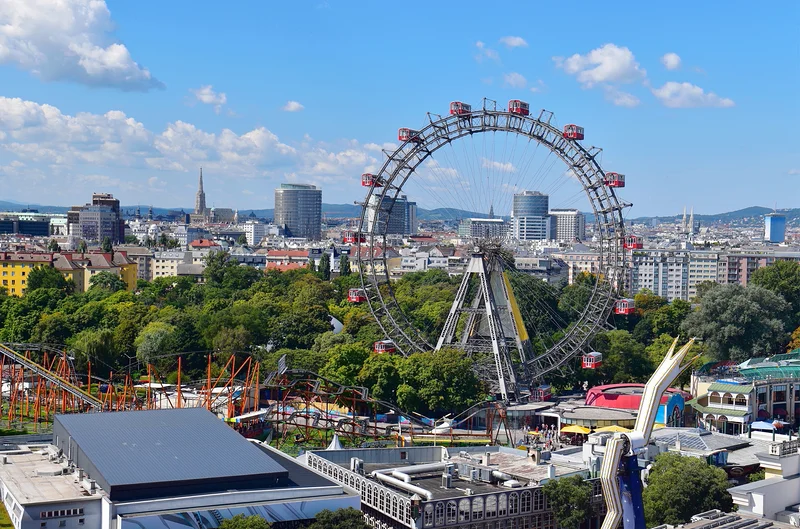
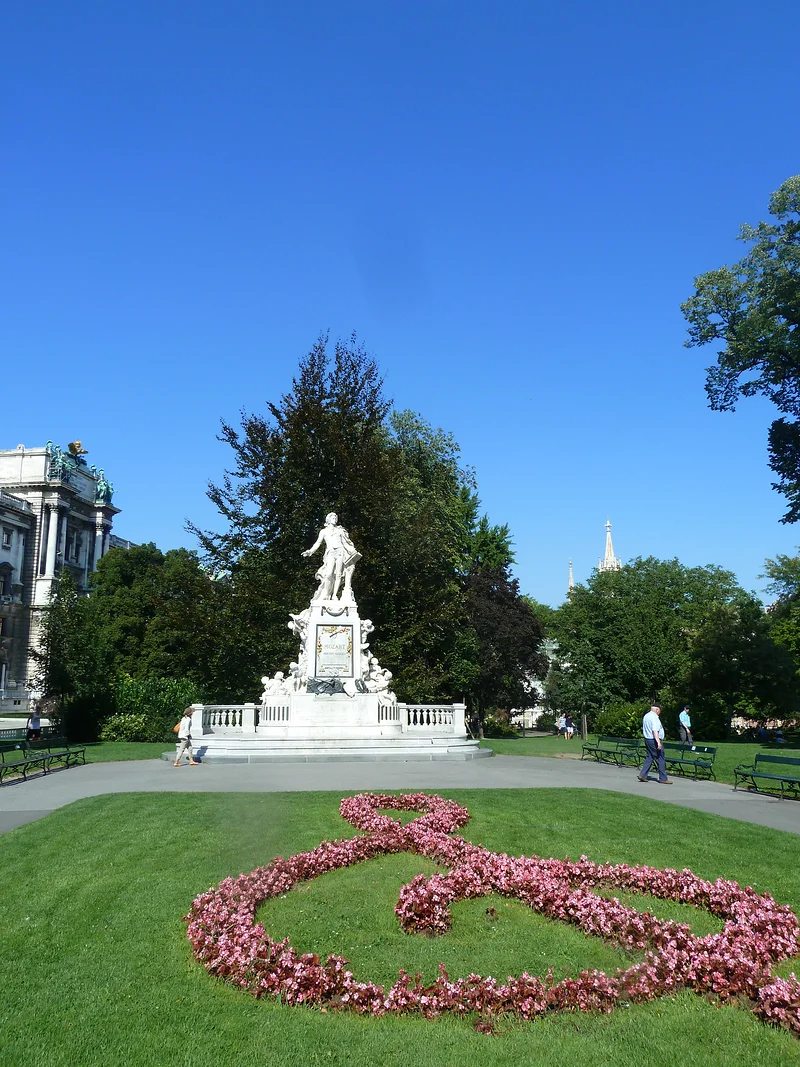
For fresh air, the Prater is a vast public park featuring the famous giant Ferris wheel built in 1897. Meanwhile, the Stadtpark charms visitors with its gilded monument to Johann Strauss and shaded paths winding along the Wien river.
Wine, vineyards, and Heurige: The Vienna guidebooks overlook
This may be the city's most surprising side. Vienna holds roughly 700 hectares of vineyards right within its municipal boundaries. Very few capitals in the world can make that claim. The star varietal, Gemischter Satz, blends several grapes grown together in the same plot.
The Heurige, traditional wine taverns where winemakers serve their own vintage alongside cold cuts and cheeses, are a local institution. The neighborhoods of Grinzing, Neustift am Walde, and Nussdorf host the best spots, reachable from downtown by tram in under 30 minutes.
Friendly tip: Avoid the heavily touristed Heurige in Grinzing on weekends. Head to Neustift am Walde on a weeknight instead for an authentic local atmosphere. Bus 35A from Heiligenstadt drops you right there.
To put it bluntly, this is our favorite experience in Vienna. An autumn evening in a local tavern, a glass of Grüner Veltliner in hand against a backdrop of vine-covered hills, captures the exact memory you will take home.
Where to eat and drink in Vienna
Vienna's culinary scene is hearty, generous, and unconcerned with calorie counts. The Wiener Schnitzel, a breaded and golden-fried veal cutlet, remains king. The version served at Figlmüller on Wollzeile hangs far over the edges of the plate. On the sweet side, the century-old rivalry between Hotel Sacher and Demel over the ultimate Sachertorte shows no signs of slowing down.
Do not miss out on Apfelstrudel, the spiced apple pastry best enjoyed in one of the city's historic cafés. In fact, Vienna's coffeehouse culture has held UNESCO intangible cultural heritage status since 2011. Café Central and Café Sperl are the most iconic, though they draw the longest lines.
Friendly tip: For the classic coffeehouse experience without the wait, try Café Jelinek in the 6th district or Kleines Café near Stephansplatz. Order a Melange, the local take on a cappuccino, served on a silver tray.
The Naschmarkt and local markets
Spanning over a kilometer, the Naschmarkt serves as the city's main food market, packed with spices, cheeses, smoked fish, and global street food stands. Keep in mind that prices run higher here than at standard grocery stores. For daily provisions, the Hofer and Billa supermarket chains offer much better value. The Brunnenmarkt in the 16th district has a more working-class, neighborhood feel with fewer tourists.
How to get to Vienna
Vienna International Airport (Schwechat) sits 18 km southeast of the city. The S-Bahn S7 train reaches Wien Mitte in 25 minutes for about $5*. The CAT train runs faster at 16 minutes but costs more. A taxi runs around $34*.
From the rest of Europe
Airlines connect major European cities to Vienna in about 2 hours, and low-cost carriers frequently run competitive fares. The Hauptbahnhof, Vienna's central station, serves as a major rail hub connecting you to Munich in 4 hours, Prague in 4 hours, Budapest in 2.5 hours, and Bratislava in barely an hour by regional train.
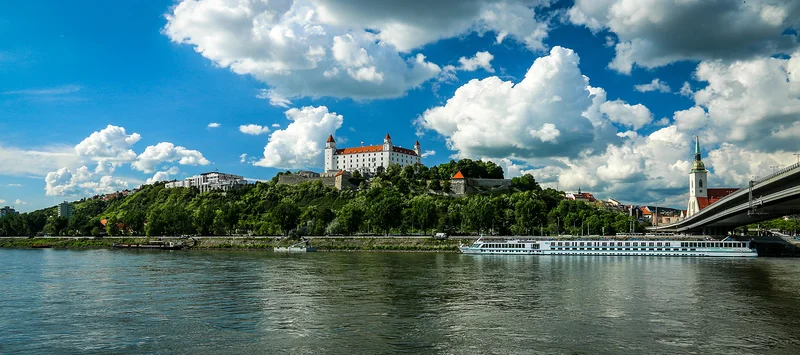
A smart alternative: if flights to Vienna run high, check prices into Bratislava. The Slovak capital is just an hour away by transit, and airfares there are often lower.
How to get around Vienna
Vienna is easily explored on foot, especially in the center. For longer distances, the subway, tram, and bus network runs fast, clean, and on schedule. A single ticket costs $2.70*, a 24-hour pass runs $9*, and a weekly pass costs $20*. The WienMobil app handles ticket purchases and route planning.
Cars are unnecessary in town, and parking is metered across almost all central districts. Uber operates in Vienna, and official taxis are dependable. Expect $12 to $17* for a ride across the center.
When to go?
The best windows to visit are spring from April to June, when gardens bloom and weather is mild, and early autumn in September and October, which is ideal for wine harvest season in the Heurige and foliage in the parks. Summer brings warmth and outdoor festivals alongside larger crowds.
Winter in Vienna is cold and sometimes harsh, but the holiday markets and the concert season at the Opera and the Musikverein make it a magical time for culture fans. Skip January and February if you dislike the cold, as temperatures regularly drop below freezing.
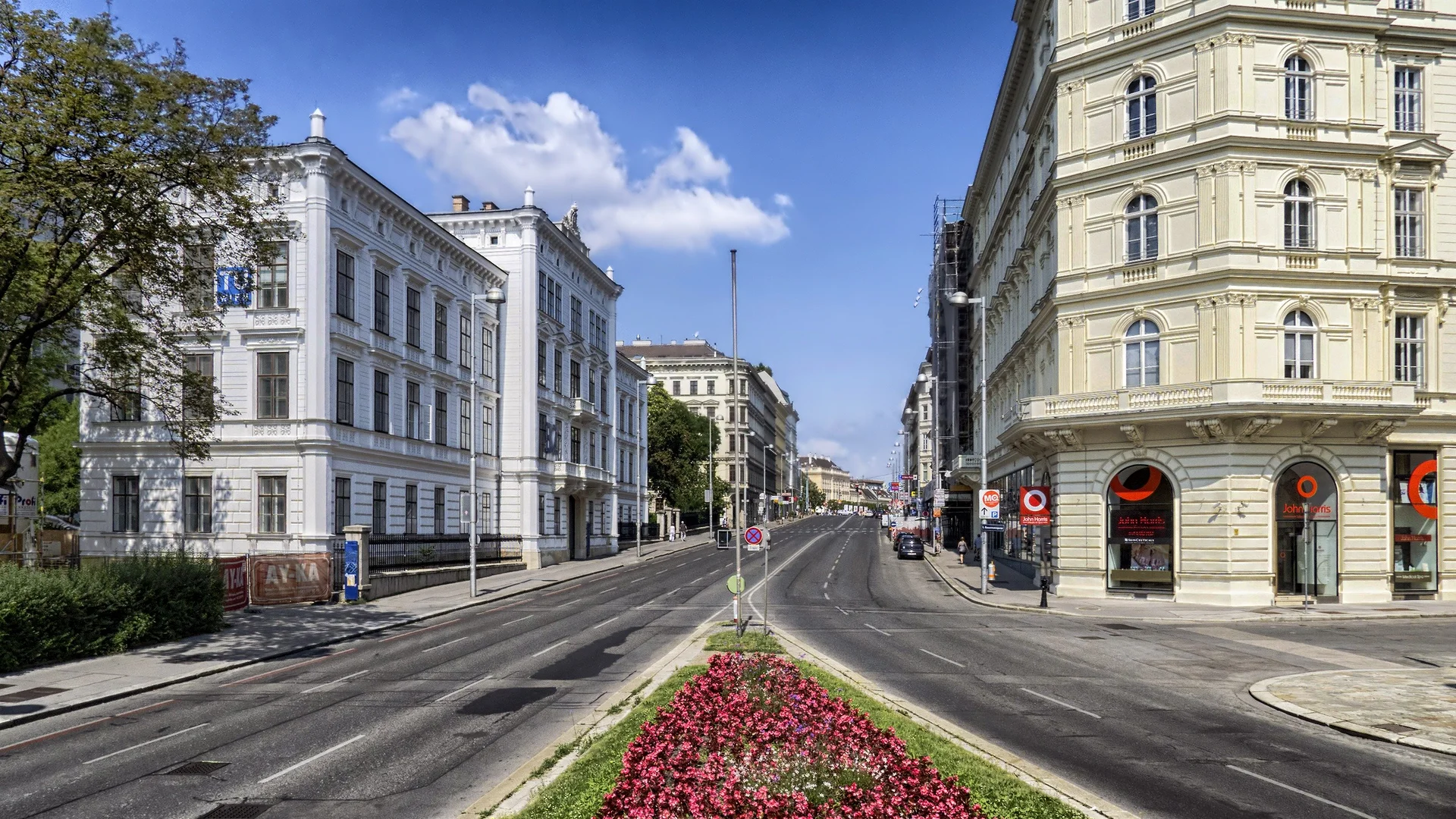
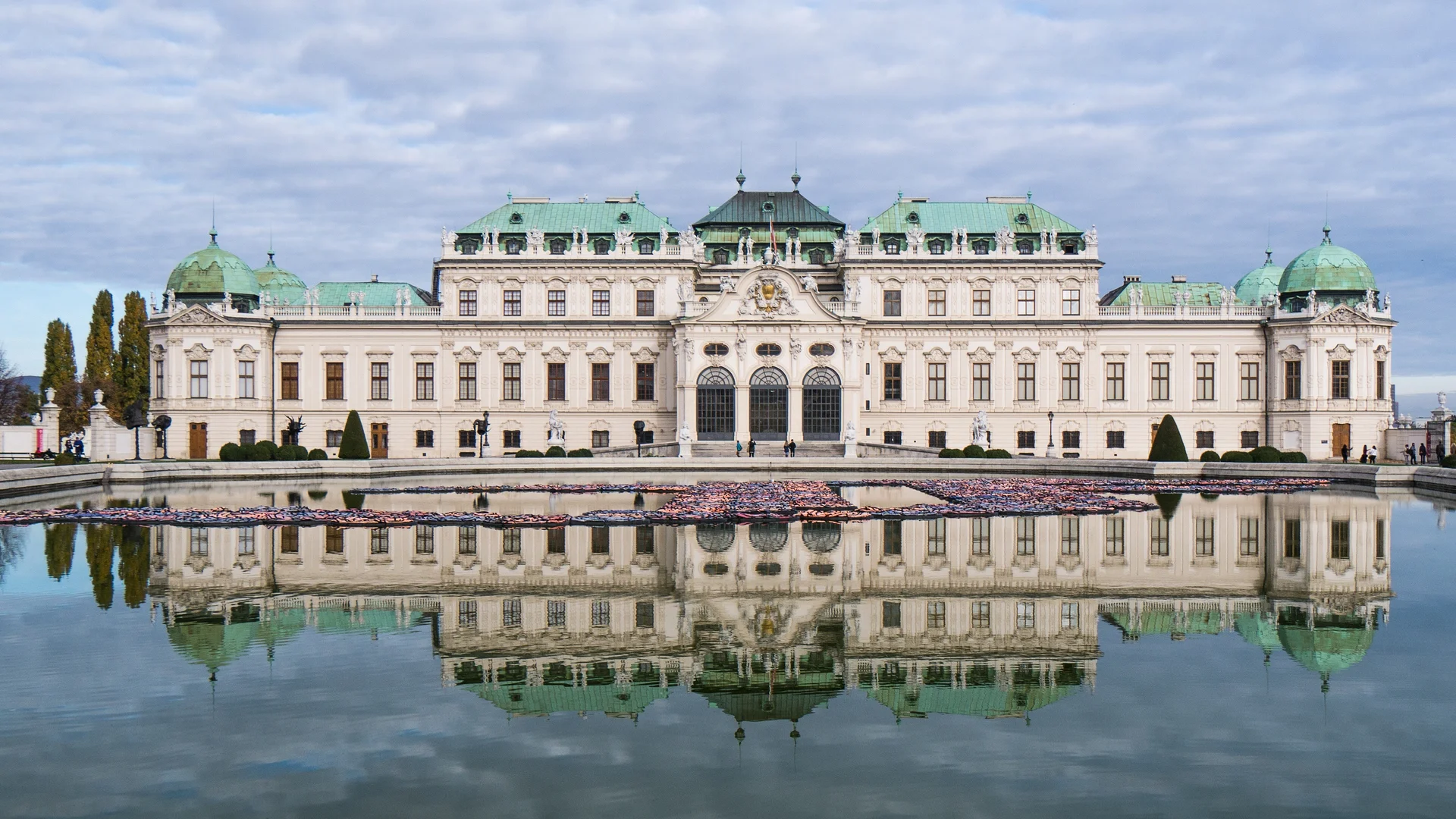
I was really charmed by my visit to Vienna even though I only stayed for a few days. The culture is everywhere. If you like museums and monuments, then definitely go. The architecture is superb and well preserved. Vienna is a very clean city for a European capital, which was a pleasant surprise.