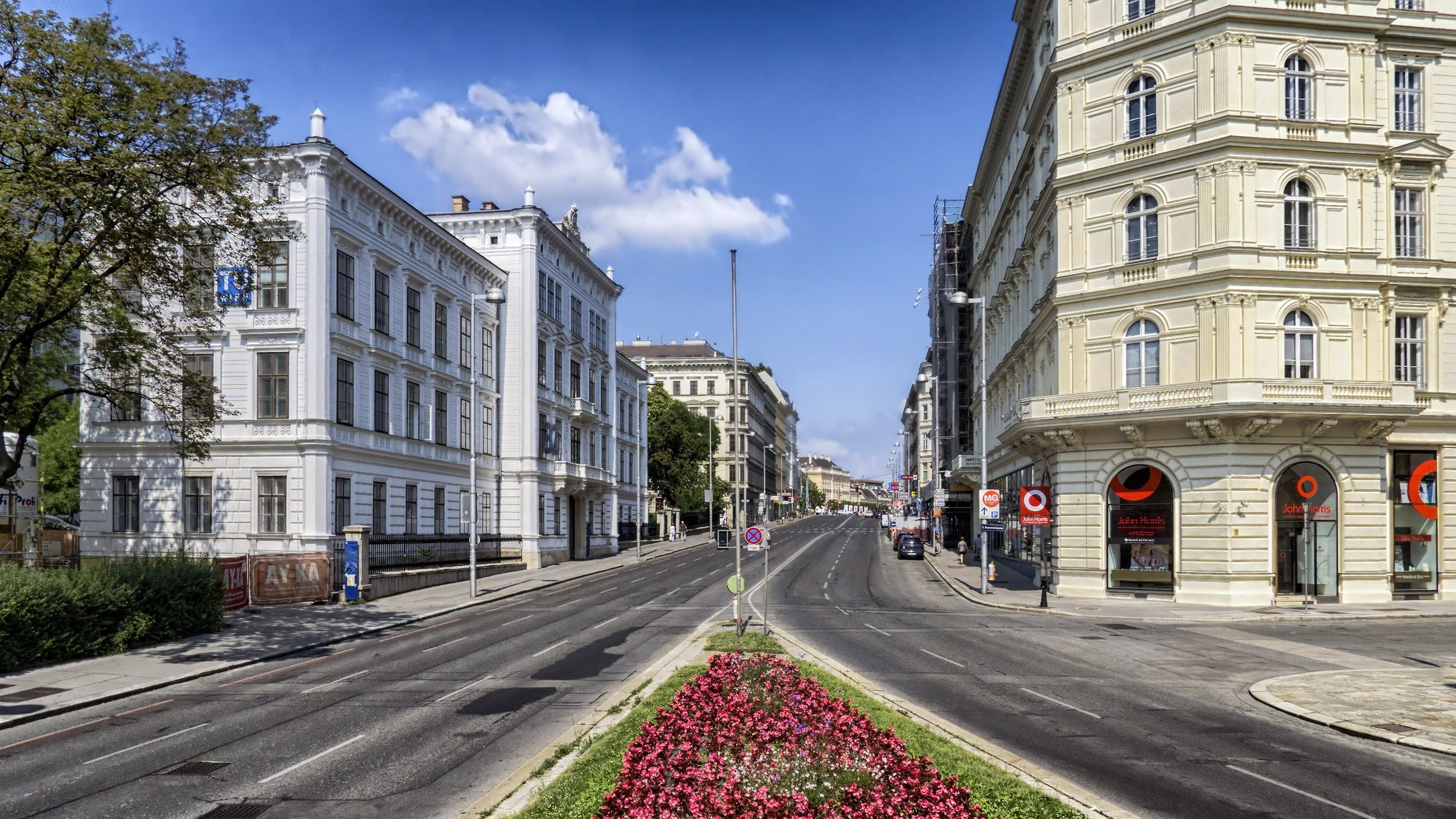
Rues de Vienne

Things to do in Vienna: top 12 must-see attractions 2026

Looking for inspiration to visit Vienna? Browse the attractions our traveler community loves most — historic sites, cultural visits, scenic walks and laid-back spots...

Top 12 attractions our members recommend

Schönbrunn Palace

#1 Schönbrunn Palace +32 4.8

Ancienne résidence d'été des Habsbourg, le palais de Schönbrunn est immense. Il comprend 1 441 pièces et 160 hectares de jardins aux portes de Vienne. Mozart y donna son premier concert à six ans. Classé à l'Unesco, ce chef-d'œuvre rococo abrite le plus ancien zoo du monde et offre depuis la Gloriette une vue spectaculaire sur la capitale autrichienne.

Voir le guide View offers-7%AVYGEO7
Vienna State Opera

#2 Vienna State Opera +31 4.7

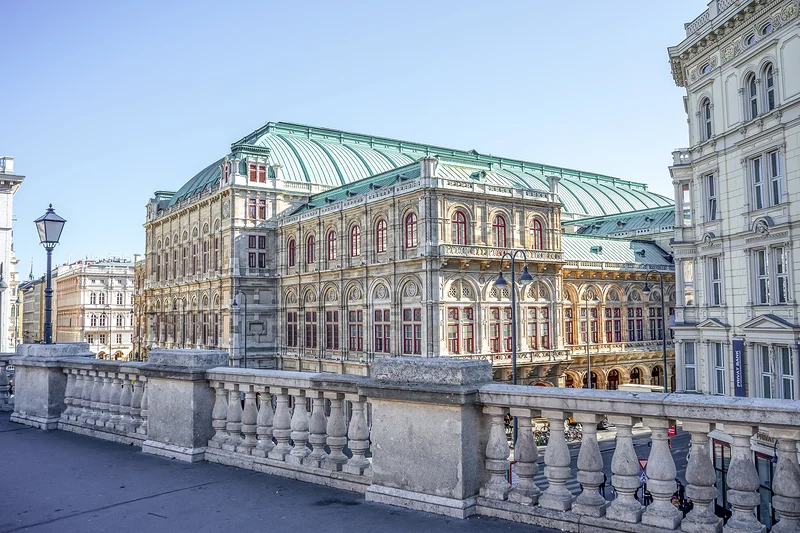
L'Opéra National de Vienne est un monument culturel incontournable au cœur de la capitale autrichienne. Inauguré en 1869, ce chef-d'œuvre néo-Renaissance accueille chaque année plus de 300 représentations, allant des opéras classiques aux ballets et concerts symphoniques. Les visiteurs peuvent assister à des œuvres majeures de Mozart, Beethoven ou Verdi, confortablement assis, ou debout, moyennant des prix réduits. Des visites guidées permettent également de découvrir l'intérieur somptueux du bâtiment et ses coulisses, rendant l'expérience inoubliable pour les amateurs de culture.

Voir le guide View offers
Hofburg Palace

#3 Hofburg Palace +26 4.6

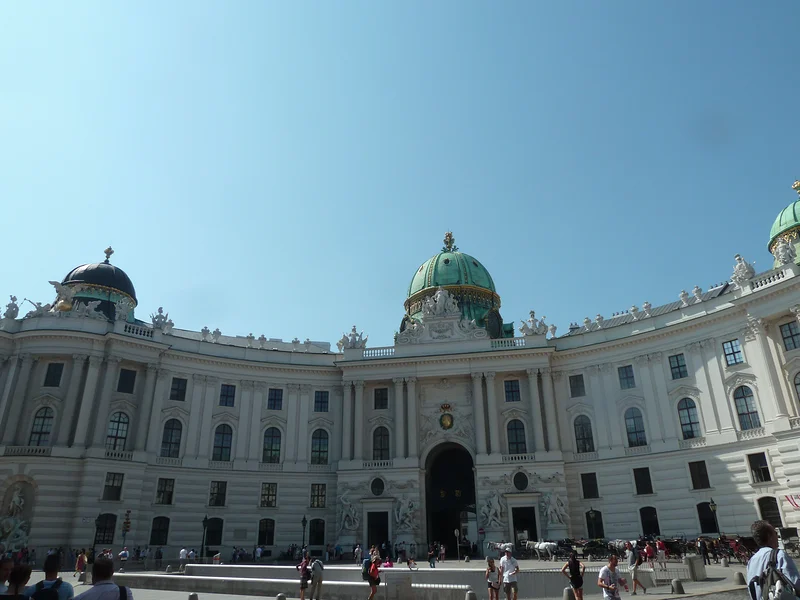
Le Palais Impérial de la Hofburg, situé au cœur de Vienne, est un impressionnant complexe qui fut la résidence principale des Habsbourg pendant plus de six siècles. Il abrite aujourd'hui les appartements impériaux, le Musée Sissi consacré à l'impératrice Elisabeth, et la Trésorerie impériale où sont exposés les joyaux de la couronne. Les visiteurs peuvent aussi découvrir les démonstrations de l’École Espagnole d’Équitation, célèbre pour ses chevaux lipizzans, dans ce magnifique ensemble mêlant styles gothique, baroque et néoclassique.

Voir le guide View offers-7%AVYGEO7
Karlskirche

#4 Karlskirche +25 4.2

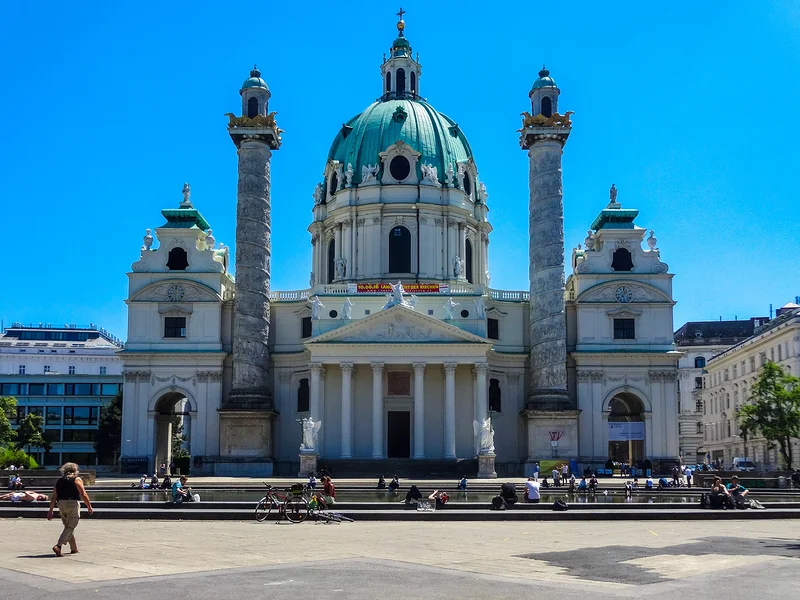
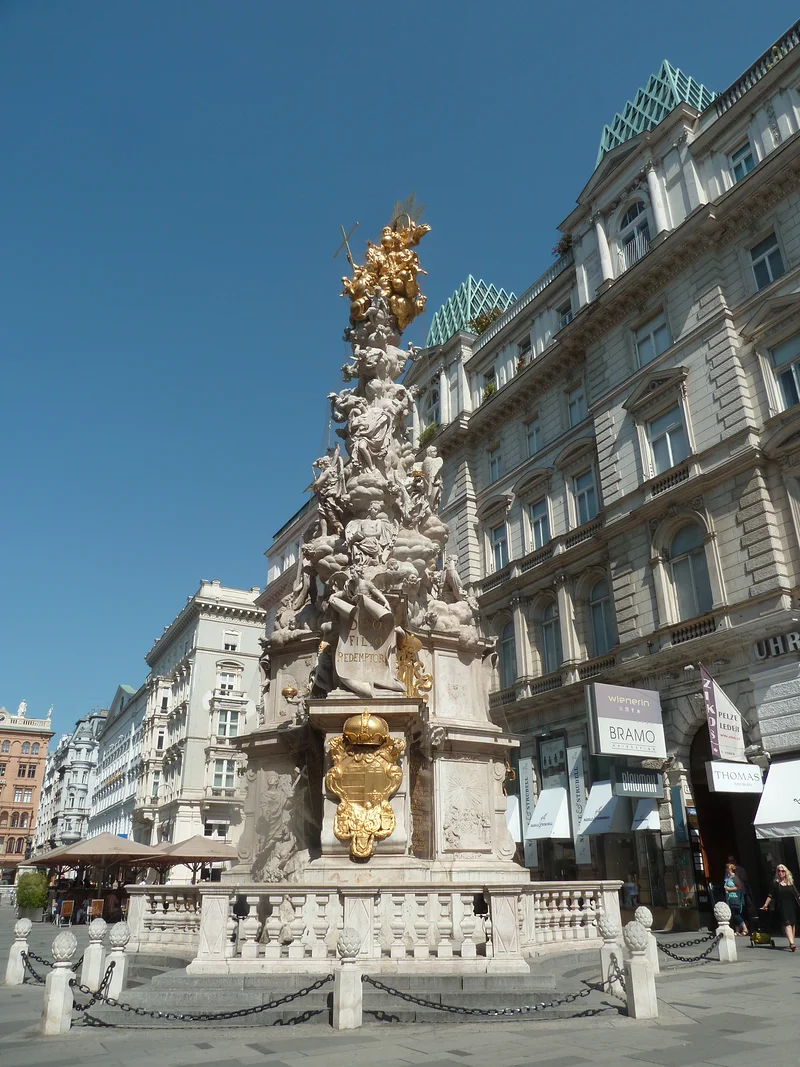
Des églises baroques d'Autriche, celle de Saint-Charles est simplement la plus belle. Terminée en 1739, elle est l’œuvre ultime de l'architecte Johan Bernhard Fischer von Erlach et illumine Vienne, tant pas ses dimensions colossales que la richesse de ses détails. Deux colonnes sculptées qui entourent son dôme vert et un portique marquent sa façade, entre ses murs l'autel principal est un véritable chef-d’œuvre. Des fresques signées Rottmayr couvrent sa coupole, accessible par un ascenseur qui mène à une plate-forme située à 32 m. Promise par Charles VI pour marquer la fin d'une épidémie de peste, elle symbolise la grandeur de la ville.

Voir le guide View offers
Belvedere Palace

#5 Belvedere Palace +25 4.6

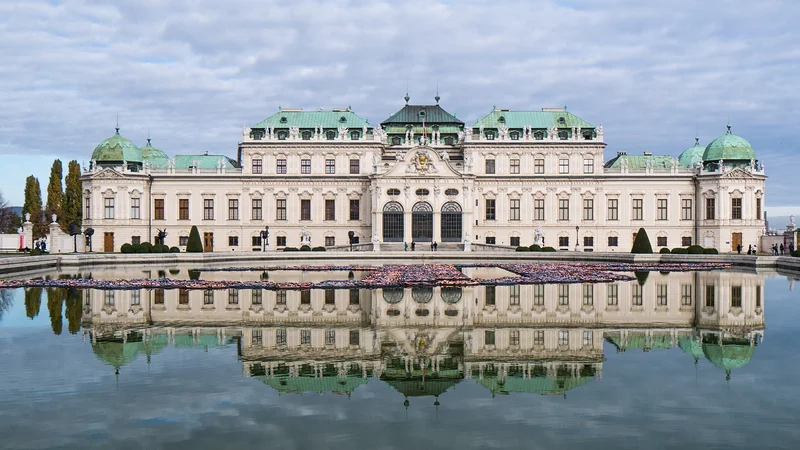
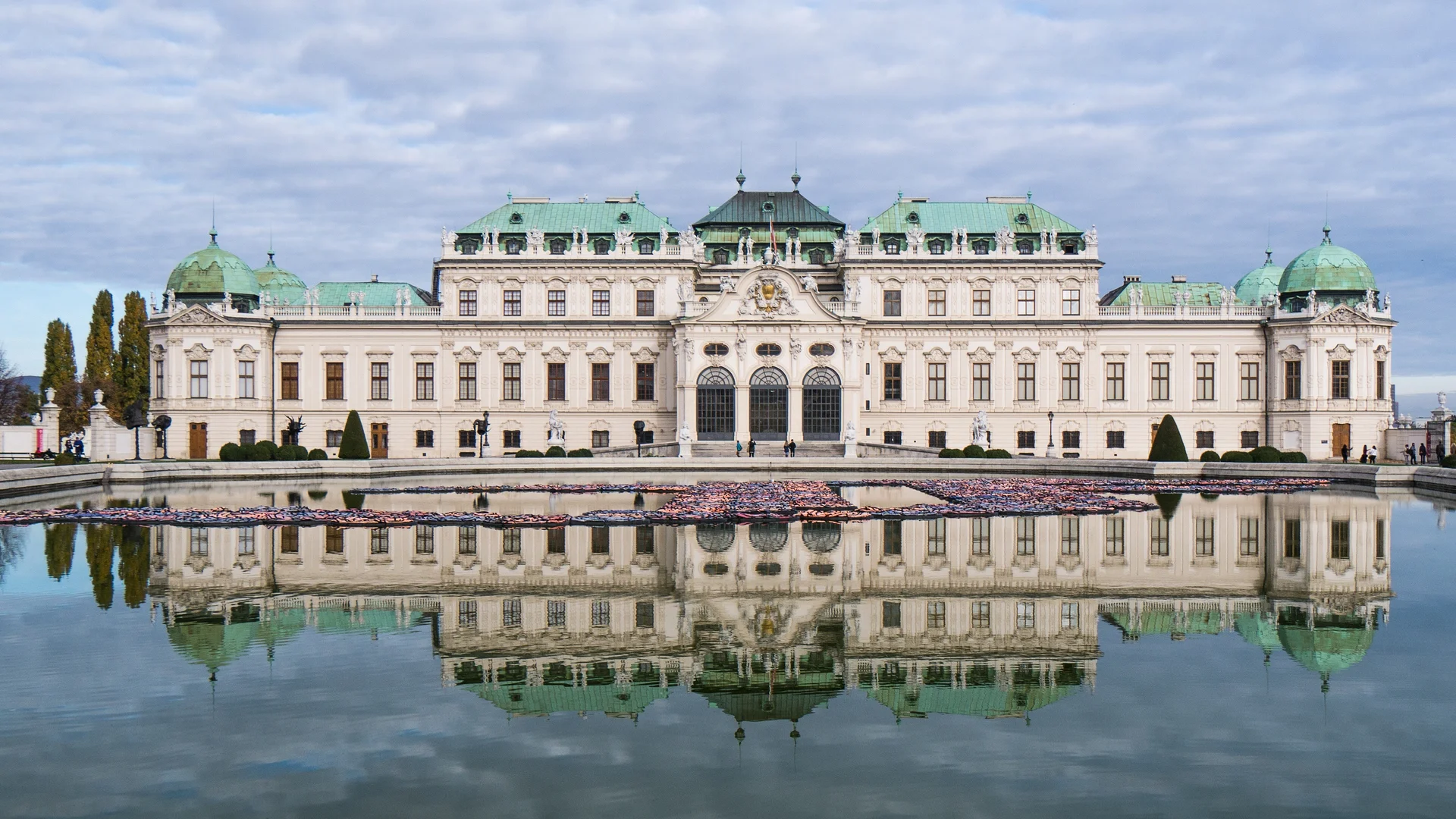
Joyau grandiose de l'architecture baroque autrichienne, le Palais du Belvédère est un des plus magnifiques édifices de Vienne. Composé de deux châteaux du XVIIIe siècle, l'ancienne résidence d'été du prince Eugène de Savoie est classé au patrimoine mondial de l'UNESCO. Dans ce cadre flamboyant, l'art a trouvé un écrin somptueux, les trois niveaux du Belvédère supérieur sont devenus un musée d'exception. Quelques 400 œuvres majeures du XIXe au XXe siècle, dont certaines de Monet et Van Gogh, y sont exposées ainsi 24 toiles de Gustav Klimt, soit la plus grande collection au monde du grand maître du modernisme viennois.

Voir le guide View offers
Museum of Art History

#6 Museum of Art History +24 5

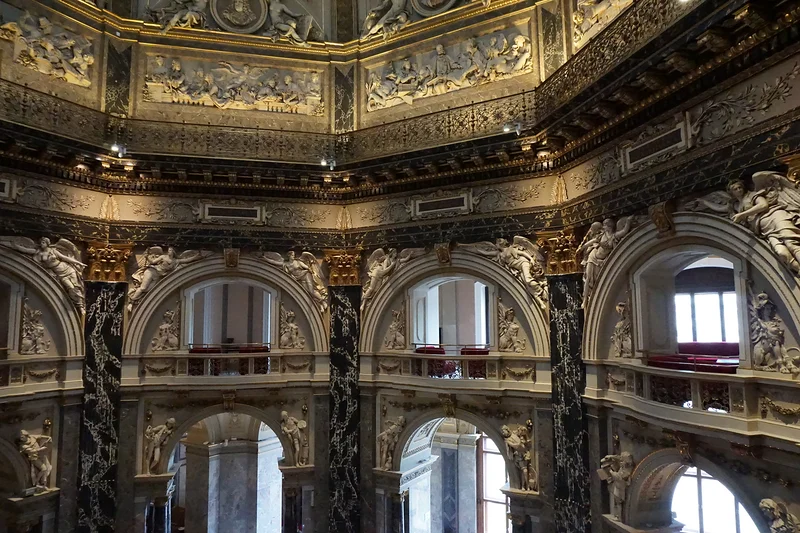
Le Musée de l'Histoire de l'Art de Vienne, ou le Kunsthistorisches Museum, est un des sites culturels les plus remarquables au monde. Édifié en 1891 par l'empereur François-Joseph, il a été uniquement bâti pour accueillir les collections de la maison Habsbourg. Dans un cadre époustouflant inspiré de la Renaissance italienne, les œuvres et chefs-d’œuvre de cinq millénaires sont rassemblées. La visite est un voyage dans le talent et la beauté des arts de l'Antiquité égyptienne et grecque jusqu'au XVIIIe siècle. Des joyaux absolus et rares qui comportent les toiles de maîtres de toutes les écoles comme Raphaël, Vermeer ou Bruegel.

Voir le guide View offers
Sisi Museum

#7 Sisi Museum +22 4.3

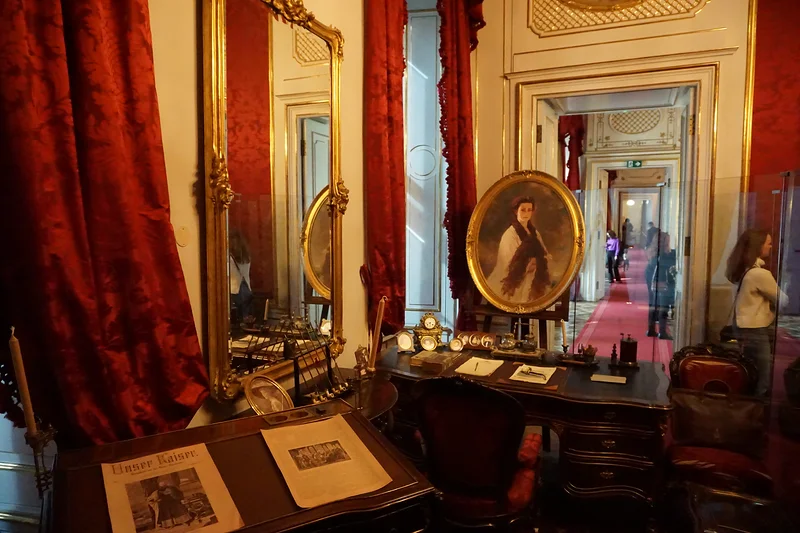
Le Musée Sissi, situé dans le Palais de la Hofburg à Vienne, plonge les visiteurs dans la vie fascinante de l'impératrice Élisabeth, surnommée Sissi. À travers des objets personnels, des robes somptueuses et des lettres manuscrites, vous découvrirez une femme complexe, en quête de liberté et en lutte contre les contraintes de la cour. Le musée présente également son tragique destin, marqué par la perte et son assassinat en 1898. Un incontournable pour explorer l'histoire impériale et l’héritage culturel autrichien.

Voir le guide View offers
Leopold Museum

#8 Leopold Museum +22 4.3

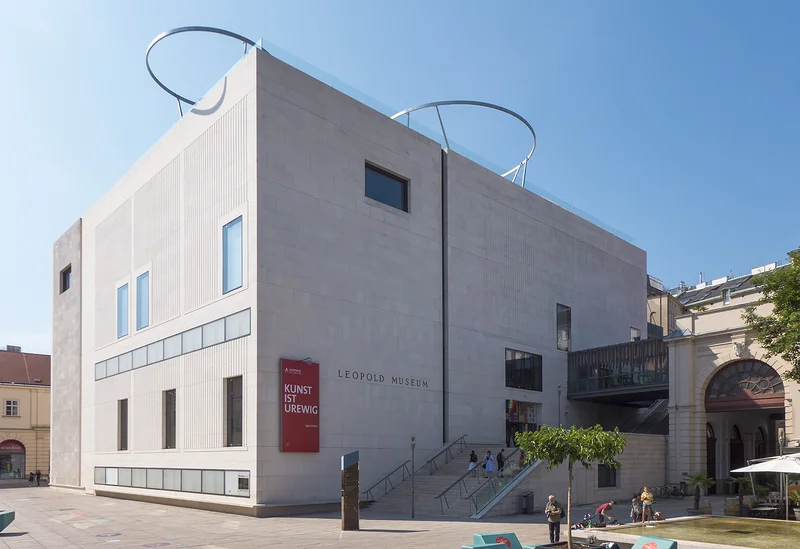
Le Musée Leopold à Vienne, situé dans le quartier des musées, abrite la plus grande collection d’œuvres d'Egon Schiele, ainsi que des peintures de Gustav Klimt et d'autres artistes autrichiens. Ce musée retrace l'évolution de l'art autrichien moderne, notamment les mouvements de la Sécession viennoise et de l'Expressionnisme. Fondé en 2001 grâce à la collection du Dr. Rudolf Leopold, il offre aussi des expositions temporaires, des visites guidées, et une vue magnifique sur Vienne depuis son architecture moderne et lumineuse.

Voir le guide View offers
St. Stephen's Cathedral

#9 St. Stephen's Cathedral +18 4.3

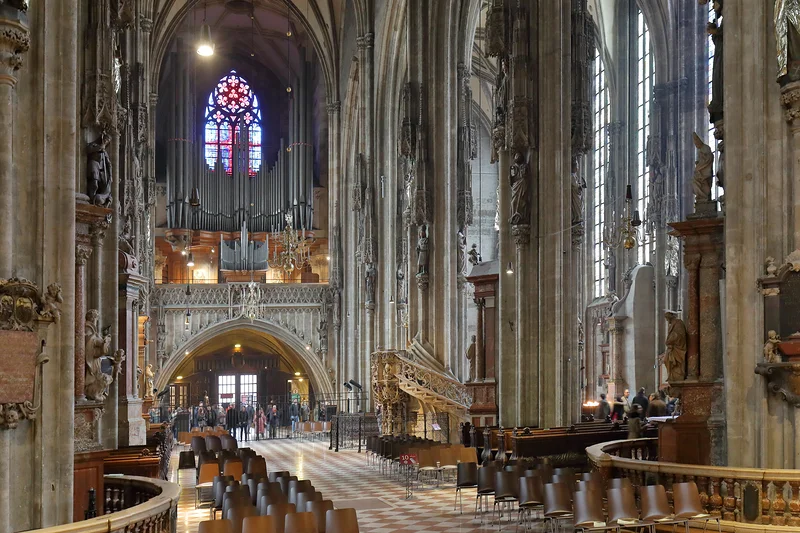
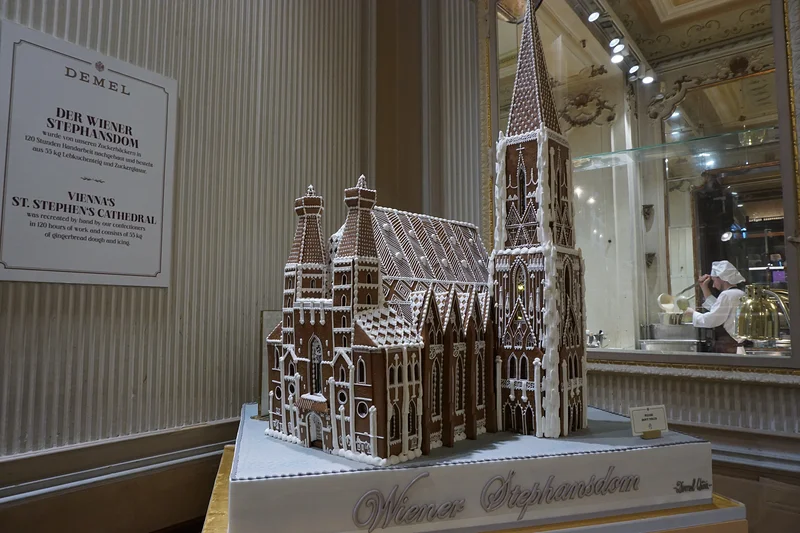
La cathédrale Saint-Étienne, située au centre de Vienne, est un chef-d'œuvre gothique incontournable. Connue pour sa tour sud de 136 mètres et son toit en tuiles colorées, elle offre une vue panoramique époustouflante sur la ville. L’intérieur renferme des trésors artistiques, et ses catacombes plongent les visiteurs dans l’histoire impériale autrichienne. Des visites guidées, des concerts d’orgue et des événements religieux y sont proposés, enrichissant l'expérience culturelle et spirituelle des visiteurs.

Voir le guide View offers
Austrian National Library

#10 Austrian National Library +13 4.7

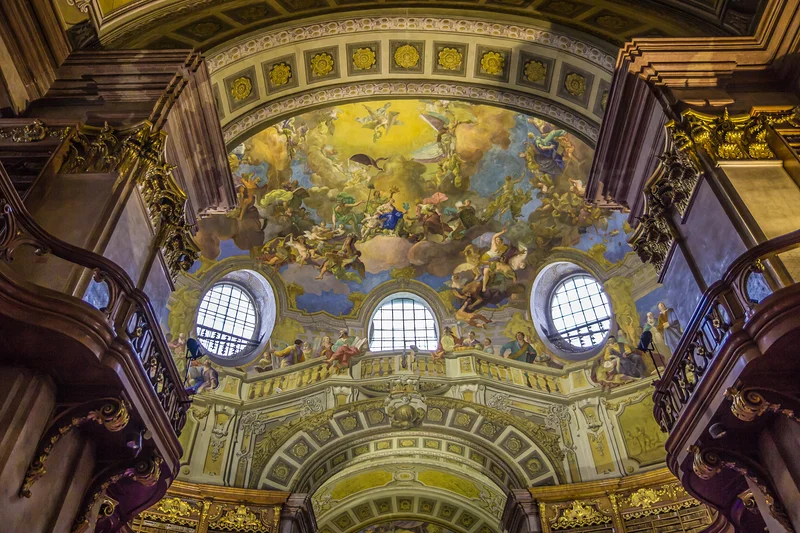
Située dans l’aile impériale du palais Hofburg à Vienne, la Bibliothèque Nationale Autrichienne est un joyau baroque du XVIIIe siècle. Connue pour sa spectaculaire salle d’apparat ornée de fresques et de statues, elle abrite des milliers d'ouvrages rares et manuscrits précieux. Sa beauté architecturale et historique en fait un incontournable culturel lors d’une visite dans la capitale autrichienne.

Voir le guide View offers
Hundertwasser House

#11 Hundertwasser House +7 5

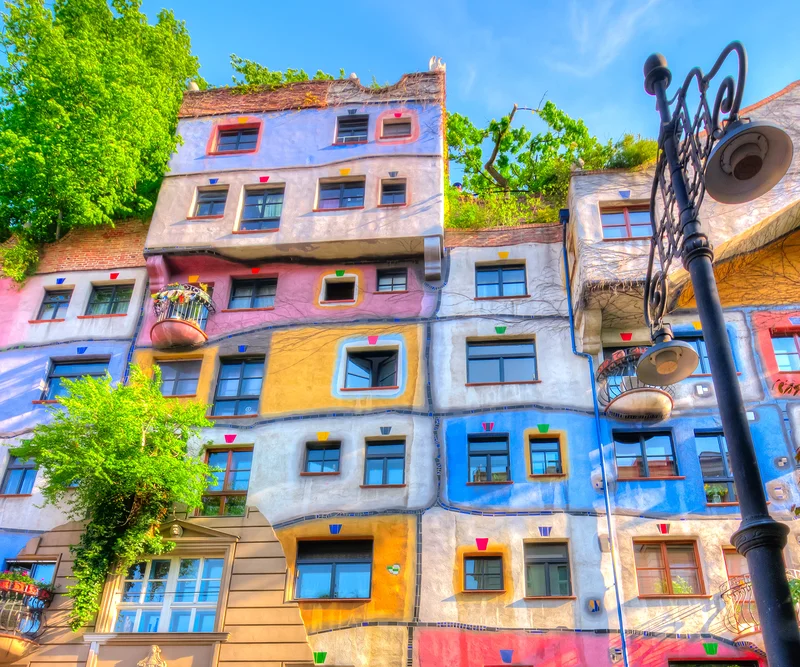
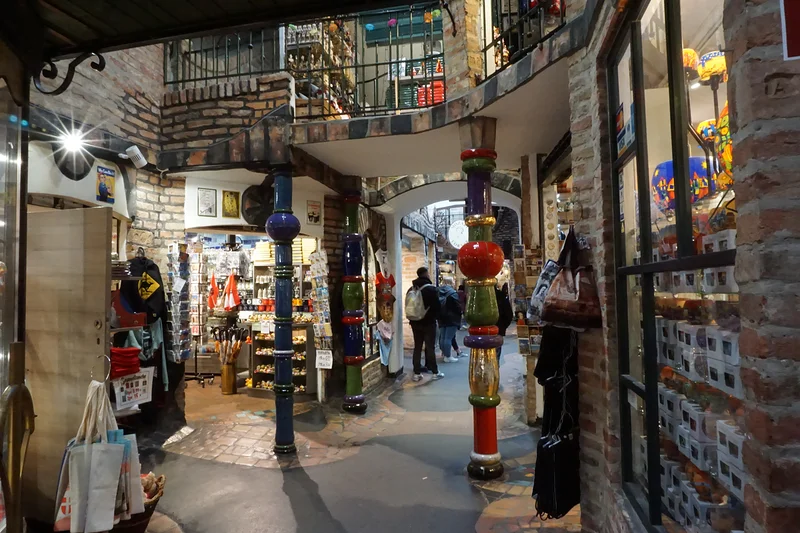
La Maison Hundertwasser à Vienne, conçue par l'artiste Friedensreich Hundertwasser, est un chef-d'œuvre architectural unique, caractérisé par ses lignes irrégulières, ses couleurs vivaces et ses formes naturelles. Le bâtiment incarne la vision écologique de l'artiste, avec des arbres intégrés dans la structure et un toit végétalisé. Bien qu'il s'agisse d'un immeuble résidentiel, vous pouvez explorer ses environs et visiter le Kunst Haus Wien à proximité, qui expose les œuvres de Hundertwasser et approfondit sa philosophie artistique et environnementale.

Schönbrunn Zoo

#12 Schönbrunn Zoo +4 4.5

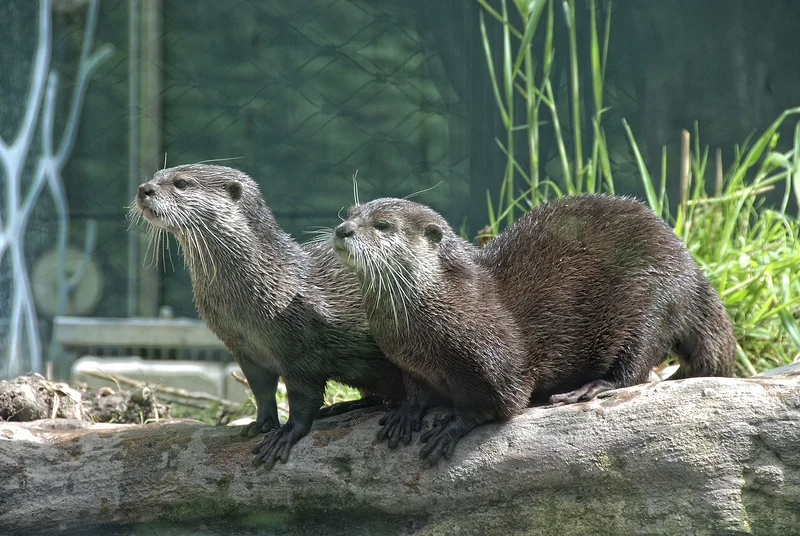
Le Zoo de Schönbrunn à Vienne, fondé en 1752, est le plus ancien zoo au monde et fait partie du patrimoine mondial de l'UNESCO. Situé dans le parc du Palais de Schönbrunn, il témoigne de l'évolution des pratiques zoologiques et de l'engagement autrichien envers la conservation. Abritant plus de 700 espèces, dont des pandas géants et des koalas, le zoo se consacre à la protection des espèces menacées. Il offre aux visiteurs une expérience éducative et immersive dans la diversité animale mondiale.

Voir le guide View offers-7%AVYGEO7

Map of must-see attractions in Vienna

Vienna, the capital that learned to age better than any other

A cellist tunes his instrument under the portico of St. Stephen's Cathedral, the scent of fresh coffee and warm brioche drifts from nearby bakeries, and streetcars glide silently along the tracks of the Ringstrasse.

Vienna doesn't wake up so much as it simply resumes the conversation where it left off the night before. As the capital of Austria with two million residents, it consistently ranks among the most livable cities in the world, carrying its imperial heritage with a nonchalance few major metropolises can claim.

The most livable city in Europe, but for which type of traveler?

Vienna is not a city of adrenaline rushes. It lacks the frenetic pace of Berlin and the late-night intensity of Barcelona. Its strength lies in a measured way of life, a high density of culture, and an attention to detail that reveals itself over time. It is a city where you slow down, where an entire afternoon in a century-old cafe is a perfectly valid itinerary.

Best for:

  • Lovers of art, classical music, and architecture
  • Couples looking for an elegant, romantic getaway
  • Families with children interested in interactive museums
  • Fans of traditional European gastronomy
  • Solo travelers who value a safe and easy-to-navigate destination

Not for:

  • Those seeking a wild party scene
  • Travelers who get bored easily in museums
  • Beach lovers or those chasing a Mediterranean climate
  • Travelers on a very tight budget, as it remains a Western European capital

A reasonable budget for a Western European capital

Good news: Vienna is noticeably cheaper than Paris, London, or Zurich. The public transit network is excellent and accessible, and you can eat very well for a fair price by moving away from the tourist traps in the first district.

Indicative daily budget per person in Vienna
Expense Price Range
Hostel night (dormitory) 15 € to 30 € (about $16-$33)
Comfortable hotel (3-star, double room) 90 € to 140 € (about $98-$153)
Quick meal (stand, falafel, market) 5 € to 9 € (about $5-$10)
Restaurant meal (entree + drink) 15 € to 25 € (about $16-$27)
Transport + 1 activity per day 10 € to 25 € (about $11-$27)
Backpacker daily budget 55 € to 80 € (about $60-$87)
Comfortable daily budget 130 € to 180 € (about $142-$196)

A gentle city, even for a first-timer

Practically speaking, Vienna is straightforward to navigate. The historic center is compact and pedestrian-friendly, the trams and subways run like clockwork, and the city consistently tops global rankings for safety and quality of life. English is widely spoken, including in shops and restaurants.

The climate is continental, with cold winters that sometimes bring snow and summers that are warm but rarely stifling. A small cultural note: the Viennese are known for their strict adherence to rules and quiet. Do not cross against a red light, and keep noise levels down after 10 p.m. This is not coldness, but a social code to respect for a smooth experience.

The imperial center: Innere Stadt and the Ringstrasse

Start in the first district, Innere Stadt, a UNESCO World Heritage site and the city's beating heart. St. Stephen’s Cathedral stands there with its glazed tile roof and a south tower reaching 136 meters. Climb the 343 steps for a striking panorama.

Around the cathedral, pedestrian streets reveal the Hofburg, the official residence of the Habsburgs for over six centuries. The complex is massive, holding imperial apartments, a treasury, a national library, and the Spanish Riding School. You could spend an entire day there without seeing the same room twice.

Pro tip: Don't pay for the City Airport Train to get to the center. The S-Bahn S7 reaches Wien Mitte in 25 minutes for 4.40 € (about $5), a fraction of the cost of the CAT for only 9 minutes more travel time.

The Ringstrasse encircles this historic center for nearly 5 km. This monumental boulevard, commissioned by Emperor Franz Joseph I in 1857, alone houses the Vienna State Opera, the Parliament, City Hall, the Burgtheater, and the Kunsthistorisches Museum, one of Europe's finest ancient art museums with works by Vermeer, Caravaggio, and Bruegel.

Neubau and Spittelberg: the Vienna of today

Leave the first district and cross into the 7th district, Neubau. The change in vibe is immediate. Here, baroque facades sit alongside designer boutiques, independent coffee roasters, and contemporary art galleries. It is the city's most creative neighborhood, where locals aged 25-40 hang out in the evening.

The Spittelberg micro-neighborhood, with its six cobblestone alleys lined with restored Biedermeier houses, is one of the few corners of Vienna to have kept its 18th-century charm. On Saturdays, a small craft market sets up there. In December, its Christmas market is one of the most atmospheric in the city.

The MuseumsQuartier is just on the edge of Neubau. This cultural complex, installed in former imperial stables, houses the Leopold Museum with 42 paintings by Schiele and major works by Klimt, as well as the MUMOK, which is dedicated to contemporary art. Even without entering a museum, the courtyard with its colorful geometric blocks is worth a visit, as the Viennese flock there the moment the sun comes out.

Palaces and parks: the memory of the Habsburgs

Schönbrunn Palace is the Viennese Versailles, with its 1,441 rooms and endless gardens. The former summer estate of the Habsburgs impresses with its scale and the quality of its baroque interiors. Plan for at least half a day.

More central, Belvedere Palace is worth your visit for one simple reason: Gustav Klimt's The Kiss is exhibited there. That single painting justifies the entrance fee. The rest of the Austrian art collection from the 19th and 20th centuries is remarkable, and the terraced gardens offer one of the best perspectives of the Viennese skyline.

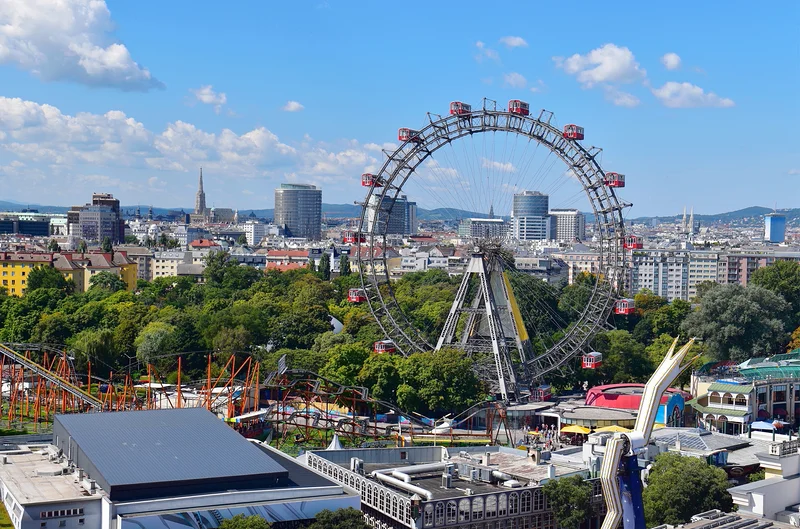
To relax, the Prater is a vast public park home to the famous Ferris wheel built in 1897. The Stadtpark appeals with its golden statue of Johann Strauss and shaded pathways along the Wien river.

Wine, vineyards, and Heurige: the Vienna guidebooks forget

This is perhaps the most surprising aspect of the city. Vienna has about 700 hectares of vineyards within its city limits. Few capitals in the world can say the same. The star grape, Gemischter Satz, is a blend of varieties grown together in the same plot.

The Heurige, traditional wine taverns where the vintner serves their own wine accompanied by charcuterie and cheese boards, are a Viennese institution. The neighborhoods of Grinzing, Neustift am Walde, and Nussdorf hold the best addresses, all accessible by tram from the center in under 30 minutes.

Pro tip: Avoid the best-known Heurige in Grinzing on weekends, as they are often overrun by tour groups. Prefer Neustift am Walde on a weeknight, where the atmosphere is much more local. Bus 35A from Heiligenstadt takes you directly there.

We say this frankly: this is the experience we recommend most in Vienna. An autumn evening in a Heurige, a glass of Gruner Veltliner in hand, with hills covered in vines in the background is the memory you will take back from this city.

Where to eat and drink in Vienna?

Viennese cuisine is straightforward, generous, and unapologetic about calories. The Wiener Schnitzel, a breaded and golden-fried veal cutlet, remains the king of dishes. The version at Figlmüller on Wollzeile hangs well off the plate. On the sweet side, the century-old war between Hotel Sacher and Demel for the best Sachertorte continues to spark debate.

Don't miss the Apfelstrudel, an apple pastry best enjoyed in one of the city's historic cafes. The Kaffeehaus culture has been a UNESCO Intangible Cultural Heritage since 2011. Café Central and Café Sperl are the most iconic, but also the most crowded.

Pro tip: For the Viennese cafe experience without the line, try Café Jelinek in the 6th district or Kleines Café near Stephansplatz. Order a Melange, the local equivalent of a cappuccino, served on a silver tray.

The Naschmarkt and local markets

The Naschmarkt, over a kilometer long, is the largest food market in the city. You will find spices, cheeses, smoked fish, and street food stands from all over the world. Be careful though, as prices are higher than in supermarkets. For everyday shopping, the Hofer and Billa chains offer much better value. The Brunnenmarkt in the 16th district is more popular and less touristy.

Where to sleep in Vienna and its surroundings?

The 1st district, Innere Stadt, is the most convenient choice but also the most expensive. For better value, districts 2 through 9 offer excellent transport connections and much lower rates. The Neubau and Mariahilf neighborhoods are particularly recommended for their local life and proximity to the center.

Hostel lovers will find safe bets like Wombat's City Hostel near the Naschmarkt or the Hostel Ruthensteiner, known for its friendly atmosphere. As for mid-range hotels, the area around the main railway station and the MuseumsQuartier holds good options without breaking the bank.

How to get to Vienna?

Vienna-Schwechat International Airport is 18 km southeast of the city. The S-Bahn S7 reaches Wien Mitte in 25 minutes for about 4.40 € (about $5). The CAT, which is faster but more expensive, takes 16 minutes. A taxi costs around 30 € (about $33).

From the rest of Europe

Numerous airlines connect major European cities to Vienna in about 2 hours. Low-cost flights often show attractive rates. The Hauptbahnhof, Vienna's central station, is also a major rail hub: you can reach Munich in 4 hours, Prague in 4 hours, Budapest in 2.5 hours, and Bratislava in barely 1 hour by regional train.

A smart alternative: if flights to Vienna are too expensive, check rates for Bratislava. The Slovak capital is just an hour away from Vienna, and airfares there are often more competitive.

How to get around Vienna?

Vienna is very walkable, especially in the center. For longer distances, the subway, tram, and bus network is fast, clean, and punctual. A single ticket costs 2.40 € (about $2.60), a 24-hour pass is 8 € (about $9), and a weekly pass is 17.10 € (about $19). The WienMobil app centralizes ticket purchases and routes.

A car is unnecessary in the city, and parking is paid in almost all central districts. Uber operates in Vienna, and official taxis are reliable. Expect to pay 10 € to 15 € (about $11-$16) for a ride within the city center.

When to go?

The best times are spring, from April to June, when the gardens bloom and the weather is pleasant, and early autumn, in September and October, which is ideal for the grape harvest in the Heurige and parks with vibrant colors. Summer brings warmth and outdoor festivals, but also crowds.

The Viennese winter is cold, sometimes harsh, but the Christmas markets and the concert season at the Opera and the Musikverein make it a magical time for culture lovers. Avoid January and February if you dislike the cold, as temperatures regularly drop below freezing.
Find the best deals to travel to Vienna

Activities and guided tours Hotels and stays Flights Custom trips

When to visit Vienna?

The most favorable period to discover Vienna covers:

March April May June July August November

Favorable months also include:

February September

Check the details below to fine-tune your choice based on your preferences!

Climate and atmosphere in Vienna month by month

January Less Favorable

Temperatures
-3°C to 3°C
Sunshine
1.9h / day
Rainy days
7 days
Rainfall
37 mm

The imperial city is quiet and the ball season is in full swing, offering a unique experience. Take advantage of outdoor ice rinks like the Wiener Eistraum in front of the City Hall. The cold is the perfect excuse to duck into the cozy atmosphere of a traditional Viennese café.

February Less Favorable

Temperatures
-2°C to 5°C
Sunshine
2.9h / day
Rainy days
7 days
Rainfall
39 mm

The ball season reaches its peak with the famous Opera Ball. Museums are much less crowded, allowing you to admire the works of Klimt in total peace. It is the perfect time to experience the Kaffeehaus culture, a true local institution.

March Favorable

Temperatures
1°C to 10°C
Sunshine
4.2h / day
Rainy days
8 days
Rainfall
46 mm

Spring arrives slowly in Vienna, and the first Easter markets open their stalls, most notably at Schönbrunn Palace. The city wakes up as the first mild days appear. It is a pleasant time for a walk through the <strong>Belvedere gardens</strong> before the summer crowds arrive.

April Very Favorable

Temperatures
5°C to 16°C
Sunshine
5.8h / day
Rainy days
7 days
Rainfall
51 mm

The city is in full bloom, providing a backdrop for your tours of the imperial palaces. This is the peak season for Easter markets. The weather is ideal for a walk through the <strong>Prater</strong> and a ride on its iconic Ferris wheel for a clear view of the city.

May Very Favorable

Temperatures
9°C to 21°C
Sunshine
7.1h / day
Rainy days
8 days
Rainfall
64 mm

The prestigious <strong>Wiener Festwochen</strong> festival energizes the city's cultural scene with theater, opera, and concerts. The weather is perfect for an outing to the <strong>Heurigen</strong>, the wine taverns in the surrounding vineyards. You can enjoy the local wine there in a relaxed, friendly atmosphere.

June Very Favorable

Temperatures
13°C to 24°C
Sunshine
7.8h / day
Rainy days
9 days
Rainfall
74 mm

The city hits its stride with the Donauinselfest, the largest free outdoor music festival in Europe. Long, sunny days make it the perfect time to hang out along the banks of the Danube. The energy in the city is at its peak, feeling bright and fully into summer.

July Very Favorable

Temperatures
15°C to 26°C
Sunshine
8.1h / day
Rainy days
9 days
Rainfall
68 mm

Summer evenings here are special, especially during the music film festival at the Rathausplatz, where you can grab dinner outdoors. When you need to cool off, head to the Alte Donau for a swim. It is an unexpected side of the city that locals love.

August Very Favorable

Temperatures
14°C to 26°C
Sunshine
7.6h / day
Rainy days
8 days
Rainfall
58 mm

The city moves at a relaxed summer pace. The MuseumsQuartier turns its courtyards into a massive outdoor living room. Take advantage of the warm weather to catch a performance at the <strong>Spanish Riding School</strong>, where the horses return to the ring following their summer break.

September Very Favorable

Temperatures
11°C to 21°C
Sunshine
5.9h / day
Rainy days
7 days
Rainfall
54 mm

The fall light makes the city look incredible, and the opera and concert season kicks off with a flourish. This is the month for the Weinwandertag, a day of hiking through the city vineyards. The weather is often mild and sunny, which is perfect for exploring.

October Favorable

Temperatures
6°C to 15°C
Sunshine
3.8h / day
Rainy days
7 days
Rainfall
44 mm

The city turns shades of gold, which look especially good in the gardens at Schönbrunn Palace or the Lainzer Tiergarten. The Long Night of Museums lets you explore the city's cultural side from a different perspective. The air is crisp, making it perfect for walking tours.

November Less Favorable

Temperatures
2°C to 8°C
Sunshine
2.1h / day
Rainy days
8 days
Rainfall
50 mm

The atmosphere turns more intimate before the holiday rush kicks in. By the end of the month, the first Christmas markets open, bringing a touch of warmth and light to the city. It is the perfect time for classical music concerts in the local churches.

December Very Favorable

Temperatures
-1°C to 4°C
Sunshine
1.6h / day
Rainy days
8 days
Rainfall
44 mm

The city turns into a storybook setting with Christmas markets that rank among the best in Europe. Soak in the scents of mulled wine and gingerbread. For a more local feel, skip the main squares and explore markets in neighborhoods like <strong>Spittelberg</strong>.

Weather charts for Vienna

Flight prices to Vienna, month by month

Tip: click the filter icon below to choose your departure city and trip duration.

Top photos posted by members

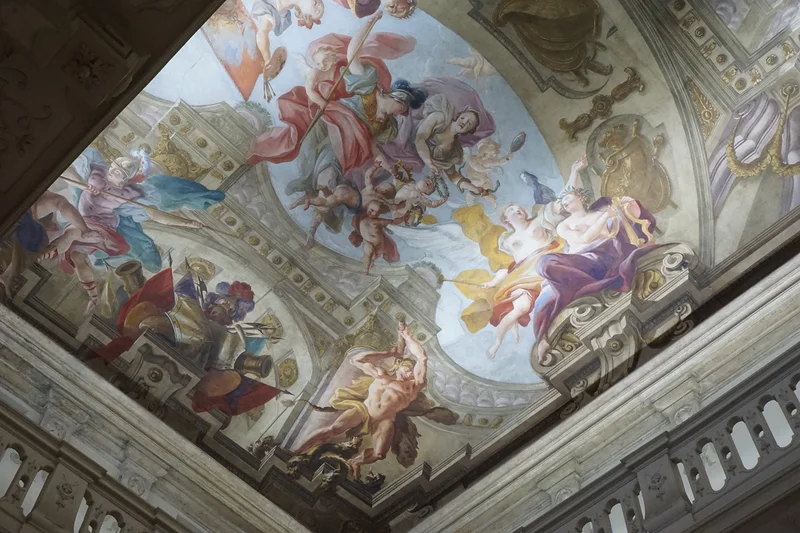
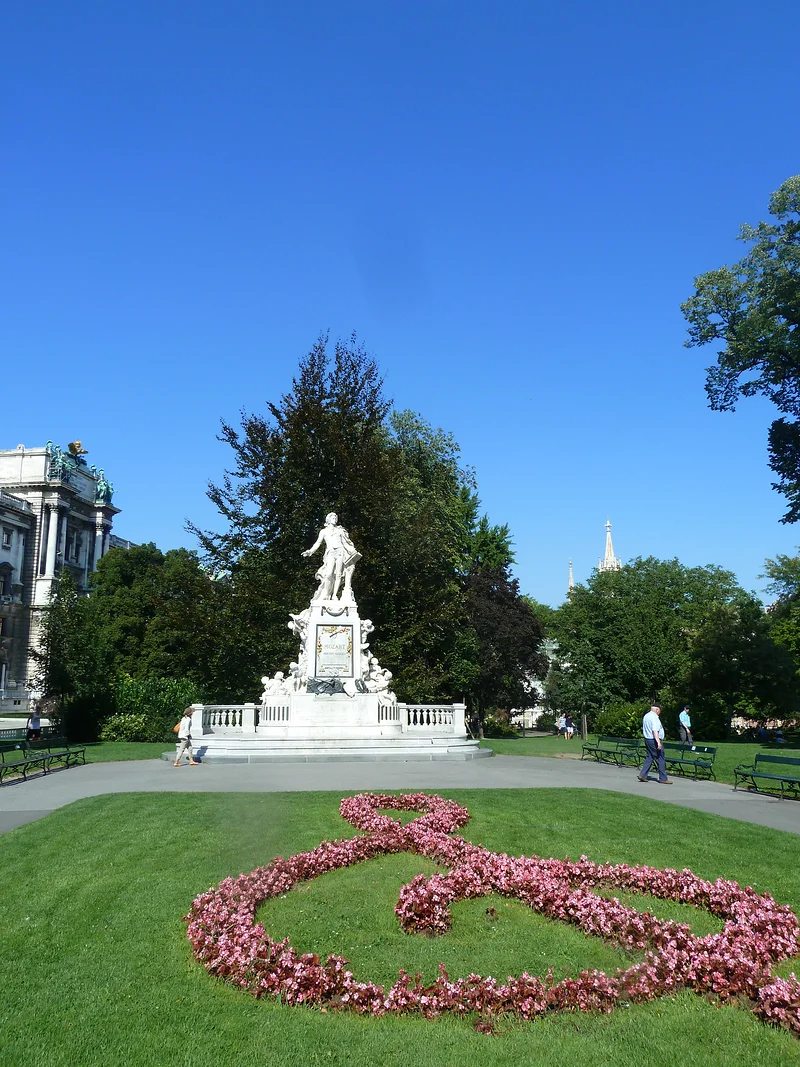
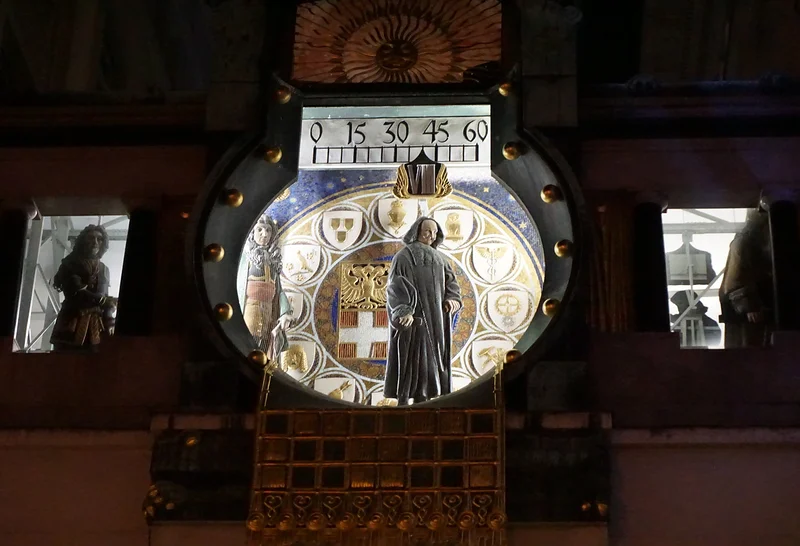
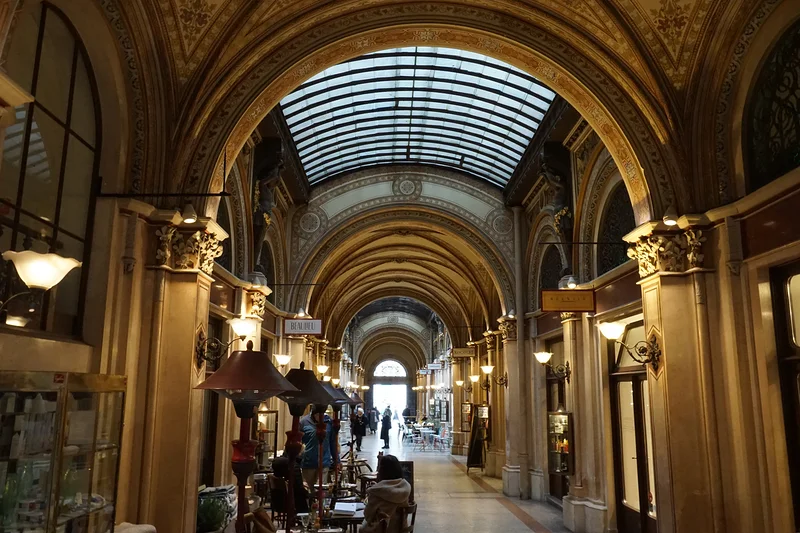
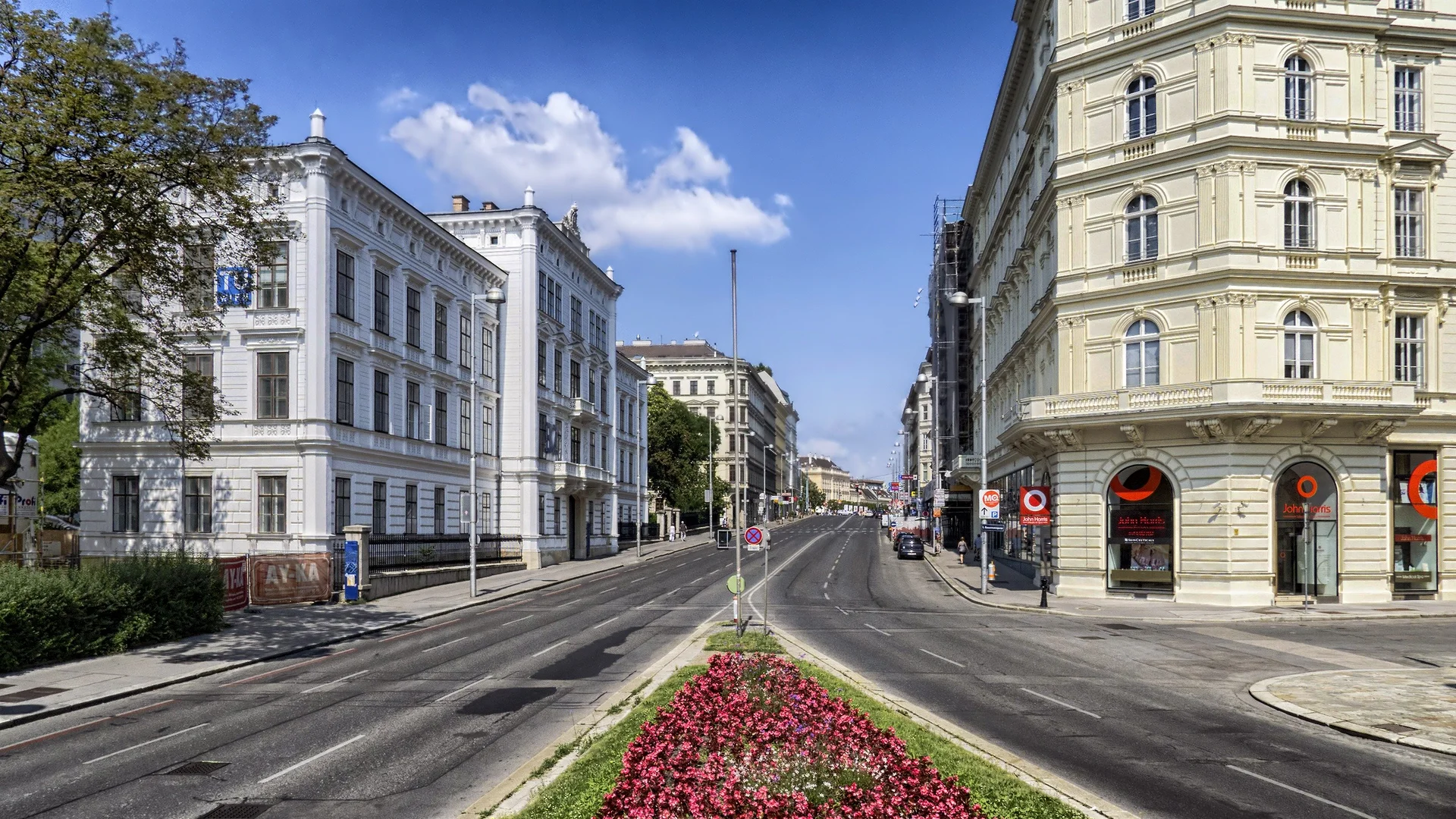
Rues de Vienne
Belvédère à Vienne
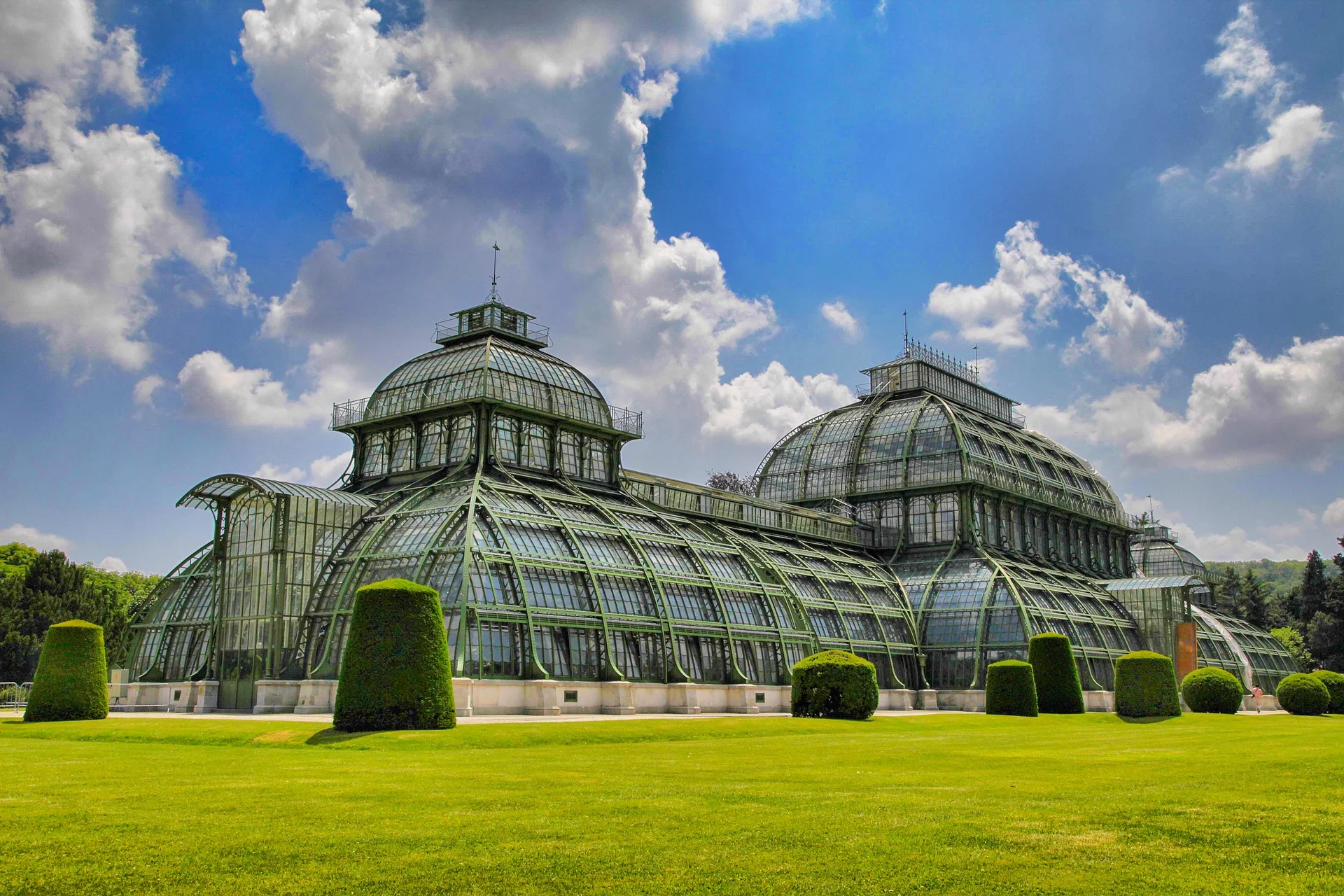
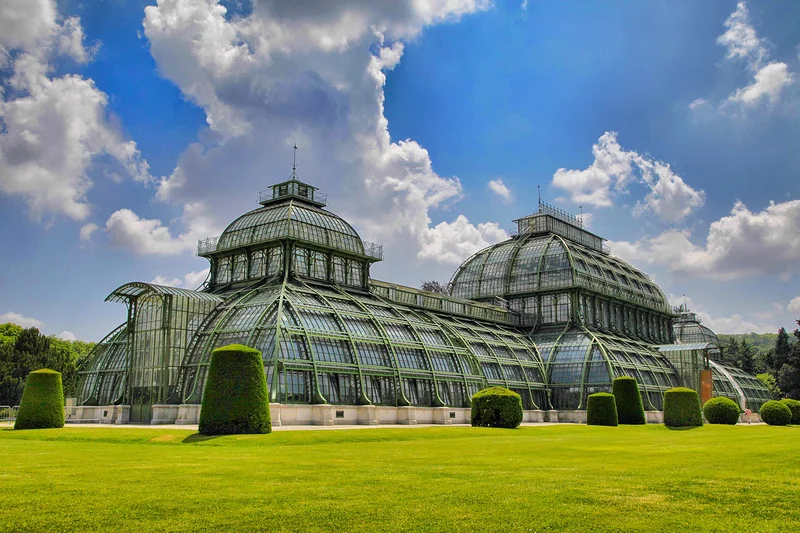
Serres de schönbrunn

Traveler reviews on Vienna

Write a review

Reviews summary

On the city

7 reviews
+28
recos
  • Overall 4.9/5
  • Family 4.4/5
  • Couple 5/5
  • Friends 4.9/5

On the attractions

104 reviews
+274
recos
  • Museums +97
  • Castles and palaces +58
  • Churches and cathedrals +43
  • Opera houses +31

Totally charmed

I was really charmed by my visit to Vienna even though I only stayed for a few days. The culture is everywhere. If you like museums and monuments, then definitely go. The architecture is superb and well preserved. Vienna is a very clean city for a European capital, which was a pleasant surprise.

6
Recommends :
Overall rating :
With family :
As a couple :
With friends :

A city of arts with romantic charm

Perfect for a relaxing getaway, Vienna is a magnificent city. I loved getting lost in its countless museums, pedestrian streets, and green spaces. A natural tranquility radiates from the city, thanks to the passing horse-drawn carriages and the famous Viennese cafes where I spent hours enjoying hot chocolates and succulent pastries. The sumptuous halls of the Musikverein and the Opera also offered me unforgettable musical experiences. In December, the markets create a magical Christmas atmosphere. A small downside, there are a lot of tourists.

6
Recommends :
Overall rating :
With family :
As a couple :
With friends :

Imperial past really well showcased

As the former capital of an empire that held territories in every corner of Europe, Vienna benefits from an immense historical, architectural, and artistic heritage inherited from that era. A must-see.
Same thing with the greatest classical music composers who performed here, Mozart and Beethoven to name the most famous ones. You can listen to orchestras playing the great classics in various places, the national opera of course, but also in theaters, churches...
Contrary to other comments I read here, I did not find the Austrians particularly welcoming. Many were rushed, stressed, not smiling, not polite... not all of them of course.

6
Recommends :
Overall rating :
With family :
As a couple :
With friends :

The capital of baroque architecture?

Do you love Baroque architecture? You are going to love visiting Vienna, its palaces, and its churches. Take your time to hunt down all the little details sculpted into the facades, painted in the vaults, or on the walls.
Must do: the Belvedere museum, St. Charles Church, and Schönbrunn obviously

5
Recommends :
Overall rating :
With family :
As a couple :
With friends :

Very well-preserved imperial past

Vienna is a former imperial capital that has managed to preserve and highlight the splendor of its past while opening itself up to the modern era.
Whether it is the palaces, museums, churches and cathedrals, opera houses, or tree-lined avenues, everything there is majestic.

Must see

4
Recommends :
Overall rating :
With family :
As a couple :
With friends :

Stunning!

Very pretty city filled with castles, palaces, and museums. Very beautiful collections, whether at the Belvedere or in the MuseumQuartier (the Leopold Museum is my favorite!!!). There is a lovely cathedral in the city center and it is pleasant to walk around. The State Hall (library) is very impressive and offers an exhibition on Emperor Franz Joseph. A very cultural and interesting city.

4
Recommends :
Overall rating :
With family :
As a couple :
With friends :

Order and cleanliness

I was really surprised when I visited Vienna. It looks like a model city. It is pretty, it is clean, and the Austrians are very welcoming.

6
Recommends :
Overall rating :
With family :
As a couple :
With friends :

You've seen every review.

More cities to visit from Vienna