
Schönbrunn Palace, the Habsburg Versailles Where Mozart Still Echoes
A six-year-old child plays the harpsichord in the Hall of Mirrors. The imperial court holds its breath. The year is 1762, and the young Mozart has just given his first concert before Empress Maria Theresa. This 1,441-room palace has seen emperors born, hosted Napoleon as his headquarters, and served as the backdrop for the tragic destiny of Sisi.
Three centuries of European history concentrated between yellow-ochre walls and gardens stretching as far as the eye can see.
Why Visit Schönbrunn Palace?
Serving as the summer residence of the Habsburgs since 1696, this Rococo palace earned Unesco World Heritage status in 1996 and surpasses many European royal residences in scale and opulence. Emperor Franz Joseph was born here in 1830 and drew his last breath here 86 years later. Decisions that shaped Europe were made within these very walls between waltzes and court intrigues.
The estate spans 160 hectares. Forty rooms are open to the public, each bearing witness to the imperial taste for gilding, Bohemian crystal chandeliers, and oriental lacquerwork. The gardens, open to the public free of charge since 1779, offer fountains, geometric vistas, and a hill crowned by the Gloriette.
Rooms That Tell the Empire's Story
The Million Room and the Chinese Cabinets
The rosewood paneling of the Million Room ranks among the most precious in Europe. Maria Theresa had Persian and Indian miniatures set into gold frames of rare finesse here. The adjoining Chinese cabinets, with their black lacquer and painted silk panels, reveal the era's fascination with the Orient. Visitors catch glimpses of these rooms through glass doors on the standard tour.
The Old Lacquer Room and the Memory of a Lost Love
This intimate room strikes visitors with its melancholic atmosphere. Maria Theresa had it redecorated after the death of her husband in 1765 to honor his memory. The dark-toned Asian lacquer panels and family portraits create a striking contrast with the opulence of the other chambers. Many visitors rush through, hurrying toward the Great Gallery. Yet this stands as one of the most moving rooms in the palace.
The Great Gallery and Franz Joseph's Apartments
Spanning 40 meters in length, this fresco-ceilinged ballroom hosted the Congress of Vienna in 1814-1815. The contrast with Franz Joseph's bedroom is striking: a narrow iron bed in one corner, an austere prie-dieu nearby. The emperor worked from four in the morning and slept alone, devoted to his empire just as much as to his Sisi, who fled the court whenever she could.
Friendly tip: Arrive right at 8:30 AM when doors open and enter through the Hietzinger gate instead of the main entrance. Tour groups arrive around 10:30 AM, making the magnificent gallery difficult to navigate. Tuesdays and Wednesdays are the quietest days.
The Gardens and the Climb to the Gloriette
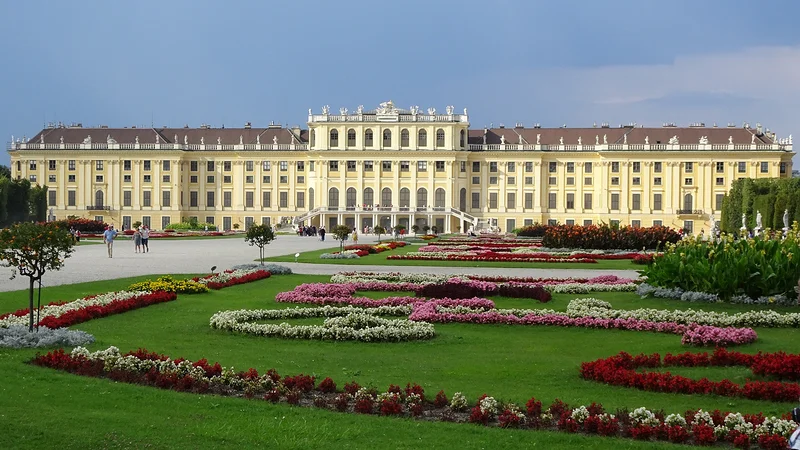
The park opens at 6:30 AM, well before the palace. The lime tree alleys, the geometric parterres of the Grand Parterre, and the Neptune Fountain reward morning exploration when the low light casts long shadows across the sculptures. The Roman ruins and the obelisk, built in the 18th century as decorative follies, catch visitors by surprise around the grove corners.
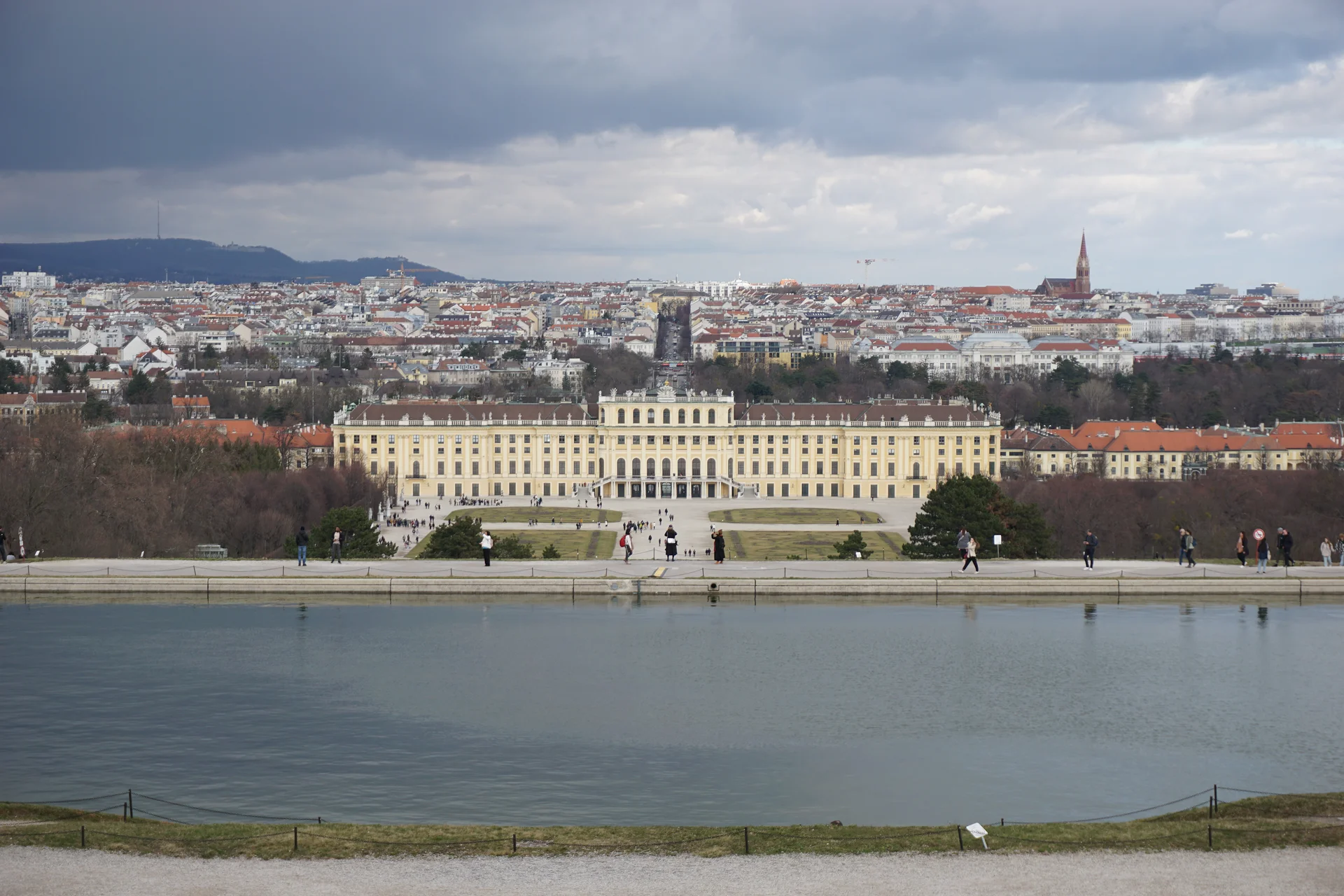
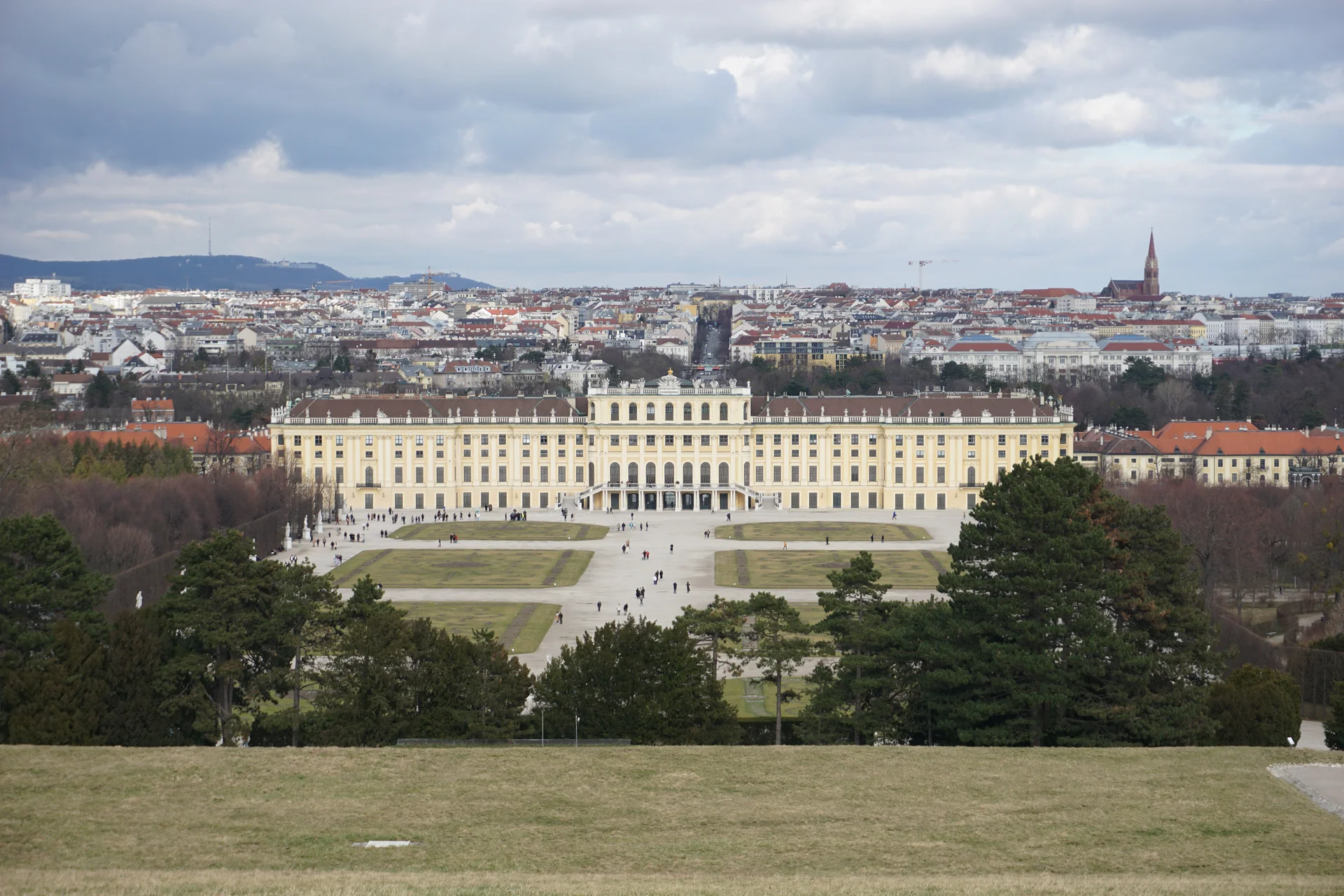
The climb toward the Gloriette takes about fifteen minutes. Erected in 1775 to celebrate a military victory by Maria Theresa, this neoclassical colonnade offers sweeping views over the palace, the flower parterres, and the rooftops of Vienna in the distance. The cafe set inside the central arcade serves the Sisitorte, an almond and orange cake created to honor the empress.
Not to be missed in the park:
- The maze and its adjacent playground
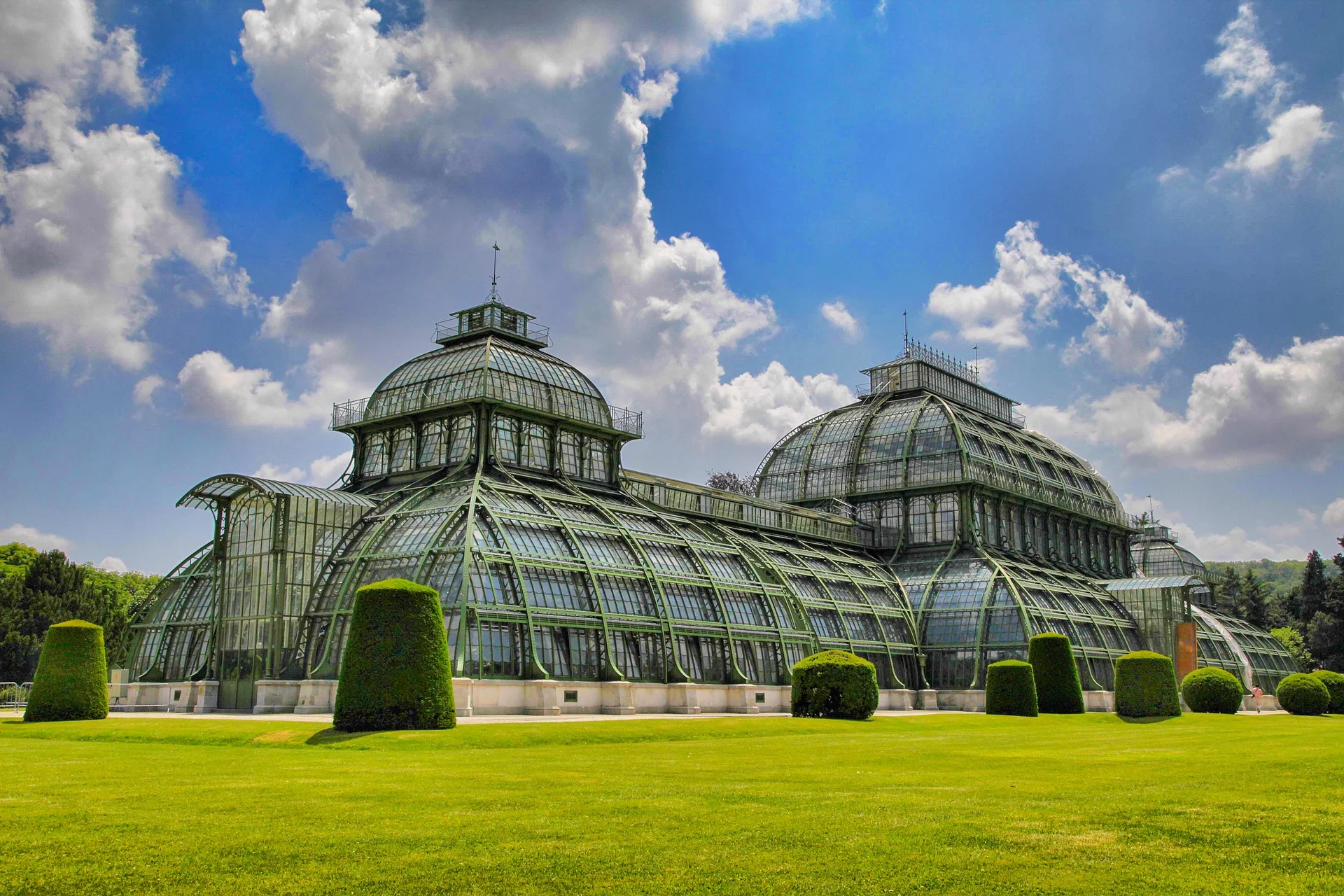
- The Palmenhaus, a monumental Victorian iron-and-glass greenhouse
- The Schönbrunn Zoo, founded in 1752, the oldest operating zoo in the world
- The Crown Prince Garden, accessible via a separate ticket, featuring French-style parterres
Complementary Experiences
The Imperial Carriage Museum, housed in the former stables, displays the vehicles that transported Sisi and European dignitaries. The coronation carriage, covered in gold leaf, impresses with its sheer scale. The Marionette Theatre, located in the left wing of the palace, keeps an 18th-century tradition alive with performances of Mozart's The Magic Flute. In the evening, the Orangery hosts classical concerts where works by Mozart and Strauss echo in the exact setting where the composers once performed.
Opening hours
- November to March: 8:30 AM to 5:00 PM
- April to June and September to October: 8:30 AM to 5:30 PM
- July and August: 8:30 AM to 6:30 PM
Last entry is 45 min before closing.
Palace grounds: open daily starting at 6:30 AM, with closing times varying by season (5:30 PM in winter, 9:00 PM in summer).
*Information subject to change

Ils exposent des caresses !!!?