
Visiting Salzburg, the Baroque City Still Echoing with Mozart's Notes
Three green-crowned hills rise above pastel-colored rooftops, while the Salzach river winds between facades adorned with wrought iron. You are in a city where every cobblestone alley seems to hold the echoes of a waltz, where the scent of praline chocolate mixes with old breweries, and where Italian Baroque found a home right in the middle of the Alps.
Welcome to the fourth largest city in Austria, a place that owes its fortune to salt and its glory to a child prodigy born in 1756.
A Destination for Romantics and Music Lovers, Less So for Solitude Seekers
The old town of this UNESCO World Heritage site overflows with visitors during high season. If you want authenticity away from the crowds, aim for October or February. But if you love jaw-dropping Baroque architecture, classical music, and a fairytale vibe in winter, you are in the right spot.
On the budget side, expect around $90-$113* a day when staying in a decent hotel. The good news is that the historic center is entirely walkable, and the Salzburg Card (starting at $39* for 24 hours) includes transit and entry to the major sights. A car is only needed if you plan to explore the surrounding lakes or the Salzkammergut region.
Exploring Salzburg and Its Surroundings
Diving into the Princely Past
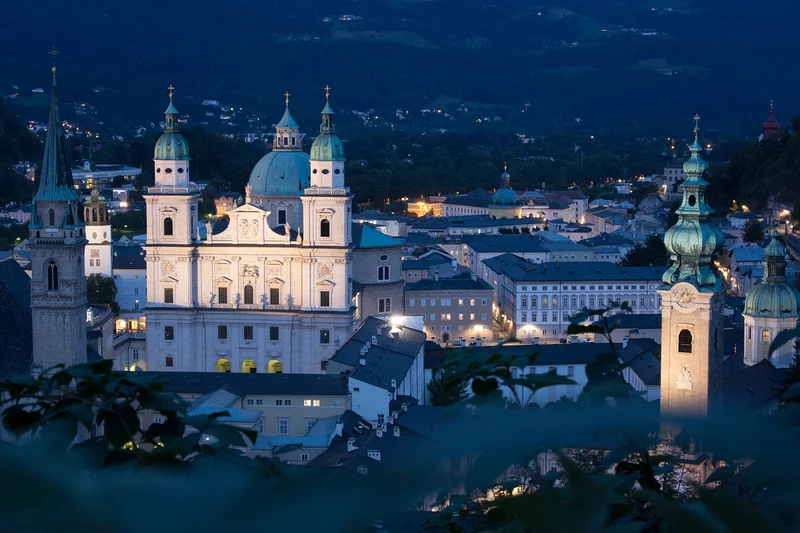
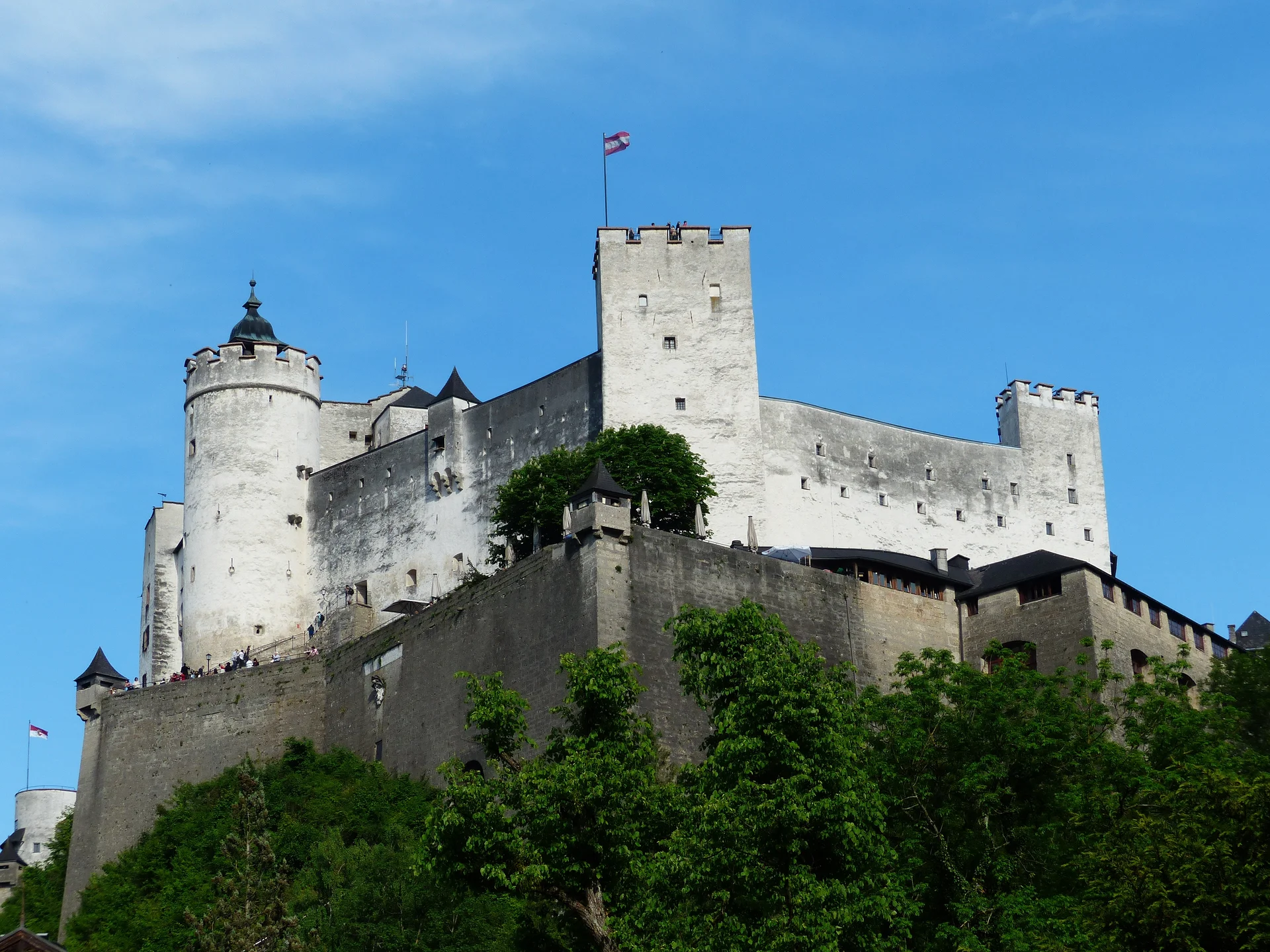
You cannot miss the Hohensalzburg Fortress, which has towered over the city since 1077. Accessible by funicular from Festungsgasse, it ranks among the largest medieval fortresses in Europe. Inside, the armory and the Golden Hall are worth a look, but the real prize remains the panoramic view of the Alps and the old town rooftops.
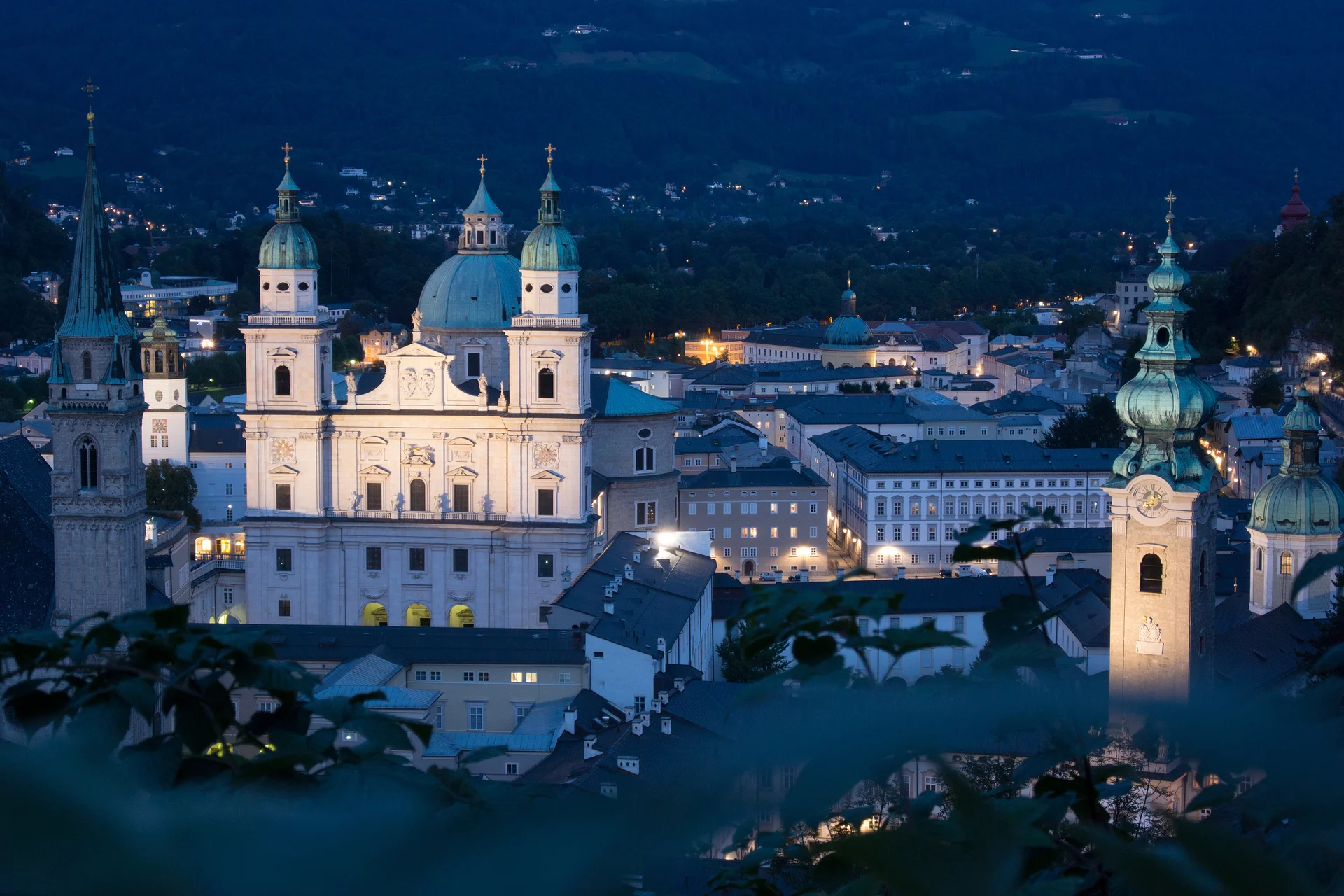
At the foot of the fortress, the DomQuartier groups five museums around the magnificent Saint Rupert's Cathedral with its imposing dome. The complex offers a fascinating walk through European paintings, religious art, and princely apartments. Do not miss the rooftop terrace overlooking Domplatz.
The Residency, where the prince-archbishops once ruled, displays its Baroque splendor in the heart of the city. Right next door, the Glockenspiel and its 35 bells play Mozart tunes three times a day.
Friendly tip: Visit the fortress early in the morning before the tour buses arrive, or late in the afternoon when the golden light sets the Alps ablaze.
Following in the Footsteps of Mozart and the Baroque
Getreidegasse, the main shopping street, captivates visitors with its wrought-iron guild signs and vaulted passageways. At number 9, Mozart's Birthplace, now a museum, traces the composer's childhood through instruments, scores, and personal items. The atmosphere stays intimate despite the crowds.
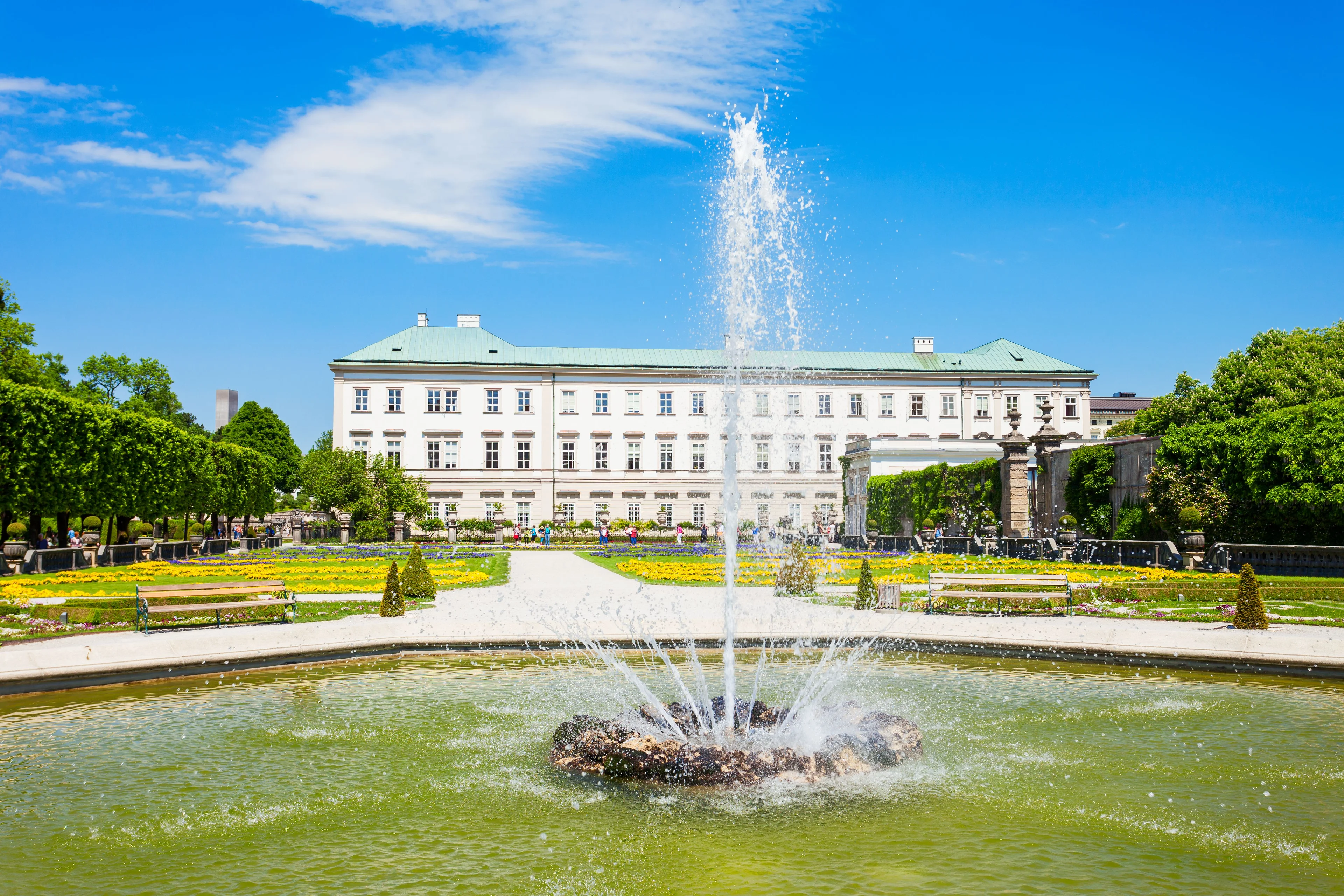
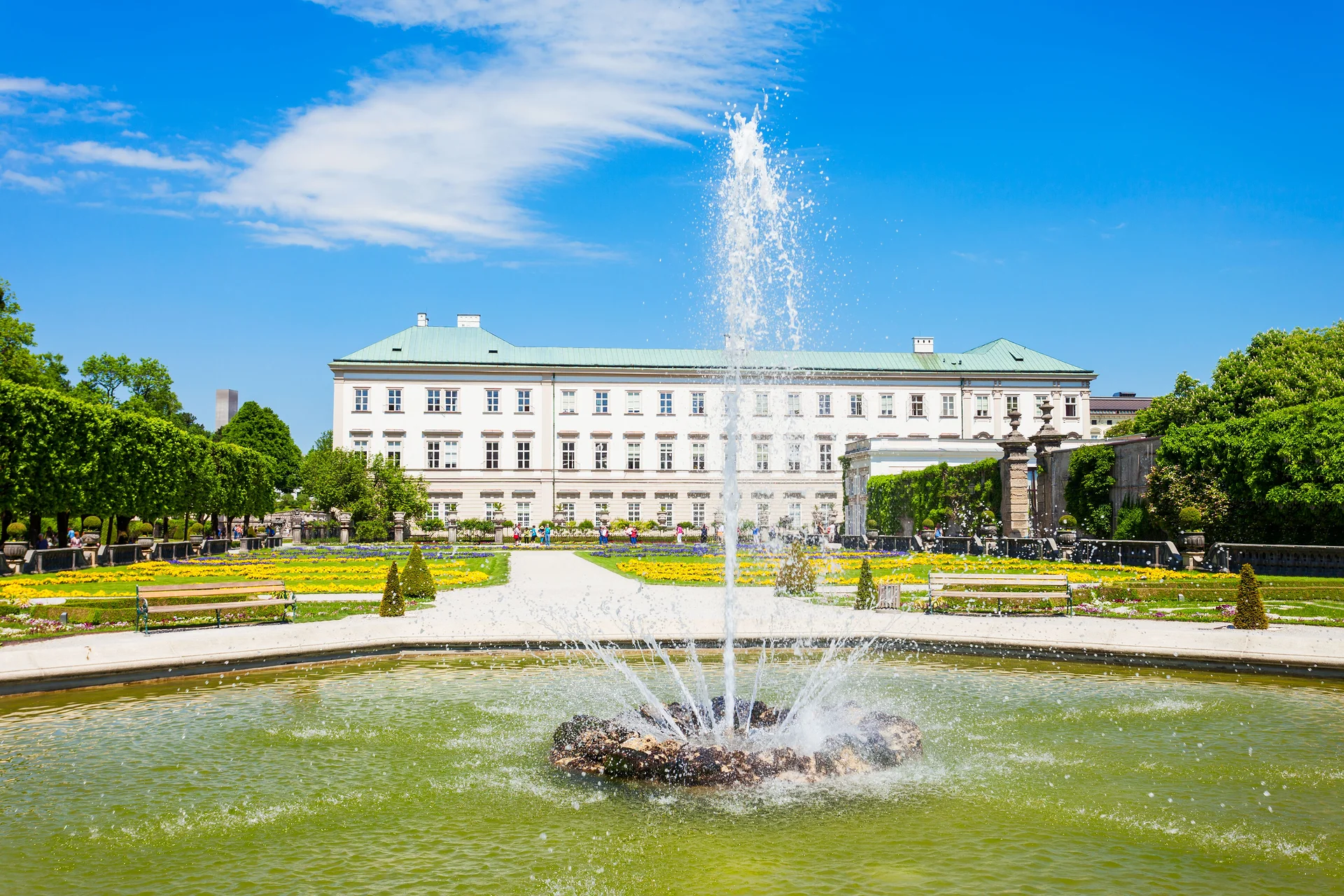
On the other side of the river, the Mirabell Palace and its enchanting gardens offer a romantic setting with an unobstructed view of the fortress. Built in 1606 and recast in Baroque style in the 18th century, it stands as one of the city's jewels. The Marble Hall regularly hosts concerts in a lavish setting.
Saint Peter's Abbey, founded in 696, remains one of the oldest active monasteries in Europe. Its romantic cemetery, surrounded by arcades, evokes a timeless atmosphere. Not far from there, Nonnberg Abbey served as a filming location for the famous film The Sound of Music, shot in the area in 1964 and released the following year.
Friendly tip: Stroll down Getreidegasse very early in the morning to enjoy the magic of the place without the masses. Take time to look up at the traditional storefront signs.
Escaping to the Gardens and Heights
A few miles south, Hellbrunn Palace surprises visitors with its ingenious 17th-century trick fountains. The prince-archbishop who commissioned it loved playing pranks on guests with hidden water jets operated by an elaborate hydraulic system. The vast park also houses the Salzburg Zoo, which is great for families.
To escape the hustle, climb up the Kapuzinerberg (640 meters), accessible from Steingasse or Linzergasse. The climb rewards you with a spectacular view of the Baroque rooftops and the surrounding mountains. Less crowded than the fortress, it makes an ideal spot to watch the sunset.
Biking enthusiasts will appreciate the 180 kilometers of bike paths crisscrossing the city and its outskirts, especially along the Salzach river facing the Untersberg.
Friendly tip: Book your ticket for Hellbrunn online to skip the lines, especially in the summer. Plan on getting wet during the trick fountain tour.
Vibrating to the Rhythm of Festivals and Living Culture
From late July to late August, the city turns into a giant stage during the Salzburg Festival, one of the most prestigious opera and classical music festivals in the world. Operas, concerts, and theatrical performances take over historic halls and public squares, with some shows broadcast for free on a giant screen at Kapitelplatz.
In January, the Mozart Week draws music lovers with concerts and recitals. In October, the Jazz & The City festival fills churches and wine cellars with more contemporary sounds. As for Hangar-7, this futuristic space near the airport houses Red Bull's historic aircraft collection and the Michelin-starred restaurant Ikarus.
Friendly tip: Even without a festival ticket, catch the free concerts on Kapitelplatz or enjoy open rehearsals in select venues. The atmosphere is worth it.
Where to Eat and Drink in Salzburg?
Salzburg gastronomy combines alpine tradition with Bavarian and Italian influences. The undisputed star is the Salzburger Nockerl, a sweet soufflé representing the city's three hills (Mönchsberg, Kapuzinerberg, Gaisberg). Served piping hot and dusted with powdered sugar, this airy dessert is enjoyed in historic spots like Bärenwirt (dating back to 1663) or St. Peter Stiftskulinarium, considered one of the oldest restaurants in Central Europe.
Another foodie icon is the Mozartkugel, those pralines with marzipan and chocolate created in 1890. To try the authentic handmade original, head to Café Konditorei Fürst. On the savory side, try the Schnitzel (breaded cutlet) or Knödel (dumplings) accompanied by a local Stiegl beer, brewed since 1492.
Augustiner Bräu, Austria's largest beer garden, offers an authentic experience with its long communal tables under the horse chestnut trees. For contemporary fine dining, the Esszimmer restaurant or Ikarus at Hangar-7 cater to demanding palates.
How to Get to and Around Salzburg?
From North America you connect through Frankfurt, Munich, or Vienna into W. A. Mozart Airport; landing in Munich instead puts you 90 minutes from Salzburg by train. Expect $4.50* to reach the center by bus (line 2 or 27) in 20 minutes, or $23-$29* by taxi. From Vienna, the direct train takes 2h30, and from Munich only 1h30. Buses also connect Innsbruck, Graz, and Linz.
Once you arrive, the compact historic center is best explored on foot. The Obusse urban bus network efficiently serves outer neighborhoods and sites like Hellbrunn. The Salzburg Card includes unlimited public transit and remains the most budget-friendly option for visitors.
Parking a car in the center is a headache and costs a lot ($17-$23* per day). Contipark lots on the outskirts with shuttle service to the center are more practical. Biking is a great alternative thanks to the extensive bike paths along the Salzach river.
When to go?
Every season has its charm. Summer (July-August) draws crowds for the music festival, but the heat can be heavy and prices skyrocket. Spring (April-May) and autumn (September-October) combine pleasant weather, moderate crowds, and colorful gardens.
Winter turns the city into a storybook setting with its five Christmas markets scattered across the historic center from November 20 to January 6, including the spectacular Christkindlmarkt on Domplatz. The snow-capped Alps in the background and the festive vibe easily make up for the cold. What to avoid: mid-August during the peak festival crowds, unless you came specifically for the concerts.
I loved the very romantic atmosphere of the streets in Salzburg, where the architecture is so well preserved. Personally, I would recommend visiting the Mozart Geburtshaus (Mozart's birthplace). The tour is very interesting, and I find it fascinating to step into the private life of a historical figure as famous as he is :)