Exploring Türkiye: Millennia of Heritage and a Country of Contrasts
Straddling Europe and Asia, Türkiye draws travelers looking for sharp contrasts. Combining ancient ruins, varied landscapes, and high-energy cities, the country pulls in both history buffs and outdoor enthusiasts. From the Aegean coast to the interior of Anatolia, a trip here changes the scenery completely.
Istanbul: Imperial Past and Contemporary Energy
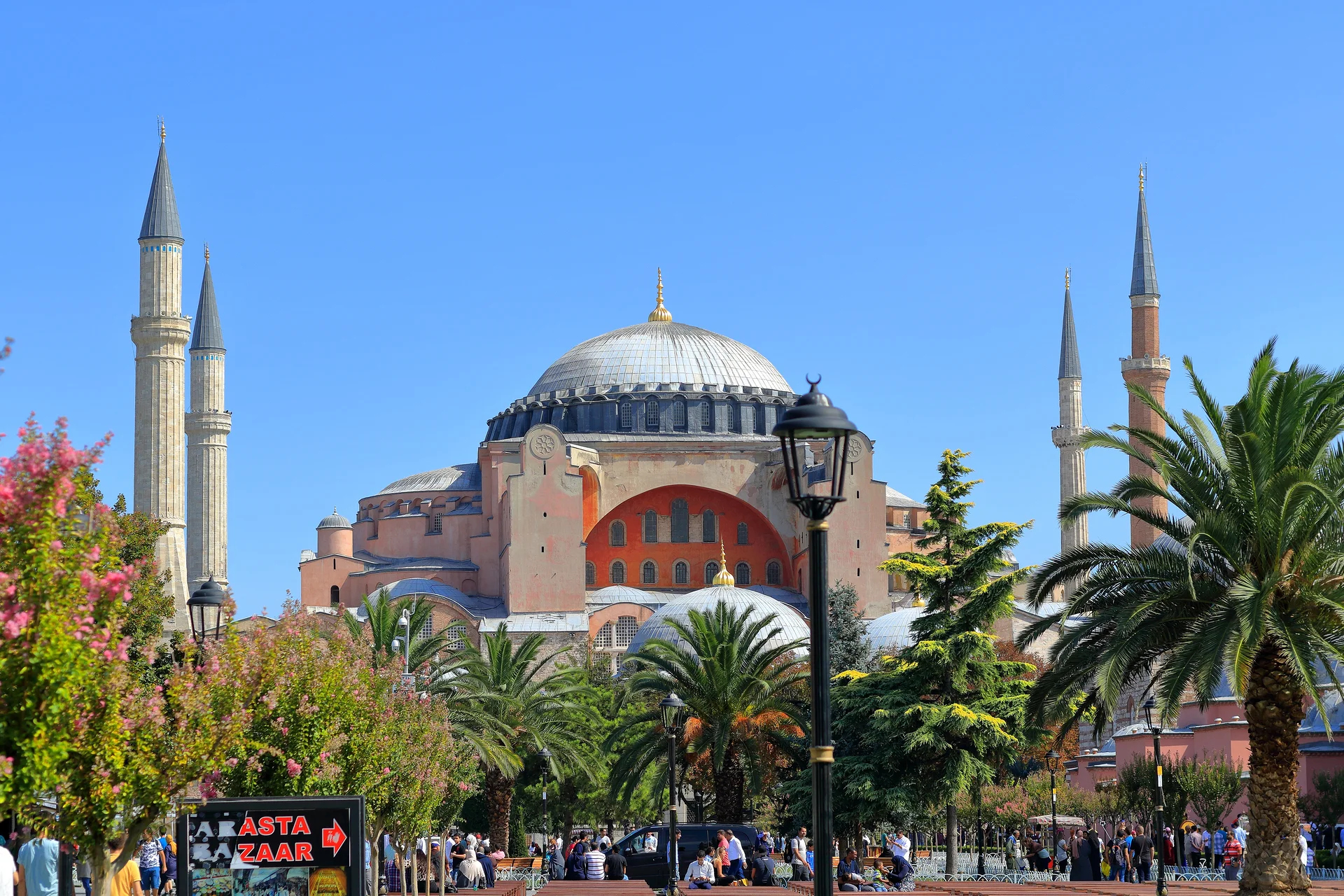
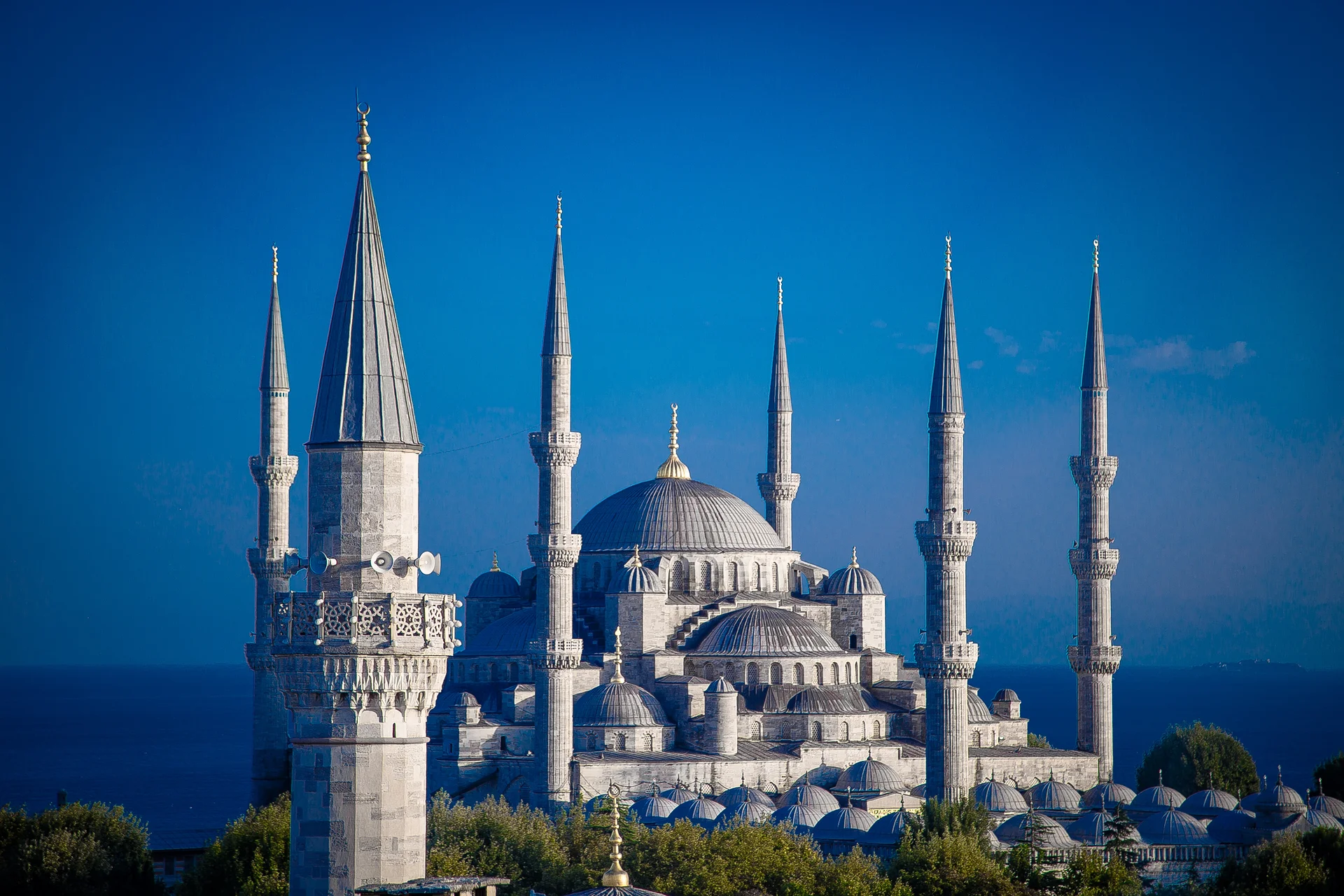
Once Byzantium and then Constantinople, Istanbul is a major crossroads where majestic mosques, Ottoman palaces, and modern skyscrapers sit side by side. Walking through the Sultanahmet neighborhood puts you right next to the Blue Mosque, the Hagia Sophia, and Topkapi Palace. A bit further out, the shores of the Bosphorus show off a different side of the city, mixing trendy districts with old Ottoman seaside villas.
Cappadocia: A Landscape of Fairy Chimneys
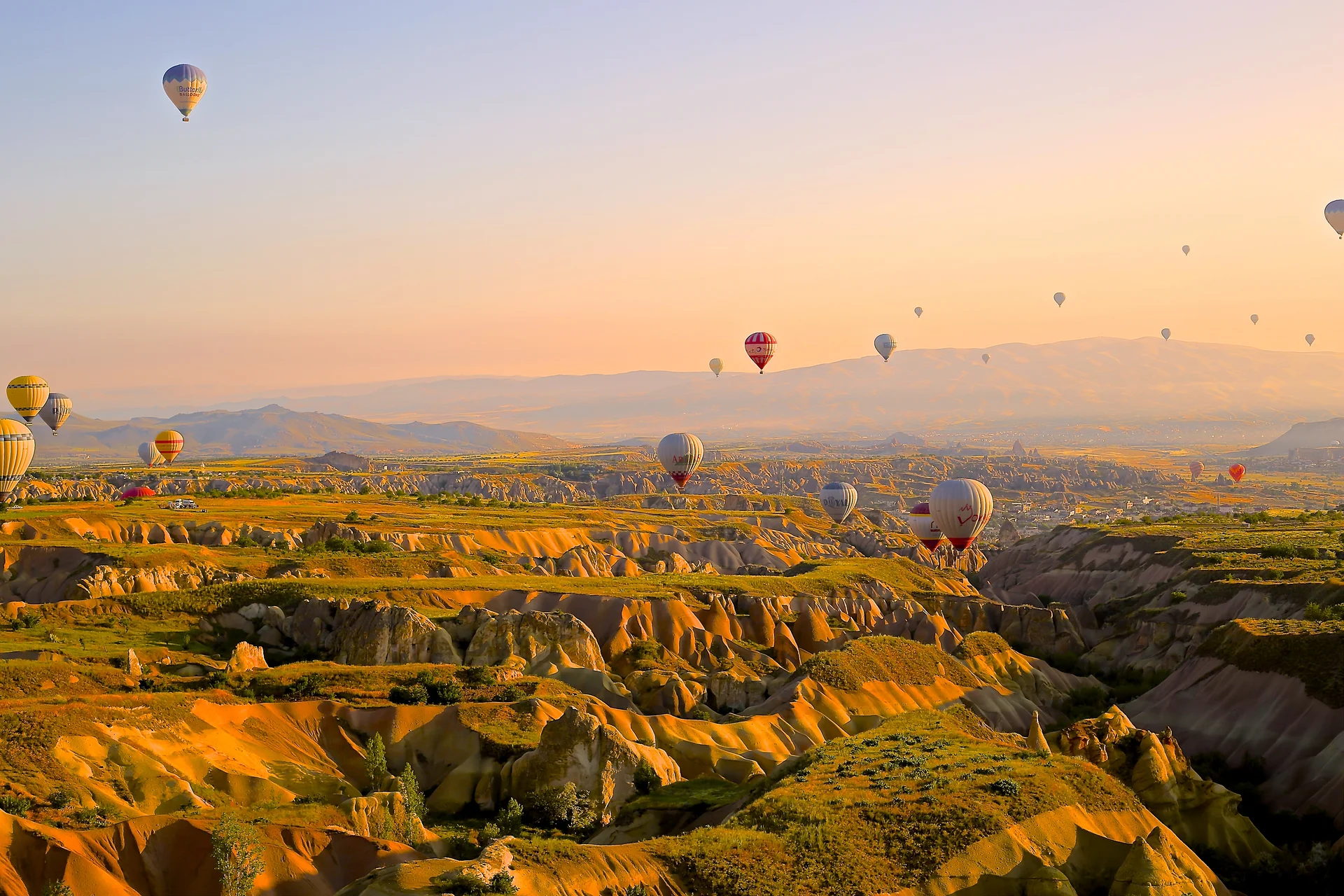
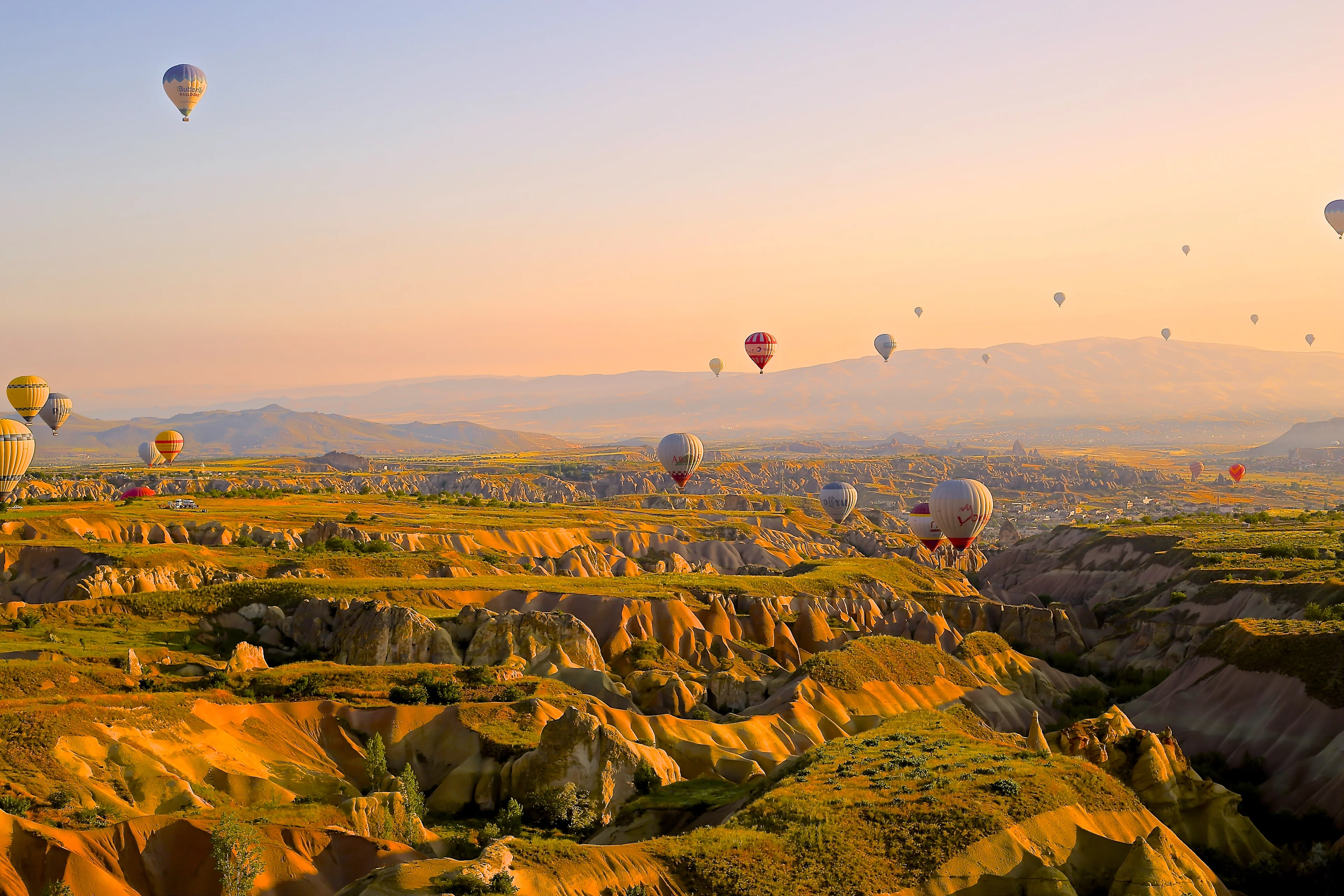
Cappadocia brings out surreal natural rock formations known as fairy chimneys alongside cave dwellings carved straight into the stone. Catching a sunrise hot air balloon ride gives you a bird's-eye view of terrain that looks straight out of science fiction. Back down on the ground, rock-cut churches and underground cities point to an early Christian past.
The Turquoise Coast: Beaches and Ancient Ruins
Along the southwestern edge of the country, the Lycian coast pairs clear turquoise coves with archaeological sites. Towns like Fethiye and Kaş make ideal bases for exploring the waterfront, while spots like Patara and Olympos let you swim right next to crumbling ruins. Hikers can tackle the Lycian Way, a coastal footpath known for sweeping overlooks.
The Ancient Treasures of Ephesus and Pamukkale
Türkiye is packed with well-preserved classical sites, starting with Ephesus, an ancient Greek city famous for the Library of Celsus and its Great Theatre, which seated 25,000. Further east, Pamukkale features white travertine terraces carved out by warm mineral springs. Both of these UNESCO World Heritage sites rank among the country's top draws.
Flavors and Culinary Traditions
Turkish cooking draws on a mix of Mediterranean and Middle Eastern influences. Staple dishes include various styles of kebab, börek (flaky stuffed pastries), and mantı (Turkish dumplings). For dessert, baklava and lokum (Turkish delight) satisfy a sweet tooth. Meals almost always come with a glass of black tea, or çay, while ayran, a salted yogurt drink, cools things down in the summer.
When to go
Spring (April through May) and autumn (September through October) bring comfortable temperatures and smaller crowds, making them the best times for sightseeing. Summer gets hot inland, though coastal areas stay packed and host cultural festivals in places like Istanbul and Bodrum. Winter is the prime time to see Cappadocia covered in snow or to hit the ski slopes at Uludağ.
How to get there
Turkish Airlines flies nonstop to Istanbul from New York, Newark, Washington, Boston, Chicago, Atlanta, Miami, Dallas, Houston, Los Angeles, San Francisco, Seattle, Toronto, and Montreal, which makes this one of the easiest long-haul trips out of North America: no connection, and no visa for US or Canadian passports on stays up to 90 days. Count on 9 to 10 hours from the East Coast and 13 to 14 from the West, with round-trip fares usually landing between $169 and $340* depending on the season. Istanbul sits 7 hours ahead of New York. Airports in Antalya, Izmir, and Kayseri also make regional travel straightforward.
How to get around
The domestic transit network is reliable, featuring affordable regional flights, long-distance buses, and high-speed rail lines connecting major cities. For maximum freedom, car rentals work best if you plan on exploring rural areas and quieter coastal stretches not easily reached by public transit.