
Visiting Denizli, the Gateway to Anatolian Wonders
When people mention this city, most travelers immediately think of Pamukkale. Yet Denizli deserves far more than a quick overnight transit stop. Tucked into the valley of the Büyük Menderes river, this hub in the Aegean region surprises visitors with its energy and high-altitude mountain setting. Between its iconic rooster crowing on every corner and cable cars climbing to 1,400 meters, the city has plenty of personality.
The Ideal Base for Exploring Western Turkey
Denizli is not Istanbul or Izmir. If you are looking for a medieval old town or monuments at every turn, look elsewhere. But if you want an authentic home base far from mass tourism, with fast access to the region's natural and archaeological wonders, you are in the right spot.
This destination suits hiking fans, archaeology buffs, and families wanting to mix nature with culture. You can see the city itself in half a day, but its strategic spot halfway between Izmir and Antalya makes it an unbeatable launching pad.
Average budget needed: plan for between $57 and $90* per day for two people. A rental car helps if you want total freedom in the countryside, but local dolmus minibuses work fine for getting out to Pamukkale.
Downtown and Local Quirks
The symbol of the city? A rooster. And people in Denizli take that seriously. Çınar Square, a wide esplanade in the center of town, proudly displays a statue of the bird that photographers love. You will spot the animal everywhere on signs, billboards, and wall murals.
From the square, you can easily walk over to the Delikliçınar Cami mosque with its slender twin minarets, one of the more graceful religious buildings in town. Right next door, the Kaleiçi market drops you into the middle of a genuine historic bazaar. Unlike ultra-touristy souks, you will still see local residents doing their weekly shopping here. The stalls stock solid handcrafted goods, especially textiles, which have been the local specialty for centuries.
For a cultural stop, head to the Ethnography Museum housed in a historic home where Atatürk once stayed. It offers a solid look at everyday life during the Ottoman and early republican eras.
Friendly tip: hit the Kaleiçi market in the morning, around 9am-10am, when the shopkeepers are settled in and ready to chat. You will find the genuine local spots that casual tourists completely miss.
Nature Within Reach of a Cable Car
Denizli's biggest asset is its constant proximity to nature. Yunus Emre Park provides a green patch right in the city, perfect for a picnic or reading break. The Çürüksu Çayı river winding below invites long walks or bike rides.
The real highlight, though, is the modern cable car that shoots visitors up to 1,400 meters of altitude. At the top, the views over the valley and surrounding mountains are staggering. Several mountaintop restaurants let you stretch out the experience, especially around sunset. In winter, the ski resorts in the Mount Honaz National Park draw snow sports fans, while summer hiking trails show off a rich mix of local flora and fauna.
Friendly tip: ride the cable car up in the late afternoon. Not only do you dodge the heat, but you also catch golden light across the ridgelines. Pack a light jacket even in summer since it gets chilly up top.
Pamukkale and Hierapolis: The Essential Day Trip
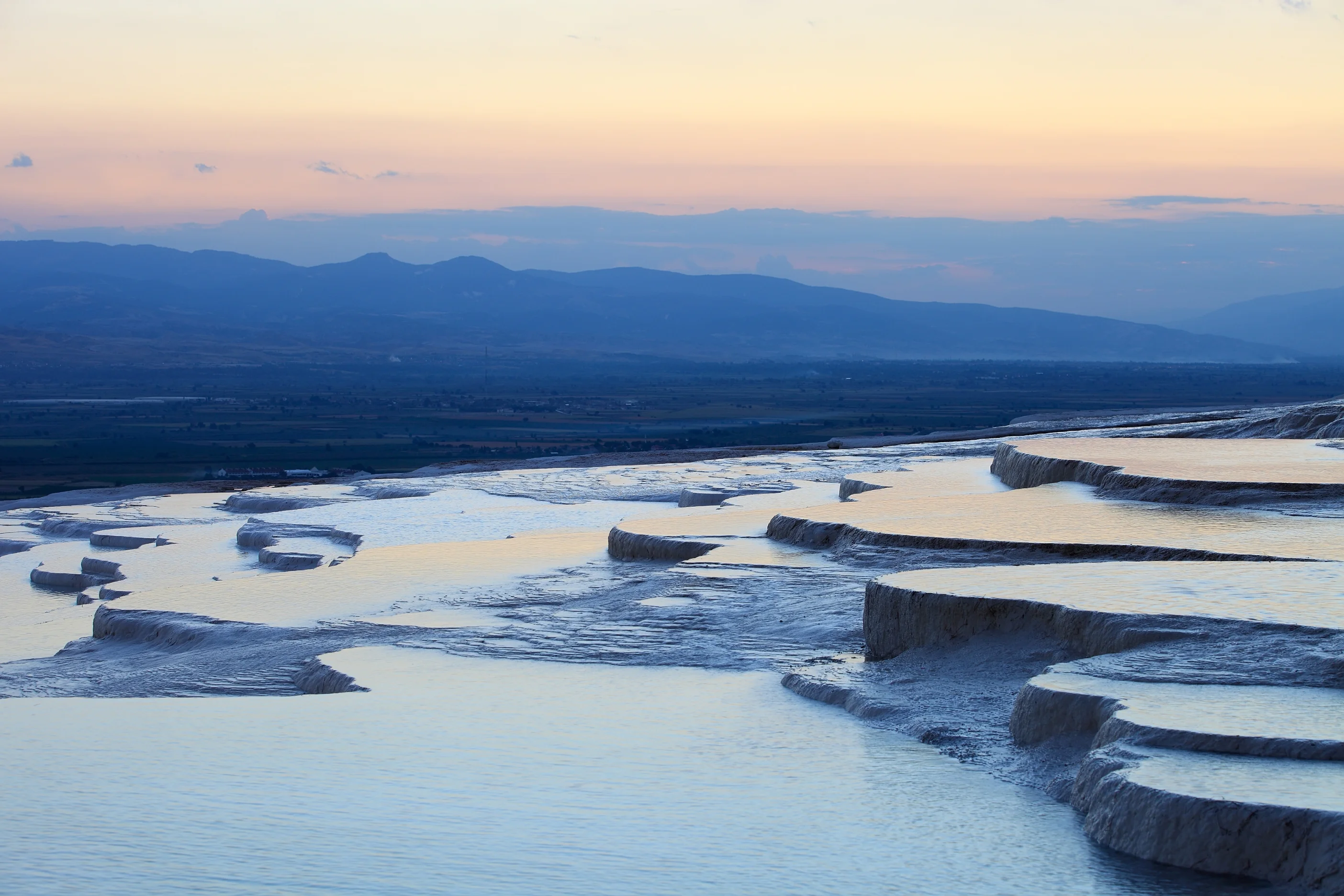
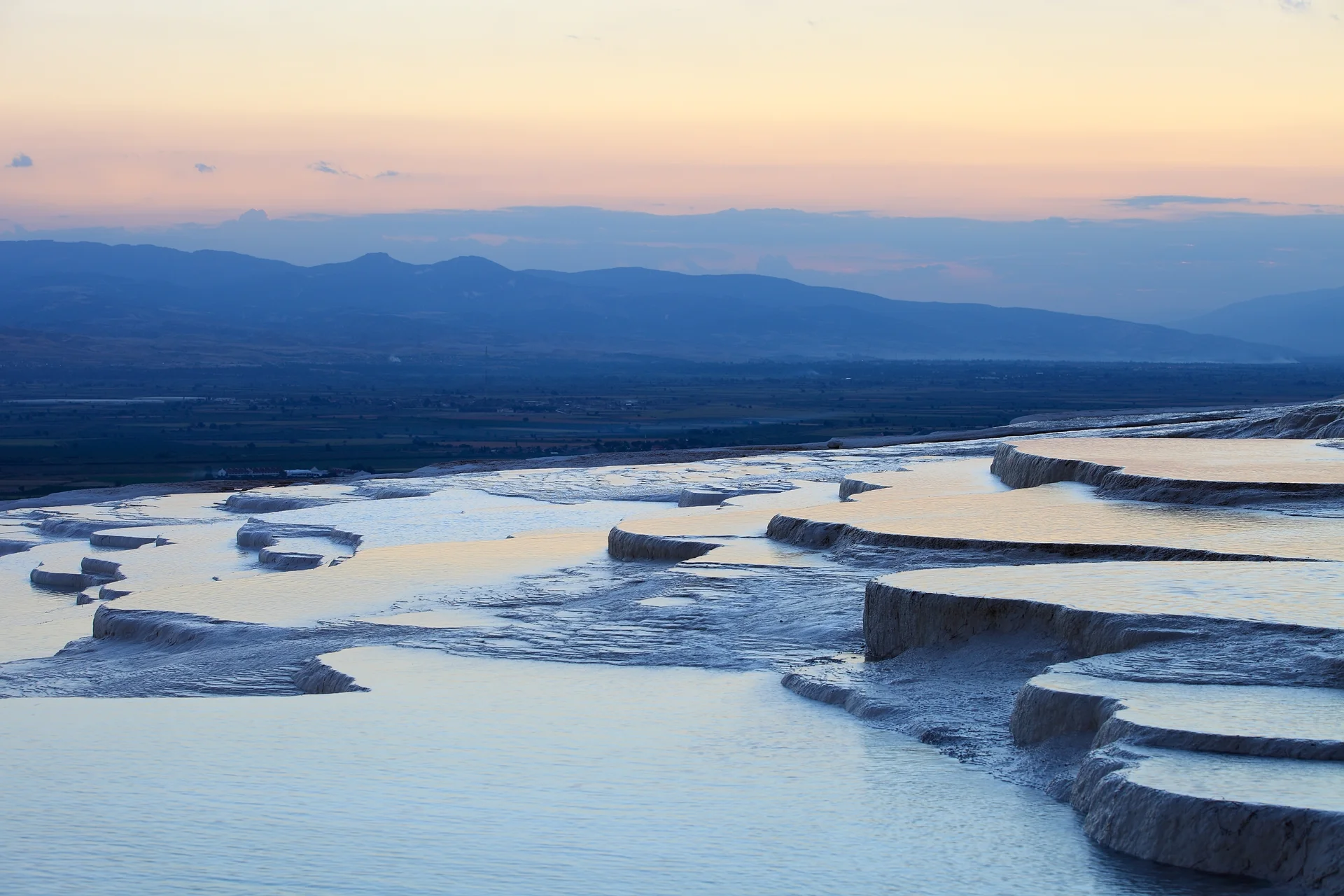
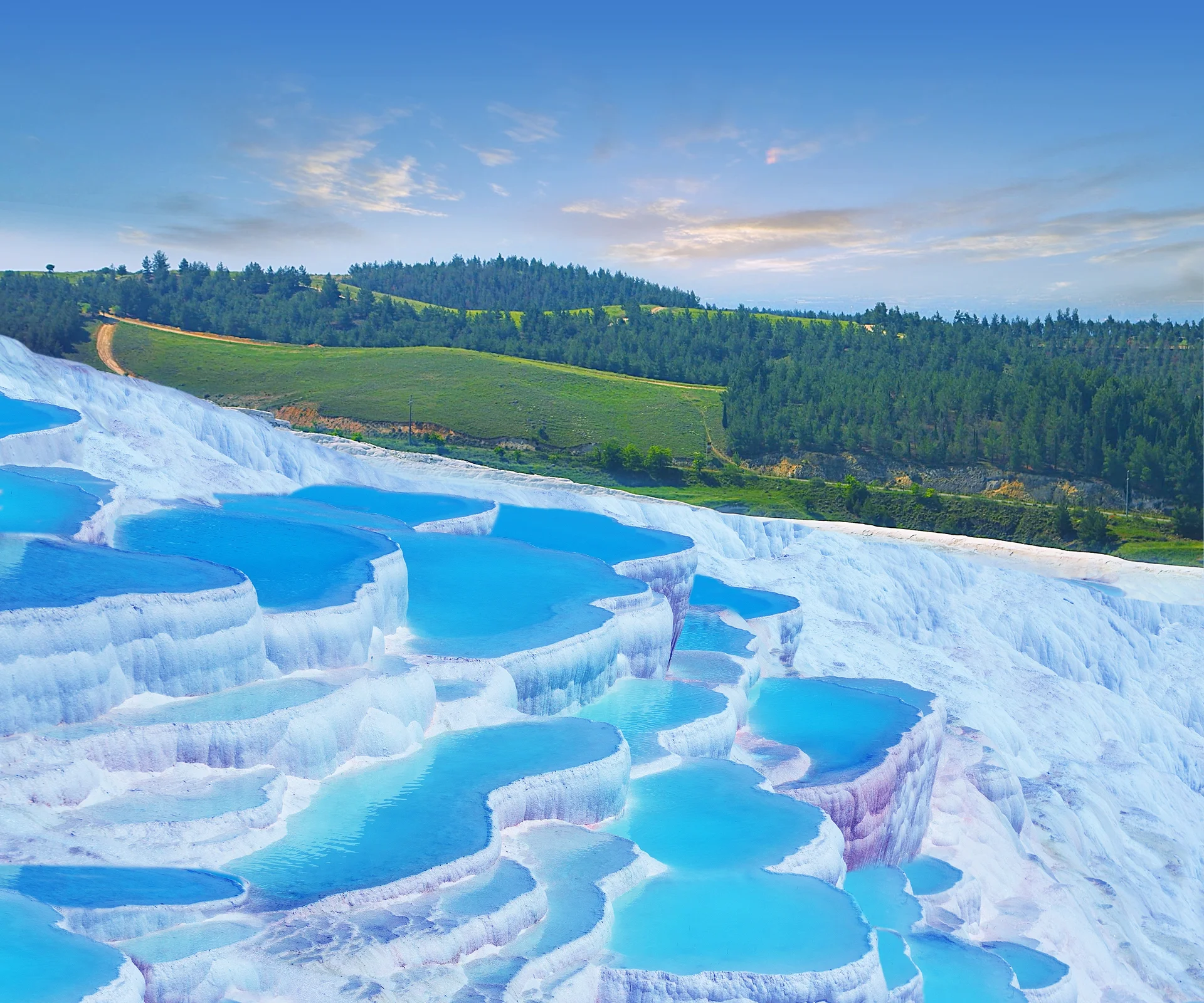
Just 15 kilometers to the north, Pamukkale waits with its moonscape of petrified waterfalls. The nickname cotton castle makes total sense when you see the blindingly white travertine terraces formed by mineral-rich thermal springs. Water has flowed down for centuries, carving natural basins stacked like ancient amphitheater tiers. The sight hits hard, especially at sunrise or sunset when the light plays across the minerals.
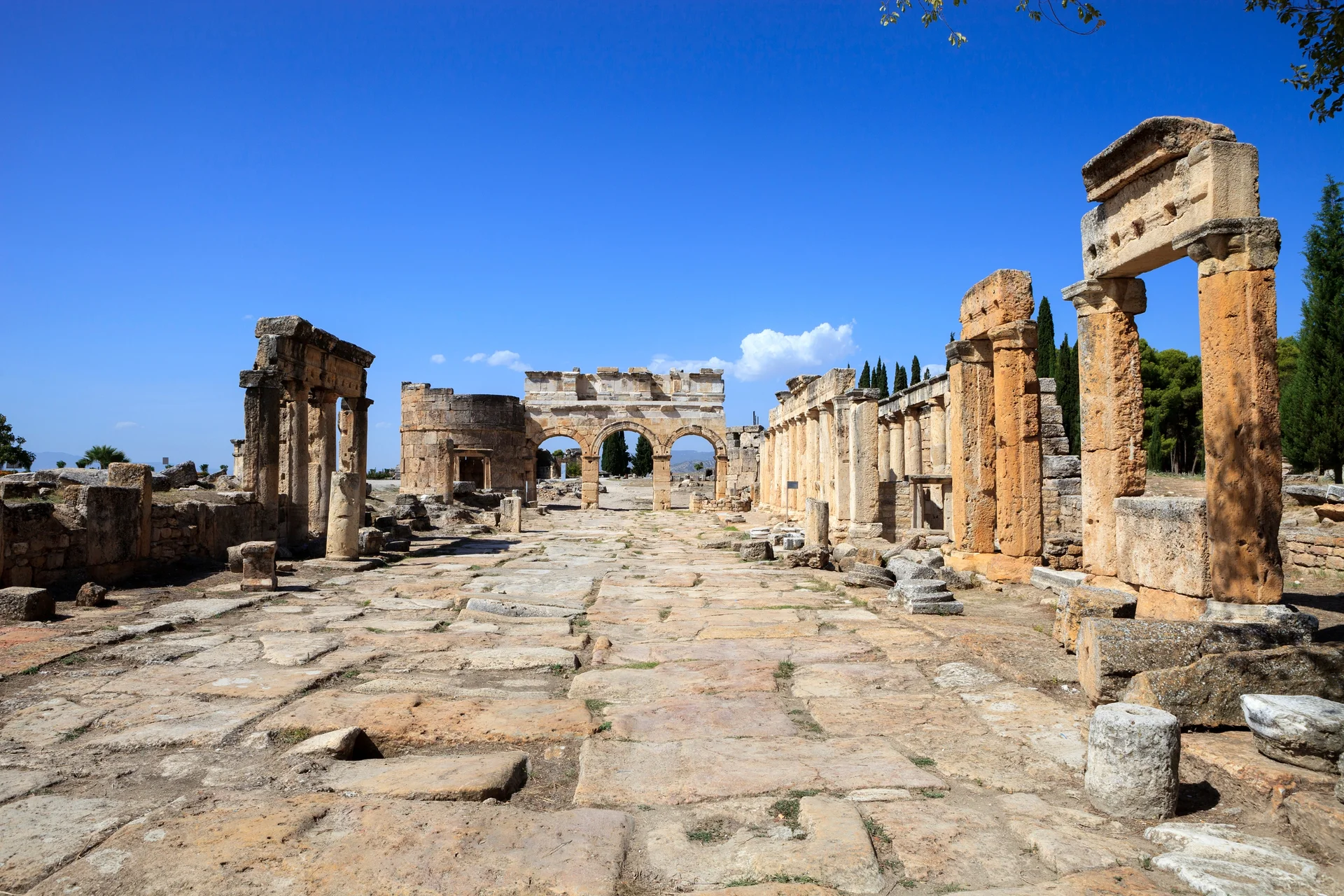
Right above the terraces, the ruins of Hierapolis add a heavy dose of history. Founded in the 2nd century BC by the Kings of Pergamon, this spa city reveals striking Greco-Roman remains: a temple dedicated to Apollo, massive bath complexes, a preserved theater seating 12,000 people, and a necropolis stretching for over 2 kilometers.
The bonus? The antique pool near the agora, where you can swim right among sunken Roman columns. It is an unforgettable setup. The entire area holds UNESCO World Heritage status.
Friendly tip: get to Pamukkale right at opening time at 8am or late in the day after 5pm. You will miss the tour bus stampede and enjoy the site with an almost mystical quiet. You cross the terraces barefoot, shoes in hand, and that part is required. Grip socks are not, but they make the wet travertine far easier on the feet.
Where to Eat and Drink in Denizli
Denizli's cooking pulls from the traditions of western Anatolia. Do not leave without trying çöp şiş, small skewers of lamb marinated in local spices, or kabak tatlısı, a dessert made of candied pumpkin topped with thick clotted cream. The kaymaklı ekmek kadayıfı, a pastry soaked in syrup and piled high with buffalo milk clotted cream, is a calorie bomb you will not soon forget.
For spots to eat, aim for the Servergazi neighborhood where family-run restaurants dish out honest, hearty food. Traditional lokantas display daily specials right in the front window, making it easy to eat like a local for $12-$17*. For drinks, downtown tea gardens offer a refreshing break with house-made ayran or fresh-squeezed fruit juices.
Where to Stay in and Around Denizli
In central Denizli, you will mostly find modern, functional business hotels with nightly rates running between $34 and $68*. The area around the bus station packs in the most options, which is handy but lacks charm. If you want more character, small guesthouses tucked into residential streets offer a warm welcome for $23-$40*.
Plenty of travelers prefer to set up base directly in Pamukkale village, a 20-minute drive away. The vibe is much more relaxed there, with boutique hotels and inns tucked among vineyards. You are right at the foot of the archaeological site by morning, which is a major perk. Expect to pay $45-$90* depending on the property.
How to Get There and Get Around Denizli
Denizli-Çardak Airport sits 65 kilometers northeast of the city. It handles mostly domestic flights, notably from Istanbul. Coming from North America, you will connect through a major European hub or Istanbul. The Istanbul-Denizli hop runs year-round. From the airport, figure on 50 minutes by shuttle or taxi to reach downtown.
By bus, Denizli connects easily to the rest of the country: 10 hours from Istanbul, 4 hours from Izmir, and 5 hours from Antalya. Companies like Metro and Pamukkale Turizm run comfortable long-distance coaches for $17-$34*. Once you arrive, you can cover downtown on foot. For Pamukkale and nearby spots, dolmus minibuses depart regularly from the main bus station for $1.20-$2.30*. Renting a car costs around $29-$45* a day and gives you real freedom.
When to Go
Spring, from April to June, and autumn, from September to October, are the ideal windows. Temperatures sit between 20 and 28°C, making it comfortable for exploring Pamukkale without melting. Summer can turn brutal with peaks hitting 38°C, though that is also when the mountains offer a welcome escape.
Winter, from December to March, draws skiers to Mount Honaz and lets you see Pamukkale in a different light with far fewer crowds. Avoid July and August if you can, as the heat and tourist traffic make the experience less pleasant.
Under the scorching sun, seeing that hill covered in snow in the distance feels surreal.
When you arrive, you see it is actually the rock that has taken on this white color.
The thermal and mineral waters that flow out in this spot are the cause. Several small pools of water have formed naturally. In some places, you can even go for a swim, but it is crowded. On the slopes of the hill, these natural pools have arranged themselves into terraces. The view of these terraces and the surrounding panorama is stunning. It is worth the trip!