
Visiting Pamukkale, a natural and historic wonder
The travertine terraces
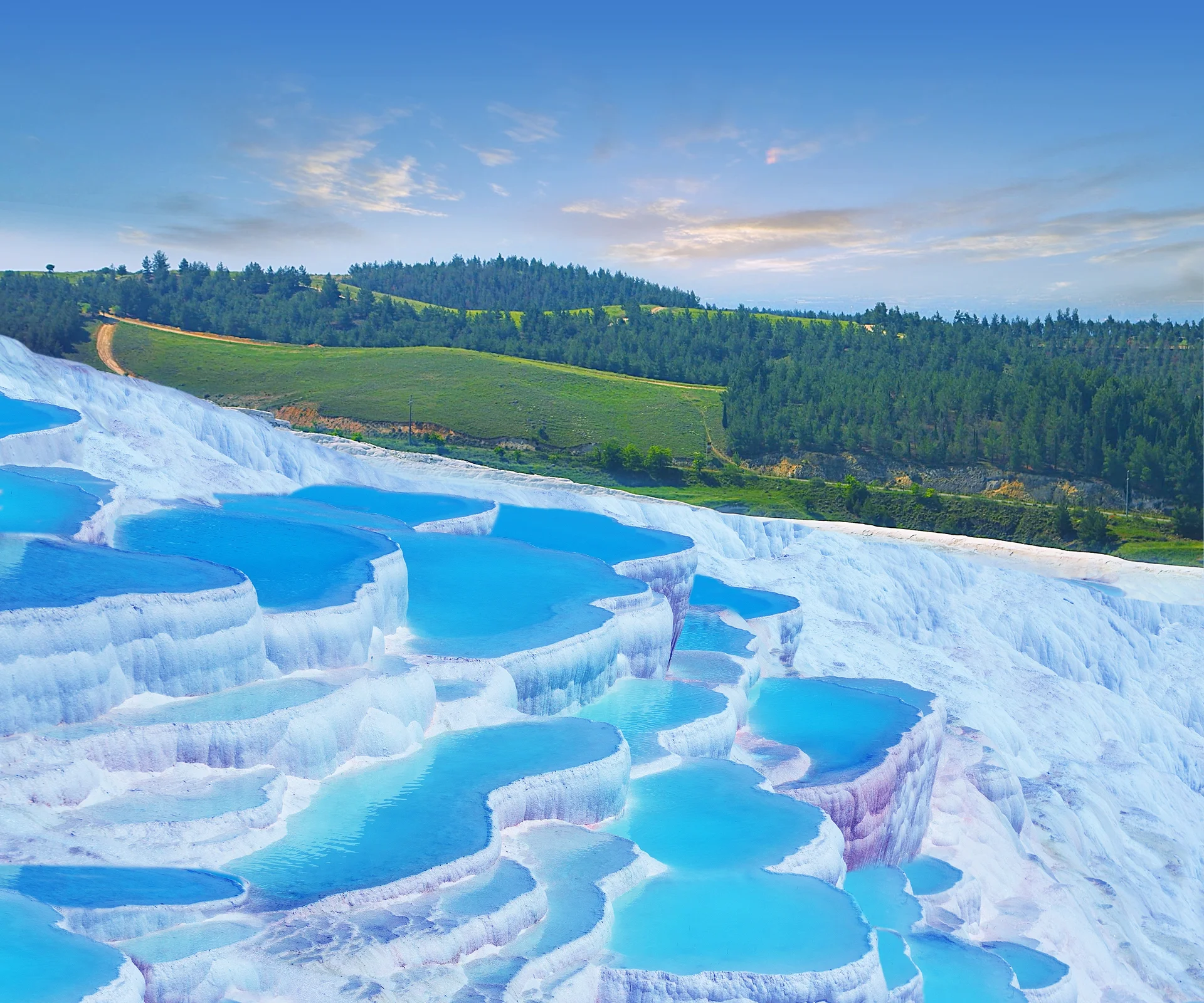
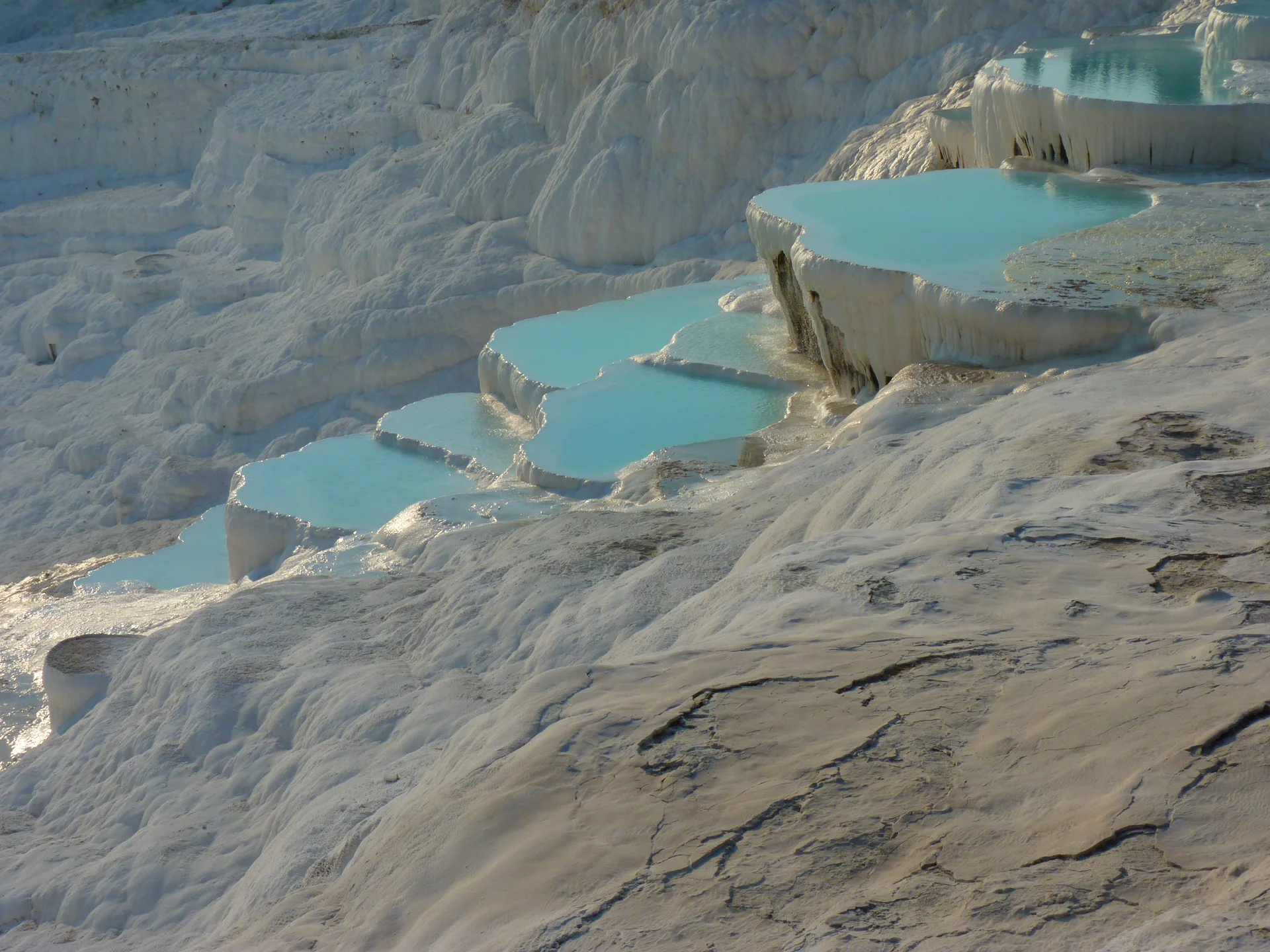
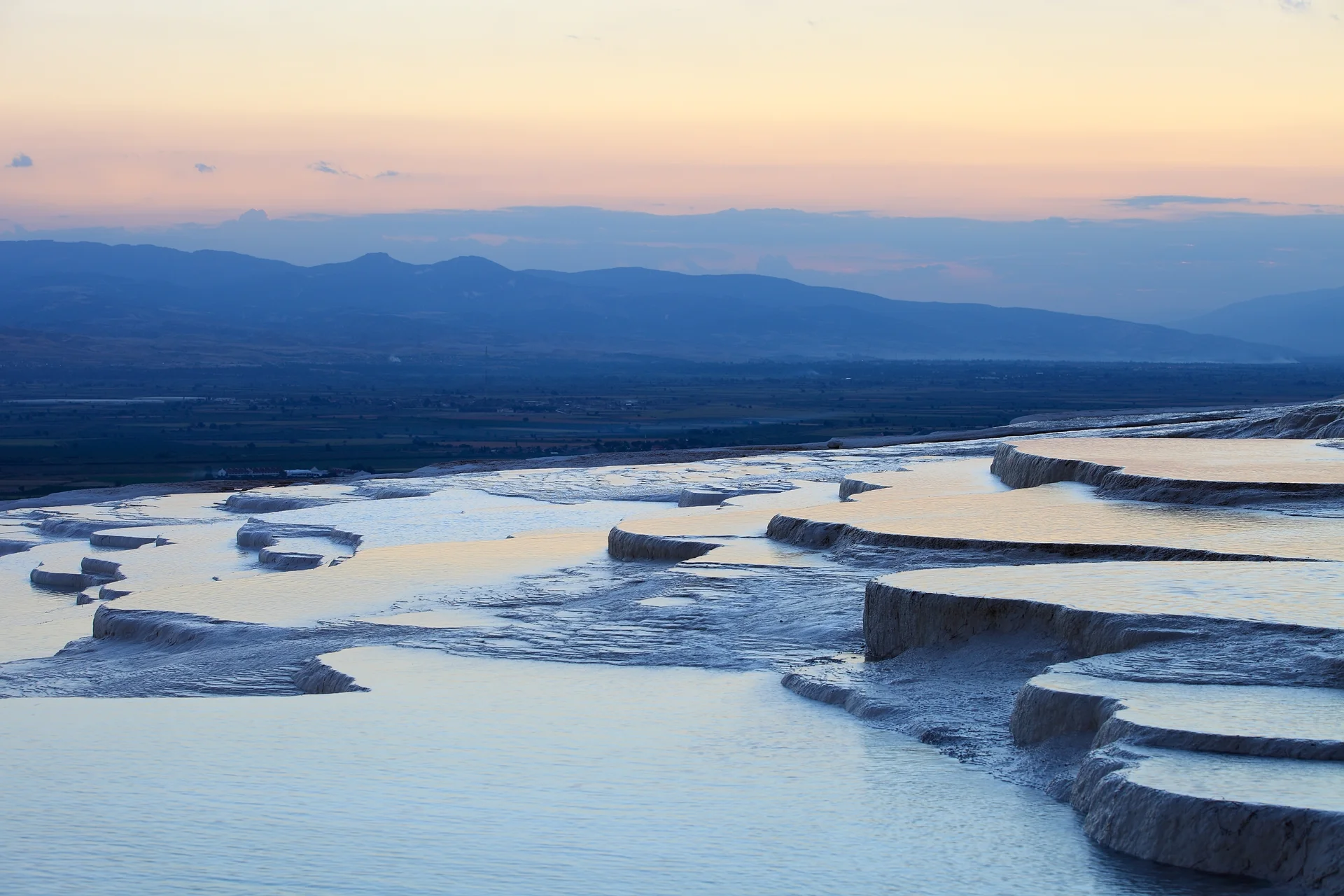
Pamukkale is defined by its white travertine terraces, created by calcium carbonate deposits from local hot springs. These natural formations, which look like frozen cotton or snow, create a singular landscape. While access is restricted to protect the site, you can walk barefoot on designated sections and soak in thermal pools known for their mineral content.
Hierapolis: ancient heritage
At the top of the terraces sit the ruins of Hierapolis, a Greco-Roman city. You can explore its theater, which remains in excellent condition and provides a wide view over the valley. The necropolis, one of the largest in Asia Minor, provides a clear look into the history of the region. The site also features an antique pool, known as the Cleopatra Pool, where you can swim among submerged ancient columns.
The area around Pamukkale
A few miles from Pamukkale, the village of Karahayit is known for its red thermal springs, a geological curiosity that sees fewer crowds. Hikers can head into the surrounding hills, which offer quiet trails and views across the plains.
Finally, several small local restaurants in the area serve Turkish specialties, such as gözleme, a flatbread filled with vegetables or cheese.
Opening hours
- April to September: 6:30 AM to 8:00 PM
- October to March: 8:00 AM to 6:00 PM
*Information subject to change

The Cotton Castle, as they call it here, is just incredible to see. Turquoise water pools in terraces on white limestone ground, where you can dip your feet. And right next door, the ruins of Hierapolis. A must-see!