
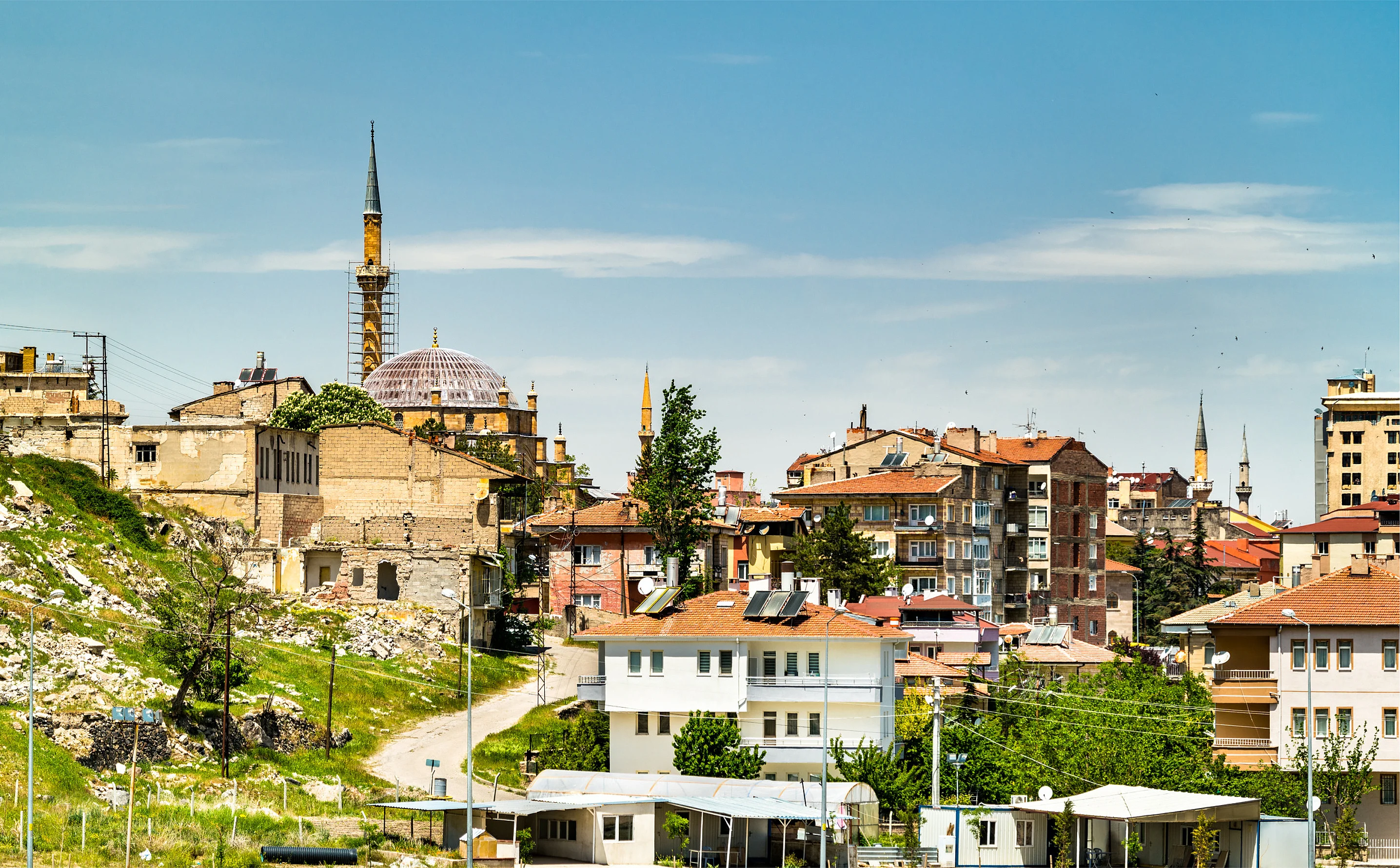
Visiting Nevşehir, the Gateway to Another World
Picture a region where ancient civilizations spent millennia carving out subterranean refuges inside the rock. Where dozens of hot air balloons paint the sky every morning at sunrise. Where entire multi-story cities remain hidden directly beneath your feet.
That is what awaits you when you arrive in Nevşehir, the quiet yet strategic capital of Cappadocia. Many travelers breeze right through without stopping, rushing onward to the area's iconic sights. That is a mistake.
This modern high-altitude city holds its cards close to the chest, featuring an illuminated castle perched high on a rocky promontory, remnants of twenty successive civilizations, and a genuine local vibe far removed from the usual tourist traps. Best of all, it serves as an ideal basecamp for exploring the surrounding moonscapes.
Who Is This Destination For?
If you love surreal landscapes and deep historical roots, you are in the right place. The region is an exceptional playground for photographers, hikers, and anyone who dreams of drifting in a hot air balloon above rock formations found nowhere else on earth.
On the other hand, if you are looking for a beach getaway or heavy nightlife, you will not find it here. The Anatolian continental climate brings hot, dry summers and winters that can turn snowy. You also need to plan for a sizable budget for major activities like hot air ballooning ($165 to $280* depending on the season).
Having a car makes it much easier to explore scattered landmarks, although tourist shuttles are available. Plan for at least three days to take in the region without rushing. Families will appreciate the accessibility of many sites, though certain valley hikes require solid physical fitness.
Soaring Above the Fairy Chimneys
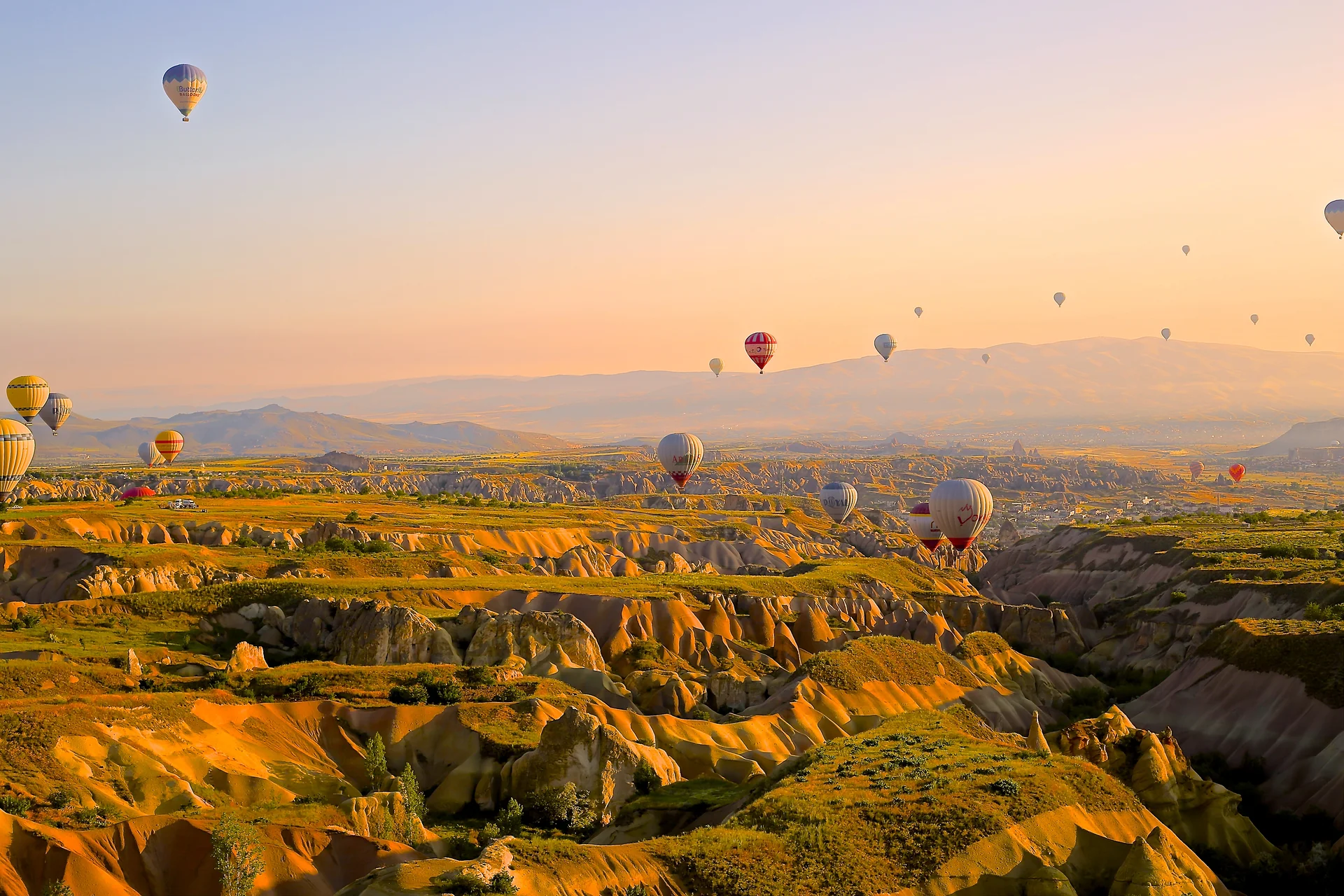
A sunrise hot air balloon flight remains the quintessential experience, the primary reason many make the trip. Starting around 4am, you step into a basket for an hour of magic floating above the Göreme valleys and the towering rock spires known as fairy chimneys.
The visual payoff is twofold: down below, the lunar landscape carved by volcanic erosion; all around you, 80 to 300 balloons (depending on the season) drifting silently through the golden morning light. It is expensive and undeniably touristy, but genuinely unforgettable.
Friendly tip: Book your flight for your very first morning on site. Flights depend entirely on the weather and can be canceled due to wind, rain, or snow. If yours gets pushed back, you will still have a few days left to try again.
Exploring Valleys and Cave Villages
Göreme and Its Open-Air Museum
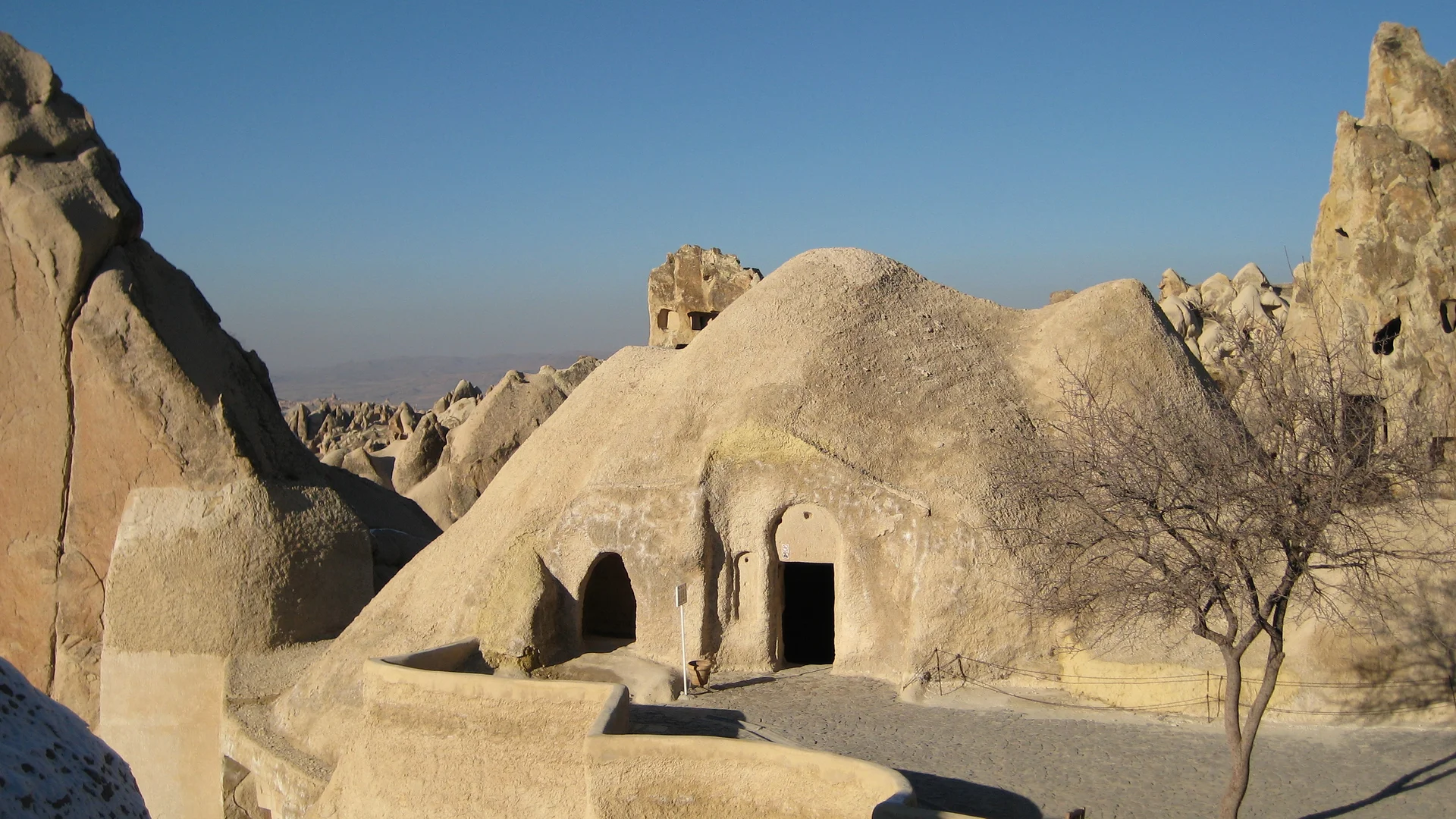
Just about ten kilometers from Nevşehir, Göreme concentrates the finest of Cappadocian rock-cut heritage. Its UNESCO-listed open-air museum gathers an extraordinary Byzantine monastic complex featuring dozens of churches hollowed into the rock between the 10th and 13th centuries.
The remarkably preserved interior frescoes tell the stories of early Christians who took refuge here from persecution. Admission carries a fee (around $17*) but proves well worth it. Arrive early in the morning to beat the tour buses rolling in by 10am.
The Underground Cities of Kaymaklı and Derinkuyu
Entire cities carved out of volcanic tuff lie right under your feet. Kaymaklı and Derinkuyu stand out as the most impressive, boasting eight underground levels (four of which are open to visitors). Narrow corridors, common rooms, churches, wine cellars, and ventilation shafts reveal how thousands of people managed to live underground for months at a time.
The low, tight passageways can feel claustrophobic, but the scale is fascinating. Allow an hour and a half for the visit and bring a sweater, even in summer, as underground temperatures hover steadily around 13°C.
Friendly tip: If you are pressed for time, choose Derinkuyu, which is the deeper and better organized of the two. The English signage is clear and the visitor route is easy to follow.
Colorful Valleys for Hikers
Rose Valley, Red Valley, and Pigeon Valley offer miles of trails weaving between ochre and pink rock formations. Hikes run from one to four hours depending on the route, capped by stunning sunset panoramas.
Further south (85 km), the Ihlara Valley is worth the detour despite the distance. This verdant 14 km canyon lined with rock churches offers an atmosphere entirely distinct from the rest of Cappadocia. Heads up: 300 steps await you just to get down into the valley.
For unconventional rock formations, do not miss Love Valley and its striking phallic pillars, or Pasabag with its three-headed fairy chimneys, the most photogenic in the region.
Nevşehir's Town Center Deserves Attention Too
Its Ottoman castle, perched at an altitude of 1,343 meters, looms over the modern city. Its 48 battlements light up every evening, offering a magnificent viewpoint over the surrounding plain. Access is free and the walk up is short.
The Nevşehir Museum on Evler Street holds a fine collection of bronzes, pottery, and artifacts pulled from local archaeological digs. It is nothing overwhelming, but it provides good context on the 20 successive civilizations that passed through here, from the Hittites to the Ottomans.
For modern shopping, Forum Kapadokya is a dense mall packed with standard retail brands. It works well if you need a quick errand, but offers little for travelers seeking authenticity.
Friendly tip: Instead, wander around the Çocuk Parkı urban garden area, where local shops sell handicrafts and regional goods. That is where you will track down genuine Cappadocian pottery rather than imported knockoffs.
Where to Eat and Drink in Nevşehir
Cappadocian cuisine blends Ottoman and Anatolian influences. The star dish? Testi kebab, meat and vegetables slow-cooked for hours inside a clay jug that gets cracked open right at your table with a bit of theatrical flair. It is pricey ($22 to $33*) but memorable.
Local mantı differ from standard Turkish dumplings: here, they are rolled into cylinders before cooking, then generously blanketed in garlic yogurt and melted butter. Comforting and hearty. Be sure to try the bamya çorba (okra soup) and the spread of mezes that kick off every meal.
For food lovers, ayva dolması (quince stuffed with spiced meat) offers a surprisingly great sweet-and-savory balance. Kuru kaymak, a highly concentrated dried clotted cream made in the village of Kaymaklı, makes an incredible addition to a traditional Turkish breakfast.
Cappadocia also produces excellent wines aged in cool cave cellars. Wineries like Kocabağ and Turasan offer tastings and tours for $6.60 to $11*. Restaurants around Göreme (such as Seten) deliver the best value paired with sweeping views.
Where to Sleep in Nevşehir and Surroundings
Hotels in Nevşehir proper tend to be functional without much charm. The real appeal lies in the surrounding villages, which feature cave hotels built directly into ancient cliffside dwellings.
Göreme, Uçhisar, and Ürgüp concentrate the top properties, ranging from luxury boutique hotels with panoramic terraces ($220* and up) to approachable family guesthouses ($44-$66*). Sleeping in a room carved straight from the rock, complete with a fireplace and heated floors, is an experience in itself.
Book several months ahead if you are aiming for April-May or September-October. Rates spike by 30 to 50% during peak season. In winter, many properties drop their prices, and seeing the region blanketed in snow has a fairy-tale charm, even if some balloon flights get canceled.
For tighter budgets, Avanos, located 20 minutes from Göreme, offers cheaper lodging while keeping you well-positioned. This artisan town, famous for its potters, has retained its authentic village feel.
How to Get to and Around Nevşehir
Nevşehir Airport sits 30 km from the center, with buses and taxis handling the transfer (around $17*). For international travelers flying in from North America or Europe, a connection through Istanbul is standard, followed by a short domestic hop. The larger Kayseri airport serves as an alternative 80 km away with a wider range of flight connections.
Without a car, you will rely on organized tours or dolmuş (shared minibuses) serving the major sites. It is affordable, but restricts your schedule. Renting a car ($33-$55*/day) completely changes your flexibility for exploring at your own pace, especially for remote spots like the Ihlara Valley.
Distances between sites are short: 10 km to Göreme, 20 km to Uçhisar, 30 km to the underground cities. The road network is decent. Watch out in winter, as snow can make certain roads slick, and the grades around Nevşehir get steep.
Long-distance buses connect to Istanbul (9-10 hours, $22-$33*), Ankara (4 hours), and all major Turkish cities. Comfortable and reliable, they present a solid alternative to flying.
When to Go
The months of April-May and September-October strike the best balance: pleasant temperatures (15-25°C), vibrant scenery (wildflowers in spring, golden tones in autumn), and moderate crowds. Hot air balloon flights take off regularly thanks to stable weather and light winds.
Summer (July-August) draws massive crowds and afternoon temperatures can approach 40°C, though mornings and evenings remain manageable. It is also the priciest season, with up to 300 balloons filling the morning sky. If you do not mind the hustle, festivals like Cappadox in June are worth checking out.
Winter turns the region into a snowy postcard and leaves you with sights nearly to yourself. Just prepare for the cold (often below 0°C) and potential weather-related balloon cancellations. December and January stay very quiet on the tourism front.
Times to avoid: early April, when strong winds disrupt balloon operations, and Turkish holiday long weekends, when domestic travelers flood the area.
Nevsehir is an essential village in Cappadocia. I was lucky enough to visit this unexpected region of Turkey before it became ultra-popular on social media. We took an inexpensive organized tour from Antalya with some really beautiful cave accommodations. It allowed us to visit all the geological wonders in the area. If you are staying in Turkey, you absolutely have to stop by, if possible off-season to limit the crowds.