Banaue Rice Terraces

Things to do in the Philippines: 15 must-see attractions

Discover our members' favorite destinations in the Philippines, plus reviews, practical info, and traveler photos...

Our members' favourite places in the Philippines

Ranked on recommendations from travellers who went there

#1 Manila +22 recs

Manila splits opinion sharply. Some travel advisors tell you to skip the Philippine capital entirely, arguing it makes for a rough stop for international visitors. Others call it the pearl of the orient and insist its appeal is severely underrated. Here are the top reasons to carve out time for Manila if your itinerary takes you to the Philippines.

Historic Churches and Insightful Museums

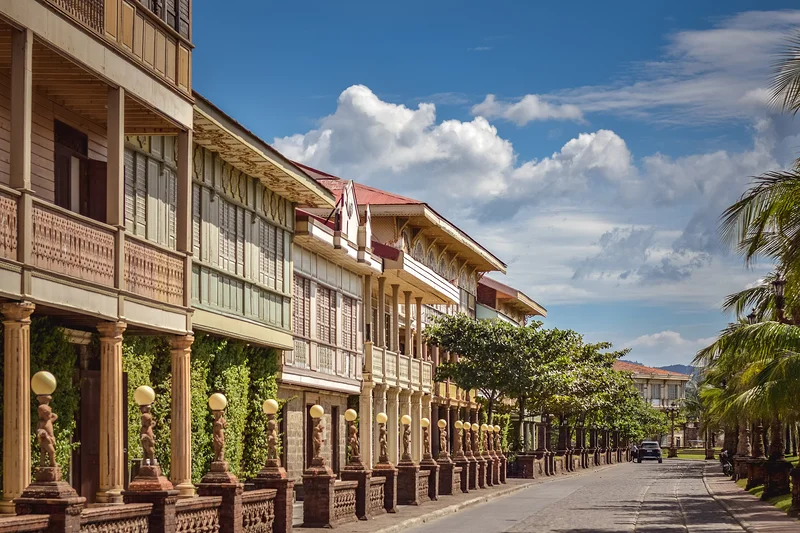
Manila often cops criticism for its gridlocked traffic, political noise, and heavy smog. Yet certain neighborhoods are entirely worth the trip. The historic colonial district known as Intramuros packs in the city's finest landmarks, including several standout churches. San Agustin Church, built in 1589, holds the title of the oldest stone church in the country. Its earthquake-resistant baroque architecture, designed to withstand frequent tremors, earned it a UNESCO World Heritage listing. For a deep dive into the nation's past, head to Fort Santiago, which houses a museum dedicated to José Rizal, the national hero of the Philippines. If you appreciate culture, you will likely find yourself heading to the National Museum of Natural History and Ethnography alongside the Ayala Museum for a look at pre-Hispanic Philippines. On a more eccentric note, the Marikina Shoe Museum displays the eight hundred pairs of shoes left behind by the country's former First Lady.

A Cultural Melting Pot

The Philippine capital functions as a crossroads where numerous communities and ethnicities meet. A prime example is the Chinese Cemetery, established in 1843 just outside central Manila. Inside, you will find extraordinary mausoleums, tombs, and vaults blending Chinese and Western architectural styles. Turtles, pagodas, and three-story miniature houses fill the grounds, showcasing an astonishing variety of tombs. Back in the frantic energy of the city, head into Chinatown. Filipinos, Chinese, and Spanish communities have lived side by side here for centuries. Founded in 1594, it stands as the oldest Chinatown in the world. Grab a plate of pancit noodles, empanadas, or lumpia, a local cross between a spring roll and a wrap.

Shopping and Rooftop Cocktails

Manila is also a modern metropolis that fully embraces the twenty-first century. You can shop in trendy boutiques and catch local arts performances at the Cultural Center of the Philippines. Makati, a gleaming financial hub located 5 km from downtown Manila, houses some of the largest shopping malls on the planet. Grabbing a drink at a rooftop bar in Makati makes for a great evening out, as upscale cocktail lounges are everywhere.

When to Go

You can visit Manila year-round, but the most comfortable weather runs from December through February. From March to May, the dry season continues, but temperatures soar to oppressive levels, while the monsoon season brings heavy downpours from June to October.

Getting There

Flights from Europe to Manila start around $560*. Your flight will typically include at least one layover in the Middle East or Asia, with total travel times averaging around 16 to 17 hours.

#2 Tagaytay +13 recs

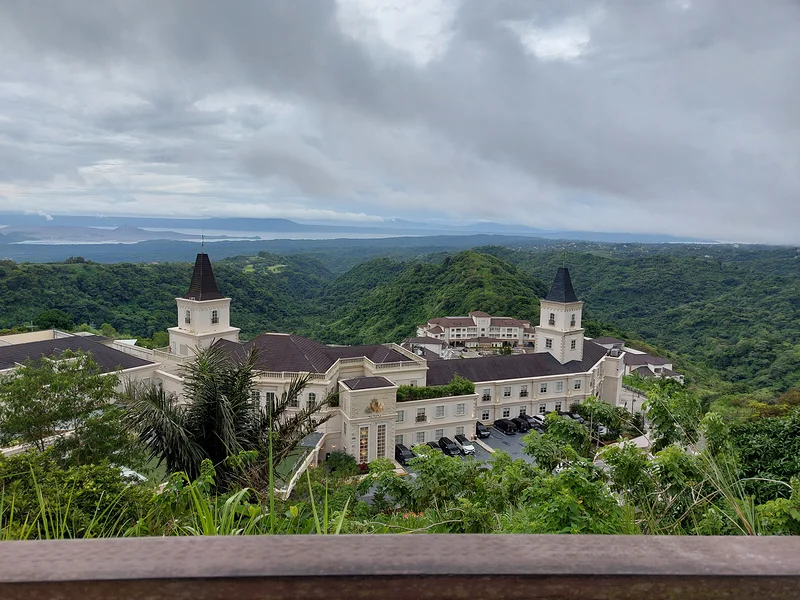
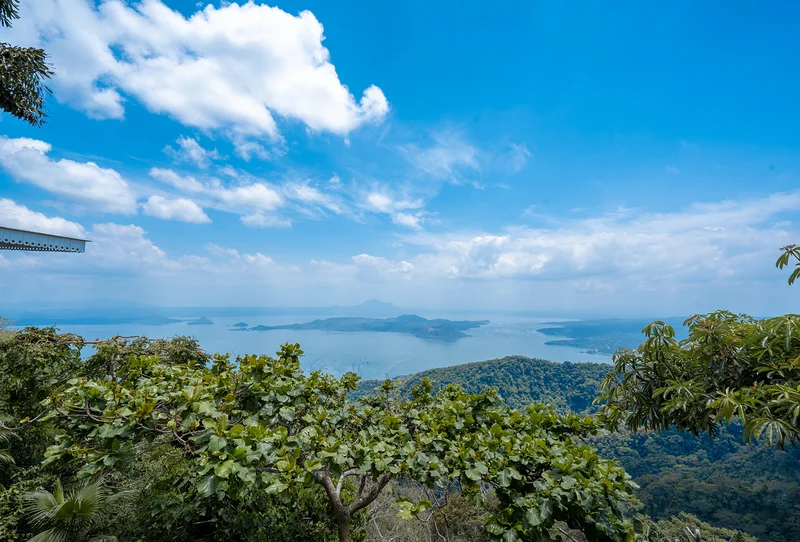
Tagaytay is a city in the province of Cavite, in the Philippines, located in the southern part of Luzon island where the Philippine capital, Manila, is also situated. Sitting at an elevation of 600 metres, it enjoys a cooler climate than the rest of the country. The name Tagaytay comes from the tagalog language, which forms the basis of Filipino, the national language, and means "ridge." True to its name, Tagaytay sits on a ridge overlooking Taal Lake and its dramatic volcano, framing sweeping views of the surrounding landscape. The view from the roof of the Taal Vista hotel is among the most famous in the area.

The city of Taal volcano

Tagaytay is primarily known for its hilltop location offering striking panoramas of the caldera and Taal volcano. This elevated spot was originally chosen to protect the town from frequent volcanic eruptions that wiped out many surrounding settlements.

The Taal volcano is often billed as one of the smallest active volcanoes in the world, though it sits inside a caldera measuring several dozen kilometres across: it is only the central crater cone that is small. It erupted in 2020, followed by further activity in 2021 and 2022, and remains part of the Pacific Ring of Fire. From the nearby village of Talisay, you take a boat then hike for about forty minutes to reach the summit, its fumaroles, craters, and inner lake. The volcano island has been classified as a permanent danger zone since the 2020 eruption, so access depends on current official orders.

Tagaytay grew in prominence at the beginning of the 20th century: located just a couple of hours south of Manila, it steadily became a go-to escape for capital residents looking for nature and quiet. Philippine President Manuel L. Quezon traveled to Tagaytay in 1938 to sign Commonwealth Act No. 338, which officially established the city.

A base for hiking

Tagaytay features several green spaces like Picnic Grove and the People's Park in the Sky, which has a fascinating backstory. These grounds were originally laid out to serve as a mansion for the former Philippine dictator, President Marcos. Following the People Power Revolution in 1986, the property was preserved and turned into a public park open to everyone.

Tagaytay also serves as an ideal base for tackling nearby mountain hikes, such as Mount Batulao, Mount Talamitam, or Mount Pico de Loro. The city is equally known for its flower farms and coconut plantations. Make sure to check out the Tagaytay market or try a bowl of bulalo, a rich beef shank soup that is the regional specialty.

When to go?

The dry season runs from November to March, bringing warm temperatures and minimal rainfall across the Philippines.

How to get there?

From the capital city of Manila, grab a bus from the Parañaque Integrated Terminal Exchange (PITX). The ride takes about 2 hours. By car, you can reach it via the Santa Rosa-Tagaytay Road in an hour and a half.

#3 Puerto Galera +12 recs

Puerto Galera is a coastal town located on Mindoro Island in the Philippines. It is a premier destination for scuba diving and snorkeling. Its bay has been designated as a UNESCO Biosphere Reserve since 1973, protecting an exceptional diversity of marine flora and fauna. Apo Reef, the 34 km² reef often associated with the town, is actually located on the opposite side of Mindoro along the west coast. Puerto Galera is also known for its quality beaches and varied dining and leisure options, making it a prominent hub for international expats.

Beaches and seaside activities

Puerto Galera features several well-known beaches, starting with White Beach, the main tourist center complete with nightlife, bars, restaurants, and excursion operators. Other notable stretches of sand include the smaller and quieter Talipanan beach, Sabang beach running alongside the lively former fishing village of the same name, and Aninuan beach.

The town serves as a base for a wide array of water and land activities. Beyond diving, you can try jet skiing, kayaking, windsurfing, catamaran sailing, and deep-sea fishing. On land, options include paintball, mountain biking, go-karting, archery, and hiking.

Mindoro Island, rich in forests and biodiversity

Beyond the coast, Mindoro Island offers rugged terrain for outdoor exploration. Experienced hikers can tackle the trail up Mount Halcon, one of the highest peaks in the Philippines at over 2,500 meters in altitude. Alternatively, walks leading to Tamaraw Falls, cascading 31 meters high, or Tukuran Falls provide closer encounters with local flora and fauna. To reach Tukuran Falls, you can even ride in an ox-drawn cart.

Those interested in local culture can visit the Mangyan village in Talipanan, west of Puerto Galera. Maintained by a philanthropic family, the settlement preserves the heritage of a long-persecuted indigenous group. Nearby on the western side of the island, the Church of the Immaculate Conception houses an excavation museum containing artifacts and relics that offer insight into local history.

When to go

The best time to visit Puerto Galera is between January and April, a period that also coincides with several local festivals. Keep in mind that the typhoon season runs through October and November.

How to get there

From Manila, take a bus to the Batangas pier, where ferries depart for Puerto Galera. Arriving from Tablas Island, a ferry takes you to Roxas, from which you continue overland to Puerto Galera. From Coron, a ferry connects to San Jose on the west side of the island, where connecting buses run through Roxas and Calapan before reaching Puerto Galera.

#4 Boracay +12 recs

Picture a six-kilometer strip of white sand, one to two kilometers wide, where turquoise water meets a nightlife scene that runs until sunrise. That's Boracay, an island in the Visayas archipelago at the center of the Philippines, about 300 kilometers from the capital, Manila. In recent years it has welcomed up to 2 million tourists annually. A victim of its own success, the island counted more than 33,000 residents in 2018, up from barely 12,000 in 2000. That same year, then-president Rodrigo Duterte closed the island to all visitors for six months on environmental grounds and launched a rehabilitation program for Boracay.

A tropical island paradise in the heart of the Philippines

Boracay packs most of the postcard checklist into one small island: turquoise water, exceptional underwater scenery, sun and hot sand, a tropical atmosphere, and upscale hotels, restaurants and bars. It's known for partying, for doing absolutely nothing on the beach, and for trying scuba diving. There's plenty to do on the water and in the air: paddleboarding, surfing, parasailing, jet-skiing and more. You can also visit the island's traditional market and its fresh seafood stalls, D'Talipapa.

The two best-known beaches are White Beach, a 4-kilometer stretch ranked among the ten most beautiful beaches in Asia, and Bulabog Beach on the opposite side of the island, where wind and weather conditions are better for water sports. White Beach is divided into sections called "stations," named after the old boat landings, and they're how everyone on the island orients themselves. Quieter beaches are also within reach, especially in the less developed north of the island. You can also take good walks through the surrounding countryside.

The rehabilitation of Boracay

During the months of closure ordered by the president of the Philippines, the island was cleaned up and new rules of conduct were put in place, including a ban on drinking and smoking on the beaches. Quotas now limit the island to 19,200 tourists at any one time. Hotels that didn't meet certain environmental standards were shut down, and the island's roads were renovated to ease traffic. To prevent illegal businesses from setting up along the sand, a special 30-meter zone from the water's edge now bans any kind of structure.

When to go

For the best beach weather, go during the dry season, between December and March. Avoid June through October, which are rainier. And book your trip well in advance: with the visitor quotas now in place, you can't assume there will be room.

How to get there

Boracay is reached by ferry from Caticlan on the neighboring island of Panay, where the airport sits just across the strait. You can also fly into the international airport at Kalibo and continue from there.

#5 Banaue +10 recs

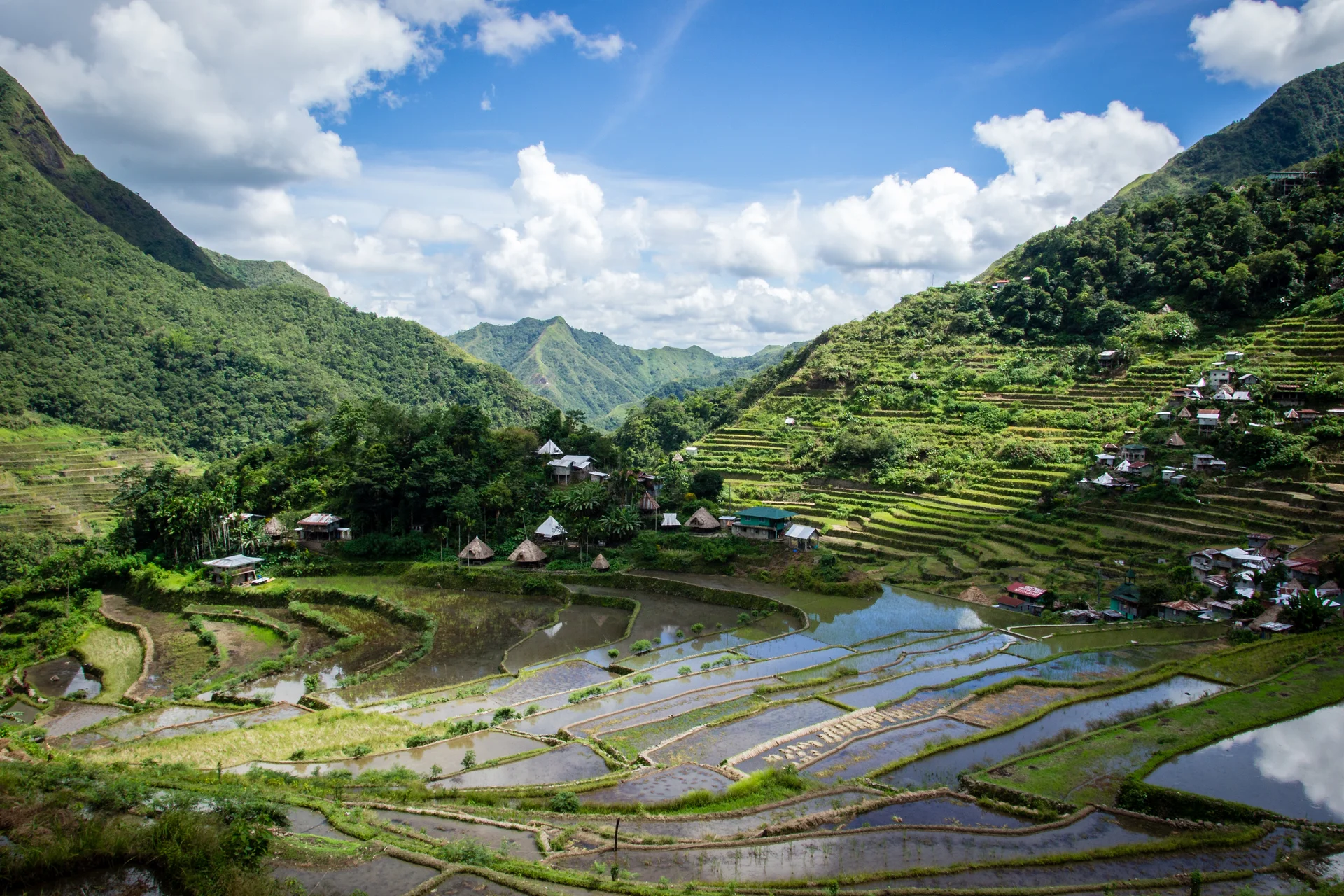
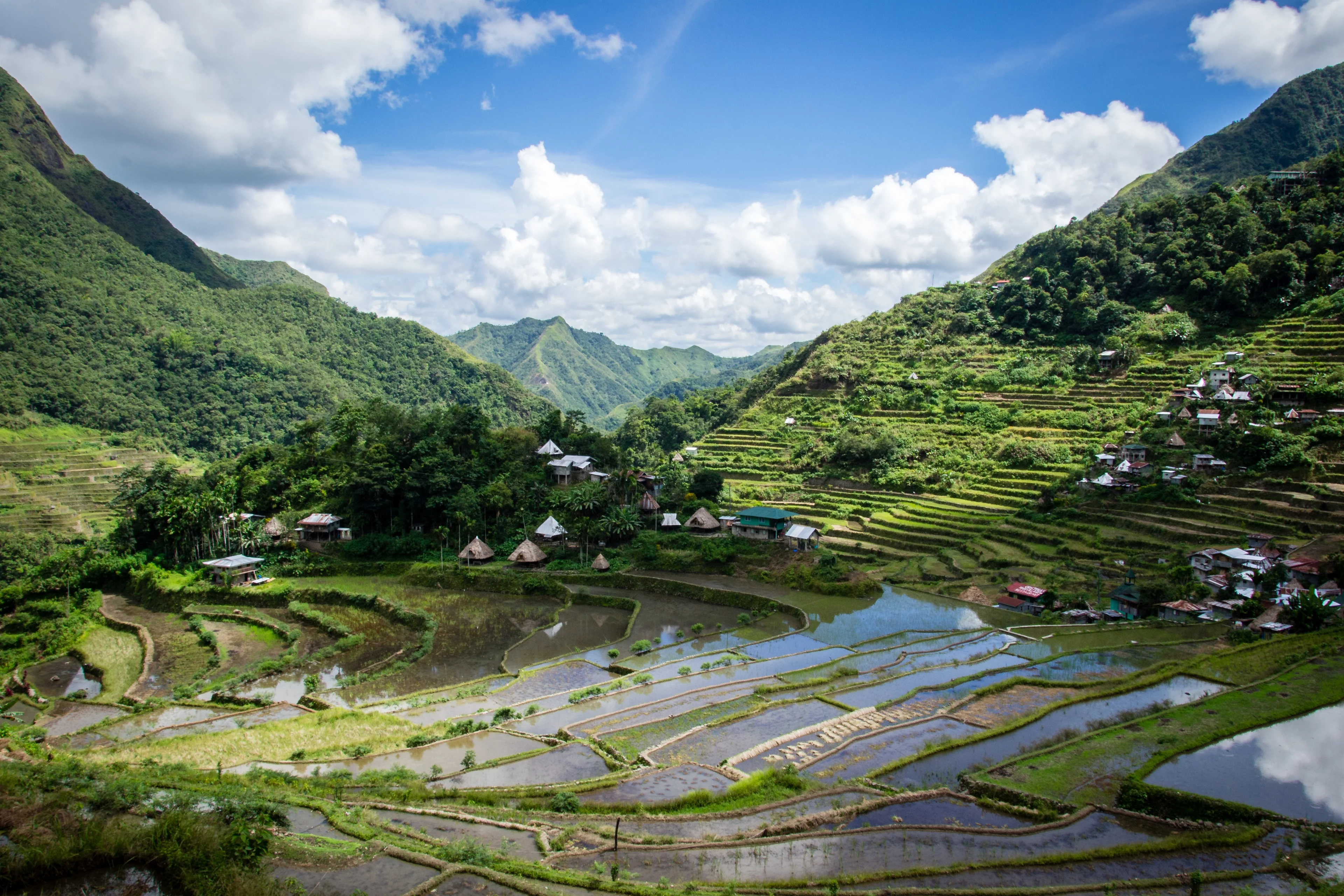
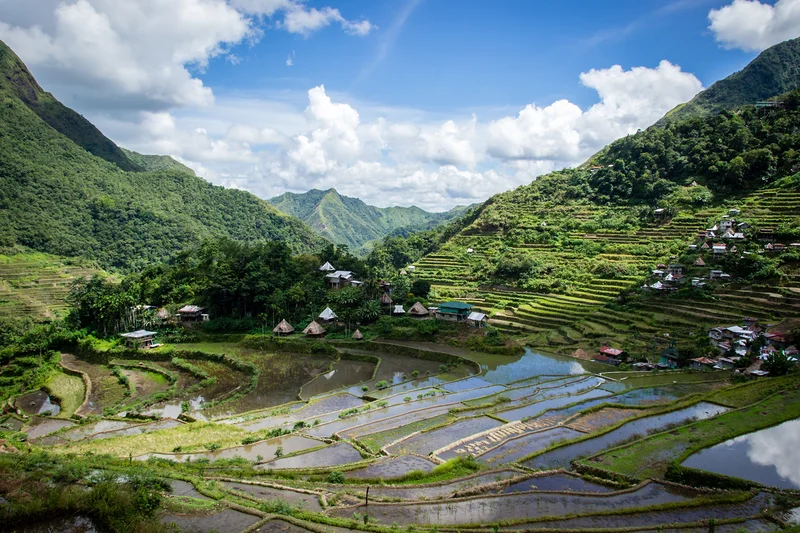
Banaue is a village on the island of Luzon in the Philippines, sitting at 1,200 meters above sea level in the Cordillera, on the slopes of Mount Amuyao. It's famous for its rice terraces, carved into the mountainside more than 2,000 years ago by the Ifugao people and listed as a UNESCO World Heritage site since 1995. The terraces catch water from the forests higher up the mountain and channel it down to grow rice. Local communities still farm them by hand today.

Gazing at the Banaue rice terraces, the "eighth wonder of the world"

Banaue is a small, picturesque village in the Philippines, one of the eleven villages of the Ifugao tribe. Temperatures run fairly cool because of the altitude and the mountain climate. Locals have grown rice here for at least two thousand years, and tourism is now growing fast too. The retaining walls that form the Banaue terraces were built by hand from local materials like mud and stone, and the landscape has been shaped this way for millennia. Locals reportedly call their rice fields "the stairways to heaven," given how much climbing it takes to reach the different paddies scattered across the valley.

From Banaue, you can walk through the surrounding rice terraces and reach several viewpoints, such as the Chango View Point or the Front Size View Point. If you're up for more of a challenge, you can also set off on a multi-day trek through the valley, ideally with a guide.

Starting point for superb treks in the Philippine Cordillera

Most treks take you right up close to the rice terraces and on to the neighboring villages of Batad, tucked into a green amphitheater, Bangaan and Cambulo. The hikes lead you deep into nature, to the Tappia Falls, a 21-meter waterfall where you can swim, and to the Guihob natural pool, though a typhoon partly destroyed it in 2010. The fittest hikers can reach the Awa View Deck, a trail with a sweeping bird's-eye view of the terraces below. You can also get from village to village by jeepney, the local form of transport, or by bike, which you can rent on site.

When to go

The landscape changes dramatically through the year. It turns lush and deep green during the rainy season in June and July, then drier and more mineral-toned between December and March, when the rice is planted. If you can, time your visit for the Ifugao indigenous culture festival in April! You'll see traditional costumes, songs and dances over several days of celebrations.

How to get there

From the capital, Manila, take a bus to Banaue. The trip takes about 9 hours and is best done overnight, though the scenery makes the daytime ride worth a look too!

#6 Siquijor +6 recs

Siquijor is an island located in the Visayas archipelago in the Philippines, famous for having long been a haven for sorcerers and folk healers, which makes it an island rarely visited by Filipinos themselves. Yet it is an island highly appreciated by travelers because life moves at a gentle pace and nature remains well preserved. Between sea urchin fishermen working the shores and vast stretches of rice paddies farmed by locals, Siquijor offers a deeply authentic atmosphere for those who take the time to step ashore.

Must-See Activities in Siquijor

Siquijor is a small island, but it packs plenty of natural discoveries, from beaches and nature reserves like the Cabilao butterfly sanctuary to turquoise waterfalls. Among the beaches to check out, do not miss Paliton beach for its stellar sunsets, or Salagdoong beach, which grants access to impressive wooden diving boards perched right on the cliffs. Most beaches are hidden or tricky to reach, so keep pushing through to find your own slice of paradise.

The island is rich in freshwater springs and caves, giving you plenty of ways to enjoy the Philippine outdoors. The Cambugahay falls are the best known and most frequented, where you can swing out over the water on a rope or lounge on particularly photogenic wooden rafts. Heads up, the Lugnason falls are permanently closed, as the water feeding them was diverted for local farming needs. For spelunking fans, the Cantabon cave opens regularly to the public for guided tours.

Another Side of the Philippines

Siquijor is an island where it feels good to slow down, soak in the atmosphere, and experience local lifestyles. Magic is still palpable on this small island in the Visayas archipelago thanks to the massive, 400-year-old Balete tree, which is said to possess healing properties. At the base of the tree, you can visit a pool where the famous fish massage is practiced, a relaxing way to treat and rest your feet. If the island's colonial heritage interests you, make sure to check out the San Isidro Labrador church in Lazi, built from coral stone. Right across the street stands the oldest convent in the Philippines, typical of Spanish colonial architecture with its wooden gable and row of aligned arches.

When to go

The dry season is the best time to explore the Philippines, running from January through April.

How to get there

There are two main routes to get to Siquijor: take the ferry from Cebu or Tagbilaran in Bohol over to Larena in Siquijor. Depending on your itinerary, you can also depart from Dumaguete on Negros island straight to Siquijor City. Either way, once you arrive on the island, rent a scooter to explore every corner.

#7 Makati +6 recs

Makati is one of the seventeen cities that make up Metro Manila, the capital region of the Philippines in Asia located on the island of Luzon, home to over 13 million residents. Makati serves as the country's main financial and economic hub. It is also one of the densest urban zones in the world, where skyscrapers stand right alongside informal settlements amid chaotic urban growth. The city is known for its luxury hotels, nightlife, high-end shopping, and relatively secure environment, making it a major draw for Western expats.

The Financial District of the Philippines

Makati concentrates most of the economic and financial activity of Metro Manila. It is also one of the capital's top spots for tourism and shopping. One of the most popular destinations is the Greenbelt Mall, a massive shopping center that features a central urban park and a chapel dating back to 1983, where many people come to worship.

Near this hub of retail and leisure, you will find the Ayala Museum, a modern building housing exhibits on the history of the Philippines from pre-colonial times to the present day. The museum also features galleries dedicated to Filipino artists. Just a short walk away, you can unwind at the Ayala Triangle Garden, a two-hectare green space ideal for walking and jogging. On the museum front, the Yuchengco Museum is worth checking out for local and international design works.

Nightlife and Cosmopolitan Vibe

Makati is the neighborhood most favored by tourists and expats, meaning options for going out are plentiful and lively. The area around Burgos Street is particularly popular for its wide selection of restaurants and bars. Be aware that this pocket is also known as Manila's red-light district, with a visible presence of sex workers.

On weekends, make sure to check out the Makati market, the Salcedo Market, which is the ideal spot to sample local street food and pick up artisan goods.

When to Go

The Philippines is most pleasant to visit between November and March, when temperatures drop slightly and the weather is dry. Avoid the summer rainy season between June and September. December and January are the peak months for tourism.

How to Get There

Makati sits right near Ninoy Aquino International Airport in Manila. Once you land, if you head out by road, grab a taxi or catch a jeepney, the most popular shared-jeep transit system in the Philippines. Originally built from surplus US military jeeps left behind after World War II, locals repurposed and brightly decorated them into vehicles that haul an impressive number of passengers at once.

If you prefer rail transit, take MRT Line 3 to the Ayala station.

#8 Coron +6 recs

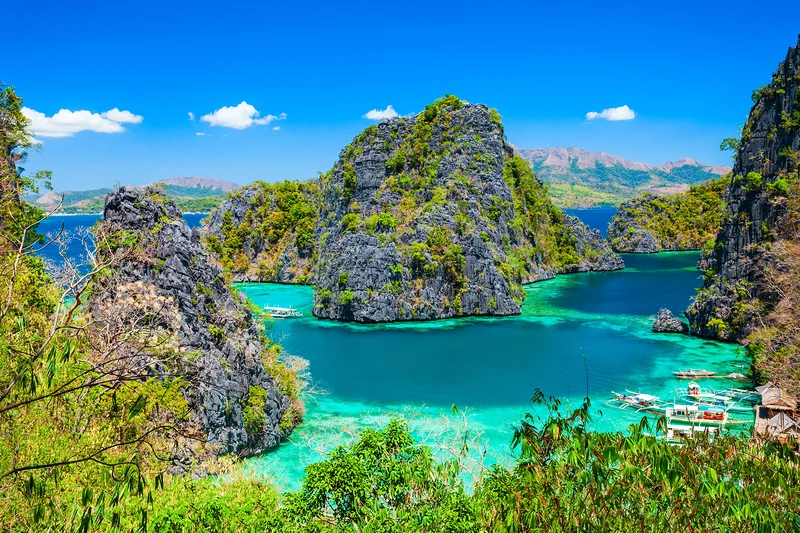
Coron is a town located on Busuanga Island in the Philippines, in the northern part of Palawan province. It gave its name to a neighboring island inhabited by the Tagbanua indigenous people, who secured management rights for it in 1998. Coron Island is accessible via island hopping tours through the reefs and lagoons on a traditional Philippine outrigger boat called a bangka. Packed with scenery ranging from inland turquoise lakes and limestone karst cliffs to vibrant coral reefs hugging the shores, Coron Island stands out as one of the most striking islands in the archipelago.

Exploring Coron Island

Coron Island holds plenty of spots to explore, starting with its dramatic inland lakes. Among them, you will find the vibrant color gradients of the Green Lagoon, the hypnotic turquoise water of the Twin Lagoons, and Kayangan Lake, a classic postcard landscape nestled between sheer rock peaks. Barracuda Lake is a natural curiosity made up of alternating layers of fresh and saltwater. The transition zones, or thermoclines, create layers of increasingly warm water reaching up to 38 °C at the bottom while surface temperatures hover around 28 °C.

The waters surrounding the island lend themselves well to diving and snorkeling, particularly around Siete Pecados, a cluster of seven islets featuring dense coral formations and reef life. From the town of Coron, you can also take boat trips out to see Japanese shipwrecks sunk during World War II, such as the Skeleton Wreck.
 

Immersing Yourself in Daily Life in Coron

Coron has kept its local Philippine character, and there is no shortage of things to do in and around town. Start with a hike up to the summit of Mount Tapyas, where climbing the roughly 700 steps rewards you with sweeping views over the bay and neighboring islands. For a purely local experience without avoiding the crowds, head to the cool waters of Concepcion Falls or soak in the geothermal waters at Maquinit Hot Springs, a favorite among local families. For another side of the island, check out Kingfisher Park, where a twilight kayak ride through the mangroves lets you spot fireflies along the water.

When to Go

The dry season running from January to April brings the lowest rainfall, making it the ideal window for visiting the Philippines.

Getting There

Several travel options get you to Coron. Flights run directly from Manila to Busuanga Island, followed by a transfer to Coron town via tricycle, jeepney, or a rented scooter. Alternatively, you can take a ferry to Coron from Manila or from the much closer coastal town of El Nido.

#9 Panglao +4 recs

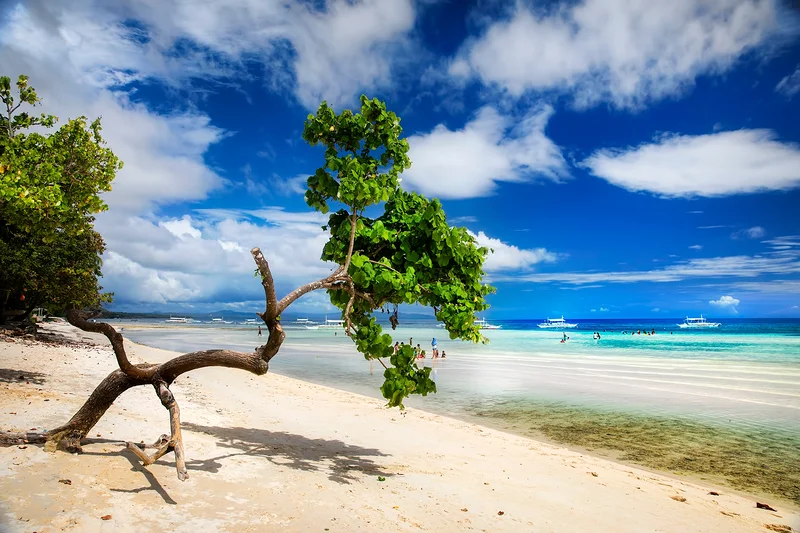
Panglao is the main town on the island of the same name, located within the Visayas archipelago in the Philippines. The island is easy to reach, connected to Bohol by two bridges. While Panglao is known for its beaches, it also anchors the local nightlife and offers endless options for water sports. Whether you are looking for kayaking, paddleboarding, snorkeling, freediving, or boat tours, you will have plenty of ways to fill your days.

Panglao Island: Beaches and boat trips

Panglao is primarily known for its main hub, Alona Beach. This 1.5-kilometer stretch is the center of island activity, packed with restaurants, bars, nightclubs, dive shops, and boat rental agencies. For those seeking quiet, the eastern end of the beach is more relaxed. You can also head to Dumaluan Beach, a beautiful stretch of white sand with warm, shallow water. Doljo Beach is much less crowded and serves as a prime spot for watching sunsets.

The most popular excursions from Panglao are boat trips to Virgin Island and Balicasag. Balicasag is a protected marine sanctuary that limits visitors to 150 people per day. Its waters are teeming with corals, fish, and sea turtles, making it a premier destination for diving in the Philippines. Virgin Island is a pristine sandbar that appears to float on the ocean.

Natural curiosities on the island include the Hinagdanan and Cambagat caves. These flooded caverns are filled with stalactites and stalagmites and contain interior pools where you can swim.

Panglao culture

Beyond the coast, Panglao is worth exploring for its food scene. The Bohol Bee Farm is a standout, promoting local organic produce and serving traditional Filipino recipes. The Shell Museum is another unique stop, housing one of the largest collections of seashells in the world.

If you are interested in the Spanish colonial legacy, visit the Church of Our Lady of the Assumption, also known as the Dauis Church. Built in 1753 and reconstructed several times following natural disasters, the architecture is eclectic, blending classical and Gothic elements. It long served as a fortress to protect locals from pirate raids. According to legend, the freshwater spring located under the main altar appeared miraculously when the residents were running out of supplies during a siege.

When to go

The dry season, running from January through April, is the best time to visit Panglao. Keep in mind that the Philippines see a peak in tourism during February, coinciding with the Lunar New Year.

How to get there

Since 2018 the island has had its own airport, Bohol-Panglao International Airport, with flights from Manila and Cebu. The alternative is a ferry from Cebu to the Tagbilaran port on the neighboring island of Bohol, from where you can reach Panglao by taxi, tricycle, or jeepney, depending on your schedule and budget.

#10 Carmen +1 rec

In Carmen, on the island of Bohol, hundreds of grass domes stretch as far as the eye can see to the horizon. The Chocolate Hills owe their name to the brown hue that appears during the dry season, looking like rows of chocolates lined up by a giant hand.

This tiny village is not built for lingering, but it makes an ideal base for an unforgettable sunrise ride by scooter before the tour buses roll in.

Our members' favourite things to do in the Philippines

Ranked on recommendations from travellers who did them

#1 Picnic Grove (Tagaytay) +7 recs 5/5

Picnic Grove is a green space overlooking Tagaytay and Taal Lake. This spot offers high-altitude views alongside space for a family picnic. The park features meadows, pine forests, food stalls, and signature picnic tables with pointed roofs. Visitors can walk, dine, or experience the heights via the zipline and Ferris wheel.

#2 Rizal Park (Manila) +6 recs 5/5

Rizal Park serves as a vital green space in Manila, Philippines. This site hosted the archipelago's declaration of independence and features the Rizal Monument, honoring the national hero. Known as Luneta during the Spanish era, this park sits between Taft Avenue and Manila Bay, offering prime sunset views, gardens, an orchidarium, and the Rizal Fountain.

#3 Taal Volcano (Talisay) +6 recs 5/5

Located about 40 miles south of Manila, the capital of the Philippines, this site is defined by its unusual geography. The volcano's crater contains a lake, which in turn features a small, rocky islet. This crater, known as Volcano Island, is itself an island sitting within the waters of Taal Lake. That lake is situated on the island of Luzon. This nested scale of land and water is unique in the world.

Taal is often cited as the smallest active volcano on the planet. More somberly, the eruptions and tsunamis triggered by its volcanic activity, combined with the proximity of populated areas, make it the deadliest in the history of the country.

The site is monitored and currently open to visitors. The volcano is never completely dormant, and you may see harmless fumaroles escaping from the crater. To reach it, you will need to take a banka, a type of traditional local outrigger boat, for a 20-minute ride to dock on Volcano Island. From there, you climb to the summit. The ascent to the crater, which reaches an elevation of 1,300 feet in some spots, can be done on foot or by horse. Hiking up is a decent workout, especially given the heat and humidity, but it is manageable without special equipment in about 40 minutes. Furthermore, hiking is free and allows you to take in the views at your own pace.

#4 Dumaluan Beach (Panglao) +4 recs 5/5

Stretching nearly two kilometers, Dumaluan Beach is the premier white sand destination on Panglao, Bohol, in the Philippines. Quieter than nearby Alona Beach, it features turquoise waters and a gentle slope perfect for families. With sunrise ocean views, shade from coconut palms, and soft sand, this spot is essential for true relaxation.

See the guide See deals

#5 Chocolate Hills (Carmen) +1 rec 3.5/5

Natural landmark roughly 60 km from Tagbilaran. From the viewing platform, climbing 214 steps gives you a 360-degree panoramic view of hundreds of cone-shaped hills. During the dry season, the grass covering these karst formations turns a chocolate-brown hue.

See the guide See deals
See the best activities in the Philippines

Map of the Philippines

Visiting the Philippines: The Archipelago of 7,000 Promises

Imagine a world where every island tells a different story, where crystal-clear waters hide submerged treasures, and where the warm hospitality of the locals turns every encounter into a moment of joy. Welcome to the Philippines, a string of 7,000 islands scattered between the South China Sea and the Pacific Ocean, where tropical Asia meets Spanish colonial heritage in an intoxicating blend.

The Philippines: Is It the Right Destination for You?

The Philippines appeals above all to travelers seeking authenticity and adventure. If you dream of deserted beaches, exceptional marine life, and dramatic volcanic landscapes, this archipelago will deliver. Scuba divers find their paradise here, hikers their mountainous playgrounds, and curious souls a fascinating blended culture.

Keep in mind, though, that traveling through the Philippines requires a certain flexibility. Distances between islands can be long, infrastructure is sometimes basic, and the rainy season (June to October) can disrupt your plans. Manila, the obligatory point of entry, remains a noisy and congested megacity that can be overwhelming. But once you push past these initial hurdles, the magic takes over.

Luzon: Between Urban Chaos and Natural Wonders

Manila strikes you first with its sheer intensity. This sprawling capital of 13 million residents still reveals its charms to those who look closer. Intramuros, the historic walled district, instantly transports you back to the Spanish colonial era. Its baroque churches, cobblestone alleys, and Fort Santiago tell four centuries of tumultuous history.

The true escape begins the moment you leave the capital. Head for the rice terraces of Batad, carved 2,000 years ago by the expert hands of the Ifugao people. These giant steps hug the curves of the Cordillera mountains, creating a landscape of striking beauty recognized as a UNESCO World Heritage site.

Friendly tip: Avoid visiting Batad on weekends. Local tourists flock here, and the magic of the place fades in the crowd.

Volcanoes and Whale Sharks: Adventure in the Great Outdoors

Mount Pinatubo offers one of the most spectacular hikes in the country. This volcano, famous for its devastating 1991 eruption, now hides a turquoise lake in its crater. The 14-kilometer round-trip trek takes you through lunar landscapes carved out by lava flows.

Further south, Donsol becomes the stage for an extraordinary spectacle between February and May: the migration of whale sharks. These gentle giants, measuring 12 meters long, glide through shallow waters, offering divers an unforgettable encounter with the largest fish on the planet.

Palawan: The Last Wild Frontier

Palawan embodies the ultimate tropical dream. This island-province stretching 650 kilometers separates the South China Sea from the Sulu Sea, harboring exceptional biodiversity between primary forests and pristine coral reefs.

El Nido, a small fishing village that gained fame for its lagoons, serves as the gateway to the Bacuit islands. These limestone jewels emerge from turquoise water like natural cathedrals, creating secret lagoons accessible only by kayak. Each islet reveals its own personality: powdery sand beaches, sea caves, and coral gardens.

Friendly tip: Book your boat tours the day before at the port in El Nido rather than through your hotel. You will save 30% and get to choose your group.

Coron: Diving Into History

The Coron archipelago hides one of the world's most stunning underwater ship cemeteries beneath its crystal-clear waters. A dozen World War II Japanese shipwrecks rest between 10 and 40 meters deep, transformed into colorful artificial reefs. Even beginners can explore these historical artifacts in the clear waters of Coron Bay; nearby Kayangan Lake is visited at the surface, for the clarity of its fresh water.

Visayas: The Art of Filipino Living

The central island group of the Visayas reveals the festive and welcoming soul of the country. Cebu, the nation's second city, blends modernity and tradition in its lively neighborhoods. But the real magic is hidden on the surrounding islands.

Bohol fascinates visitors with its Chocolate Hills, 1,268 perfectly rounded cones that turn brown during the dry season. In the tarsier sanctuary in Corella, these fist-sized primates with oversized eyes watch visitors with curiosity. Patience and silence are required to spot these nocturnal creatures with their piercing gaze.

Siquijor: The Mysterious Island

Nicknamed the island of witches, Siquijor nurtures its mysterious aura between pristine beaches and tropical forests. Traditional healers carry on ancestral rituals here, while the Cambugahay waterfalls provide natural swimming holes of an unreal shade of blue.

Boracay, despite its temporary closure for ecological rehabilitation, remains a world-renowned destination with its 4 kilometers of powdery white sand bordered by coconut palms. The island has recovered its former splendor thanks to dedicated preservation efforts.

Friendly tip: Avoid Boracay between December and February, which is peak season. Opt for April-May or September-November to enjoy the beaches in peace.

The Filipino Plate: Tropical Fusion

Filipino cuisine surprises with its blended influences. Adobo, the national dish, marinates pork or chicken in a mix of vinegar, soy sauce, and spices. Lechon, crackling spit-roasted whole pig, graces special occasions, while sinigang, a sour tamarind soup, warms up rainy evenings.

Exotic fruits abound: sweet mangoes from Guimaras, pungent durian from Davao, and pearly rambutans. Do not miss halo-halo, a shaved ice dessert mixing sweet beans, colorful jellies, condensed milk, and flan, creating a true rainbow in a glass.

Night markets highlight the sociable nature of Filipino culture over grilled fish, balut (fertilized duck egg), and lumpia (local spring rolls). A cold San Miguel beer pairs perfectly with these impromptu feasts on bustling sidewalks.

When to Visit the Philippines?

The dry season, running from November to April, offers the best conditions with temperatures ranging between 25 and 30°C and minimal rainfall. March and April can be scorching, especially in Manila where the thermometer approaches 35°C.

The monsoon sets in from May to October, with regional variations. The western part of the archipelago (Palawan, western Luzon) experiences its rainy season from June to November, while the east stays wet year-round. Typhoons threaten primarily between July and September.

For scuba diving, optimal conditions vary: Palawan and Boracay shine from November to May, while Bohol and Siquijor are best visited from February to June. Donsol reveals its whale sharks between February and May.

How to Get to the Philippines?

There are no direct flights linking Paris to Manila. Air France-KLM offers the most convenient connection with layovers in Amsterdam and Taipei, totaling about 16 hours of travel. Emirates, Qatar Airways, and Singapore Airlines provide alternatives via their respective hubs in Dubai, Doha, and Singapore.

Cebu Pacific and Philippine Airlines operate domestic flights to Cebu, Davao, Puerto Princesa (Palawan), and Kalibo (Boracay). These domestic connections let you skip the layover in Manila and head straight to your final destination.

French citizens enjoy visa-free entry for stays under 30 days. Entry rules vary by nationality: check the requirements that apply to your own passport. A passport valid for six months past your return date and a return ticket are all that is required.

Getting Around the Philippines

Ferries form the backbone of inter-island travel. 2GO Travel runs the main routes connecting Manila, Cebu, Bohol, and Palawan with modern, air-conditioned ships. Plan for 22 hours between Manila and Cebu, and 36 hours all the way to Puerto Princesa.

Jeepneys, those colorful buses adapted from 1945 US military jeeps, symbolize local transit. Inexpensive yet slow, they serve every corner of the main islands. Tricycles (motorcycles with sidecars) handle shorter distances.

Flying remains essential to save time between distant islands. Cebu Pacific, Philippine Airlines, and PAL Express blanket the archipelago with affordable fares when booked in advance. A Manila-Puerto Princesa flight costs between $56 and $111* depending on the season.

In Manila, the MRT and LRT elevated rail lines serve the capital efficiently. A day pass costing 100 pesos grants access to the entire network. Monster traffic jams make taxis impractical during rush hour.
Find the best travel deals in the Philippines

Hotels and stays Flights Car rentals Custom trips

Trip ideas and themed activities

Top 4 best travel agencies in the Philippines

More than 7,000 islands, itineraries that often require chaining domestic flights, bangkas, and buses, and an archipelago where two neighboring villages can be separated by hours of open water, planning a solo trip to the Philippines turns into a logistical headache in a hurry.

Working with an agency that actually knows the region saves you from missed connections and islands shut down during the off-season. Recommendations from Avygeo members, travelers just like you, guide this ranking to help you find the right fit.

Our regional guides

Luzon

Luzon

+67 recs

Top photos posted by members

Banaue Rice Terraces
Traffic
SM Megamall

Articles about the Philippines

Traveler reviews

Overhyped major disappointment in the Philippines

If you are looking into a trip to the Philippines, you have definitely heard of these famous chocolate hills. I had heard so much about them that I was expecting to fall totally in love, but in the en…

84

Bohol, exceptional beach, Chocolate Hills

Even though it is very busy with tourists, I really enjoyed the island of Bohol. Its natural beauty is undeniable, with superb beaches that are perfect for relaxing, and a pleasant atmosphere despite…

59

Unforgettable experience

I had the chance to discover the Pinatubo volcano during a trail run, and it was an unforgettable experience. The site is simply exceptional, but you have to earn the access, as effort and perseveran…

49

Exceptional

The Chocolate Hills are an absolutely exceptional site that is truly worth the trip. Standing before this unique landscape, made up of hundreds of perfectly shaped hills, you cannot help but be amazed…

65

The view is breathtaking

In my opinion, Banaue is a must-see on the island of Luzon. Perched in the mountains, this region offers spectacular rice terraces carved into the hillsides. The view is breathtaking. Authentic and g…

94