Manille

What to do in Luzon: top 7 highlights in 2026

A volcano in a lake, inside a volcano, inside a lake, an hour from a capital of thirteen million people. The rankings below are built by travellers like you.

Our members' favourite places in Luzon

Ranked on recommendations from travellers who went there

#1 Manila +22 recs

Manila is a city of sharp contrasts, to put it mildly. Some travelers suggest skipping the Philippine capital entirely, arguing it is not an easy place to visit. Others call it the "pearl of the Orient" and maintain its appeal is widely overlooked. Here are the top reasons to take the time to explore Manila if you are traveling around the Philippines.

Historic Churches and Insightful Museums

Manila often takes flak for its heavy traffic, political friction, and smog, yet certain neighborhoods reward exploration. The historic colonial district known as Intramuros holds the city's finest landmarks, including several churches. San Agustin Church, built in 1589, stands as the country's oldest religious building. Its earthquake-resistant baroque design, engineered to withstand the frequent seismic activity in the Philippines, earned it a spot on the UNESCO World Heritage list. For a deep dive into the nation's history, head to Fort Santiago, which houses a museum dedicated to José Rizal, the Philippine national hero. If you enjoy culture, you will likely make time for the National Museum of Fine Arts and Ethnography and the Ayala Museum covering pre-Hispanic Philippines. For something more eccentric, the Marikina Shoe Museum displays the 800 pairs of shoes once owned by the country's former First Lady.

A Cultural Melting Pot

The Philippine capital brings together diverse peoples and ethnic groups. Proof of this lies in the Chinese Cemetery, established in 1843 just outside Manila. You will find elaborate mausoleums, tombs, and sarcophagi built with a mix of Chinese and Western influences. Turtles, pagodas, three-story residential tombs, the variety and scale of the resting places are striking. Afterward, dive back into the frantic pace of Manila in Chinatown. Filipinos, Chinese, and Spanish populations have coexisted here for centuries. Founded in 1594, it is considered the oldest Chinatown in the world. Stop to sample delicious pancit (Chinese noodles), empanadas, or lumpia, a local cross between an egg roll and a spring roll.

Shopping and Cocktails

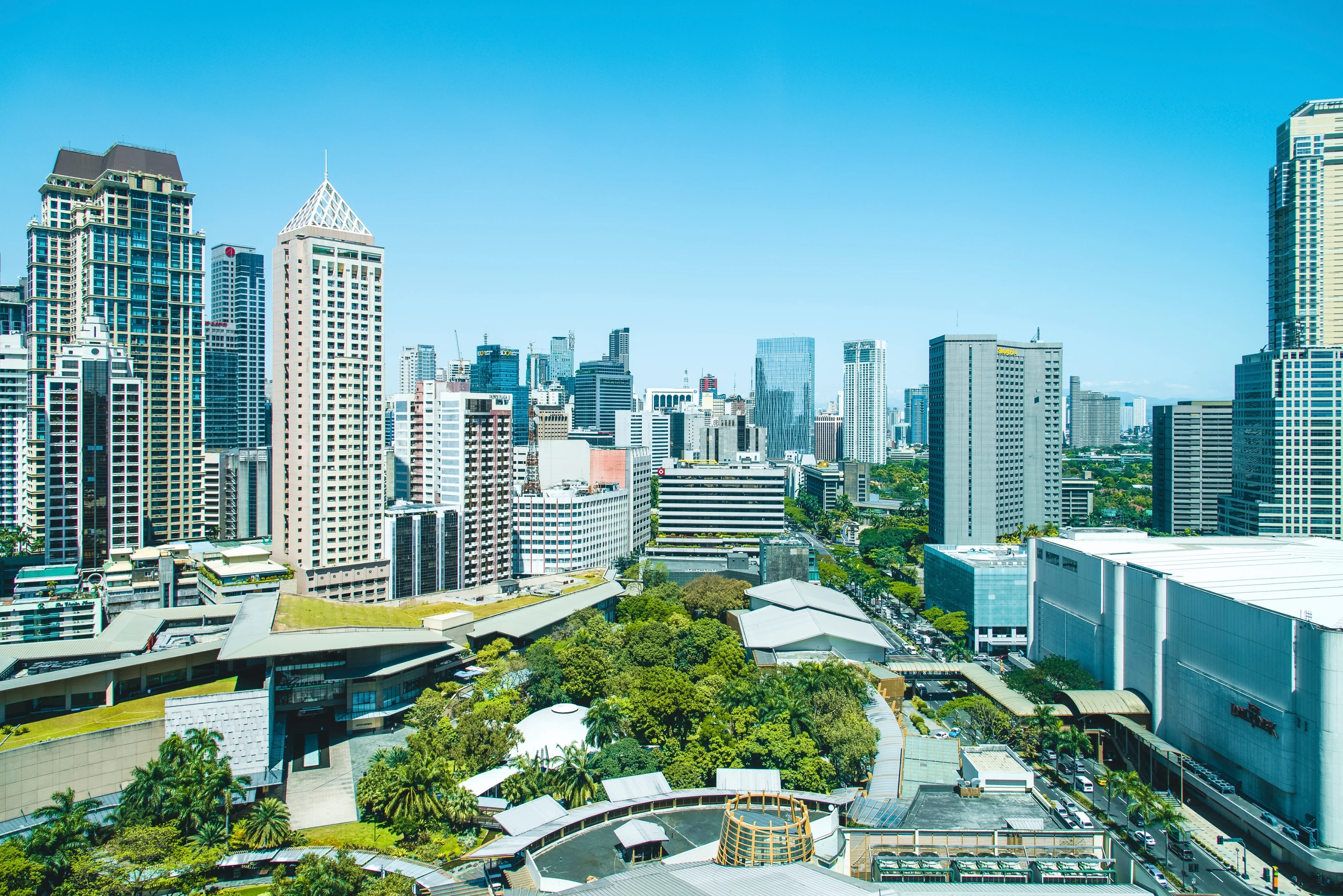
Manila is also a modern metropolis fully geared toward the twenty-first century. You can shop in trendy boutiques and check out the local arts scene at the Cultural Center of the Philippines. Makati, a sleek commercial hub 5 kilometres from Manila, features some of the largest shopping malls on earth. Grabbing a drink at a chic bar in Makati is practically mandatory, as the area is packed with rooftop lounges and cocktail spots.

When to Go

You can visit Manila year-round, but the most comfortable weather runs from December to February. From March to May, the dry season continues, but the heat becomes intense. From June to October, the monsoon season and typhoons bring heavy downpours.

How to Get There

A flight from Paris to Manila starts at around $580*. Your flight will likely include at least one layover in the United Arab Emirates or Kuwait, bringing the total travel time to about 16 to 17 hours.

#2 Tagaytay +13 recs

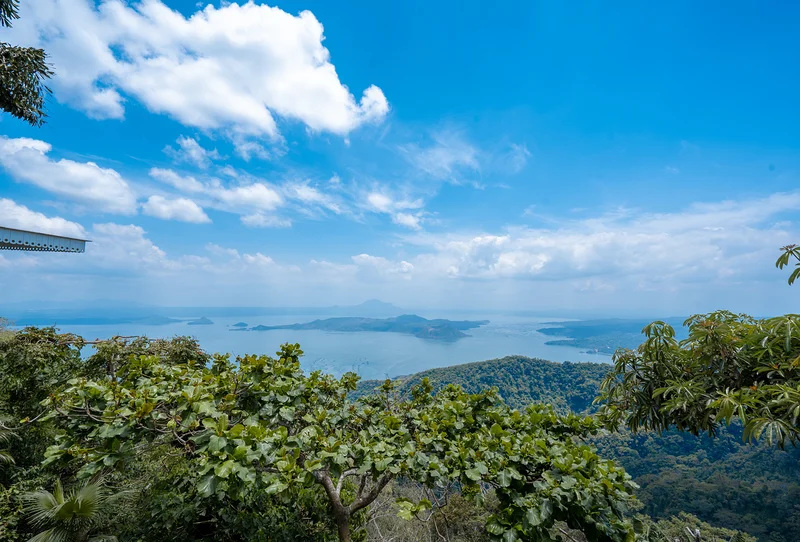
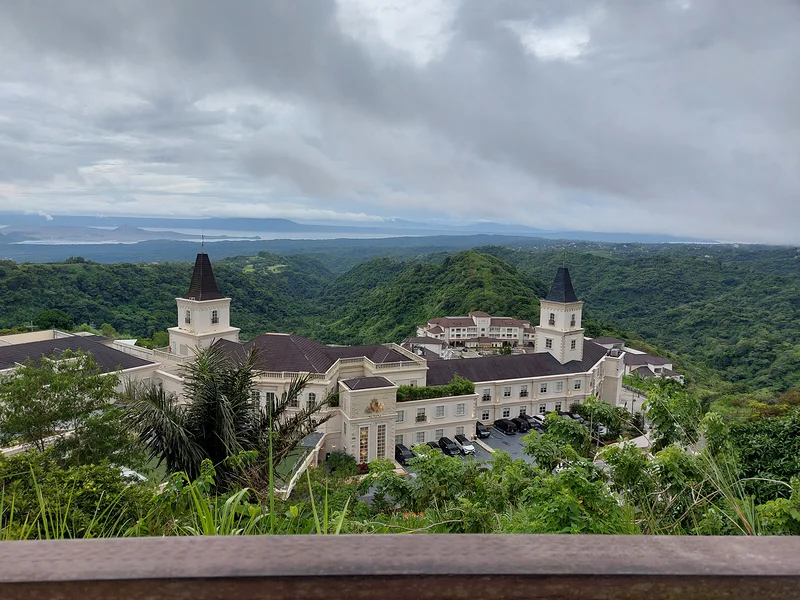
Tagaytay is a city in the province of Cavite, in the Philippines, located in the southern part of Luzon island, home to the capital, Manila. Sitting at an elevation of 2,000 feet, it enjoys cooler temperatures than the rest of the country, similar to the relief you might find in the Appalachian highlands. The name Tagaytay comes from the tagalog language, meaning "the ridge." The town sits on a high ridge overlooking Taal Lake and its iconic volcano, providing clear views of the surrounding landscape. The view from the rooftop of the Taal Vista hotel is widely considered one of the best in the area.

The city of Taal Volcano

Tagaytay is known primarily for its location, perched on a hillside that offers panoramas of the Caldera and the Taal volcano. This high-altitude placement was historically chosen to keep the town out of reach of the volcano's frequent eruptions, which have devastated lower-lying towns nearby.

The volcano of Taal is often called the smallest active volcano in the world, though it sits in a caldera tens of kilometers across: it is the central crater cone that is small. It erupted in 2020 and again in 2021 and 2022. It is a part of the Pacific Ring of Fire. From the nearby village of Talisay, you can arrange an excursion to the volcano: a short boat ride followed by a 40-minute hike brings you to the summit, its fumaroles, craters, and the lake inside the crater. Volcano Island has been a permanent danger zone since the 2020 eruption, so access depends on the orders in force.

Tagaytay began to grow in importance during the early 20th century. Located just a few hours south of Manila, it gradually became a popular retreat for residents of the capital seeking nature and quiet. In 1938, Philippine President Manuel L. Quezon visited Tagaytay to sign Commonwealth Act 338, which formally established the city.

A base for hiking

Tagaytay features several green spaces like Picnic Grove or the People's Park in the Sky, which has a unique history. These grounds were originally developed to house the residence of the former Philippine dictator, President Marcos. Following the 1986 People Power Revolution, the site was preserved and converted into a public park.

Tagaytay also serves as an ideal base for mountain hikes, including ascents of Mount Batulao, Mount Talamitam, or Mount Pico de Loro. The area is known for its flower fields and coconut plantations. Be sure to stop by the local market or try a bowl of bulalo, a beef shank soup that is the regional specialty.

When to go

The best time to visit the Philippines is between November and March, when temperatures are warm and rainfall is minimal.

How to get there

From the capital, Manila, take a bus from the Parañaque Integrated Terminal Exchange (PITX). The trip takes about 2 hours. If you are driving, you can reach the city via the Santa Rosa - Tagaytay Road in about 90 minutes.

#3 Banaue +10 recs

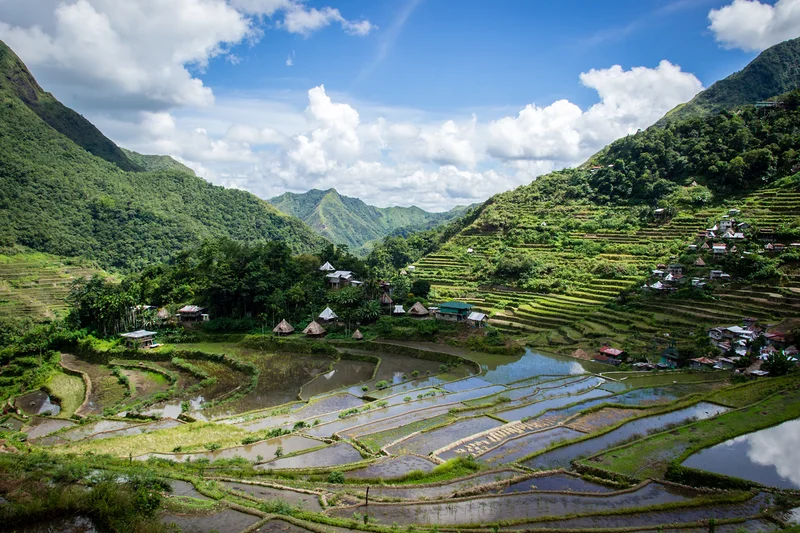
Banaue is a village on the island of Luzon in the Philippines, sitting at an elevation of 1,200 meters (about 3,900 feet) in the Cordillera mountains, on the slopes below Mount Amuyao. It is known for extensive rice terraces carved over 2,000 years ago by the Ifugao people, a site recognized as a UNESCO World Heritage landmark since 1995. These terraces function as a sophisticated irrigation system, capturing and distributing water from the mountain forests to nourish the rice crops. Even today, local farmers maintain the fields using traditional, manual techniques.

Seeing the rice terraces, the eighth wonder of the world

Banaue is a small, rugged village and one of eleven settlements inhabited by the Ifugao tribe. Expect cooler temperatures here thanks to the high altitude and mountainous terrain. While the local economy has been anchored in rice farming for two millennia, tourism is now a significant part of daily life. The retaining walls that form the terraces were built by hand, using local materials like mud and stone. Locals often refer to the fields as "stairways to the sky," a fitting name given the steep climbs required to reach the various basins scattered throughout the valley.

You can easily walk through the rice paddies from the village to reach observation points like the Chango View Point or the Front Size View Point. If you are looking for more of a workout, multi-day treks through the valley are available, and hiring a local guide is highly recommended.

Starting point for trekking in the Philippine Cordillera

Most treks lead you through the rice fields to neighboring villages like Batad, which sits inside a natural green amphitheater, as well as Bangaan and Cambulo. Hiking routes often lead deep into the wilderness to spots like Tappia Falls, a 21-meter (69-foot) cascade where you can take a dip, or the Guihob natural pool, which was partially damaged by a typhoon in 2010. Those looking for a challenge can head to the Awa View Deck, a trail that provides a sweeping aerial view of the terraces below. You can also travel between villages by jeep, the primary local transport, or by renting a bicycle on-site.

When to go

The scenery shifts dramatically throughout the year. The landscape is lush and vibrant green during the rainy season in June and July, while the atmosphere turns dry and earthy between December and March, which coincides with the rice planting season. If your schedule allows, try to visit during the Ifugao indigenous culture festival in April to experience days of traditional costumes, songs, and dances.

How to get there

From Manila, the capital, you can take a bus to Banaue. The trip takes about 9 hours. Nonstop flights link Manila with Los Angeles, San Francisco, New York, Vancouver, and Toronto. Many travelers prefer the overnight bus to save on time, though the daytime route offers impressive mountain views.

#4 Makati +6 recs

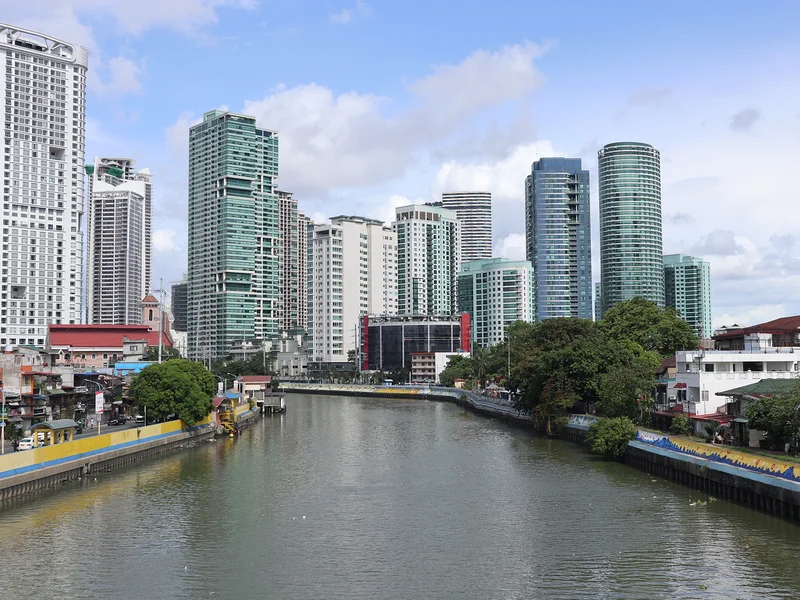
Makati is one of the seventeen cities that make up the Metro Manila region, the capital district of the Philippines in Asia. It sits on the island of Luzon, home to over 13 million people. Makati serves as the country's primary financial and economic hub. It is also one of the most densely populated urban areas on the planet, where skyscrapers stand in stark contrast to informal settlements. The city is known for its high-end hotels, nightlife, and luxury shopping, making it a popular choice for Western expats.

The Philippines' Business District

Makati consolidates most of the economic and financial activity for Metro Manila. It is also one of the capital's top spots for tourism and shopping. A major draw is the Greenbelt Mall, a sprawling shopping complex that features an urban park and a chapel dating back to 1983 at its center, where many locals go to pray.

Near this hub of retail and leisure, you will find the Ayala Museum, a modern facility with exhibits covering Philippines history from the pre-colonial era to the present. The museum also hosts galleries dedicated to Filipino artists. A short walk away, you can recharge at the Ayala Triangle Garden, a five-acre green space popular for walking and jogging. For more culture, the Yuchengco Museum is a great place to explore local and international design works.

Nightlife and Cosmopolitan Vibe

Makati is the district most frequented by tourists and expats, so the nightlife is active and varied. The area around Burgos Street is a common go-to for restaurants and bars. Keep in mind that this specific area is also known as Manila's red-light district, where sex work is visible.

On weekends, be sure to stop by the Salcedo Market in Makati. It is the perfect place to sample local culinary specialties and browse handmade goods.

When to go

The Philippines is most pleasant to visit between November and March, when temperatures drop slightly and the weather is dry. Avoid the rainy season from June through September. Note that December and January are the peak months for tourism.

How to get there

Makati is conveniently located near Ninoy-Aquino International Airport in Manila. Once you arrive, you can grab a taxi or hop in a jeepney, the most common form of local transport in the Philippines. These vehicles originated from jeeps left behind by the U.S. military after World War II. They have since been refurbished and painted in bright, vibrant colors, often carrying an impressive number of passengers at once.

If you prefer public transit, take the MRT Line 3 to the Ayala station.

Our members' favourite things to do in Luzon

Ranked on recommendations from travellers who did them

#1 Picnic Grove (Tagaytay) +7 recs 5/5

Picnic Grove is a green space overlooking Tagaytay and Taal Lake. This spot offers high-altitude views alongside space for a family picnic. The park features meadows, pine forests, food stalls, and signature picnic tables with pointed roofs. Visitors can walk, dine, or experience the heights via the zipline and Ferris wheel.

#2 Rizal Park (Manila) +6 recs 5/5

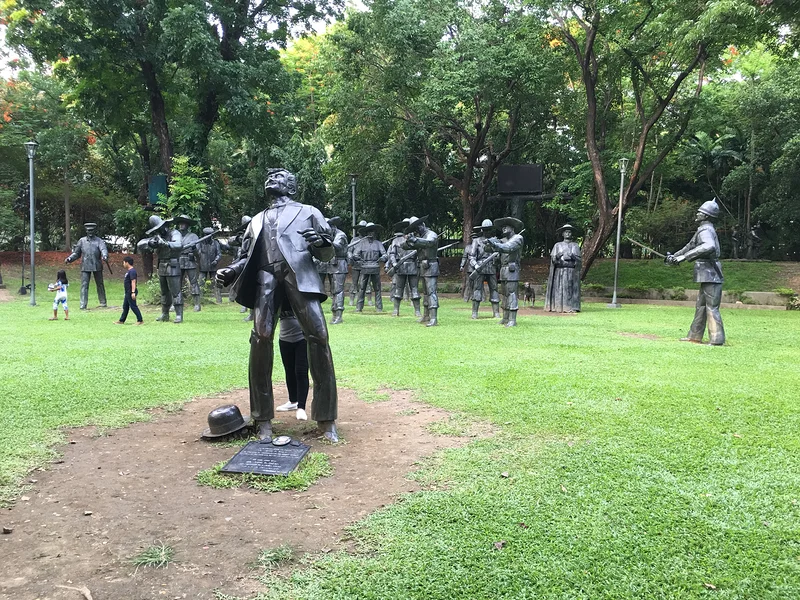
Rizal Park serves as a vital green space in Manila, Philippines. This site hosted the archipelago's declaration of independence and features the Rizal Monument, honoring the national hero. Known as Luneta during the Spanish era, this park sits between Taft Avenue and Manila Bay, offering prime sunset views, gardens, an orchidarium, and the Rizal Fountain.

#3 Taal Volcano (Talisay) +6 recs 5/5

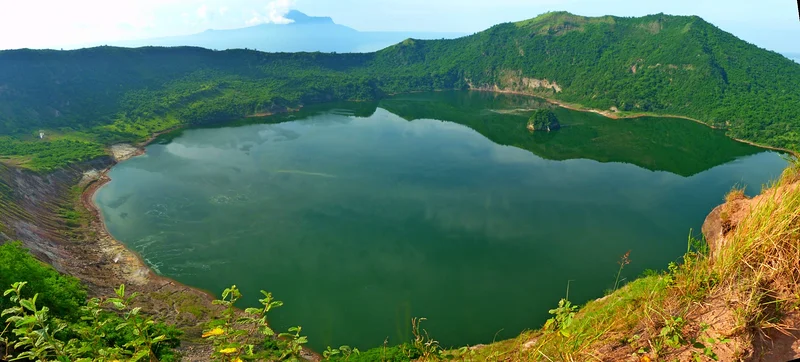
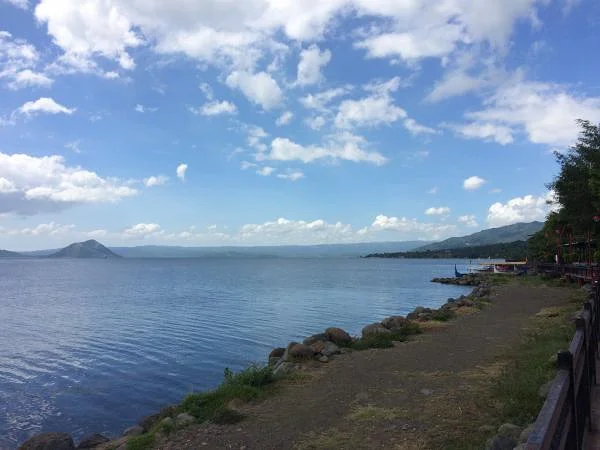
Located about 40 miles south of Manila, the capital of the Philippines, this site is defined by its unusual geography. The volcano's crater contains a lake, which in turn features a small, rocky islet. This crater, known as Volcano Island, is itself an island sitting within the waters of Taal Lake. That lake is situated on the island of Luzon. This nested scale of land and water is unique in the world.

Taal is often cited as the smallest active volcano on the planet. More somberly, the eruptions and tsunamis triggered by its volcanic activity, combined with the proximity of populated areas, make it the deadliest in the history of the country.

The site is monitored and currently open to visitors. The volcano is never completely dormant, and you may see harmless fumaroles escaping from the crater. To reach it, you will need to take a banka, a type of traditional local outrigger boat, for a 20-minute ride to dock on Volcano Island. From there, you climb to the summit. The ascent to the crater, which reaches an elevation of 1,300 feet in some spots, can be done on foot or by horse. Hiking up is a decent workout, especially given the heat and humidity, but it is manageable without special equipment in about 40 minutes. Furthermore, hiking is free and allows you to take in the views at your own pace.

Map of Luzon

Visiting Luzon

Luzon is the largest island in the Philippines and the one that holds everything: the capital, the power, the money, and the country's only mountain range above two thousand seven hundred metres.

Manila divides travellers as few cities do: some advise fleeing it, others never leave. Tagaytay offers the shortest way out, at six hundred metres, and Banaue the longest.

You will love it if

  • You want an Asia where English gets you everywhere
  • Farmed landscapes interest you as much as beaches
  • You come between January and March, the one reliable window

Look elsewhere if

  • You cannot stand traffic: Manila's is among the worst in the world
  • You come between July and October: it is typhoon season
  • You want postcard islands: they are elsewhere in the archipelago

The must-sees

The highlights

  1. Taal Volcano

    1 Taal Volcano +6 recs

    Sixty kilometres south of Manila, a crater filled by a lake, out of which rises an islet that itself holds a lake. It is one of the country's most active volcanoes, and access to the central island depends on the alert level, reassessed constantly.

  2. Picnic Grove

    2 Picnic Grove +7 recs

    Thirteen hectares of park on the Tagaytay ridge, and the best viewpoint over Taal lake and its volcano. Come at first light, before the heat haze rises off the plain.

  3. Rizal Park

    3 Rizal Park +6 recs

    Fifty-eight hectares along Manila Bay, with Chinese, Japanese and Italian gardens. This is where José Rizal was shot in 1896, and that precise spot set off the Philippine revolution: the park is a political place before it is a garden.

  4. The rice terraces of Banaue

    4 The rice terraces of Banaue +10 recs

    At twelve hundred metres on the slopes of Mount Amuyao, terraces dug by hand by the Ifugao and tended ever since. Five clusters in the cordillera are World Heritage listed, and the irrigation still works without a single pump.

  5. Makati

    5 Makati +6 recs

    One of the seventeen cities of Metro Manila, and the country's financial district: glass towers, unbroken pavements and air-conditioned malls. It is the capital's other face, fifteen minutes from the first.

The classic mistake

Planning Banaue as two days out of Manila. The night bus takes nine to ten hours, and the mountain road can close after rain. Three nights there is the honest minimum, five if you want to walk out to the hamlets.

Our itineraries in Luzon

Our itineraries by length of stay
LengthItineraryWhat you see
3 daysManila and MakatiIntramuros, Rizal Park, both faces
5 daysManila › TagaytayThe capital and Taal Volcano
10 daysManila › Tagaytay › BanaueThe city, the volcano, the cordillera

Tagaytay is sixty kilometres from Manila, but allow two to three hours depending on traffic: distance means nothing here, departure time means everything.

Leaving Manila before six or after eight in the evening halves the journey. That is not a comfort tip, it is the only way to hold an itinerary together.

When to visit Luzon

RatingSeasonWeatherCrowds and prices
January to March24 to 31 °C, dryHigh season, the one reliable window
April and May32 to 36 °C, very humidLocal holidays, hard heat
July to OctoberTyphoons, monsoon rainLight, flights and roads cancelled
November and December25 to 30 °C, last of the rainModerate, fair rates

Our advice

Around twenty typhoons hit the Philippines each year, and Luzon takes most of them. They are only forecast five days out: cancellation insurance and two spare days in the plan are the only real protection between July and October.

Getting to Luzon

  1. 1 By plane The way in

    no non-stop from Britain: one change in the Gulf or in East Asia, and sixteen to nineteen hours of travel. Manila airport is the island's only international entry point.

  2. 2 By bus On the ground

    the network covers the whole island, cordillera included: air-conditioned night buses to Banaue leave in the evening and arrive at dawn. They are safe and punctual, provided you book.

  3. 3 By jeepney In the city

    the local bus, a body dropped onto a post-war military chassis. It has no fixed stops: you knock on the roof to get off, and pay by passing your coins hand to hand.

Manila airport has four terminals that are not connected to one another, and moving between them takes an hour by car in traffic. Check your connecting terminal beforehand, and allow three hours.

Getting around Luzon

Makati is walkable, which is rare in Metro Manila: covered walkways link the towers and malls over several kilometres, air conditioning included. Elsewhere, ride-hailing apps are the most reliable answer.

Worth knowing

Access to the central island of Taal Volcano shuts as soon as the volcanology institute raises the alert level, which happens several times a year. The viewpoint at Picnic Grove always stays open: it is the fallback, and it is a good one.

What to eat in Luzon

  • Adobo: pork or chicken simmered in vinegar, soy, garlic and bay. Every family has its version, and it is the one dish the whole archipelago accepts as national.
  • Sinigang: a sour tamarind broth with fish or pork and greens. Sourness is the base note of Filipino cooking, more than chilli.
  • Lechon: suckling pig spit-roasted for hours, served whole at celebrations. The skin is the piece people fight over, not the meat.
  • Halo-halo: shaved ice, evaporated milk, sweet beans, flan, jellies and ube, the purple sweet potato. You mix it all before eating; the name means mix.
  • Pan de sal: the morning roll, faintly sweet despite the name, bought warm from the neighbourhood bakery before seven.
  • Kapeng barako: the liberica coffee grown on the slopes around Tagaytay and Batangas, very strong, from one of the few regions in the world that still produces it.
  • Bulalo: beef shank and marrow broth, a speciality of the Taal lake area, served scalding hot despite the climate.

Three centuries of Spanish rule left adobo and lechon, fifty years of American administration left ham for breakfast and the shopping mall. The cooking of Luzon reads like a political history.

At Banaue the terrace rice is a local variety grown once a year, and it does not leave the valley: tasting it there is the only way.

Where to stay in Luzon

AreaWhat it is forWorth knowing
MakatiSafety, restaurants, walkwaysThe default choice, dear but walkable
Manila, IntramurosRizal Park, the Spanish city, the bayThe historic quarter, quiet in the evening
Manila, ErmitaMuseums, budget, Manila BayCentral and cheap, choose carefully
TagaytayPicnic Grove, Taal Volcano, cool air20 °C at night, full at weekends
BanaueTerraces, walking, the cordilleraSimple guesthouses, hot water is rare

At Tagaytay, Manileños drive up at weekends to sleep under a blanket: at six hundred metres the night drops to twenty degrees, which is a luxury in this country. Rates reflect it from Friday to Sunday.

At Banaue the accommodation is simple and family-run. Terrace guides are hired on the spot at the village office, and that system supports the families who maintain the walls.

How much does a trip in Luzon cost?

Indicative budget per person, excluding the flight to the Philippines
StyleLengthBudget per person
Budget (hostel, buses, canteens)10 days300 to 450 €
Comfortable (hotel, ride-hailing, restaurants)10 days700 to 1,100 €
High end (upscale hotel, driver, guides)10 days2,000 to 3,000 €
  • Night buses: ten euros for Manila to Banaue in an air-conditioned reclining seat, and a hotel night saved.
  • Turo-turo canteens: you point at what you want behind the glass, two euros for a full meal. That is the country's real restaurant network.
  • Rizal Park: free, with its three gardens, and the biggest breathing space in Manila.
  • Weekdays in Tagaytay: the same rooms with a volcano view cost half as much Monday to Thursday.
  • Avoid Holy Week: the whole country is on the move, buses are full and prices double for ten days.

Traditions and way of life in Luzon

The Philippines were Spanish for three centuries and thirty-three years, then American for forty-eight. Hence the Catholicism of eighty per cent of the population, the Castilian surnames, and the English spoken everywhere, still the language of government and of the universities.

Rizal Park carries the name of the doctor and novelist shot there in 1896 for his books: his execution turned a reform movement into a revolution. No other country in Asia made a novelist its national hero.

Two useful habits. Strangers are addressed as ate and kuya, older sister and older brother, waiters and drivers included: first names come later, if at all.

And at Banaue the terraces are private property, maintained by families for generations. You do not walk the walls without a guide, not out of caution but out of respect: a broken wall costs someone a harvest.

Top photos posted by members

traffic
SM megamall
vue sur le lac et le volcan

Articles posted by members

Traveler reviews

Unforgettable experience

I had the chance to discover the Pinatubo volcano during a trail run, and it was an unforgettable experience. The site is simply exceptional, but you have to earn the access, as effort and perseveran…

32

The view is breathtaking

In my opinion, Banaue is a must-see on the island of Luzon. Perched in the mountains, this region offers spectacular rice terraces carved into the hillsides. The view is breathtaking. Authentic and g…

40

not much to see

I have to admit that I didn't really enjoy my visit to Manila. Aside from discovering a few interesting markets, the city didn't win me over. What strikes you most is the stark contrast between the l…

112

Escaping Manila.

If you want to escape for a while the very busy city of Manila then Picnic Grove is a very good place to go. You can stroll the paths or just sit , relax and reminiscence the view of Taal lake.

7

Perfect for a family lunch

It is a spot on a hill where many tables and shelters are set up so you can eat in a group. Wooden stairs and bridges allow you to walk around this green space.

4