
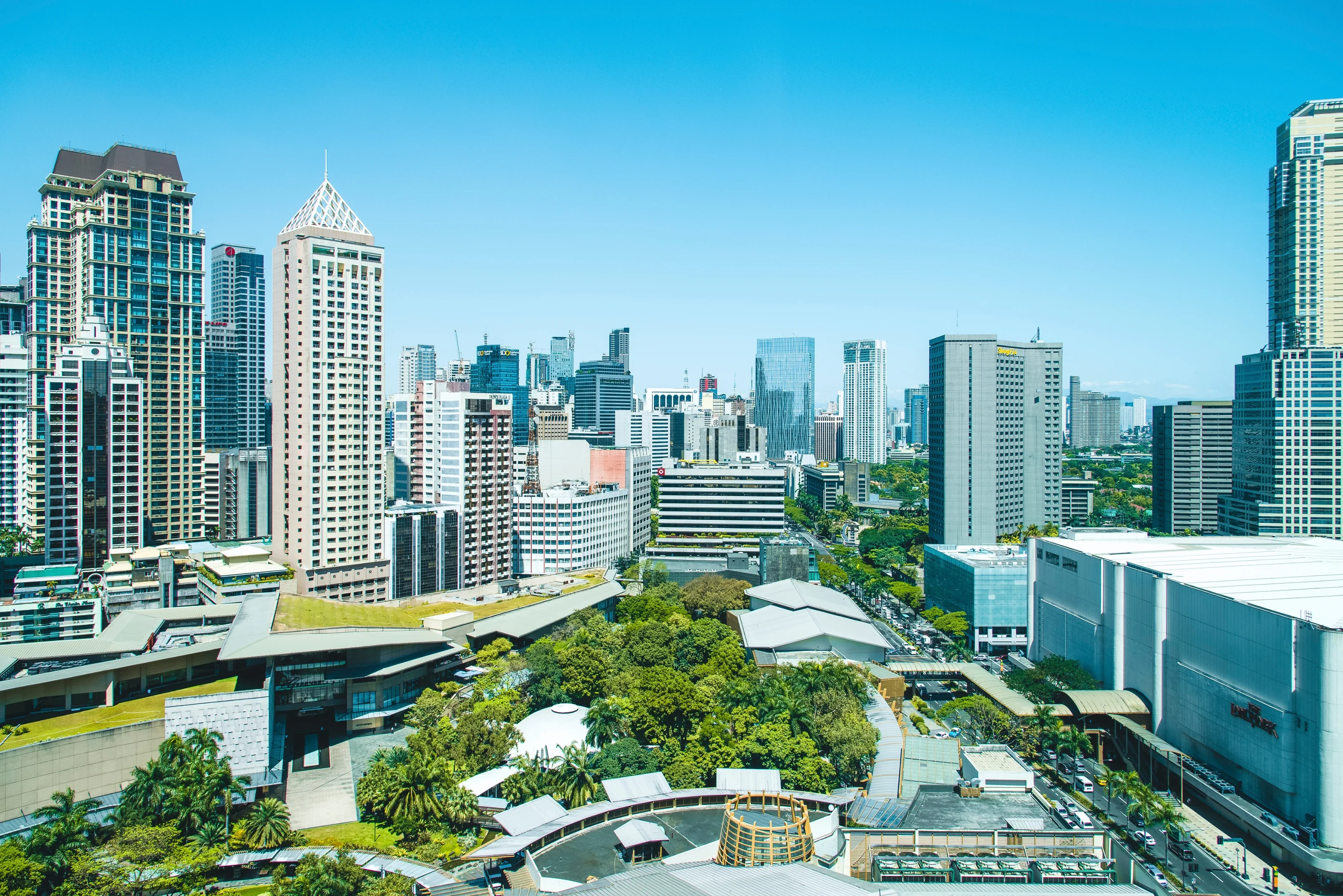


Manila at a Glance
Manila splits opinion sharply. Some travel advisors tell you to skip the Philippine capital entirely, arguing it makes for a rough stop for international visitors. Others call it the pearl of the orient and insist its appeal is severely underrated. Here are the top reasons to carve out time for Manila if your itinerary takes you to the Philippines.
Historic Churches and Insightful Museums
Manila often cops criticism for its gridlocked traffic, political noise, and heavy smog. Yet certain neighborhoods are entirely worth the trip. The historic colonial district known as Intramuros packs in the city's finest landmarks, including several standout churches. San Agustin Church, built in 1589, holds the title of the oldest stone church in the country. Its earthquake-resistant baroque architecture, designed to withstand frequent tremors, earned it a UNESCO World Heritage listing. For a deep dive into the nation's past, head to Fort Santiago, which houses a museum dedicated to José Rizal, the national hero of the Philippines. If you appreciate culture, you will likely find yourself heading to the National Museum of Natural History and Ethnography alongside the Ayala Museum for a look at pre-Hispanic Philippines. On a more eccentric note, the Marikina Shoe Museum displays the eight hundred pairs of shoes left behind by the country's former First Lady.
A Cultural Melting Pot
The Philippine capital functions as a crossroads where numerous communities and ethnicities meet. A prime example is the Chinese Cemetery, established in 1843 just outside central Manila. Inside, you will find extraordinary mausoleums, tombs, and vaults blending Chinese and Western architectural styles. Turtles, pagodas, and three-story miniature houses fill the grounds, showcasing an astonishing variety of tombs. Back in the frantic energy of the city, head into Chinatown. Filipinos, Chinese, and Spanish communities have lived side by side here for centuries. Founded in 1594, it stands as the oldest Chinatown in the world. Grab a plate of pancit noodles, empanadas, or lumpia, a local cross between a spring roll and a wrap.
Shopping and Rooftop Cocktails
Manila is also a modern metropolis that fully embraces the twenty-first century. You can shop in trendy boutiques and catch local arts performances at the Cultural Center of the Philippines. Makati, a gleaming financial hub located 5 km from downtown Manila, houses some of the largest shopping malls on the planet. Grabbing a drink at a rooftop bar in Makati makes for a great evening out, as upscale cocktail lounges are everywhere.
When to Go
You can visit Manila year-round, but the most comfortable weather runs from December through February. From March to May, the dry season continues, but temperatures soar to oppressive levels, while the monsoon season brings heavy downpours from June to October.
Getting There
Flights from Europe to Manila start around $550*. Your flight will typically include at least one layover in the Middle East or Asia, with total travel times averaging around 16 to 17 hours.

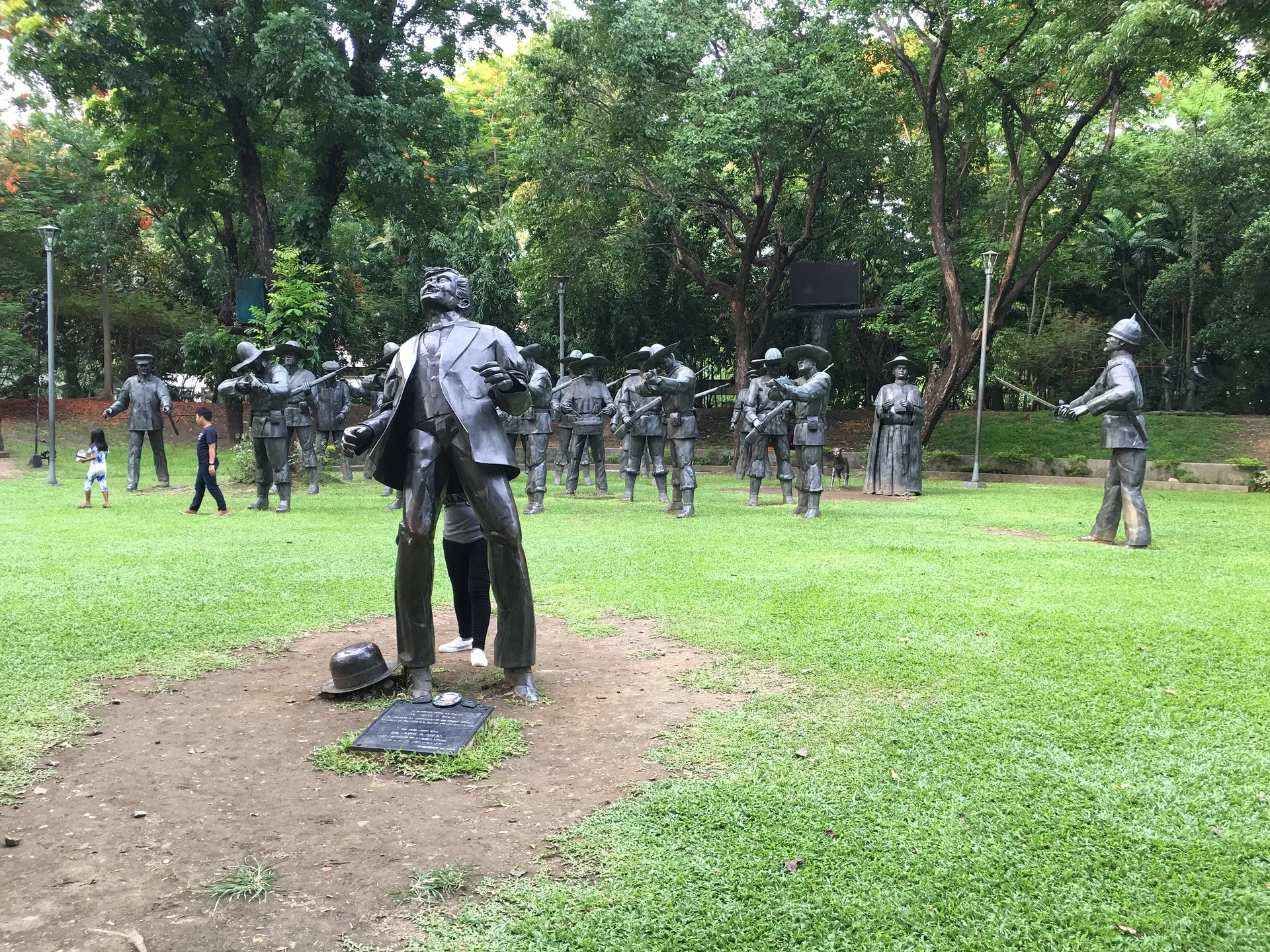

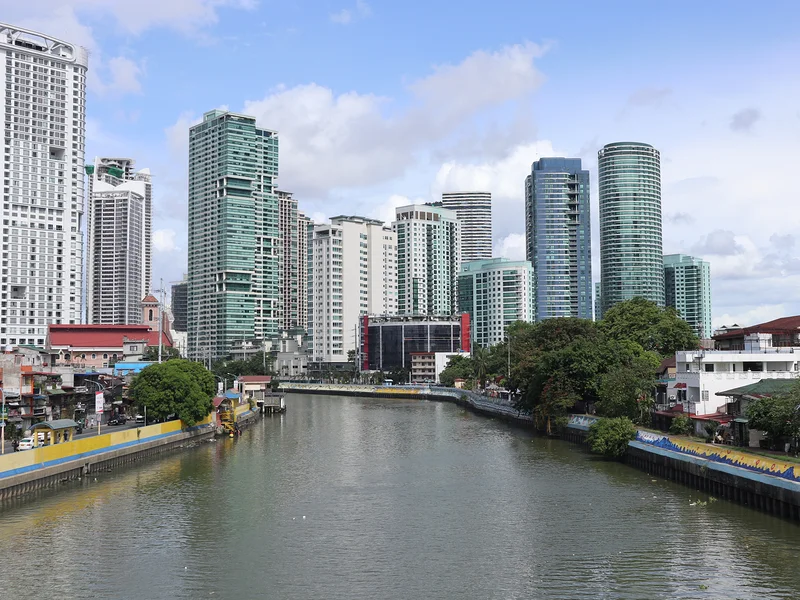

I have to admit that I didn't really enjoy my visit to Manila. Aside from discovering a few interesting markets, the city didn't win me over.
What strikes you most is the stark contrast between the luxury hotels and the poverty that is everywhere in the streets.
In my opinion, Manila doesn't offer much of interest for travelers, other than its practical function as the home of the international airport that makes it easier to reach other regions of the Philippines.