Visiting the Philippines: 7,000 Islands, 7,000 Stories
Seven thousand islands scattered between the South China Sea and the Pacific Ocean. That's the Philippines, and no two of them feel the same. Tropical Asia collides with four centuries of Spanish colonial history, and the result is unlike anywhere else on the continent.
Is the Philippines the right destination for you?
The Philippines rewards travelers who are genuinely flexible. If empty beaches, world-class diving, and volcanic landscapes are on your list, this archipelago delivers. Divers come for the reefs, hikers come for the mountains, and anyone curious about a genuinely layered culture will find plenty to dig into.
That said, go in with realistic expectations. Getting between islands takes time, infrastructure outside the main tourist zones can be basic, and the rainy season (June through October) can derail plans fast. Manila, the entry point for most international flights, is a sprawling, noisy, traffic-choked city of 13 million that can feel overwhelming on arrival. Push through it, though, and the rest of the country more than makes up for it.
Luzon: urban chaos and natural wonders
Manila hits hard at first. But the walled colonial district of Intramuros is worth your time: baroque churches, cobblestone streets, and Fort Santiago tell 400 years of turbulent history in a way that no museum could. Think of it as the Philippines' answer to Old San Juan, minus the cruise ship crowds.
The real shift happens once you leave the capital. Head north to the rice terraces of Batad, hand-carved into the Cordillera mountains by the Ifugao people roughly 2,000 years ago. The terraces follow the mountain contours in sweeping steps that look almost too perfect to be real. UNESCO agrees: they're a World Heritage Site.
Insider tip: Skip Batad on weekends. Domestic tourists flood the site and the whole atmosphere changes. Go on a weekday and you'll often have the viewpoints nearly to yourself.
Volcanoes and whale sharks: the outdoor adventure case
Mount Pinatubo is one of the country's best hikes. The volcano erupted catastrophically in 1991, and today its crater holds a striking turquoise lake. The round-trip trek covers about 9 miles through lunar-looking lava fields. It's not technical, but it's a full-day commitment.
Further south, the town of Donsol becomes one of the world's best places to swim with whale sharks between February and May. These gentle filter-feeders reach up to 40 feet long and cruise the shallow waters close to shore. It's a snorkeling experience more than a dive, and genuinely unlike anything you'll find in the Caribbean.
Palawan: the last wild frontier
Palawan is a long, narrow island-province stretching about 400 miles between the South China Sea and the Sulu Sea. Old-growth forest meets immaculate coral reefs, and development is still light enough that it feels like the Philippines did 30 years ago.
El Nido, a small former fishing village, is the gateway to the Bacuit Archipelago. Massive limestone karsts rise straight out of turquoise water, enclosing hidden lagoons you can only reach by kayak. Each small island has its own character: powdery sand beaches, sea caves, coral gardens. It's the kind of scenery that looks like a screensaver but is completely real.
Insider tip: Book your island-hopping tours the evening before at the port in El Nido rather than through your hotel. You'll pay about 30% less and get to choose your group size.
Coron: diving into WWII history
The Coron archipelago holds one of the best wreck diving destinations in the world. Around a dozen Japanese warships sunk during World War II rest at depths between 30 and 130 feet, now fully colonized by coral and marine life. Even beginners can explore the shallower wrecks, and Kayangan Lake offers crystal-clear snorkeling for non-divers.
The Visayas: where Philippine culture shines
The central Visayas islands are where the country's festive, welcoming character really comes through. Cebu, the Philippines' second city, mixes modern malls with old colonial churches and a food scene that rivals Manila. But the surrounding islands are the real draw.
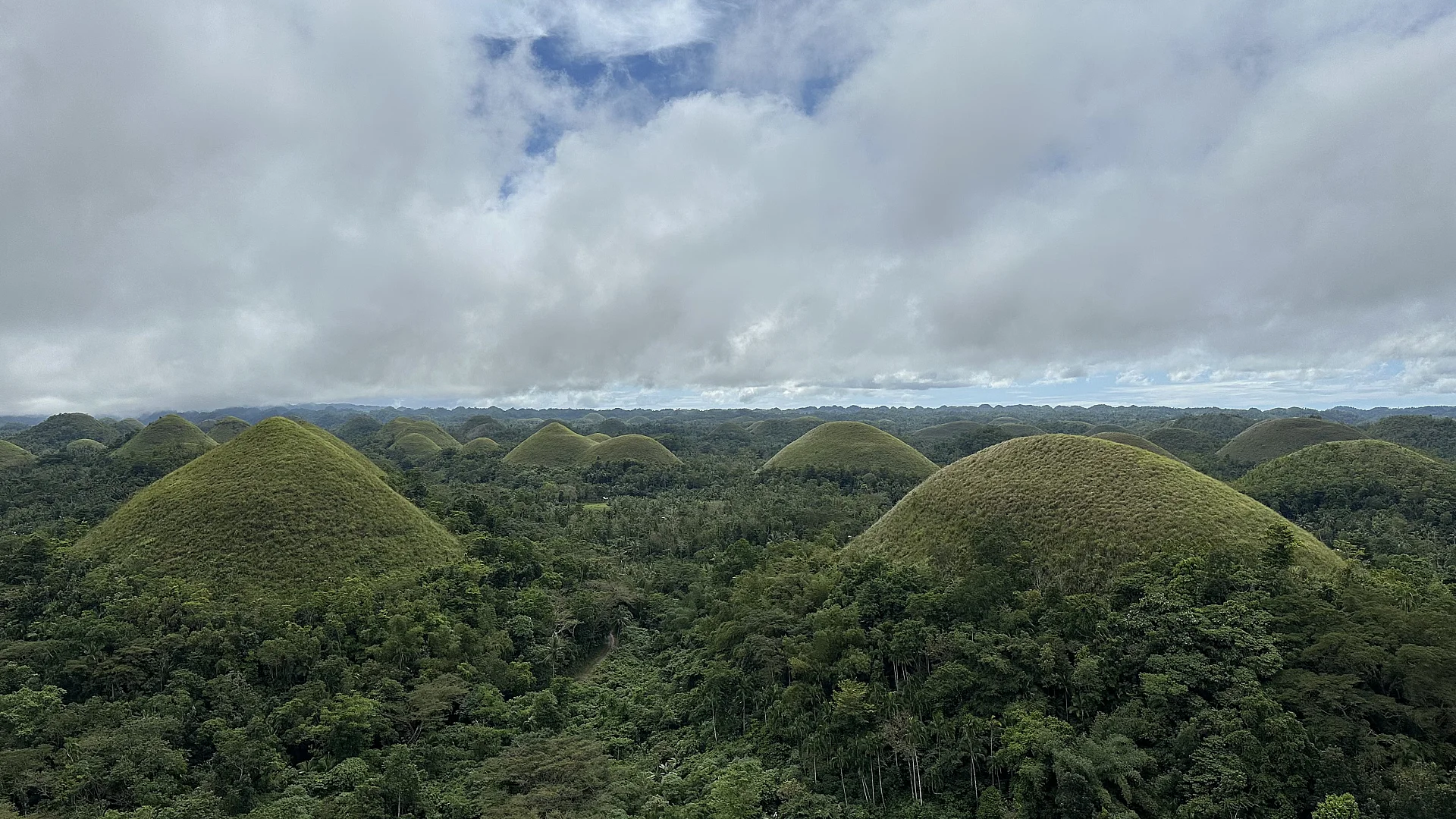
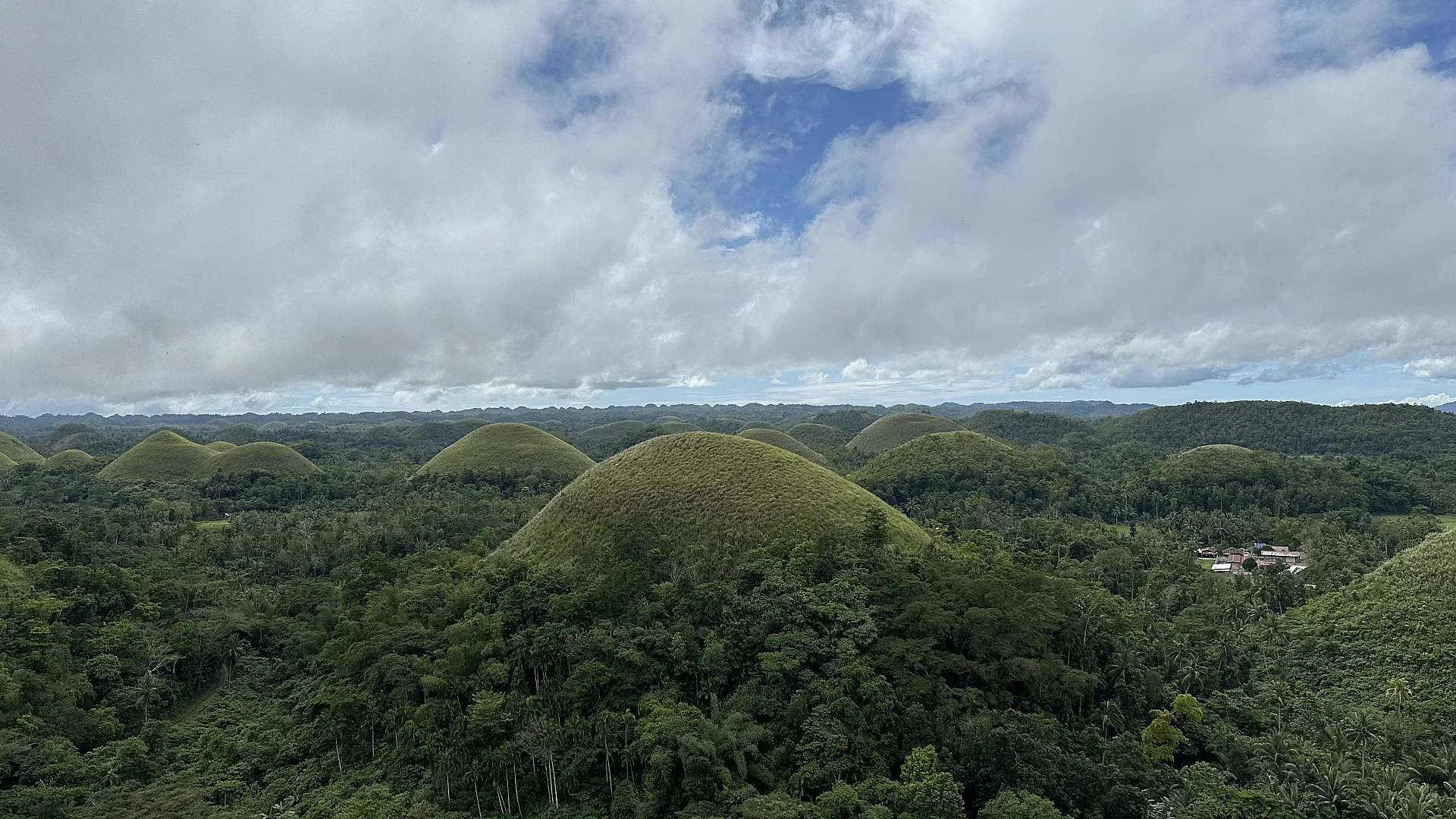
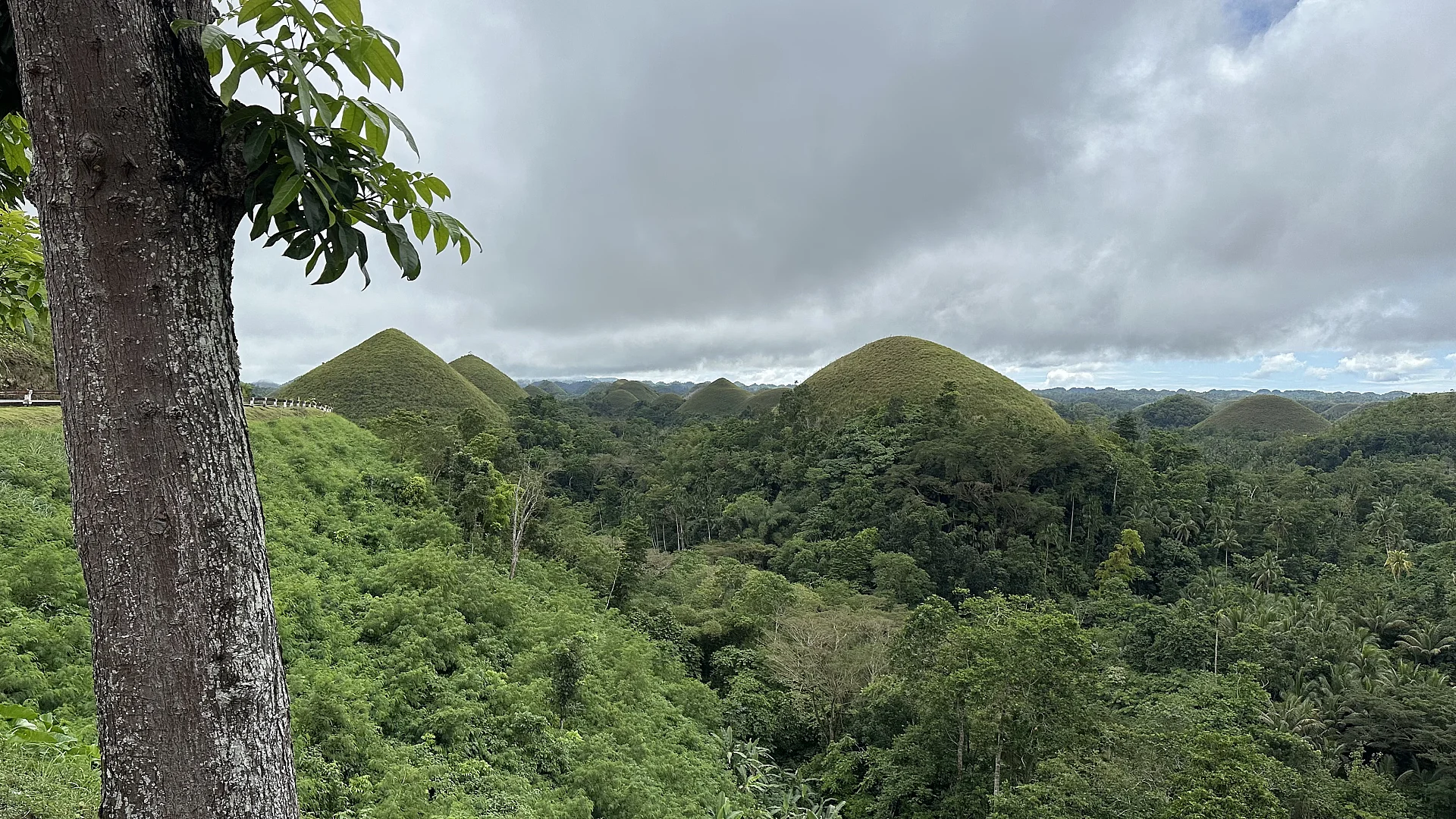
Bohol has two things you won't find anywhere else: the Chocolate Hills, a geological oddity of 1,268 perfectly cone-shaped mounds that turn brown in the dry season, and the tarsier sanctuary in Corella. Tarsiers are fist-sized primates with enormous fixed eyes that can't move in their sockets. They're nocturnal and easily stressed, so keep quiet and move slowly.
Siquijor: the island that earned its reputation
Locals call Siquijor the island of sorcerers, and it leans into that identity. Traditional faith healers still practice here, and the island has a quiet, slightly otherworldly atmosphere that's hard to explain. The Cambugahay Falls offer natural swimming pools in an almost unreal shade of blue, and the beaches are largely uncrowded.
Boracay closed for a six-month environmental rehabilitation in 2018 and came back significantly cleaner. Its 2.5-mile stretch of powdery white sand backed by coconut palms remains one of the best beaches in Southeast Asia. It does get crowded, but the cleanup effort was real.
Insider tip: Avoid Boracay from December through February, when it's at peak capacity. April to May or September to November gives you the same beaches with far fewer people.
Eating in the Philippines: a fusion that makes sense
Filipino food doesn't get the international attention it deserves. Adobo, the national dish, braises pork or chicken in vinegar, soy sauce, garlic, and bay leaves until the meat is fall-apart tender. Lechon, a whole suckling pig roasted on a spit, shows up at every major celebration and is worth seeking out. Sinigang is a sour tamarind-based soup that's deeply comforting, especially on a rainy evening.
The fruit alone is worth the trip. Mangoes from Guimaras are widely considered the sweetest in the world. Davao's durian is polarizing (the smell is intense, the flavor is complex). Rambutan, with its translucent white flesh, is easy to love. And halo-halo, a shaved-ice dessert layered with sweetened beans, jellies, and condensed milk, is the perfect antidote to the afternoon heat.
Night markets are where Filipino social life happens. Grilled fish, balut (a fertilized duck egg, a local delicacy that's not for the faint-hearted), and lumpia (Filipino spring rolls) make up the standard spread. A cold San Miguel beer rounds it out. Expect to spend 150 to 300 PHP per person (about $3 to $5) for a full sidewalk spread.
When to go to the Philippines
The dry season runs November through April, with temperatures between 77°F and 86°F and minimal rain. That's your window. March and April push toward 95°F in Manila and can feel brutal if you're not used to humid heat.
The monsoon arrives between May and October, though timing varies by region. The western side of the archipelago, including Palawan and western Luzon, gets hit from June through November. The eastern side stays wet year-round. Typhoon season peaks from July through September and is not something to brush off.
For diving, the timing depends on where you're going. Palawan and Boracay are best November through May. Bohol and Siquijor dive best from February through June. Donsol's whale sharks are present February through May.
Getting to the Philippines from the US
There are no nonstop flights from the US to Manila, but several carriers offer solid one-stop options. From the West Coast, Philippine Airlines and Korean Air connect through Seoul, with total travel times around 14 to 16 hours. From the East Coast, expect 20-plus hours with a connection. Emirates, Qatar Airways, and Singapore Airlines are reliable options routing through Dubai, Doha, and Singapore respectively.
US passport holders get 30 days visa-free on arrival, no advance application needed. Make sure your passport is valid for at least six months beyond your return date, and have proof of onward travel ready at immigration.
For domestic connections, Cebu Pacific, Philippine Airlines, and PAL Express cover the main routes: Manila to Cebu, Davao, Puerto Princesa (Palawan), and Kalibo (for Boracay). Book these early. A Manila to Puerto Princesa flight booked in advance runs roughly 2,800 to 5,600 PHP (about $50 to $100), but last-minute fares spike.
Getting around the Philippines
Ferries are the backbone of inter-island travel. 2GO Travel handles the main routes between Manila, Cebu, Bohol, and Palawan on air-conditioned ships. Manila to Cebu takes about 22 hours; Manila to Puerto Princesa is around 36 hours. It's slow, but it's cheap and the overnight crossings save you a hotel night.
Jeepneys, the elongated, heavily decorated vehicles descended from US military jeeps left after World War II, are the classic local transport. They're inexpensive and cover every corner of the main islands, but they're slow and routes can be confusing for first-timers. Tricycles (motorcycles with a sidecar) handle shorter distances in smaller towns.
For covering serious ground between distant islands, flying is the practical choice. Domestic fares booked ahead are reasonable: Manila to Puerto Princesa typically runs 2,800 to 5,600 PHP ($50 to $100) depending on season and lead time.
In Manila, the elevated rail lines (MRT and LRT) are your best friend during rush hour. A day pass costs 100 PHP (under $2) and covers the full network. Taxis and ride-apps exist but Manila traffic is genuinely some of the worst in Asia, so don't count on ground transport during peak hours.