
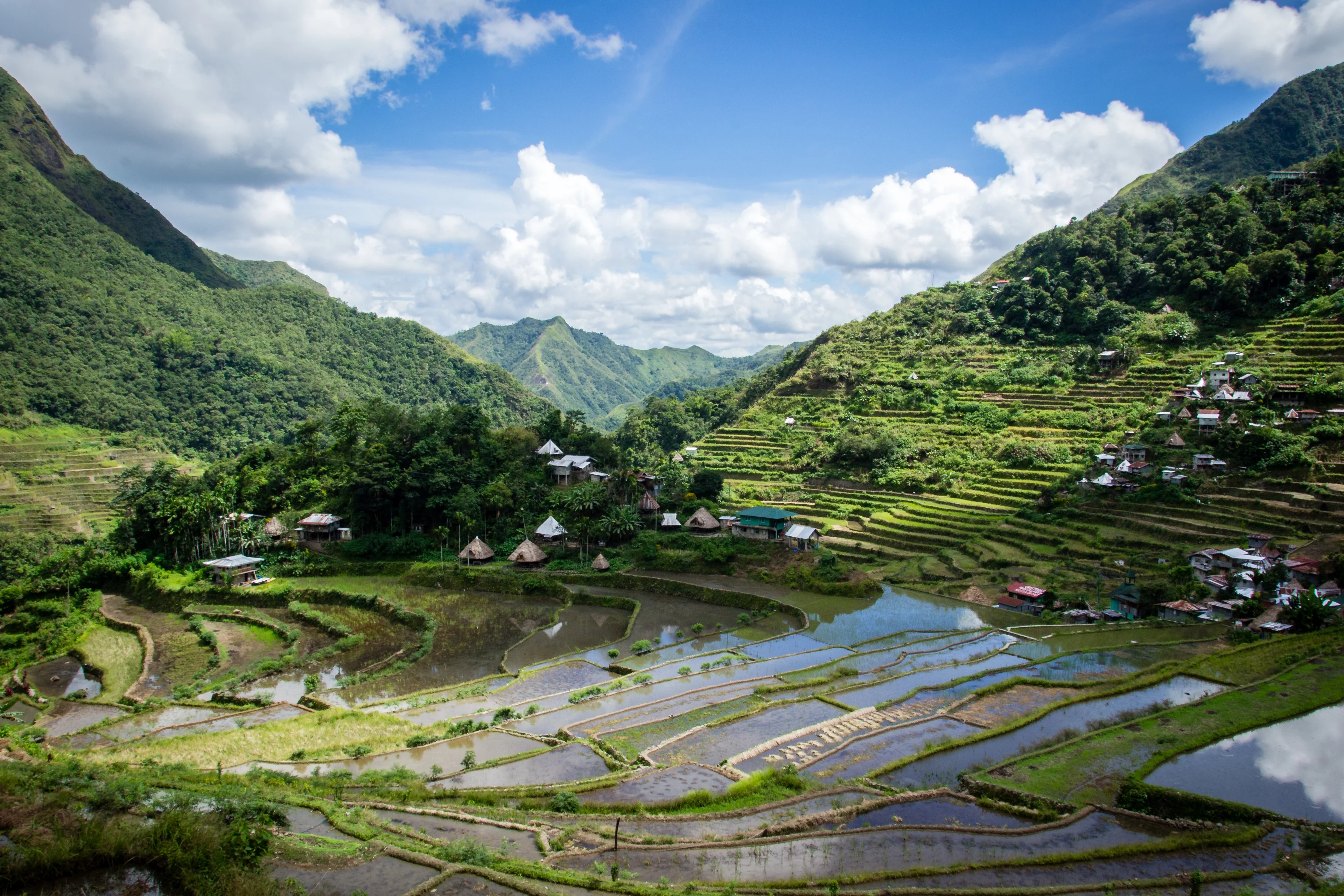



What Makes Planning a Trip to the Philippines Unique
The Philippines is not somewhere you travel like Thailand or Vietnam. You are dealing with an archipelago of more than 7,000 islands, where moving between regions usually involves a domestic flight or a ferry rather than a simple highway drive.
That scattered logistics changes the game when it comes to choosing your agency.
The Advantage of a Locally Based Agency
An agency based on the ground generally benefits from better rates on accommodations and local transportation thanks to firsthand knowledge of the terrain. That is a real asset in a country where tourism infrastructure remains less standardized than elsewhere in Southeast Asia.
The Language Barrier: A Factor You Shouldn't Overlook
You are heading to a destination where English is widely spoken and more than 160 languages and dialects are used across the islands.
English is more than enough for independent travel in tourist zones. But for a complex itinerary with multiple local guides and island-to-island transfers, having support in your native language from start to finish helps cut down on misunderstandings.
How Much Does an Organized Trip to the Philippines Cost?
The Cost of International Flights
A round-trip flight from the US with a layover typically runs $910 to $1,360* (about $840 to $1,260) when booked at least 3 months in advance. Prices jump from December through April and during July and August.
Custom Itinerary Design Fees
Some specialized agencies charge dedicated planning fees. For instance, an agency might bill 150 to 300 € (about $160 to $315) per file to design a custom trip to the Philippines, which pays for a detailed quote rather than a generic template.
The Budget for a Complete Vacation
Price ranges vary widely depending on the travel pace and regions visited.
For a trip combining one week in the mountains of Luzon and one week at the beach, expect a budget of $3,960 to $4,520* (about $3,680 to $4,200) per person. Budget more to stay around El Nido, and roughly $570* (about $525) extra per person in August or around the Christmas holidays.
Key takeaway: rates spike significantly during the high season (December to February). Aiming for May or November keeps crowds and prices down while avoiding the worst of the typhoon season.
When to Book Based on the Philippine Seasons
A Generally Good Time to Visit, But Not Uniform
The best overall window runs from mid-December to late April. The archipelago averages about 20 tropical cyclones per year, with nearly 70% of them forming between July and October.
Climate Varies Sharply by Region
The dry season does not hit everywhere at once. In Puerto Princesa on Palawan, average rainfall sits at 42 mm in March, compared to more than double that in Cebu during the same month. The eastern coast of Mindanao gets its heaviest rains in the dead of winter.
A Philippine specialist agency needs to be able to explain these regional nuances rather than just throwing out a generic dry season.
Itineraries Sometimes Suspended as a Precaution
Certain local operators adjust their schedules to match these risks. A local agency might, for instance, decide to suspend mountain tours from July to mid-October for weather and safety reasons.
That is a good indicator of reliability to watch for when talking with an advisor.
Planning Ahead for High Season
Book ideally 2 to 3 months before departure for peak periods when hotels and guides are harder to secure. For quieter months, 1 month is usually enough.
For a last-minute departure, be honest with yourself about whether you can pull off a quality itinerary on that timeline.
Entry Requirements: What Your Agency Can Help Make Easier
Visa-Free Entry for US Travelers
The Philippines grants an automatic visa-free entry for citizens of the United States for a tourist stay of up to 30 days. Visa requirements depend on nationality: check what applies to your specific passport.
The conditions:
- Your passport must be valid for at least 6 months past your planned return date
- A return or onward ticket is required upon arrival
- The eTravel Card form must be completed within the 72 hours prior to arrival on the official website etravel.gov.ph
- A first extension of 29 days is possible, bringing the stay to 59 days, with further extensions available for up to 36 months
A Practical Detail Regarding the eTravel Card
According to traveler feedback, it is best to leave the eTravel site in English without auto-translate. Some users had to switch to private browsing mode for the process to work correctly.
This is the kind of practical detail a good local or specialist agency will point out before you leave.
French Agency, International Network, or Local Agency Based in the Philippines?
Three types of operators handle this destination, offering different balances between guarantees and local know-how.
Generalist Travel Agencies
They often rely on a local receptive agency for execution on the ground while keeping legal liability and insurance back home. Some display professional liability insurance covering damages up to a specific amount, a useful reference to ask for if it is not visible on their website.
Local Agencies Based in the Philippines
Some operate through a network with a European structure to secure payments. These agencies give you local ground expertise while your funds are protected by a professional association.
Availability in Case of the Unexpected: A Key Point in This Archipelago
Island connections can be disrupted by weather. A local agency might offer 24/7 support throughout your stay, complete with a local number and an emergency contact.
The on-the-ground team can then step in within hours if a flight is canceled, someone gets sick, or the weather shifts.
A Real-World Example Showing Why This Matters
One traveler shared that an unexpected airspace closure hit right as their trip was ending, and the agency quickly sorted out repatriation, a level of responsiveness that really left an impression.
On the flip side, another review noted gaps between the promised description and the reality experienced on the ground, particularly regarding accommodations and meals included in a northern Luzon tour.
Key takeaway: always ask for written specifics regarding the exact standard of accommodations and meals included, especially for tours in remote areas like the mountains of Luzon or the smaller Visayas islands, where hotel options are scarcer than in Manila or Cebu.