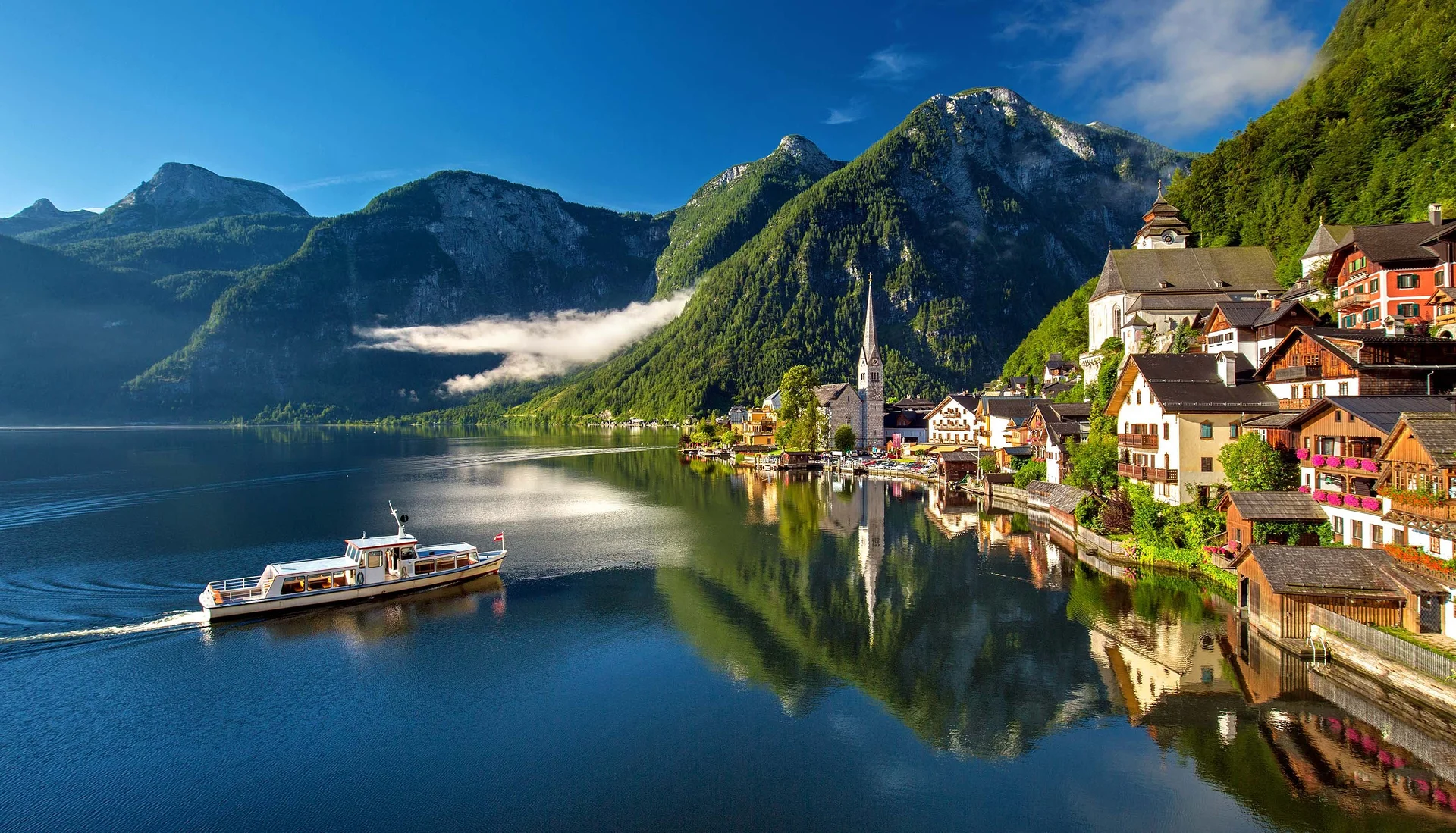
Hallstatt et son lac

Things to do in Austria: 20 must-see attractions in 2026

Discover our members' favorite destinations in Austria, plus reviews, practical info, and traveler photos...

The 5 most beautiful cities to visit in Austria

#1 Vienna +302 recs

Vienna carries six centuries of imperial history with rare elegance, spanning baroque palaces, century-old coffeehouses, and one of the most prolific classical music scenes on the planet. The Austrian capital also surprises visitors with 700 hectares of urban vineyards and hillside wine taverns. It is a safe, compact, and exceptionally connected city where the easy pace of daily life is a genuine standard.

#2 Linz +18 recs

Austria’s third-largest city, Linz, balances baroque squares and historic cathedrals with a forward-looking arts scene. You can explore the Ars Electronica Center and Lentos Kunstmuseum, or head up the Pöstlingberg via a vintage tram for a panoramic view of the city. Beyond the Schlossmuseum, the riverfront paths along the Danube offer a relaxed pace similar to walking through a quiet, well-maintained park in Portland.

#3 Innsbruck +13 recs

Innsbruck is the capital of Tyrol, a region tucked into the heart of the Austrian Alps. This former medieval town, split by the Inn river, served as a residence for the Habsburg dynasty between the 14th and 17th centuries before returning to Austria in 1814 after a Bavarian interlude that began in 1805, a settlement the Congress of Vienna confirmed. With a population of about 130,000, Innsbruck maintains an active, athletic character, framed by peaks that climb to over 6,500 feet.

Discover the Habsburg Legacy

For centuries, the city acted as a magnet for the German-speaking intellectual and cultural elite. It was here that one of Austria's oldest secondary schools, the Akademisches Gymnasium Innsbruck, was founded. The city preserves significant Gothic and Baroque architecture, most notably the Golden Roof. This ornate balcony was constructed under the orders of Emperor Maximilian I, who used it as a royal box to watch public events in the square below. The roof, covered in gilded copper shingles, now houses a museum dedicated to the city's history and the imperial family.

In the center of the Old Town, you will find the impressive Hofburg imperial palace as well as the iconic St. James Cathedral. Originally Gothic, it was rebuilt in the early 18th century in a Baroque style to match the changing tastes of the era. To understand the influence of Maximilian I on the capital of Tyrol, visit the Hofkirche. Maximilian's grandson Ferdinand I raised it decades after his death, for a tomb that stayed empty: Maximilian is buried in Wiener Neustadt. Tall bronze statues guard it, the Schwarze Mander or black figures, representing members of the Habsburg dynasty. Adjoining the building, the Tyrolean Folk Art Museum is a primary resource for understanding the traditions of this part of Austria. For a view of the Old Town from above, climb the stairs of the former bell tower, which provides expansive sightlines of the surrounding Alps.

Escaping into the Tyrol Valley

Art and history enthusiasts should prioritize the Tyrol Ferdinandeum state museum and Ambras Castle, located just a few miles from the center of Innsbruck. The palace was the home of Archduke Ferdinand, a dedicated collector who assembled the castle's cabinet of curiosities and its armory. The works by Rubens and Velázquez on show entered the collection long after his death in 1595: Rubens was 18 at the time, and Velázquez was not yet born.

Innsbruck is also a major destination for Winter Olympics history. You can still see several venues from the games, including the Bergisel ski jump. Beyond the city streets, take the cable car up to the Nordkette mountain range, which offers direct access to high-altitude hiking trails.

When to go

Innsbruck remains active year-round. You can visit for the holiday markets in December or the summer festivals in July and August, the most prominent being the Early Music Festival, which hosts performances in the city's most historic venues.

How to get there

From North America you will connect through Frankfurt, Vienna, or Zurich to reach the city's small airport. Landing in Munich instead leaves you two hours from Innsbruck on a direct train.

#4 Salzburg +12 recs

Salzburg sits between Italian-style baroque architecture and the sharp peaks of the Alps. The city is defined by its massive hilltop fortress, ornate palaces, and the enduring influence of Mozart. Beyond the wrought-iron signs lining the cobblestone streets, you will find a dense cultural scene that ranges from high-profile music festivals to centuries-old beer halls. It is a place where you can spend an afternoon eating airy soufflés or exploring trick fountains, all while staying within reach of the surrounding mountains.

#5 Hallstatt +10 recs

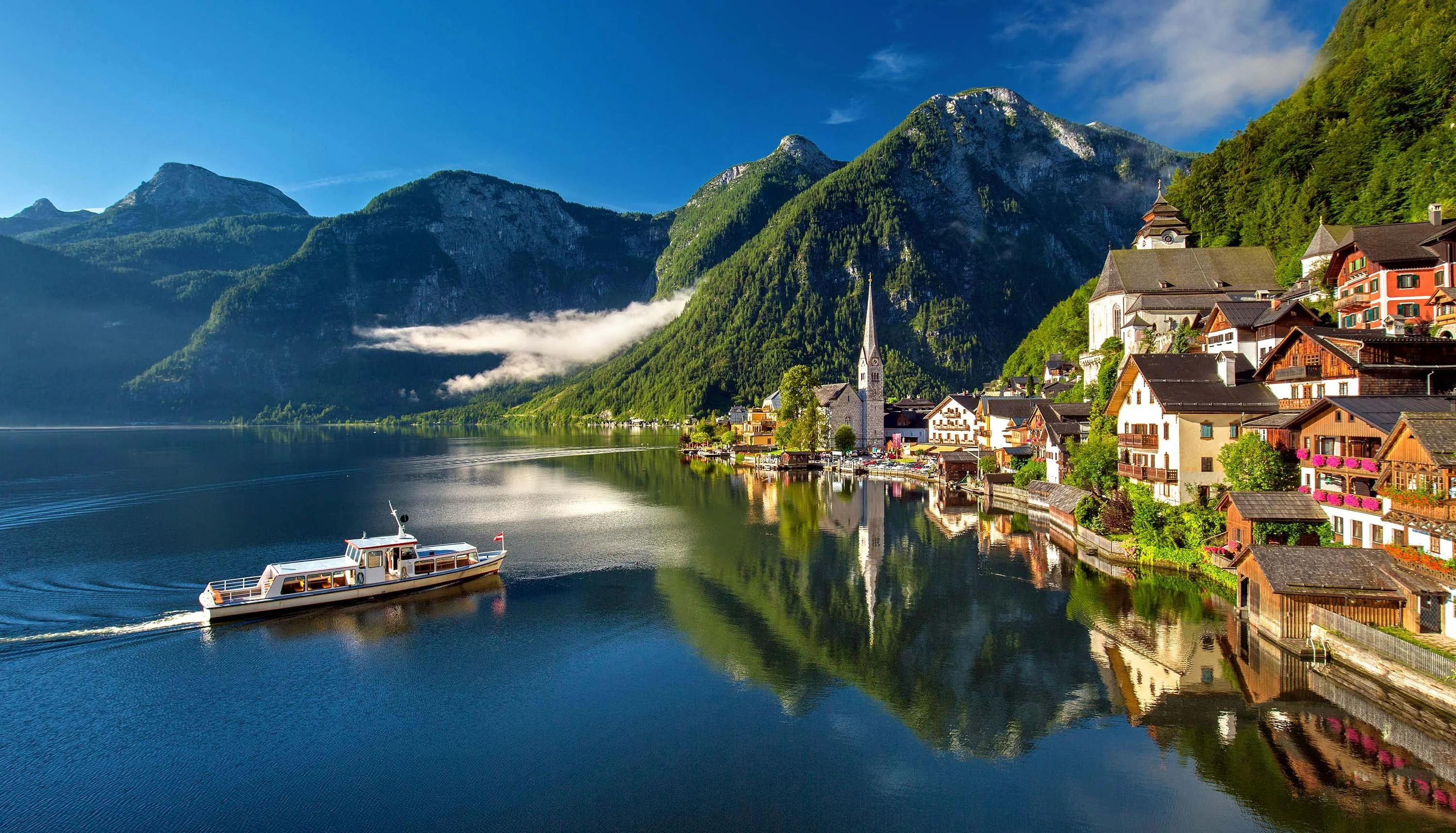
This village on the shores of Hallstättersee in the Austrian Alps looks exactly like the postcard photos you have seen. Between the narrow streets, centuries-old buildings, and the world's oldest salt mine, it balances history with outdoor activities like hiking and lake kayaking. Expect a mountain setting that feels similar to a scaled-down, alpine version of a classic New England lake town.

Ranking of the 15 activities selected by our editors in Austria

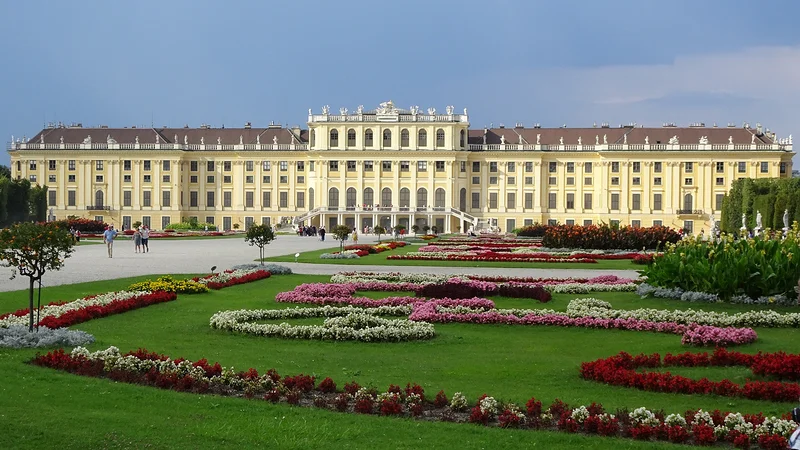
#1 Schönbrunn Palace (Vienna) +32 recs 4.8/5

As the former summer residence of the Habsburgs, Schönbrunn Palace is massive. It spans 1,441 rooms and 160 hectares of gardens on the edge of Vienna. Mozart played his first concert here at age six. This UNESCO-listed rococo masterpiece houses the oldest zoo in the world and frames spectacular views of the Austrian capital from the Gloriette.

See the guide See deals-7%AVYGEO7

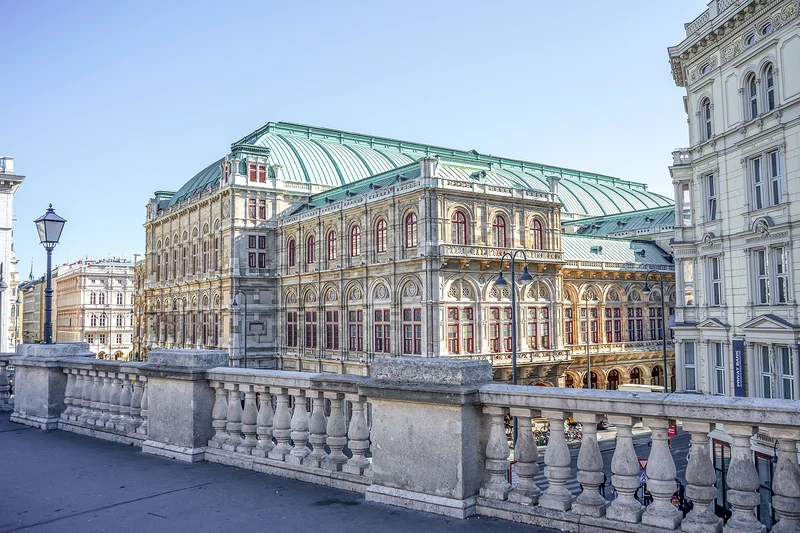
#2 Vienna State Opera (Vienna) +31 recs 4.7/5

The Vienna State Opera is a cultural landmark in the heart of the Austrian capital. Opened in 1869, this Neo-Renaissance masterpiece hosts over 300 performances annually, from classic operas to ballets. Catch works by Mozart, Beethoven, or Verdi from a seat or grab a standing ticket for as little as 5 EUR.

See the guide See deals

#3 Hofburg Palace (Vienna) +26 recs 4.6/5

The Hofburg Palace in Vienna served as the primary residence of the Habsburgs for over six centuries. This vast complex features the Imperial Apartments, the Sisi Museum, and the Imperial Treasury display of crown jewels. Visitors can also watch the Spanish Riding School and its Lipizzan horses within this mix of Gothic, Baroque, and neoclassical architecture.

See the guide See deals-7%AVYGEO7

#4 Karlskirche (Vienna) +25 recs 4.2/5

Of all baroque churches in Austria, Karlskirche stands as the finest. Completed in 1739, it represents the ultimate masterpiece of architect Johan Bernhard Fischer von Erlach, illuminating Vienna with its massive scale and rich details. Twin sculpted columns flank its green dome and portico, while inside, the main altar commands attention. Rottmayr frescoes adorn the cupola, reachable via an elevator lifting visitors to a 32-meter platform. Vowed by Charles VI to mark the end of a plague outbreak, it captures the grandeur of Vienna.

See the guide See deals

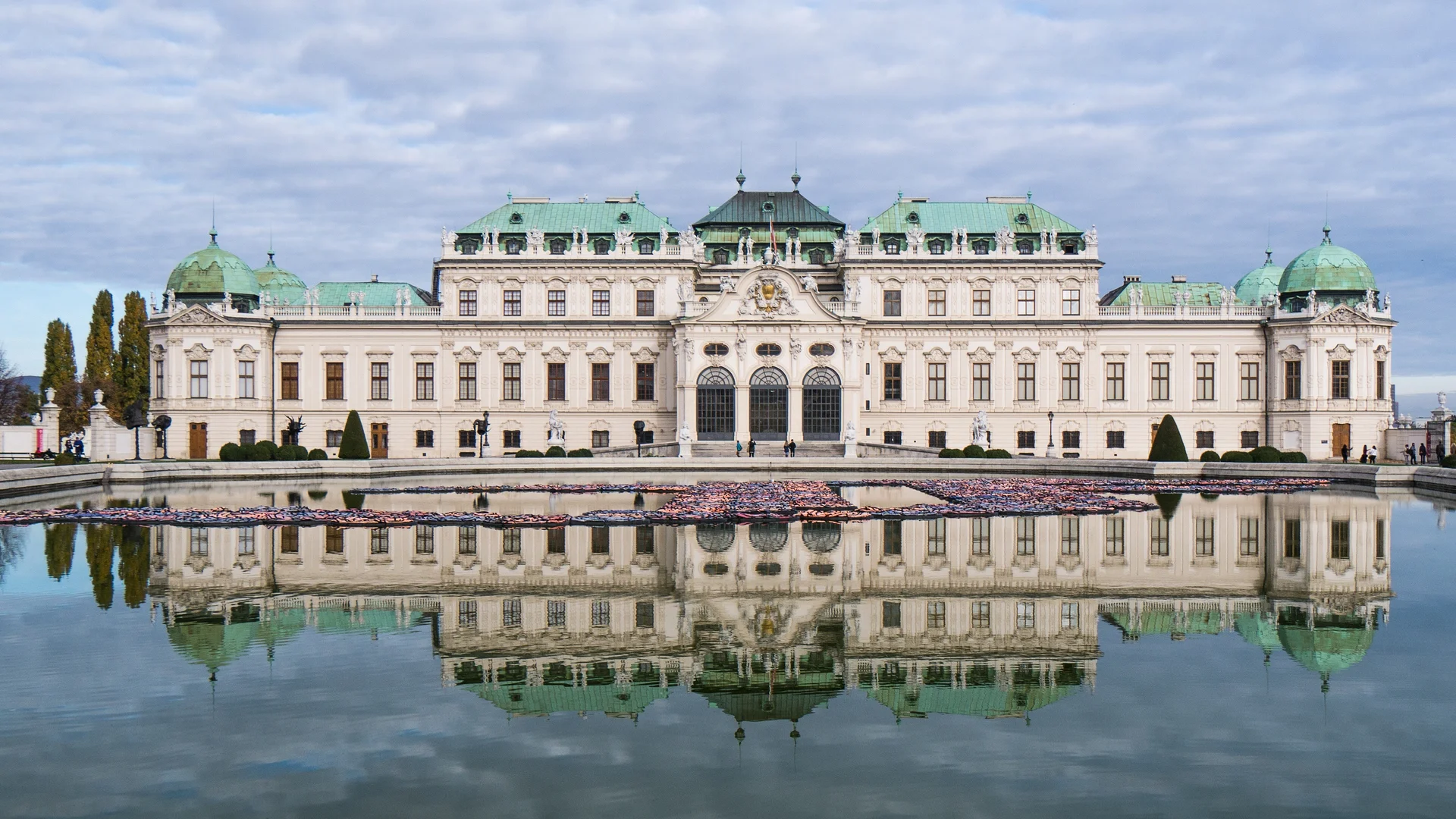
#5 Belvedere Palace (Vienna) +25 recs 4.6/5

A masterpiece of Austrian Baroque architecture, the Belvedere Palace is a highlight of Vienna. This former summer residence of Prince Eugene of Savoy, built in the 18th century, is now a UNESCO World Heritage site. Today, the Upper Belvedere houses 400 works from the 19th and 20th centuries, including 24 paintings by Gustav Klimt.

See the guide See deals

#6 Museum of Art History (Vienna) +24 recs 5/5

The Museum of Art History in Vienna, or Kunsthistorisches Museum, stands as a premier cultural site. Opened in 1891 by Emperor Franz Joseph to house the Habsburg family collections, it features Italian Renaissance architecture. Explore five millennia of art, from Egyptian and Greek antiquities to 18th-century masterpieces by Raphael, Vermeer, and Bruegel.

See the guide See deals

#7 Sisi Museum (Vienna) +22 recs 4.3/5

The Sisi Museum, located in the Hofburg Palace in Vienna, offers a close look at the life of Empress Elisabeth, known as Sisi. Through personal items, elaborate dresses, and handwritten letters, you will uncover a complex woman who sought freedom while resisting court life. Explore her tragic history, ending with her 1898 assassination.

See the guide See deals

#8 Leopold Museum (Vienna) +22 recs 4.3/5

The Leopold Museum in Vienna, located in the MuseumsQuartier (Museum Quarter), holds the world's largest collection of Egon Schiele works, alongside paintings by Gustav Klimt. Since opening in 2001, this bright, modern space has traced the evolution of the Vienna Secession and Expressionism, offering great city views from its light-filled galleries.

See the guide See deals

#9 St. Stephen's Cathedral (Vienna) +18 recs 4.3/5

St. Stephen's Cathedral sits at the heart of Vienna as a gothic landmark. Famous for its 136 meter south tower and colorful tile roof, it offers panoramic city views. Inside, you will find historic art treasures and catacombs detailing Austria imperial history. Guided tours, organ concerts, and religious services provide a deep cultural experience.

See the guide See deals

#10 Austrian National Library (Vienna) +13 recs 4.7/5

Located in the imperial wing of the Hofburg Palace in Vienna, the Austrian National Library is an 18th-century baroque masterpiece. Famous for its spectacular State Hall filled with frescoes and statues, it holds thousands of rare books and precious manuscripts. Its architectural and historical significance makes it a key cultural stop in the Austrian capital.

See the guide See deals

#11 Hundertwasser House (Vienna) +7 recs 5/5

The Hundertwasser House in Vienna, designed by artist Friedensreich Hundertwasser, is a singular architectural project defined by irregular lines, bold colors, and organic forms. The building embodies his ecological vision, featuring trees integrated into the structure and a green roof. Visit the nearby Kunst Haus Wien (Vienna Art House) to explore his art and environmental philosophy.

#12 Hafelekar (Innsbruck) +6 recs 5/5

Among the many charms of the Tyrol capital, the climb up Hafelekar is a standout. This 2,334-meter peak rises north of Innsbruck. Take the cable car to swap city streets for high-altitude views in 20 minutes. A short 15-minute walk leads to the summit for 360-degree views of the valleys, a classic Austria experience.

See the guide See deals

#13 Schönbrunn Zoo (Vienna) +4 recs 4.5/5

Founded in 1752, Schönbrunn Zoo in Vienna is the oldest zoo in the world and a UNESCO World Heritage site. Located within the grounds of the Schönbrunn Palace, it houses over 700 species, including giant pandas and koalas. This site offers an immersive look at global animal diversity and conservation efforts in Austria.

See the guide See deals-7%AVYGEO7

#14 Hohensalzburg Fortress (Salzburg) +1 rec 5/5

As one of the largest medieval castles in Europe, Hohensalzburg Fortress towers over Salzburg, offering panoramic views of the city and the Alps. Explore its courtyards, ramparts, and ornate chambers, including the opulent Golden Hall. Collections of weaponry and armor round out the experience, while classical music concerts bring the history to life.

See the guide See deals

#15 Hellbrunn Palace (Salzburg)

Hellbrunn Palace, built in the seventeenth century by Prince-Archbishop Markus Sittikus, is famous for its unique trick fountains. These Mannerist water features, powered entirely by water pressure, continue to delight visitors of all ages. The baroque estate also includes an ornate palace, a 60-hectare park, the oldest open-air theater in Europe, and ties to the film "The Sound of Music".

See the guide See deals
See the best activities in Austria

Palaces and Peaks in Austria

Here is a detail that surprises most visitors: Vienna maintains hundreds of acres of vineyards inside its city limits, a rare feature for any European capital.

That juxtaposition defines Austria well. It projects a formal imperial grandeur while hiding unexpected local pleasures for travelers who look past the gilded facades.

A Destination Built for Culture, Mountains, and Slow Travel

Austria does not try to appeal to every crowd. It embraces a distinct elegance, a measured pace, and a serious commitment to good living. Travelers looking for all-night clubs, sandy beaches, or Eastern European price tags will likely be disappointed.

Ideal destination for:

  • Classical music and opera enthusiasts
  • Alpine skiers and high-altitude hikers
  • Travelers drawn to baroque heritage and architecture
  • Families looking for a safe, well-organized, and accessible country
  • City-trippers wanting to mix museums, cafe culture, and local food
  • Solo travelers, including women: Austria ranks among the safest countries in Europe
  • Nature lovers interested in alpine lakes and forested valleys

Not recommended for:

  • Travelers on tight budgets: lodging in Vienna and Salzburg is expensive
  • Anyone looking for an intense, late-night party scene
  • Beachgoers and resort vacationers
  • Travelers trying to escape tourist crowds during peak season

Pricing comparable to Western Europe, with a few lodging traps

The cost of living in Austria runs slightly higher than in France. Accommodation is the main expense to watch: in Vienna and Salzburg, a decent hotel room runs around $117 to $175* a night for two. Restaurant meals, by contrast, offer fair value and often cost less than dining out in major French cities.

Typical trip examples in Austria with estimated budgets excluding international flights
Type Location Duration Budget (excl. flights)
Cultural city trip Vienna 3-4 days $470 to $1,050* / person
Alpine skiing Tyrol (Innsbruck, Kitzbühel) 1 week $1,050 to $2,330* / person
Alpine road trip Salzburg, Hallstatt, Tyrol 10 days $820 to $1,750* / person
Lakes and hiking Salzkammergut, Lake Attersee 1 week $700 to $1,400* / person
Music and festivals Salzburg (summer festival) 4-5 days $700 to $2,100* / person

A smoothly run country for visitors

Austria is a place where systems work. ÖBB trains run on schedule, English is widely spoken in cities, and tourist infrastructure is top-tier. Major sights like Schönbrunn Palace or the Belvedere operate on timed online ticketing, meaning you should never show up without a reservation in high season unless you want to lose an hour in line.

In rural areas and small alpine villages, locals may only speak the regional dialect, so knowing a few basic German words goes a long way. Tap water is exceptional, fed directly from alpine aquifers, so buying bottled water is unnecessary.

Vienna, Unlike Anywhere Else

Schönbrunn Palace in Vienna

Vienna carries a distinct atmosphere, still holding the imprint of the Habsburg Empire as if it collapsed only yesterday. Schönbrunn Palace and its 1,441 rooms along with the Hofburg imperial palace are essential stops, though they draw heavy crowds. Book your entry slots well ahead of time.

The city has a more casual, everyday side found in the Heurigen, neighborhood wine taverns where locals drink regional pours right next to the vines. It is also visible at the Naschmarkt, the open-air food market in the Mariahilf district, where you can grab a solid bite for under $12*. For early 20th-century art, the Belvedere houses Gustav Klimt's famous painting "The Kiss," and the Leopold Museum dedicates expansive galleries to Egon Schiele.

Over in the Prater, the giant Ferris wheel built in 1897 delivers panoramic views over the skyline. In the Landstraße district, the Hundertwasser House offers colorful, organic, and slightly surreal architecture that contrasts sharply with the classic facades of the center.

Friendly tip: Skip the classical concerts pitched by street ticket sellers in period costumes outside the Vienna State Opera, as these packaged tourist shows often disappoint. Book directly through established institutions like the Musikverein or the Staatsoper to experience authentic Viennese musical culture.

Salzburg, Linz, and the Wachau Valley

Salzburg

Salzburg, the birthplace of Mozart, deserves more than a single day. Its ornate facades, cupolas, and the Hohensalzburg Fortress reachable by funicular form a remarkable historic core. Every summer, the Salzburg Festival draws classical music fans from around the world, and the best seats sell out months ahead with prices reaching several hundred euros.

In Linz, an industrial city reinvented, rooftop church walkways and the Ars Electronica Center paint a surprisingly contemporary portrait of the country.

The Wachau Valley, stretching between Melk and Krems, is best experienced by bicycle along the Danube bike path. You will pass ruined castles, terraced vineyards, and medieval villages. Stopping at the Melk Abbey, perched on a rock above the river, remains one of the finest highlights of the region.

Tyrol: Alpine Landscapes and Living Folklore

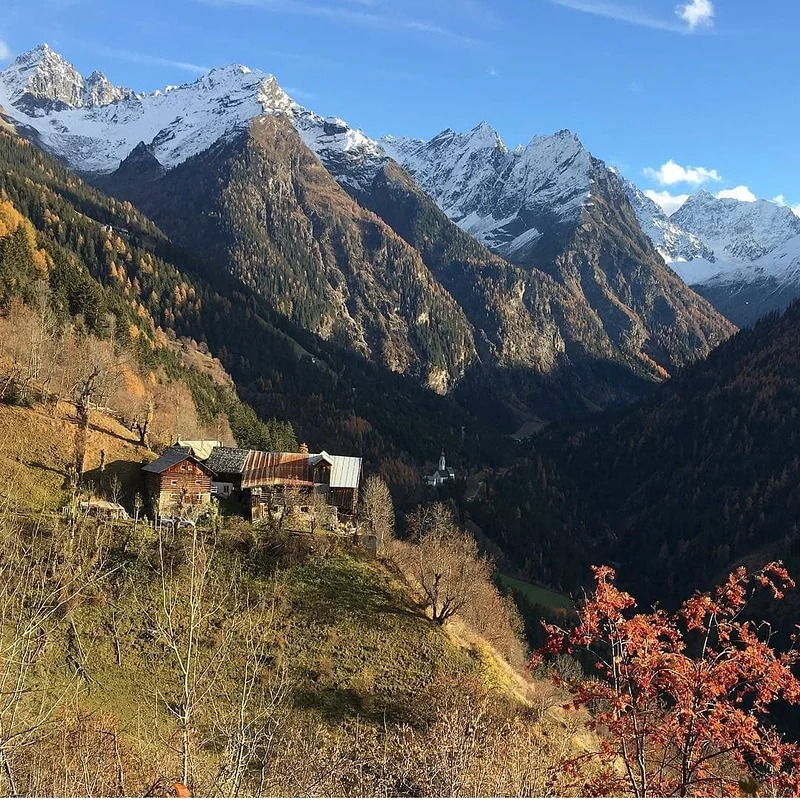
Bucolic image of Tyrol

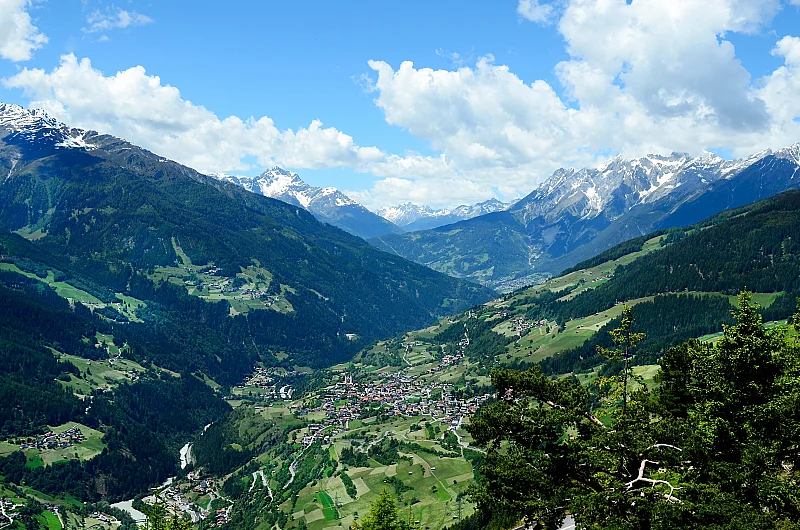
Tyrol stands out as Austria's quintessential mountain destination. Its five glaciers, 24,000 km of marked trails, and massive ski areas make it a premier outdoor playground. For skiing, the dependable window runs from December to April. In summer, flower-strewn pastures and alpine lakes take over.

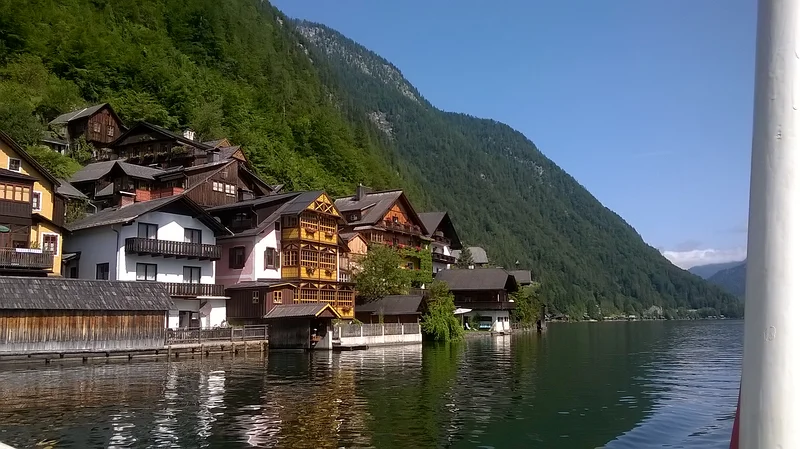
The village of Hallstatt, clinging to a mountain slope above its lake, represents the ultimate postcard view. A UNESCO World Heritage site, it hosts some of the oldest salt mines in the world. The site suffers from its own popularity, with thousands of visitors packing the streets daily in the summer. Go early in the morning or visit off-season.

The Grossglockner High Alpine Road, climbing up to the Hochtor pass at 2,500 metres in altitude, is one of the most scenic drives in the Alps. Near Graz, the Green Lake only exists in the spring when snow melts: regular walking trails submerge underwater, making it accessible only by scuba diving in May. It is a rare seasonal phenomenon well worth seeing.

Friendly tip: Some Tyrolean ski resorts offer rotating daily discounts, such as twenty percent off for women on Mondays, students on Wednesdays, and seniors on Thursdays. Check resort promotions before paying full price for a lift ticket.

Graz, the Overlooked City

Graz, the country's second-largest city, receives far fewer foreign visitors than Vienna or Salzburg, which is precisely why it appeals to travelers. Its old town is a UNESCO World Heritage site, narrow alleys lead to cafes where locals read the newspaper, and the Schlossberg fortress hill offers open views from a summit reached on foot or by funicular.

The city also embraces modernity with its artificial island on the Mur River, designed by architect Vito Acconci, alongside contemporary art galleries. For anyone wanting an Austrian trip without mass tourism, this serves as an ideal stop.

At Avygeo, we view Graz as the most underrated destination in Austria. It delivers an authentic urban experience without the side effects of over-tourism.

Austrian Dining: From Taverns to Imperial Pastries

Austrian cooking is straightforward, hearty, and often better than expected. The Wiener Schnitzel, a breaded veal cutlet, is available everywhere and typically costs $18 to $30* at a sit-down restaurant, or $9.30 to $14* at a neighborhood bistro. The Sachertorte, a chocolate cake with apricot jam filling, is a Viennese institution best tried at historical spots like Café Central or Café Schwarzenberg.

Tafelspitz, boiled beef served with vegetables and sauces, is a traditional Sunday meal for Viennese families. Kaiserschmarrn, a shredded thick pancake served with fruit compote, has served as fuel for alpine hikers since the 19th century. At markets like Vienna's Naschmarkt, international street food runs around $9.30 to $12*.

To drink, Austria produces exceptional white wines, particularly Grüner Veltliner and Riesling from the Wachau. Vienna's Heurigen wine taverns, garden eateries that open only when the new harvest is ready, provide a relaxed setting to try local wines surrounded by residents.

When to Visit Austria

Austria is a year-round destination, as each season brings its own rhythm. Summer (June to August) works best for hiking in the Alps, swimming in the Salzkammergut lakes, and attending open-air festivals. Afternoon mountain thunderstorms happen frequently, so start outdoor activities early in the morning.

Autumn (September to October) is the most pleasant time for cities due to smaller crowds, mild temperatures, and the arrival of young wine, known as Sturm, in Viennese wine taverns. Winter turns the mountains into a ski haven from December to April, and Austrian Christmas markets rank among Europe's finest, often feeling less congested than their German equivalents.

Spring also rewards visitors with greening pastures, warming lakes, and lower lodging rates. It remains the ideal window to see the Green Lake near Graz before it recedes.

How to Get to Austria

From major hubs, flights to Vienna or Innsbruck connect easily. Several carriers serve these destinations across European networks, including Austrian Airlines, Lufthansa, easyJet, and Transavia depending on the season. Economy round-trip airfares fluctuate according to the time of year.

Train travel offers a comfortable alternative, with connections running through major European rail hubs like Zurich. Overnight train options save daylight hours for exploring. An Interrail pass can be cost-effective if you plan to visit multiple countries.

US citizens traveling to Austria for tourism do not need a visa for stays up to 90 days within the Schengen Area, though your US passport must be valid for at least three months beyond your planned departure date. Keep an eye on upcoming ETIAS requirements for European travel.

Getting Around Austria

The ÖBB rail network is dense and reliable, connecting Vienna, Salzburg, Linz, Graz, and Innsbruck efficiently. For lower ticket prices, look for Sparschiene fares booked online well in advance. The Vorteilscard costing $77* provides a 50% discount on all ÖBB journeys for a year, making it worthwhile if you plan multiple train trips.

To explore Tyrol in depth, winding mountain roads make car rental practically essential. The Grossglockner road charges a toll of around $41* per vehicle, but the landscape justifies the cost. In cities, public transit is excellent, and passes like the Vienna City Card grant unlimited access to subways, buses, and trams.

For the Wachau Valley or the Salzkammergut lakes, cycling is a strong option since marked bike paths run alongside the Danube for miles, and rental companies can even deliver bikes directly to your hotel.
Find the best travel deals in Austria

Hotels and stays Flights Car rentals Custom trips

Top photos posted by members

Hallstatt et son lac
Belvédère à Vienne
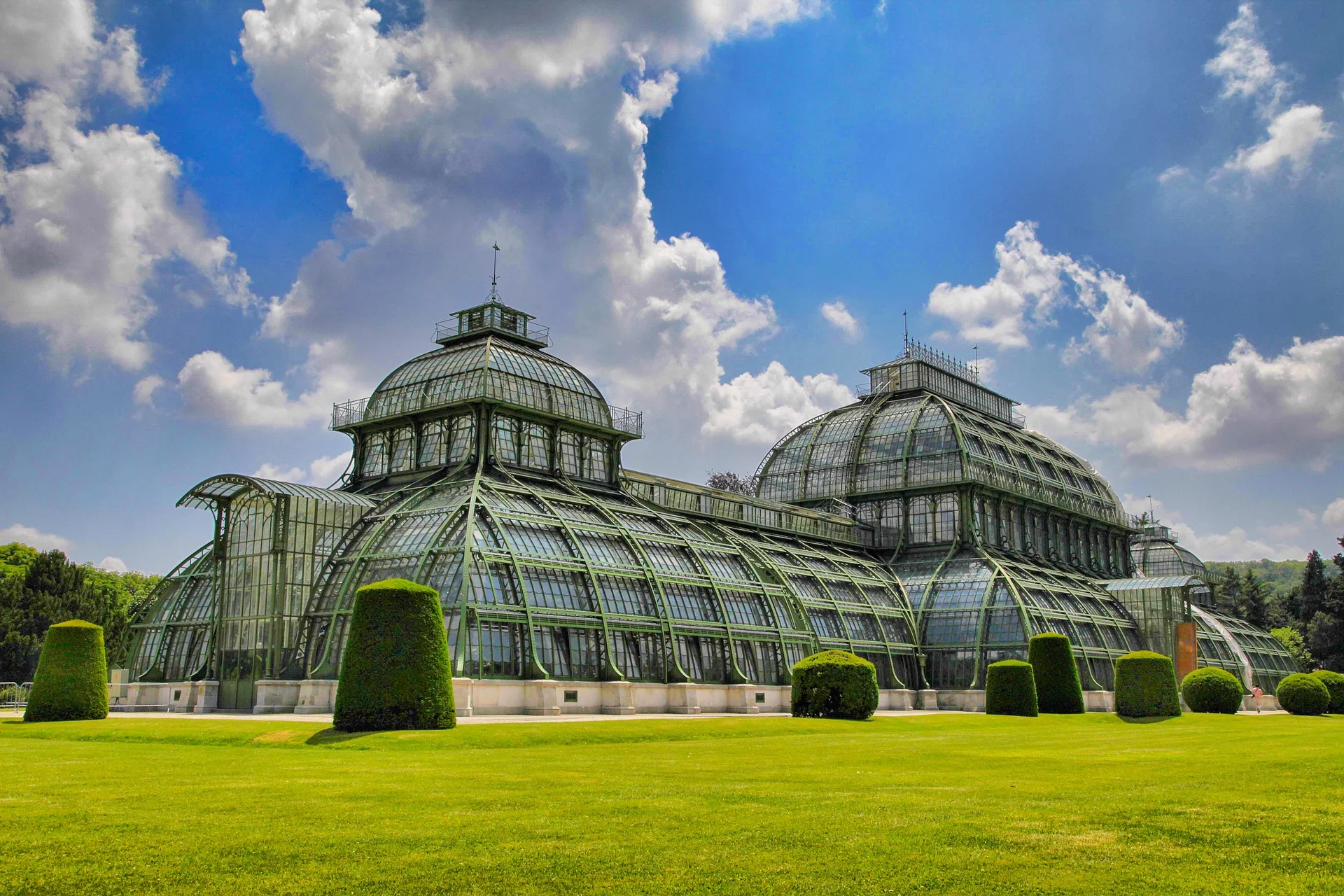
Serres de schönbrunn

Articles about Austria

Latest reviews

Great find

It is true that the building itself, a sort of big block, is not exactly inviting. However, the exhibited collections are really worth the visit. There are notably many works by Klimt, and an entire r…

98

Very rich

This museum is housed in a magnificent palace with a richly detailed facade. The interior is quite impressive, with numerous details from the staircases to the ceilings. The artwork is perfectly showc…

96

So much charm

I loved the very romantic atmosphere of the streets in Salzburg, where the architecture is so well preserved. Personally, I would recommend visiting the Mozart Geburtshaus (Mozart's birthplace). The t…

58

Impressive

This palace is truly impressive. If you have the chance, I recommend opting for the guided tour, which is very interesting. One part is dedicated to Sisi, which is really top notch. You can explore he…

58