Exploring Bolivia: Wild Landscapes and Andean Traditions
Bolivia sits landlocked in South America, defined by extreme elevation changes and deep-rooted indigenous traditions. From high-altitude mountain passes and dense tropical rainforests to colonial architecture, the country offers a raw look at Andean life.
La Paz: A Capital in the Clouds
Perched at more than 3,600 meters above sea level, La Paz operates at a breathless pace. The city's cable car network functions as public transit while doubling as an aerial sightseeing tour. Down at street level, the busy stalls of the Witches' Market sell dried llama fetuses, herbal remedies, and ritual offerings. Just outside the center, the Moon Valley presents a maze of clay and sandstone spires shaped by centuries of wind and water erosion.
Salar de Uyuni: The Infinite Salt Flat
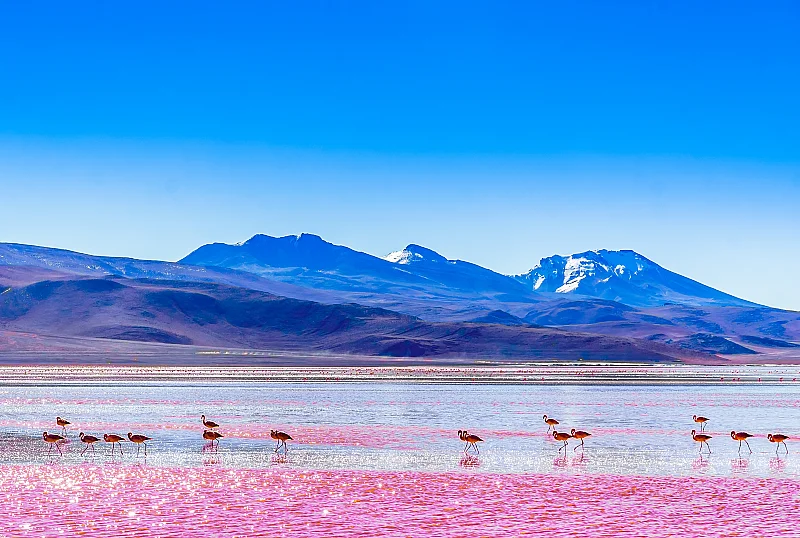
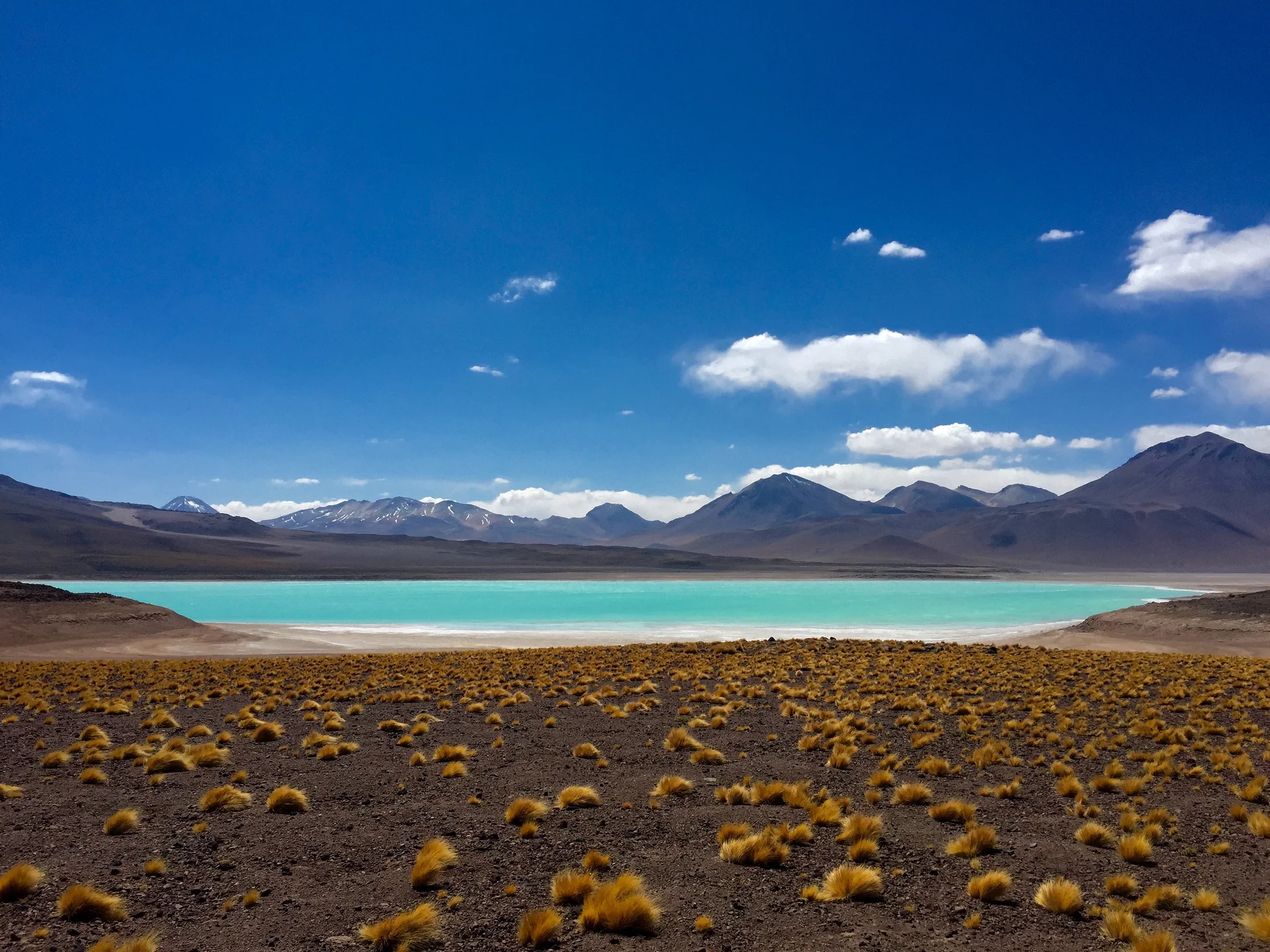
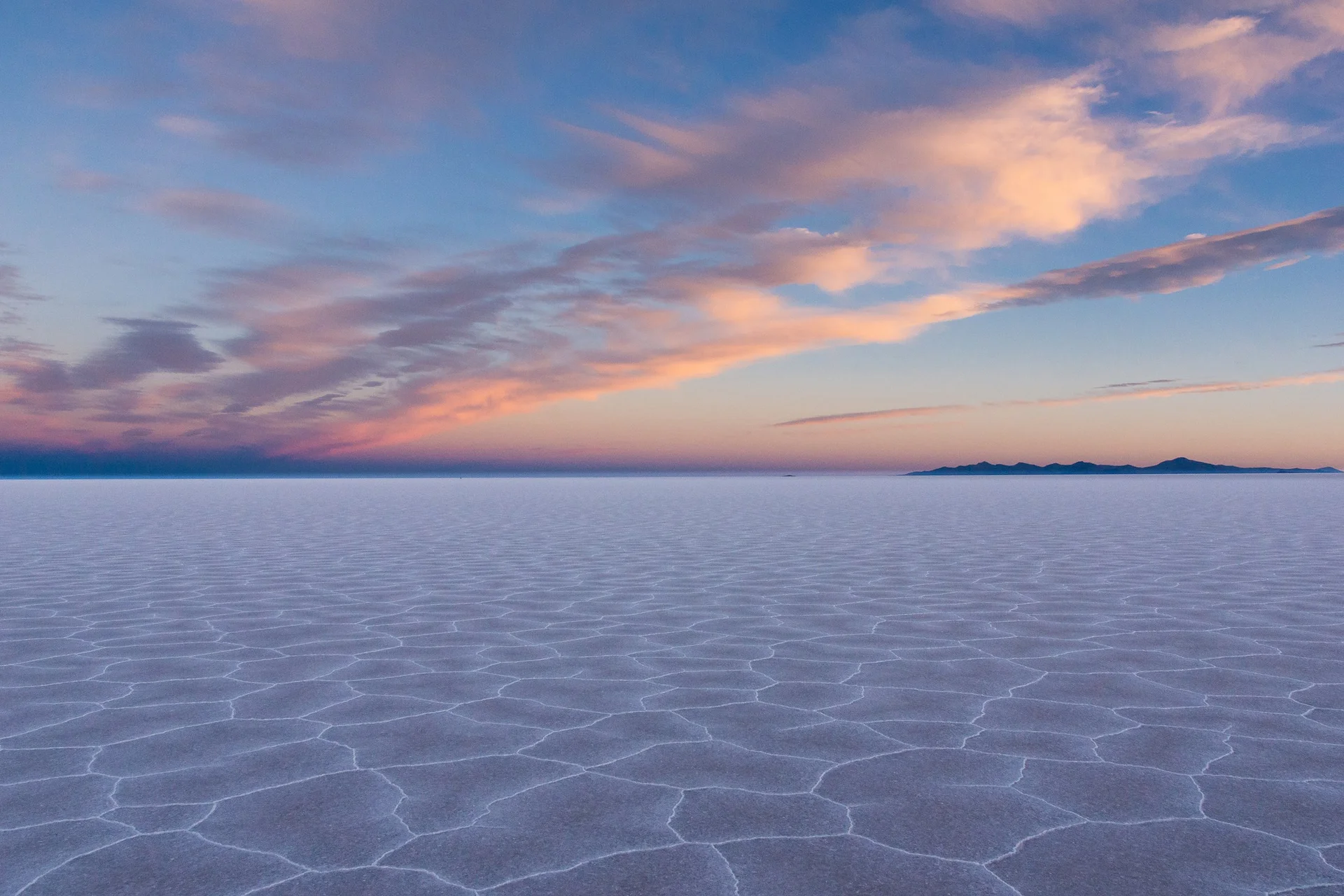
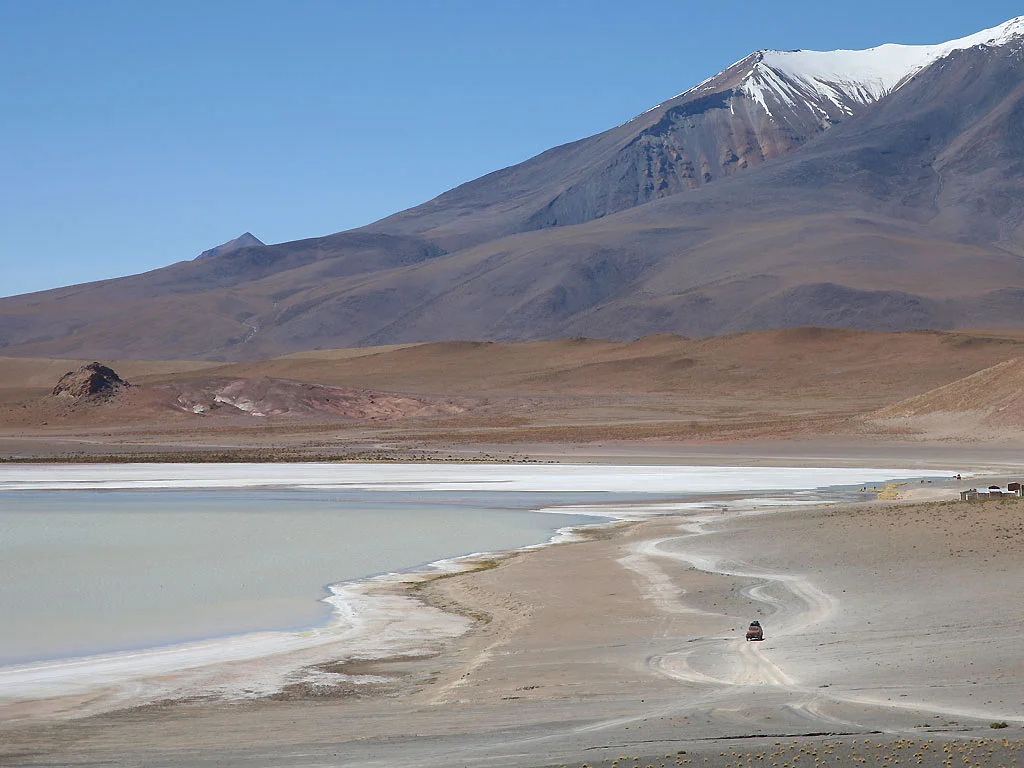
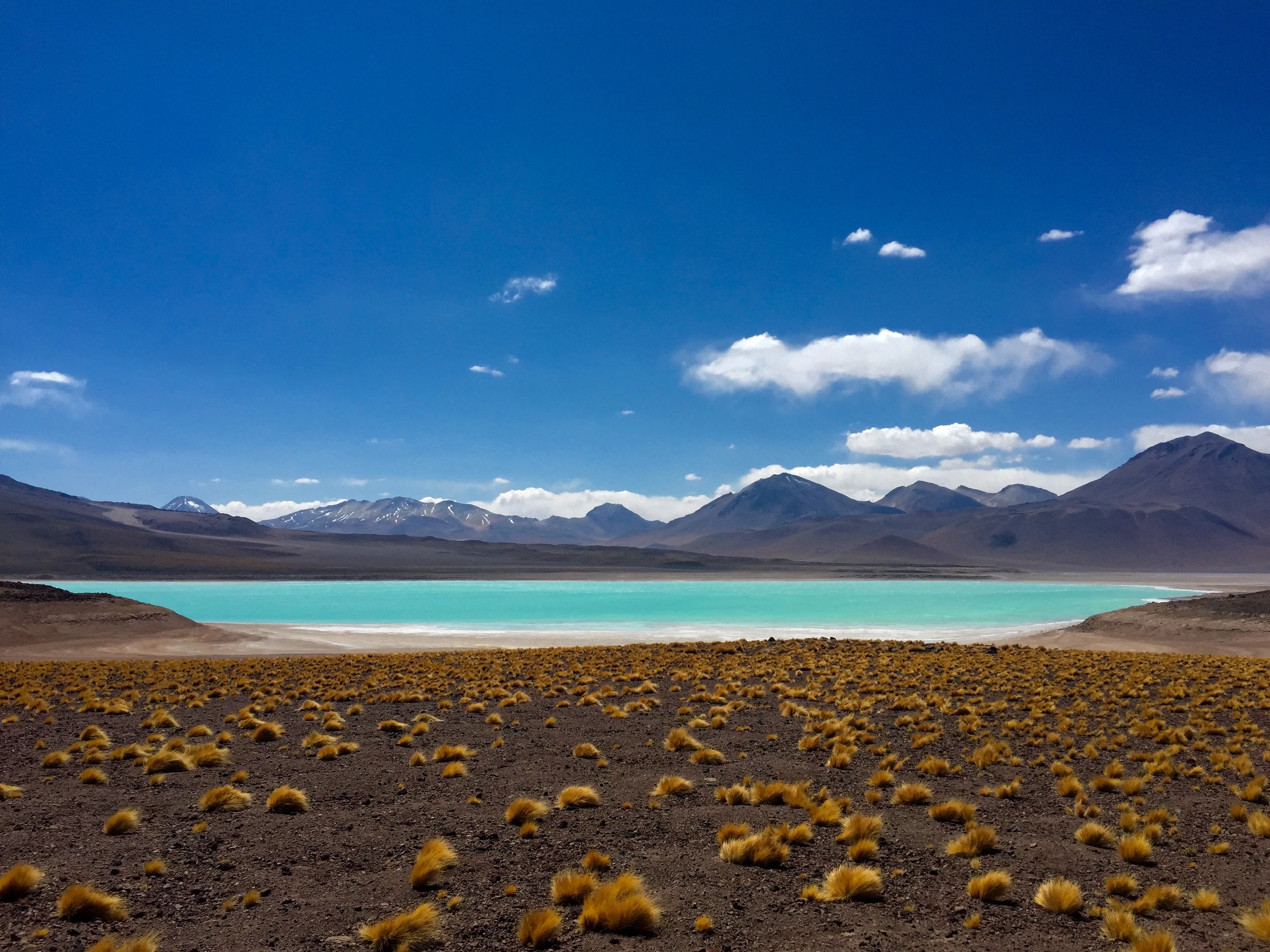
Covering the southwest, the Salar de Uyuni is the planet's largest salt flat. During the dry season, it is a blinding expanse of white crust. After the rains, it turns into a massive mirror reflecting the sky overhead. Giant cacti islands like Incahuasi Island break up the horizon. Multi-day 4x4 tours here routinely loop past red and green colored lagoons populated by flamingos and active geysers.
Colonial Cities: Sucre and Potosí
Sucre, the constitutional capital, relies on whitewashed colonial facades and shaded courtyards. It is an easy city to walk, packed with museums detailing the nation's turbulent history. Further south, Potosí grew on the back of silver mining to become one of the wealthiest cities in the colonial world. While the city retains its ornate churches and stone facades, mining inside Cerro Rico remains a dangerous and physically grueling reality.
The Bolivian Amazon: Untamed Jungles
Far from just a high-altitude destination, Bolivia holds a massive swath of the Amazon rainforest, accessed through the frontier town of Rurrenabaque. Trips from here head deep into the Madidi National Park or onto the rivers of the pampas, where boat trips spot caimans, pink river dolphins, and howler monkeys.
Andean Flavors and Hearty Fare
Bolivian cooking relies on staples like potatoes, corn, and chili peppers, blending indigenous ingredients with Spanish influence. The salteña is a baked pastry stuffed with meat, potatoes, and a rich, slightly sweet broth. Llajwa, a fiery tomato and locoto pepper salsa, accompanies almost everything, including silpancho, a breaded meat cutlet served over rice and fried eggs. To cope with the thin mountain air, locals drink coca tea, while chicha, a fermented corn beverage, is poured during rural festivals and celebrations.
When to go
Weather patterns depend entirely on altitude and region, but May through October marks the dry season, making it the ideal window for trekking the Andes and driving across the Salar de Uyuni. The rainy season runs from November through April, which makes overland travel tough in rural areas but creates the famous mirror effect on the salt flats. In August, the festival of the Virgin of Urkupiña in Cochabamba brings massive parades and traditional dances to the streets.
How to get there
Most travelers from the US connect through Miami or a South American hub like Lima or Bogotá before landing in La Paz or Santa Cruz de la Sierra. Round-trip airfares typically average between $1,020 and $1,690* depending on the season.
How to get around
Given the massive distances and rugged terrain, domestic flights are the fastest way to jump between distant regions like the lowlands and the highlands. Long-distance buses are cheap and connect major cities, though mountain roads can be slow and rough. In the cities, regular taxis and shared minivans known as trufis provide easy transit around town.