
Visiting Uyuni, the Gateway to the White Infinity
At 3,660 meters above sea level, in the middle of nowhere, sits a dusty town that defies typical travel logic. Uyuni is not your standard postcard destination: its unpaved streets, cinderblock buildings, and biting winds would send most vacationers looking for comfort running for the hills. Yet, thousands of backpackers from around the world converge on this far-flung corner of Bolivia every year.
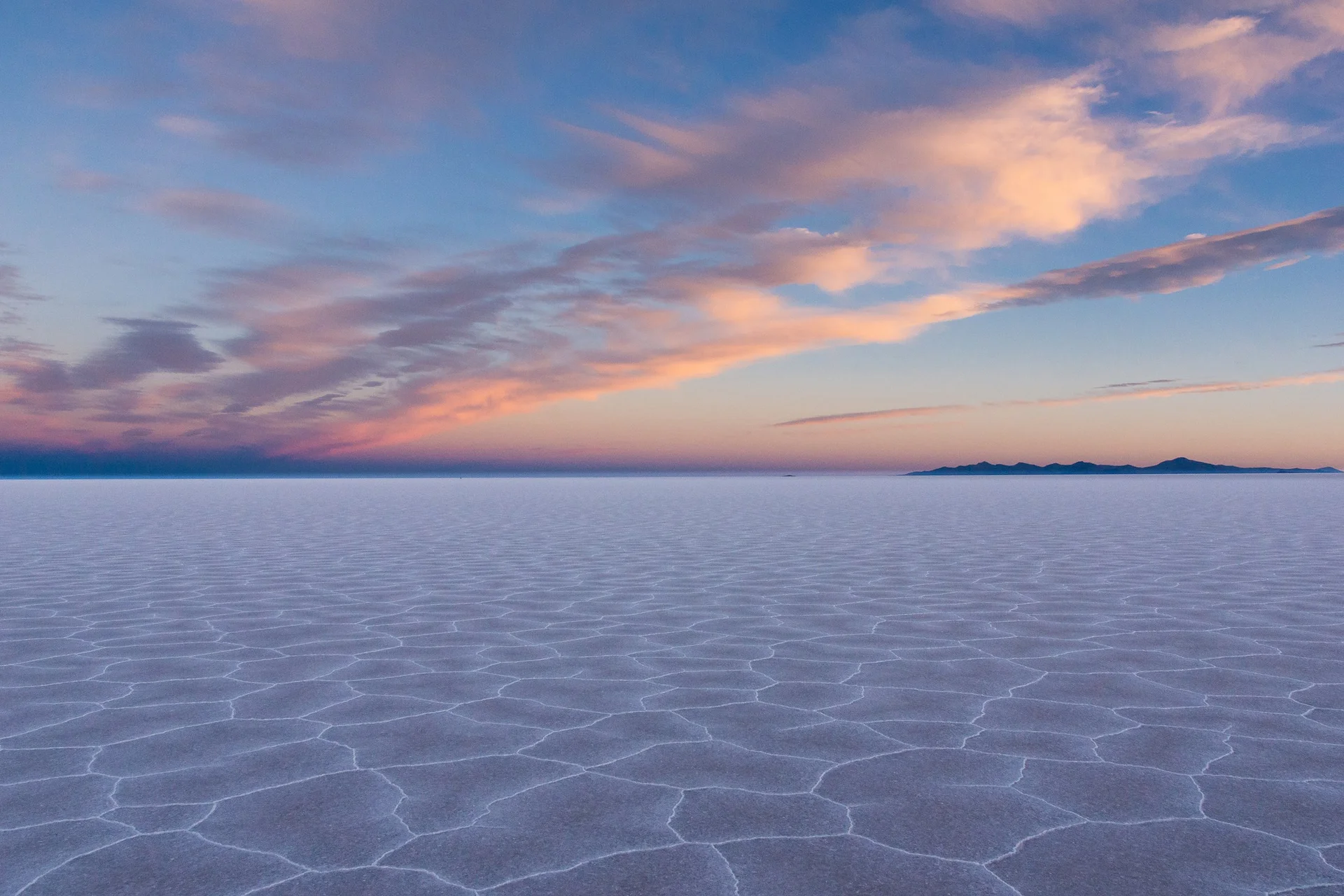
The reason? Just a few miles away lies the Salar de Uyuni, a salt flat covering 4,085 square miles that transforms the sky and earth into a single, massive mirror when a thin layer of water coats the surface.
A Destination for Hardened Adventurers
Uyuni is not for the faint of heart. If you are looking for resort amenities, fine dining, or a romantic getaway, look elsewhere. This place is for travelers who are willing to sleep in rudimentary shelters, endure sub-zero temperatures at night, and bounce along for hours on rugged, unpaved tracks. Altitude sickness is a real risk for the unacclimated, and the evening chill can be shocking even during the Southern Hemisphere summer.
However, if you dream of otherworldly landscapes, endless horizons, and those surreal photos where perspective and scale lose all meaning, welcome to paradise. Uyuni is perfect for backpackers, photographers chasing the ultimate shot, and anyone who values raw experience over luxury.
Average budget needed: the standard 3-day all-inclusive tour accounts for most of what you will spend. You do not need a car, as everything is done through organized excursions.
The Salar: Much More Than Just Salt
The main attraction is, of course, the Salar de Uyuni, and the difference between the dry and rainy seasons changes the experience entirely.
- Between January and March, a thin layer of water turns the salt crust into a perfect mirror, creating that infinite sky effect where clouds reflect beneath your feet. This is the most photogenic time of year, responsible for the viral images you see on Instagram.
- The rest of the year, the salar reveals its hypnotic geometry: perfect salt polygons formed by evaporation, an immaculate white desert that is blinding without sunglasses.
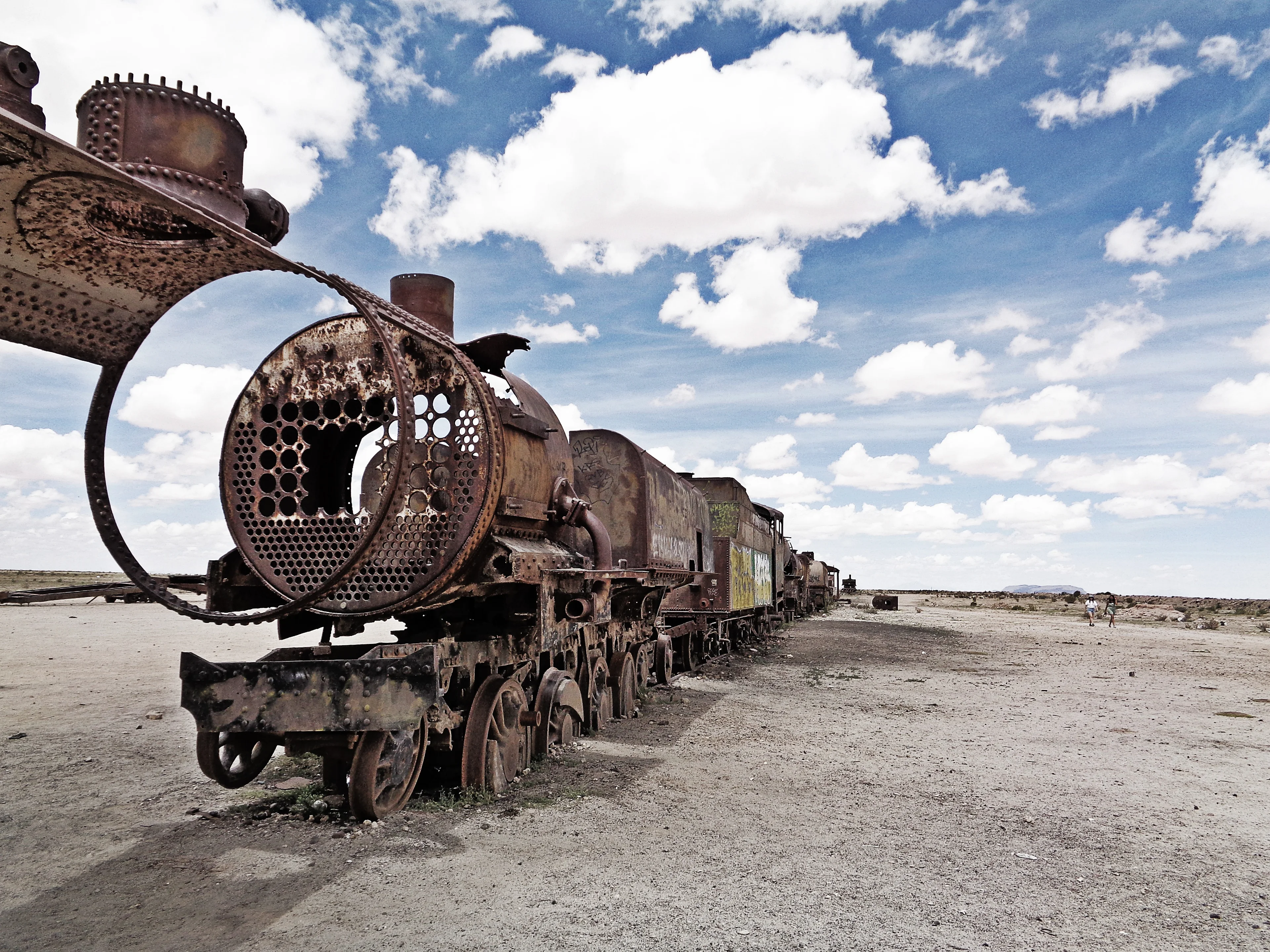
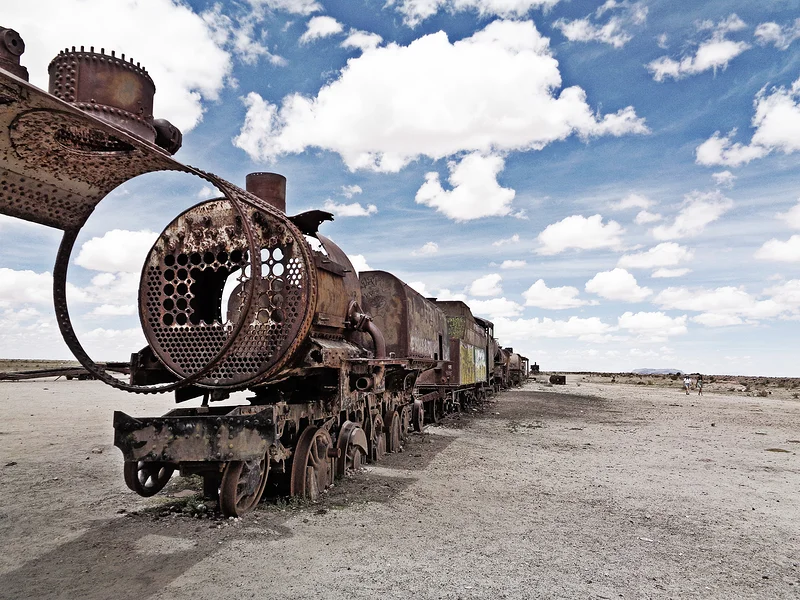
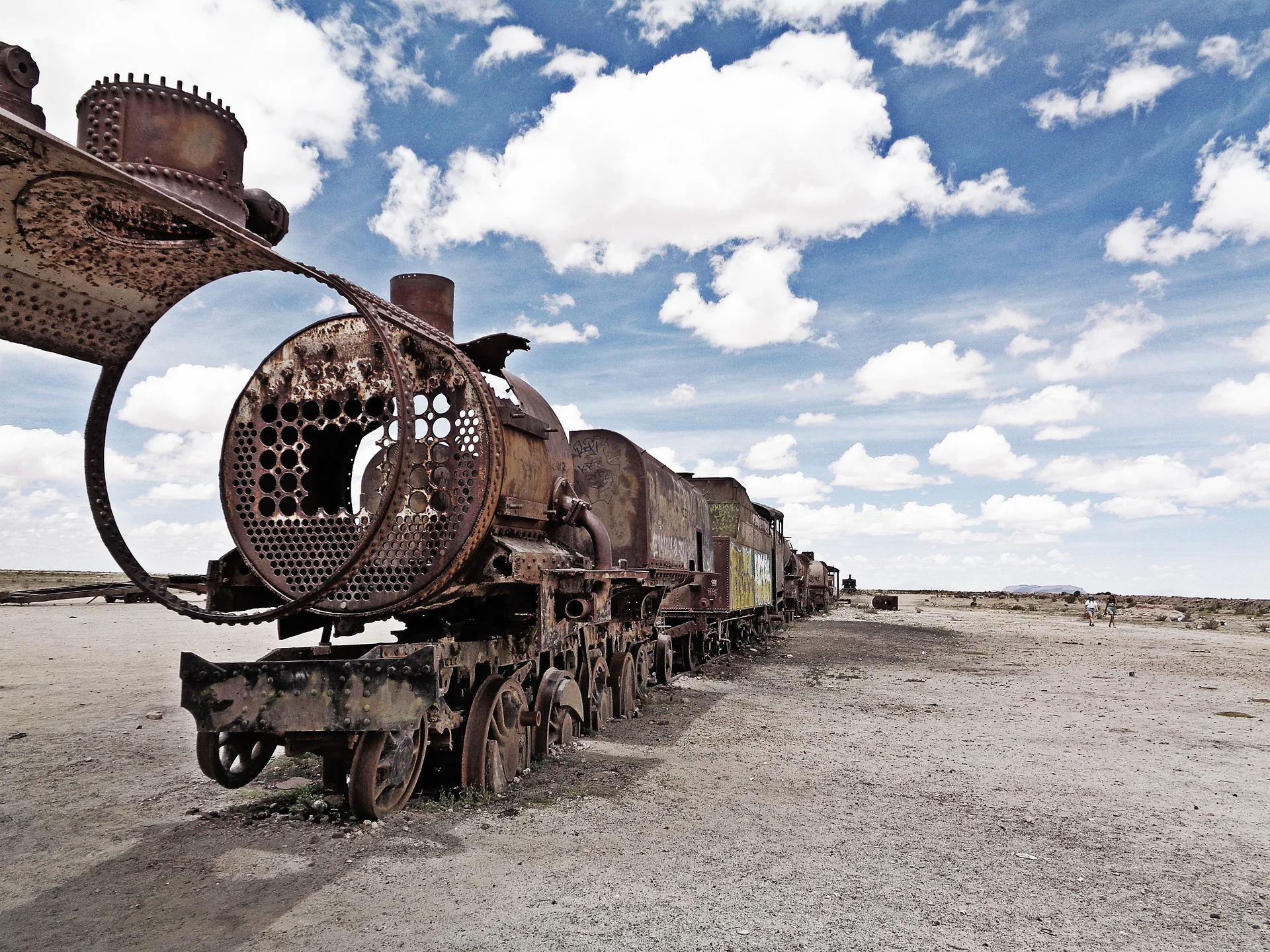
Classic tours include a stop at Incahuasi Island, a volcanic hill rising from the void, covered in thousand-year-old giant cacti. The climb to the top provides a 360-degree panorama of the salt flat. Another essential stop is the train cemetery on the outskirts of Uyuni, a rusted relic of the mining boom that has become a playground for creative photographers.
Don't forget the village of Colchani, where you can see pyramids of hand-harvested salt and buy crafts carved from the material.
Friendly tip: Book your tour once you arrive rather than online. You will be able to compare agencies, inspect the condition of the vehicles, and negotiate the price. Prioritize recent 4x4s and groups of no more than six people for a more comfortable experience.
The Sud-Lipez Extension: A Geological Spectacle
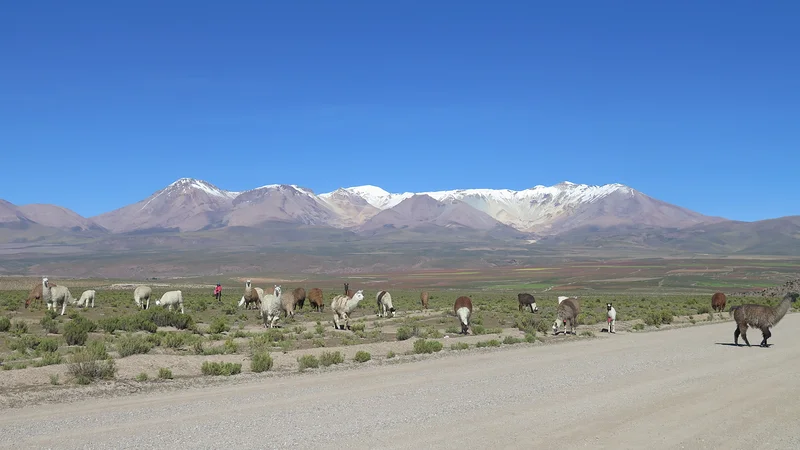
The 3-day tour toward Sud-Lipez remains the ultimate experience. After the salt flats, the route pushes into increasingly dramatic terrain: colorful lagoons where thousands of flamingos wade, deserts of wind-sculpted rock, and the smoking geysers of Sol de Mañana that blast sulfur at 5,000 meters. The Laguna Colorada, tinted deep red by algae and sediment, offers a striking contrast to the white of the salt flats.
Nights are spent in basic shelters heated by wood stoves, with no running water. It is spartan, but the authenticity is part of the draw. The final day often leads to the Laguna Verde at the foot of the Licancabur volcano, and then to the Chilean border for those continuing on to the Atacama Desert.
Friendly tip: Bring your own sub-zero sleeping bag, even if the agency provides one. Nighttime temperatures can drop to -4°F (-20°C) and the provided bedding is often insufficient. Pack toilet paper and wet wipes, as the facilities are very basic.
The Details That Make the Difference
Beyond the highlights, a few other experiences are worth your time. If you have extra days, a 4-day tour allows you to explore less-frequented areas like Laguna Hedionda and its volcanic landscapes. Thrill-seekers can try mountain biking on the salt flats during the dry season for a unique sense of speed on a perfectly flat surface.
For astronomy buffs, Uyuni offers some of the clearest starry skies on the planet. Far from light pollution and at this extreme altitude, the Milky Way unfolds with startling clarity. Some agencies offer specialized night photography tours, but a simple stop during your return trip is enough to be blown away.
Where to Eat and Drink in Uyuni?
Gastronomy is clearly not the strong suit of Uyuni. Restaurants serve simple Bolivian fare: anticuchos (marinated meat skewers), salteñas (savory meat and potato pastries), and quinoa in every possible variation. Minuteman Pizza on the main avenue remains a safe bet for anyone needing Western comfort food after days on the road. Tika offers decent local cuisine with a few vegetarian options.
For a truly traditional Bolivian meal, head to the covered market where stalls serve steaming, hearty chairos (thick meat and vegetable soups) for just a few bolivianos. The Extreme Fun Pub offers one of the few nightlife spots in town, with local beer and pool tables for your pre-departure evening.
Where to Stay in and Around Uyuni?
Accommodation in Uyuni is concentrated around Avenida Ferroviaria and Avenida Potosí. Options range from basic hostel dorms to mid-range hotels with double rooms. The Hotel de Sal Luna Salada, 25 kilometers from the center, offers a unique experience: a property built entirely of salt blocks, including the walls and furniture. Expect upmarket hotel rates, but the originality justifies the price for a one-night stay.
Backpackers tend to prefer the Tonito Hostel or Piedra Blanca for their social vibe and tour booking services. In town, do not expect high-end comfort: inconsistent hot water and limited heating are part of the experience. For more choice and comfort, some travelers stay in Potosí (200 kilometers to the north) and take day trips, but that option is much less convenient.
How to Get to and Around Uyuni?
You have to earn a trip to Uyuni. The Joya Andina Airport receives a few flights from La Paz (1 hour flight), but schedules are fickle and cancellations are frequent. Most travelers arrive by overnight bus from La Paz (10-12 hours) or Potosí (4-5 hours). Bus lines like Todo Turismo or Trans Omar are relatively comfortable with reclining seats.
The Expreso del Sur tourist train connects Oruro to Uyuni twice a week, offering a romantic but slow alternative (7 hours). Once you are in town, everything is walkable. Tours of the salt flats are done exclusively in 4x4s with a driver-guide, as it is impossible to go alone without a specialized vehicle and survival equipment.
When to go?
Your choice of season will completely transform the experience.
- January to March is the rainy season: this is the time for the legendary mirror effect, but roads can be washed out and some areas may be inaccessible.
- April to December offers dry salt flats that are accessible everywhere, ideal conditions for driving, and milder daytime temperatures.
- July-August marks the peak tourist season, with maximum crowds and inflated prices.
- May-June and September-October represent the best compromise: fewer crowds, manageable weather, and better rates. Avoid December if you hate crowds, as it is the holiday rush.
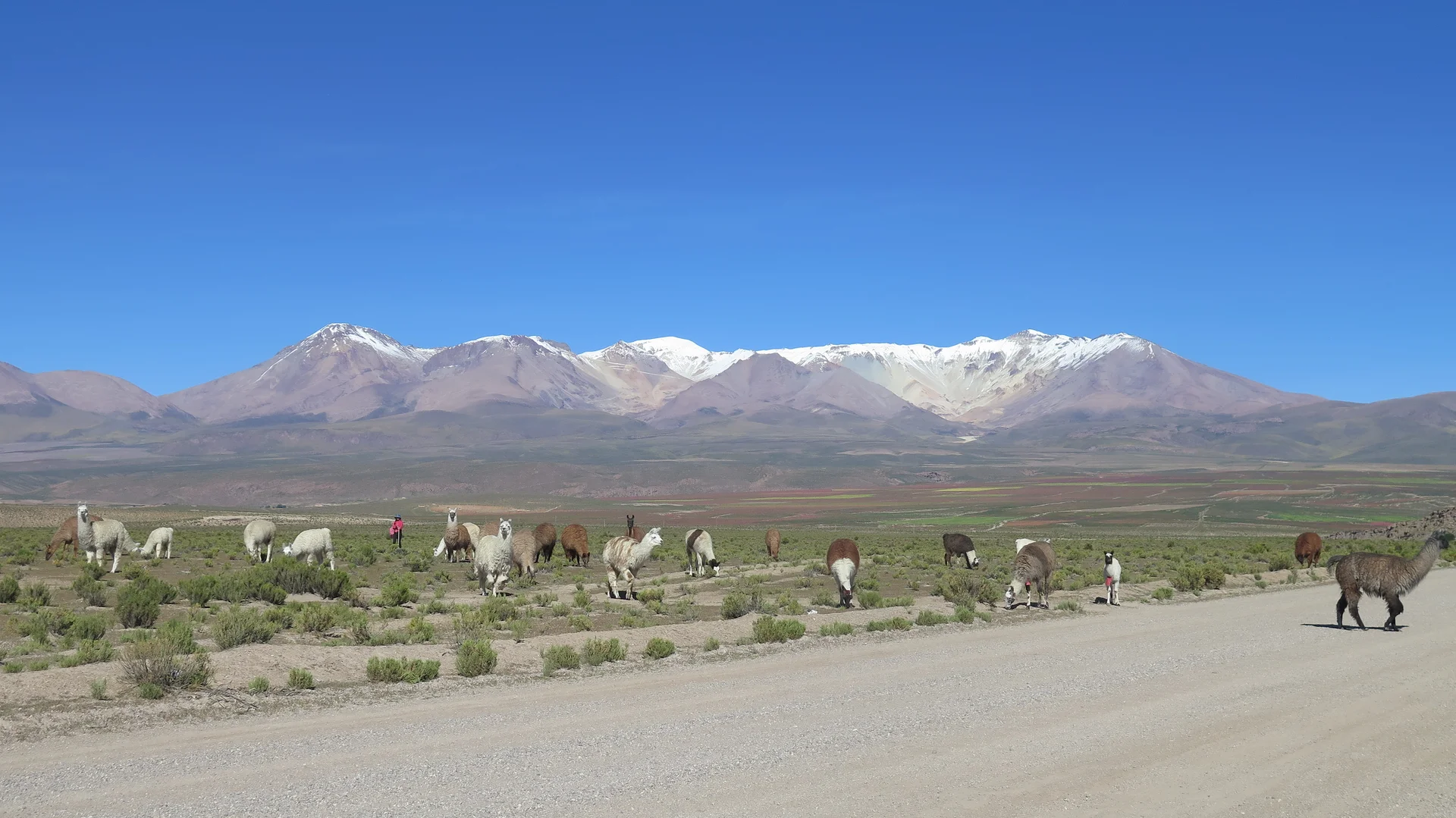
Uyuni is the starting town for visiting the famous Salar de Uyuni and the Sud Lipez region on the way to Chile. I took a night bus from La Paz and arrived in Uyuni early in the morning. This small town is essentially made up of local tour agencies to take you into the desert. You just have to take your pick! The quality varies a lot. The cheapest ones are the least reliable when it comes to their vehicles and the quality of the services. Still, despite a small 4x4 fire, we were able to have a superb experience.