
About Lake Titicaca
Widely known as the highest navigable lake in the world, Lake Titicaca sits at an altitude of 3 812 meters above sea level. It covers an area of roughly 8 372 km² and sits across the border between Bolivia and Peru. This remarkable setting, combined with its profound historical and cultural weight, makes it a destination you will want to add to any itinerary through the Andean region.
Exploring Copacabana
The town of Copacabana, located on the Bolivian shores of Lake Titicaca, serves as a prime starting point for exploring the area. Its whitewashed church, the Basilica of Our Lady of Copacabana, functions as a major pilgrimage site. You can also stroll along the Malecón, the waterfront promenade, or sit down for a plate of fresh trout, a regional staple.
Isla del Sol
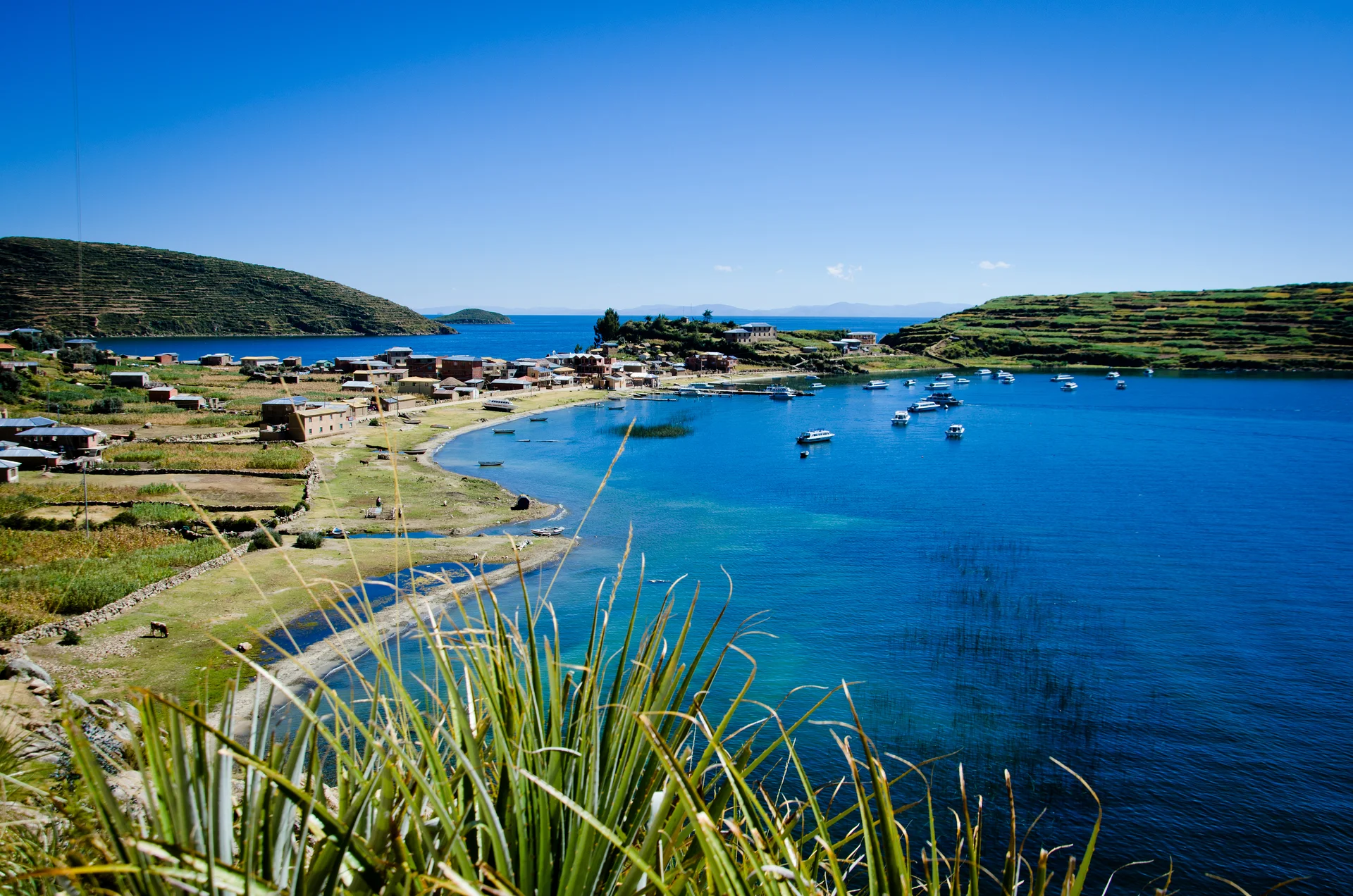
Reachable by boat from Copacabana, Isla del Sol draws visitors for its rugged landscapes and Inca ruins. Hiking trails wind across the terrain with sweeping views of the water and surrounding peaks. The ruins of Pilkokaina, a former Inca palace, and the Three Springs Fountain offer tangible links to the area's deep history.
Local Traditions
Lake Titicaca sits at the center of Andean culture. Local communities, such as those on the floating islands of the Uros on the Peruvian side or in the villages around the Bolivian shore, maintain ancestral practices. You can watch artisans weave traditional reed boats, a skill passed down for generations, and learn about the beliefs tied to the lake, which is viewed as sacred in Inca cosmology.

I loved Lake Titicaca.
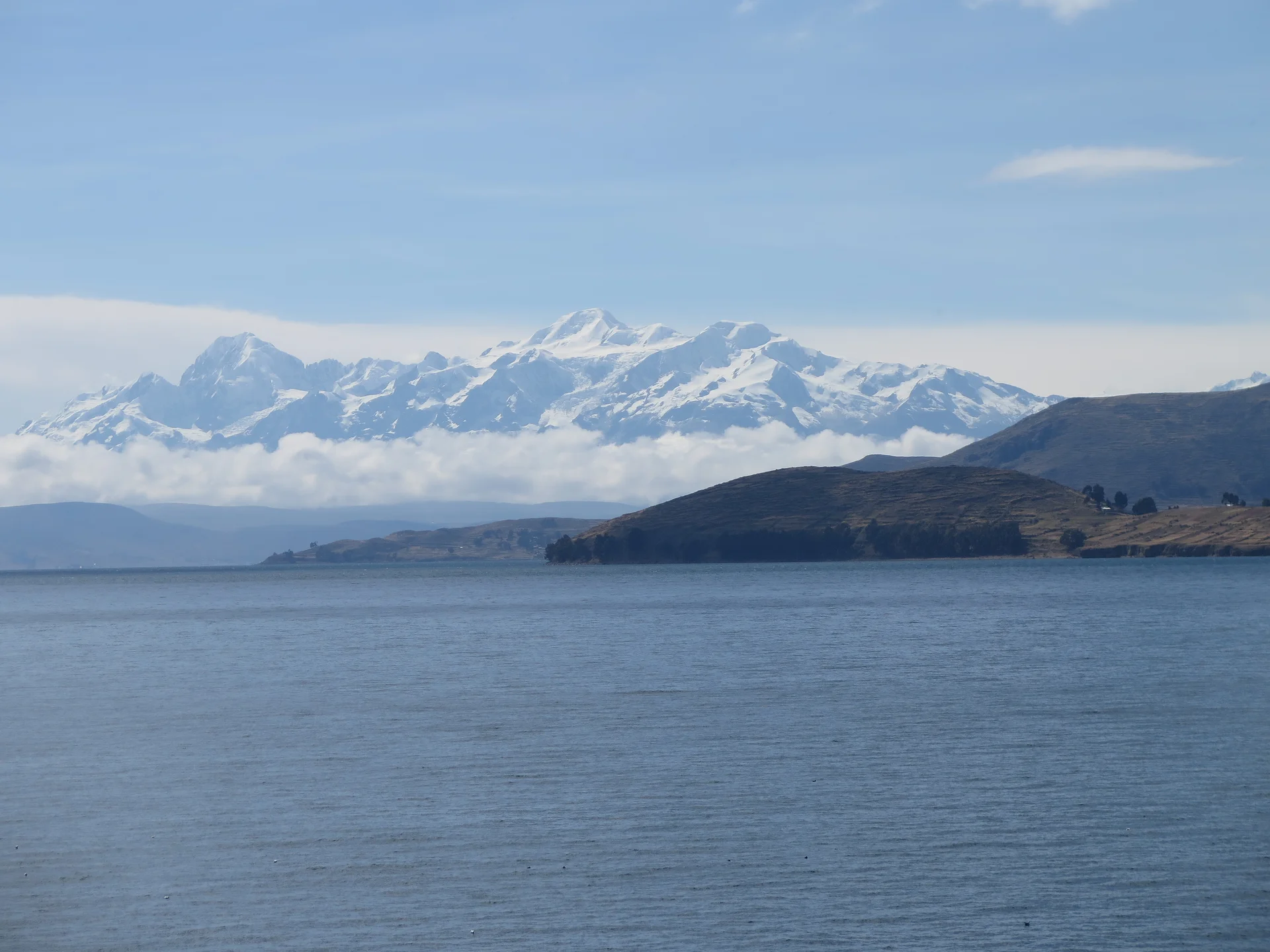
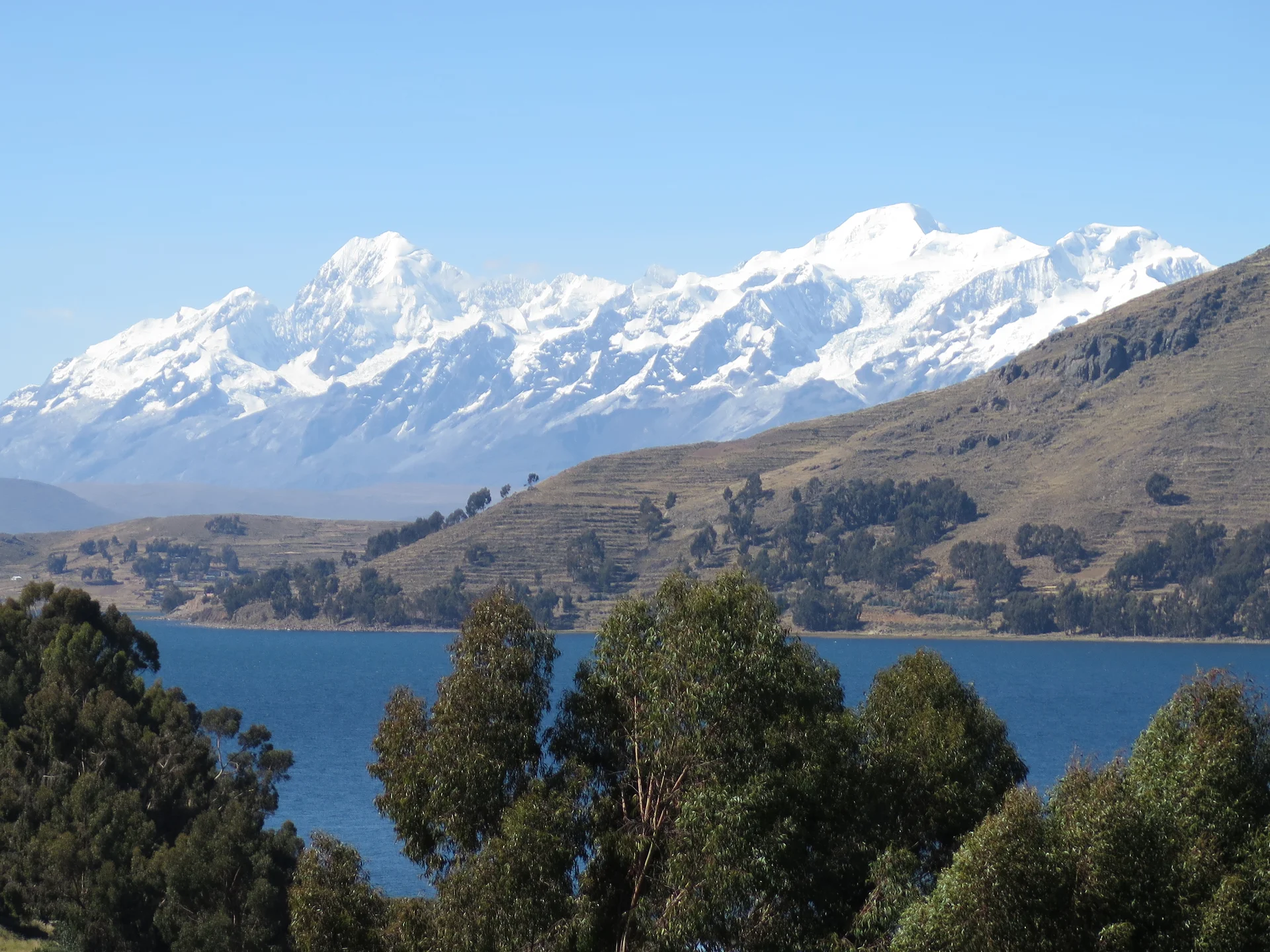
The beauty of the scenery is striking, with deep blue waters and a peaceful surrounding countryside.
The atmosphere there is remarkably calm, and meeting the local people makes the experience even more authentic.
There are some great hikes to do around the lake, providing truly exceptional views.
A place out of time, with dreamlike landscapes.