
Visiting Sucre, the White City in the Heart of Bolivia
As the constitutional capital of Bolivia, Sucre offers a quiet pace and deep historical roots. Its well-preserved colonial architecture, mild climate, and relaxed vibe make it an appealing stop for travelers looking to explore Bolivian heritage in a serene setting.
A Historic Center of Great Elegance
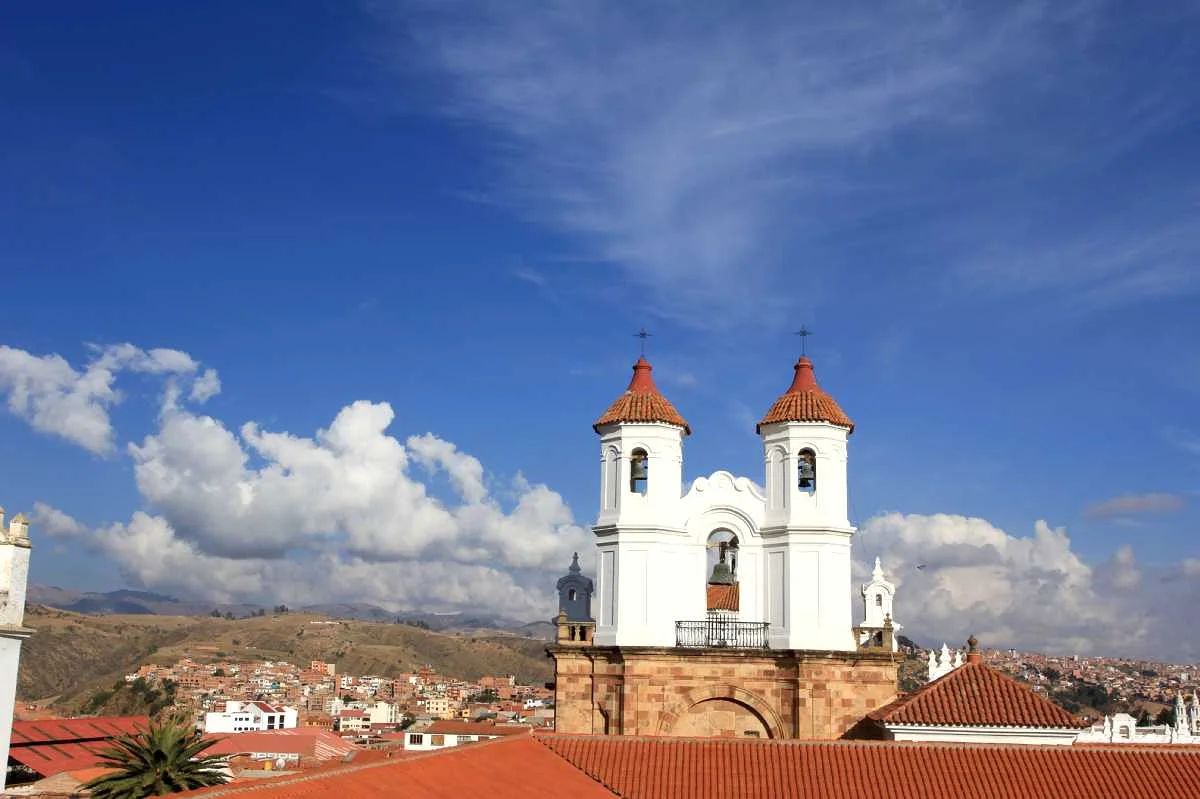
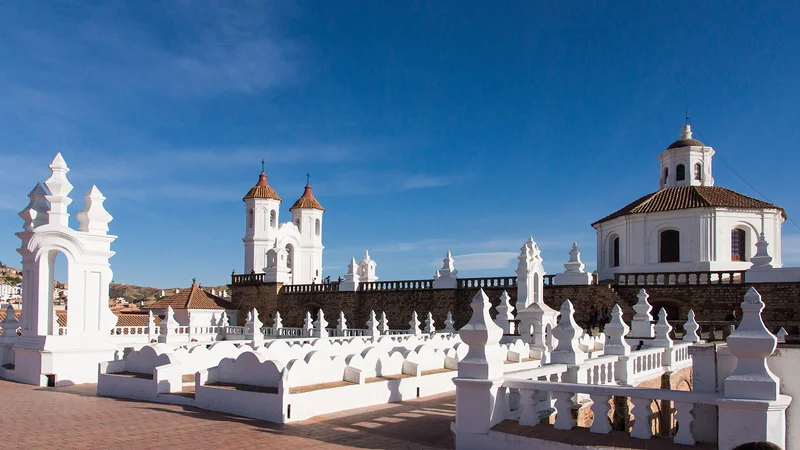
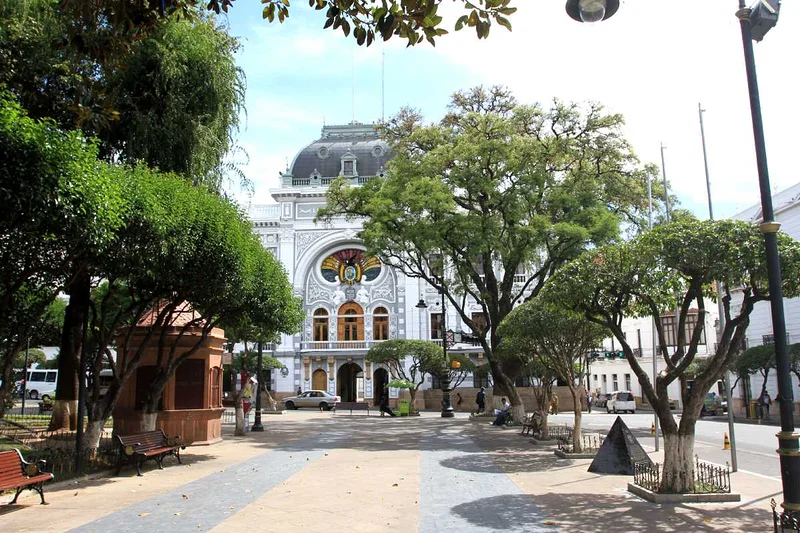
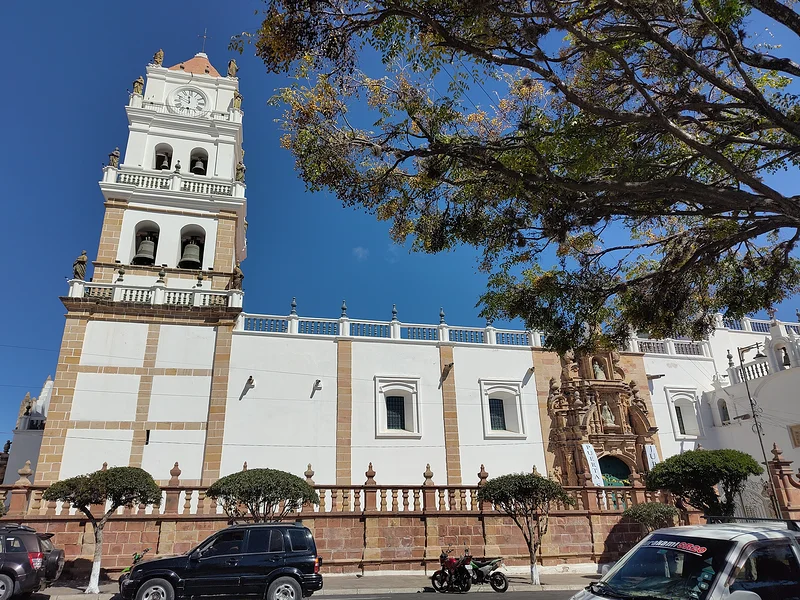
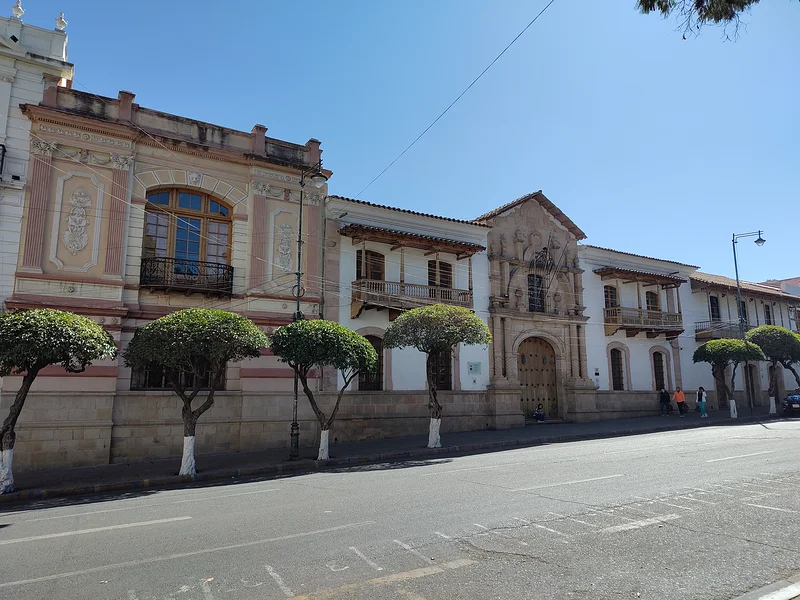
Sucre is known for its whitewashed facades, earning its historic center a spot on the UNESCO World Heritage list. The Plaza 25 de Mayo anchors the city, framed by the Metropolitan Cathedral and the Casa de la Libertad, where the country signed its declaration of independence in 1825. Walking the narrow streets reveals numerous colonial buildings and lets you soak in the easygoing atmosphere of the city.
Museums to Understand History and Culture
Sucre houses several compelling museums. The Casa de la Libertad is essential for grasping the political history of Bolivia. The ASUR Indigenous Art Museum highlights the textile traditions of the Jalq’a and Tarabuco communities, while the Monastery of La Recoleta offers sweeping views of the city from its hillside perch.
Accessible Nature Right Outside Town
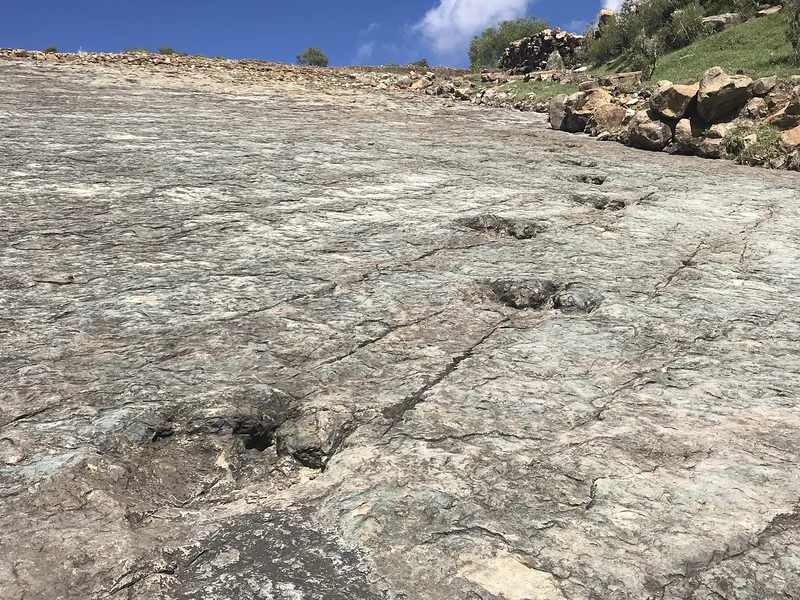
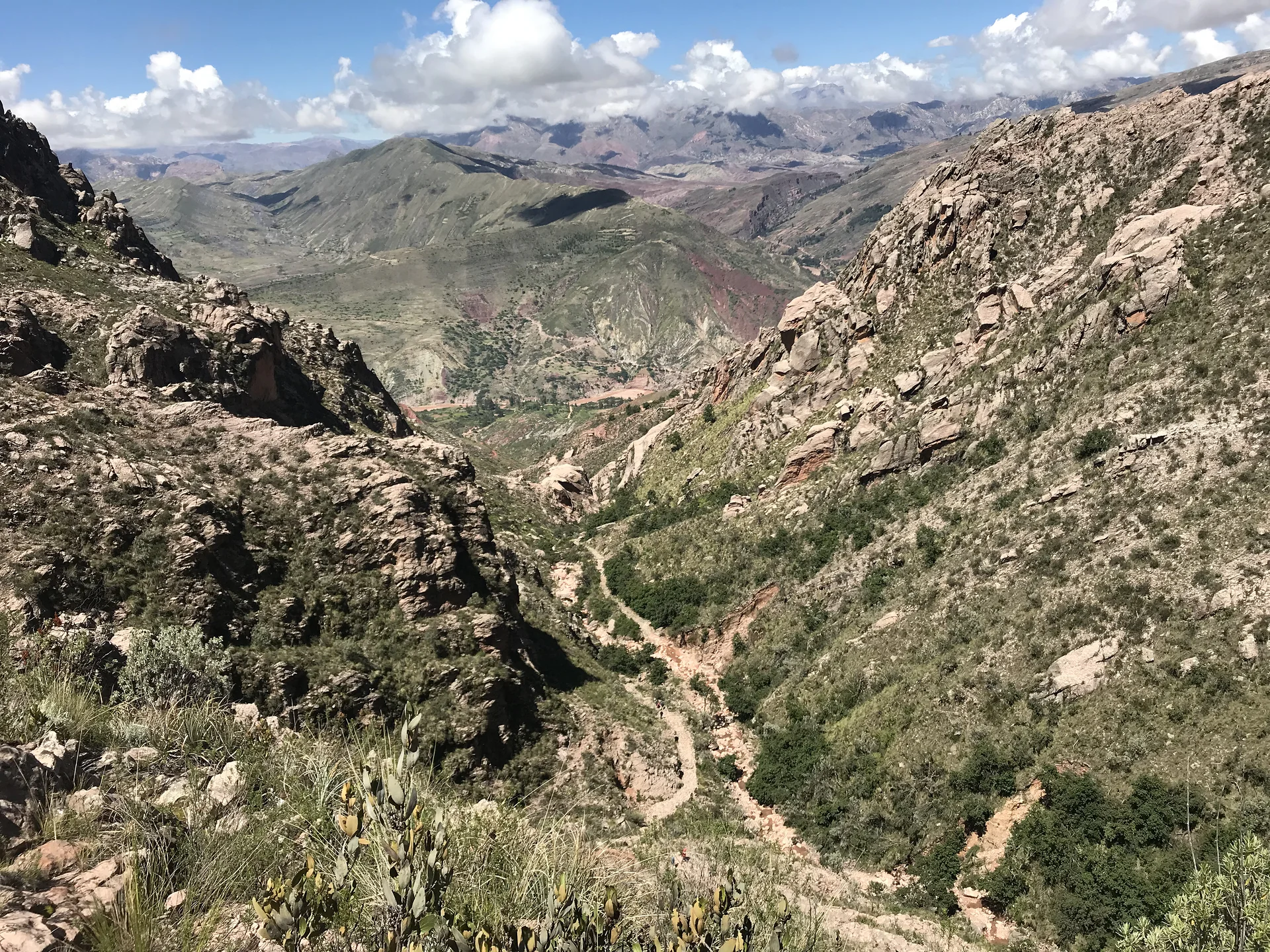
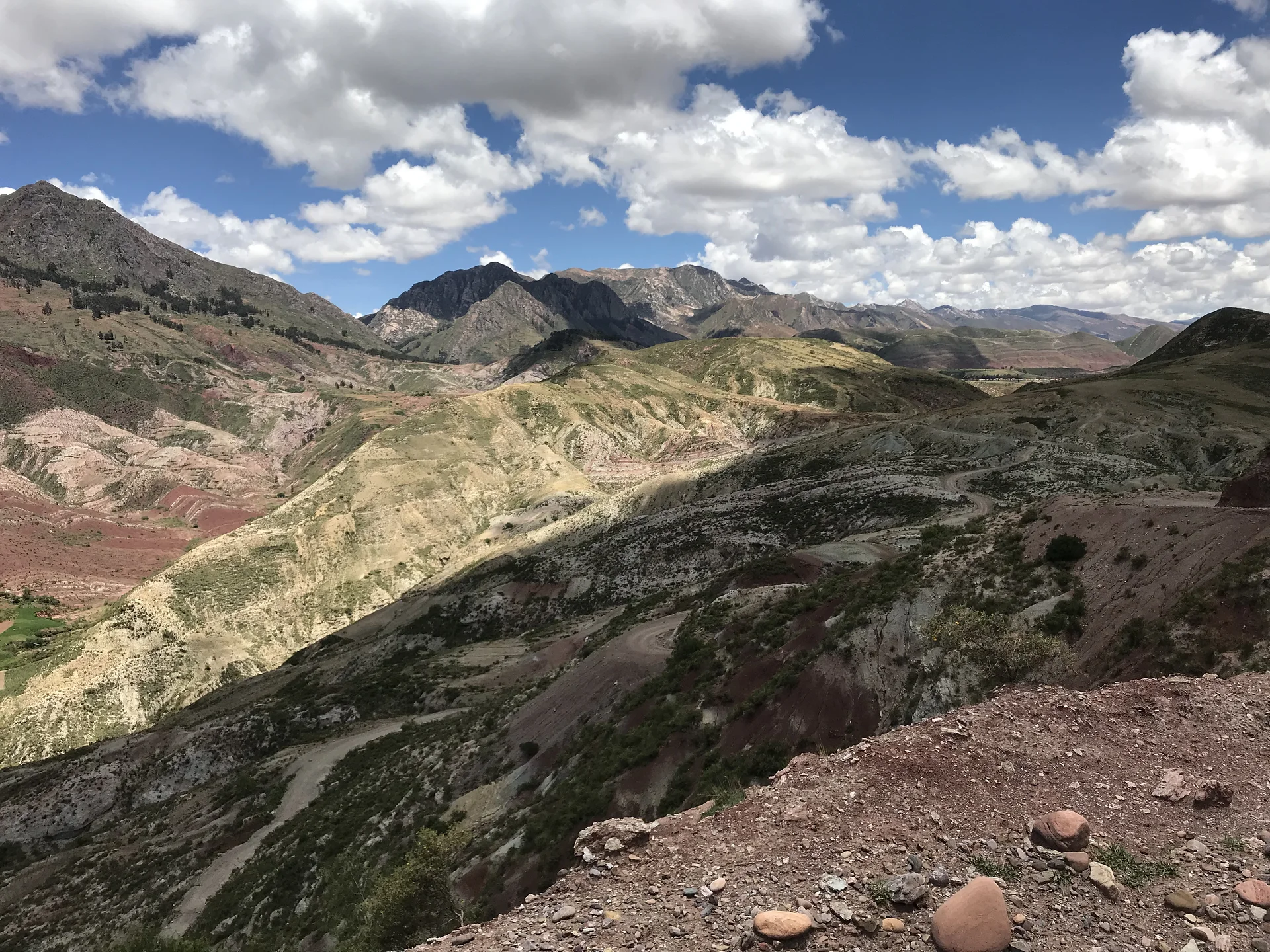
Just a few miles outside Sucre, the Cal Orck’o site preserves one of the largest concentrations of dinosaur footprints in the world, stamped across a sheer limestone cliff. For hikers, the Chataquila Ridge trail descends through striking Andean landscapes.
A Relaxed Vibe Built for Learning
Sucre draws travelers eager to learn Spanish thanks to its many reasonably priced language schools. The city also features plenty of neighborhood cafes and markets where you can slow down and watch daily life unfold.
Flavors Balancing Tradition and Simplicity
Sucre cuisine leans toward comforting dishes like mondongo, a pork stew paired with hominy and hot peppers. Chorizo chuquisaqueño, a local spiced sausage specialty, usually arrives on a plate with bread and a tangy salsa.
To drink, api, a hot purple corn beverage, serves as a warming morning ritual on cooler days.
Where to eat?
- El Patio Salteñería (Center): Known for its outstanding salteñas, baked pastries stuffed with meat, potatoes, and vegetables.
- Condor Café (Center): A popular spot with travelers for plant-based dishes and a welcoming community atmosphere.
- Los Balcones (Center): A traditional restaurant serving flavorful local plates with a view over the streets.
Where to stay?
- Hotel Monasterio (Center): Set inside a former monastery, offering a charming historic property.
- Hostal CasArte Takubamba (Center): A budget-friendly choice with an artistic and laid-back feel.
- Parador Santa Maria La Real (Center): An upscale option featuring attentive service and classic colonial architecture.
When to go?
Sucre enjoys pleasant weather year-round, but the dry season running from May to October brings the best conditions. In September, the city hosts the Feast of the Virgin of Guadalupe, one of its biggest celebrations featuring traditional dances and processions.
How to get there?
Flights land at Alcantarí Airport, located 19 miles (30 km) from downtown Sucre, with domestic routes connecting from La Paz, Cochabamba, and Santa Cruz (roughly $68* one-way). Long-distance buses also link Sucre to major Bolivian cities, though the mountain roads make for long and winding rides.
How to get around?
Downtown Sucre is entirely walkable. For longer distances across town, local taxis and shared minibuses called trufis run frequently and cost very little.
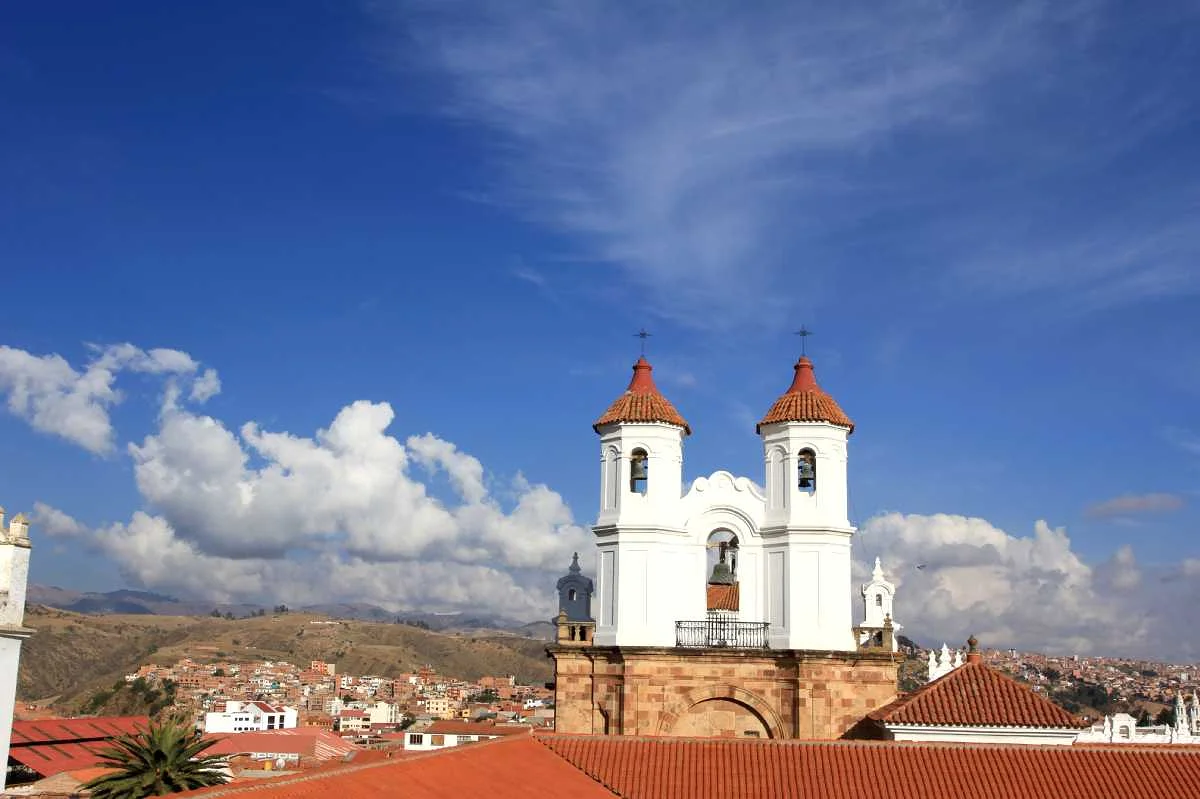
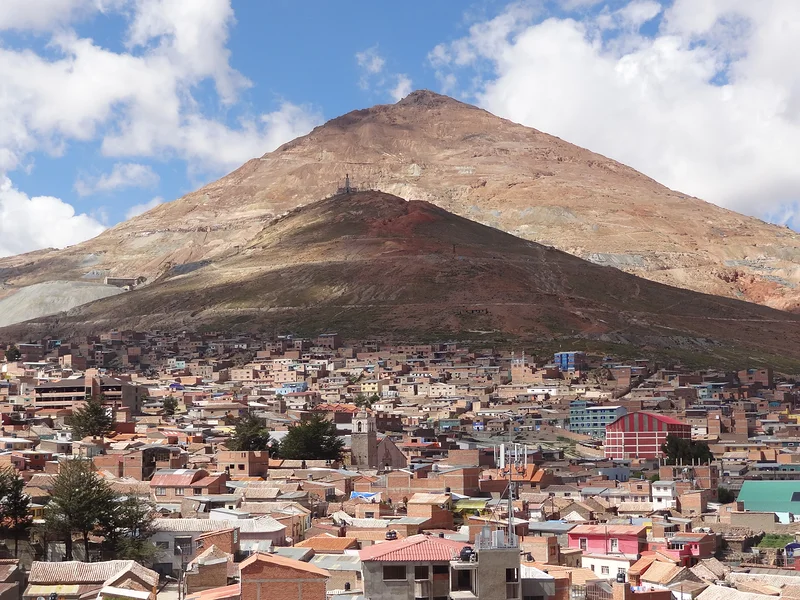
Just like Potosi, Sucre is a city that is very popular with tourists in Bolivia. It is undeniable that its colonial architecture is splendid. Added to this is a gentle way of life linked to its climate, situated between the harsh Altiplano and the stifling plains. Among the monuments to visit, I enjoyed its impressive cathedral but also its churches, its museums, its market, and Bolivar Park. The most pleasant thing, though, is still just sipping a drink on a terrace.