
Visiting Potosí
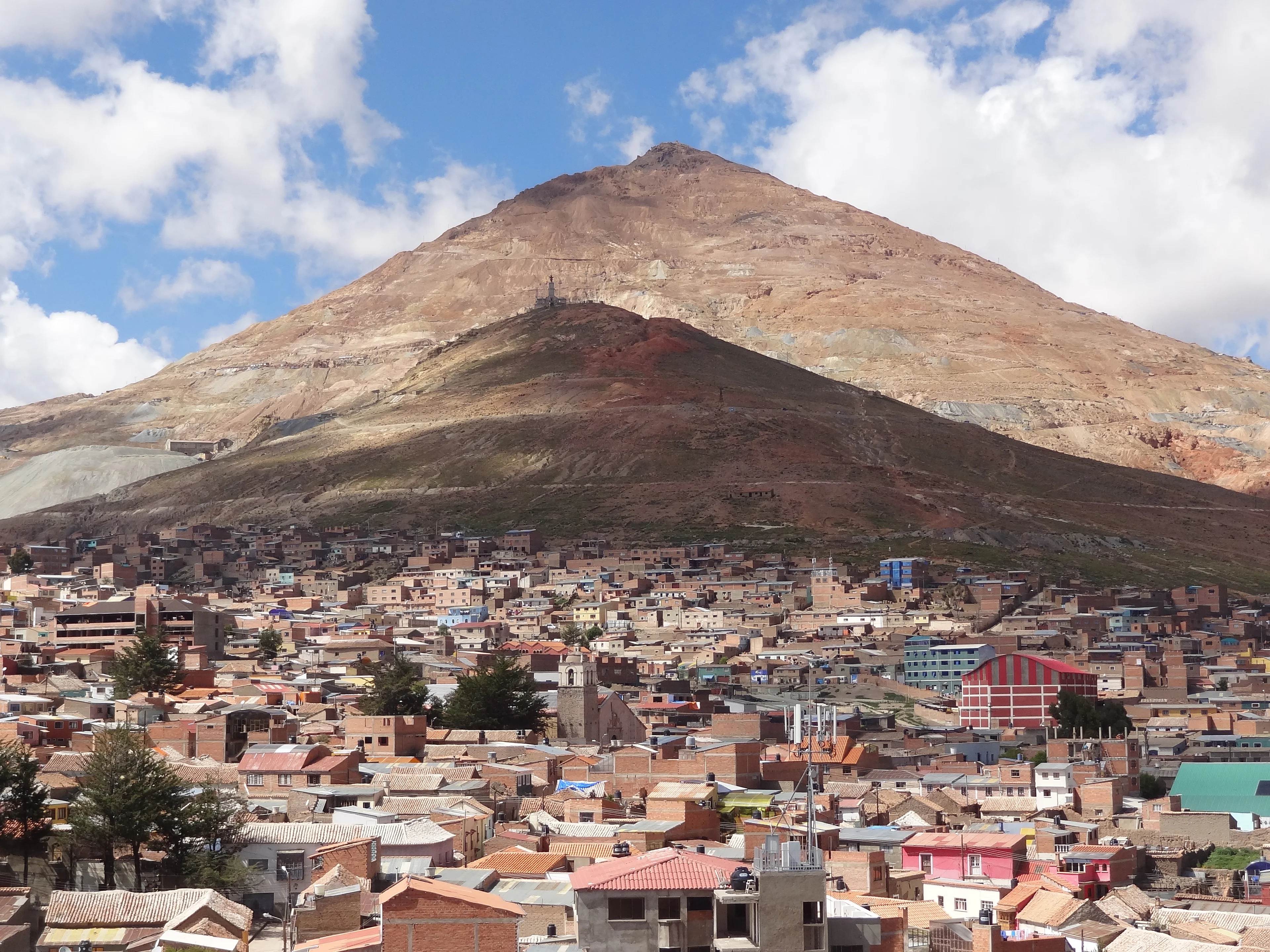
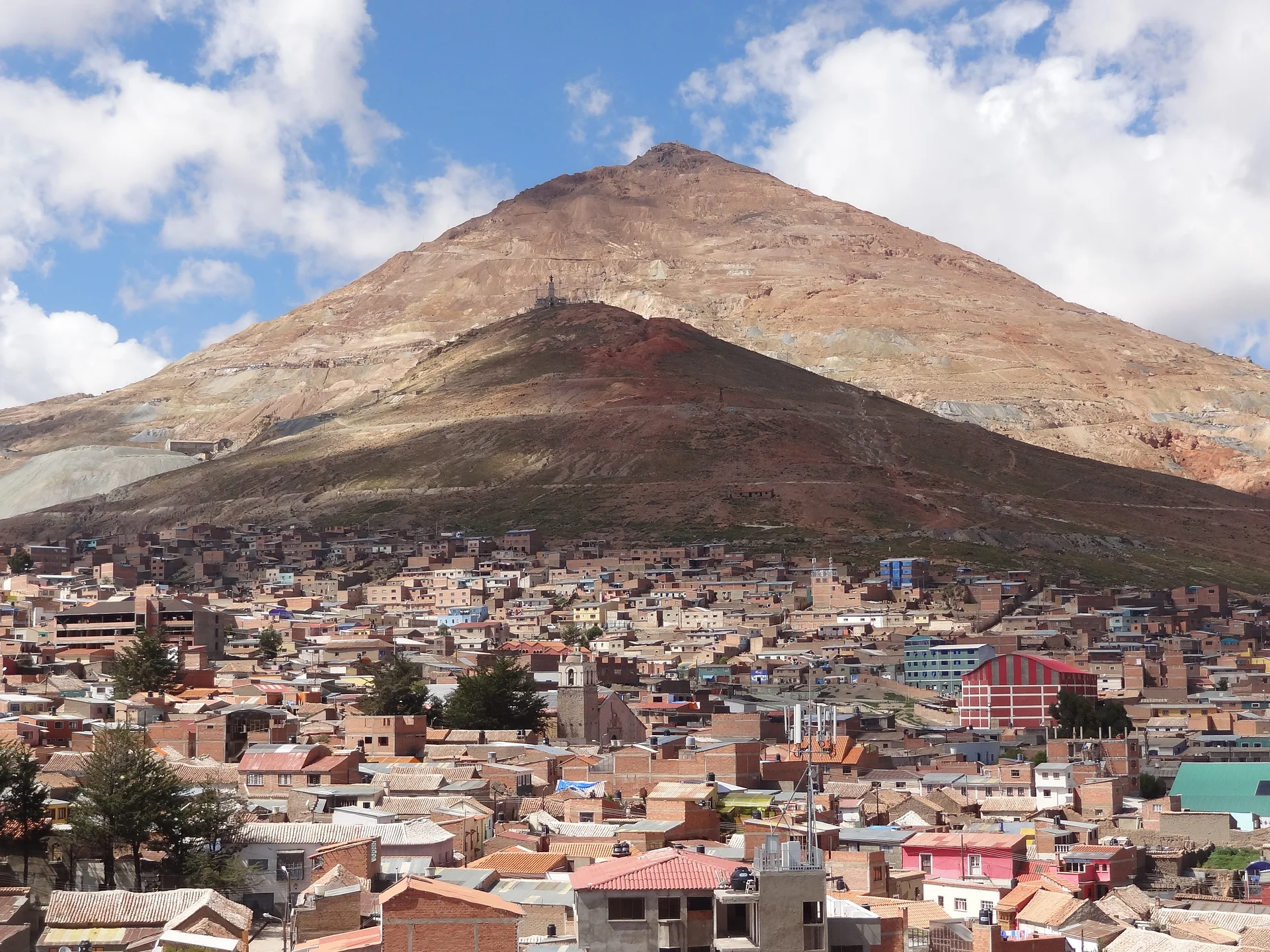
Potosí is a city in Bolivia that experienced a massive boom during the 16th and 17th centuries when Spanish colonists began extracting silver from a major mine, the Cerro Rico. This "rich mountain" dominates the Potosí skyline, and you will see it from almost every street corner. While still active today for tin, the mines can only be visited through organized tours. This excursion provides a look into the difficult living and working conditions of Bolivian miners, many of whom have lost their lives in the belly of the mountain. Deep inside the mines, you will find a representation of the god Tío, the master of the depths.
The mining heritage of Potosí
Mining in this part of Bolivia has continued for four centuries and significantly enriched the European continent under the Spanish crown, which minted currency from Potosí silver. To learn about the industrial and financial history of the city, do not miss the Casa de la Moneda, an 18th-century structure that remains the largest colonial building in all of Latin America. Touring the facility explains how currency was once struck. The museum houses collections of period coins and interesting artwork.
Perched at an altitude of 13,418 feet (4,090 meters), Potosí was once a Spanish stronghold and one of the most populous cities in the 17th century, surpassing London and Paris. At its peak, the city was home to 160,000 people. Mining operations were gradually modernized in the 16th century with the installation of aqueducts and mills to crush ore, structures that are still standing today. From the top of the Cerro Rico, you get a sweeping panoramic view of the surrounding Andes.
A major colonial city in Latin America
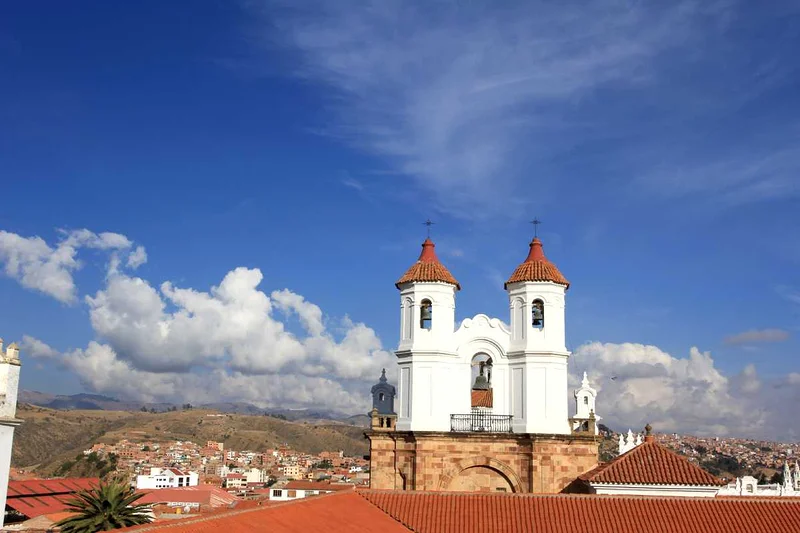
The layout of Potosí was built entirely around the mining industry and colonial occupation, which earned it a spot as a UNESCO World Heritage site in 1987. Numerous buildings bear witness to this history, starting with those surrounding the Plaza 10 de Noviembre, the beating heart of the city. You will also find many baroque-style churches and religious monuments, such as the cathedral and the Santa Teresa Convent, which has been converted into a museum of religious art. Take a look at the facade of the Tower of the Compañía de Jesús with its 32 twisted columns and intricate stone carvings.
Unfortunately, after centuries of human extraction, the Cerro Rico has become porous and unstable. It is prone to landslides, which pose a constant threat to both the residents of Potosí and the preservation of its local heritage.
When to go
Because of its high altitude, Potosí can get cold very quickly. Plan your visit between the months of April and October.
How to get there
Beyond its historical significance, Potosí is well-positioned on the route to the Salar de Uyuni. Numerous bus lines serve Potosí from Sucre, a trip that takes about 3 hours.
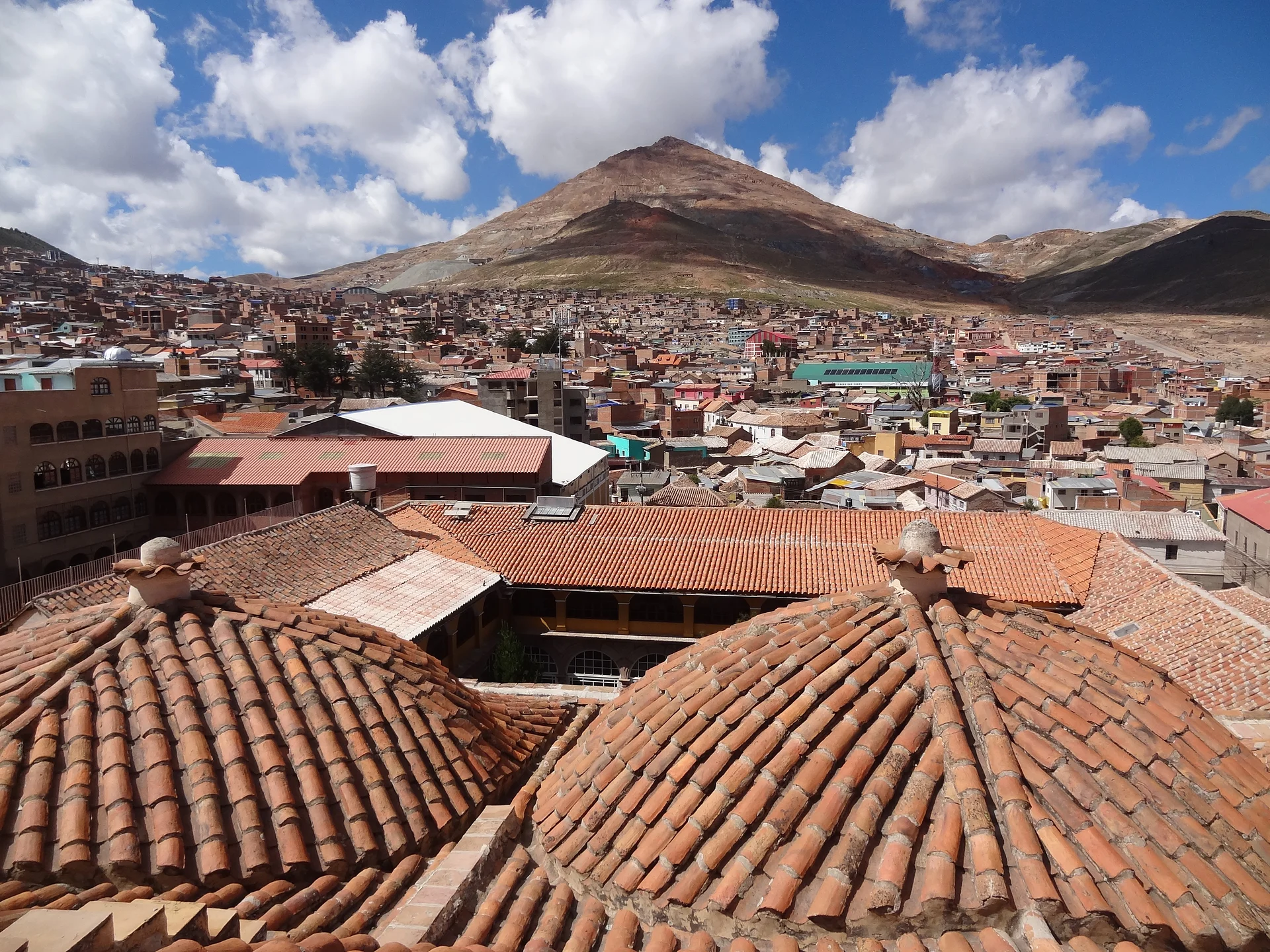
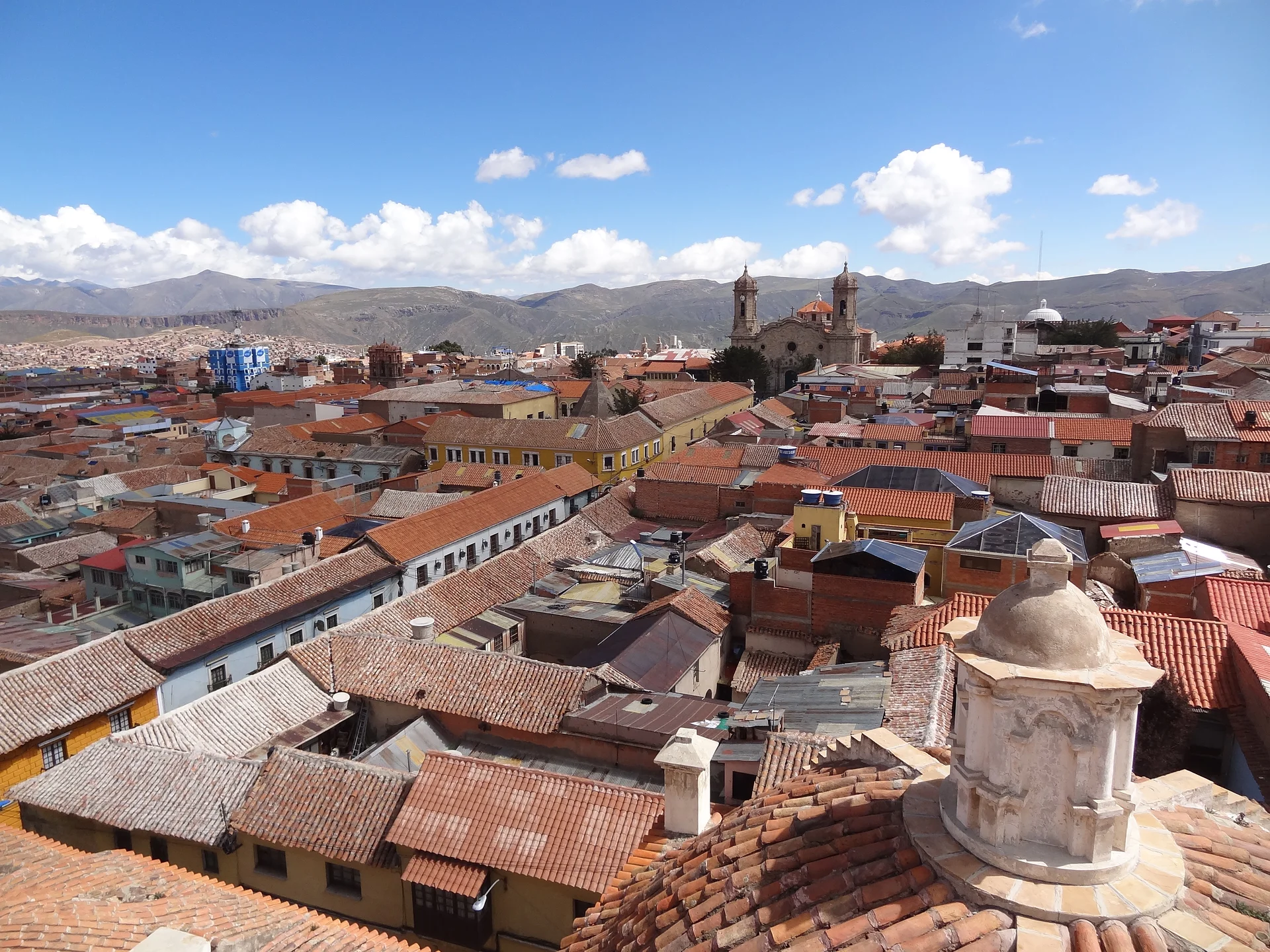
Potosi is a must-see city in Bolivia, right after La Paz, Lake Titicaca, and the Salar de Uyuni. They say capitalism was born in its Cerro Rico because so much silver ore was extracted from there during the Spanish colonization. Today, I recommend visiting the mines with a local because tourism provides them with a significant source of income. The tour, while a bit voyeuristic, lets you imagine the living conditions of these forced laborers. The city is also packed with beautiful monuments.